
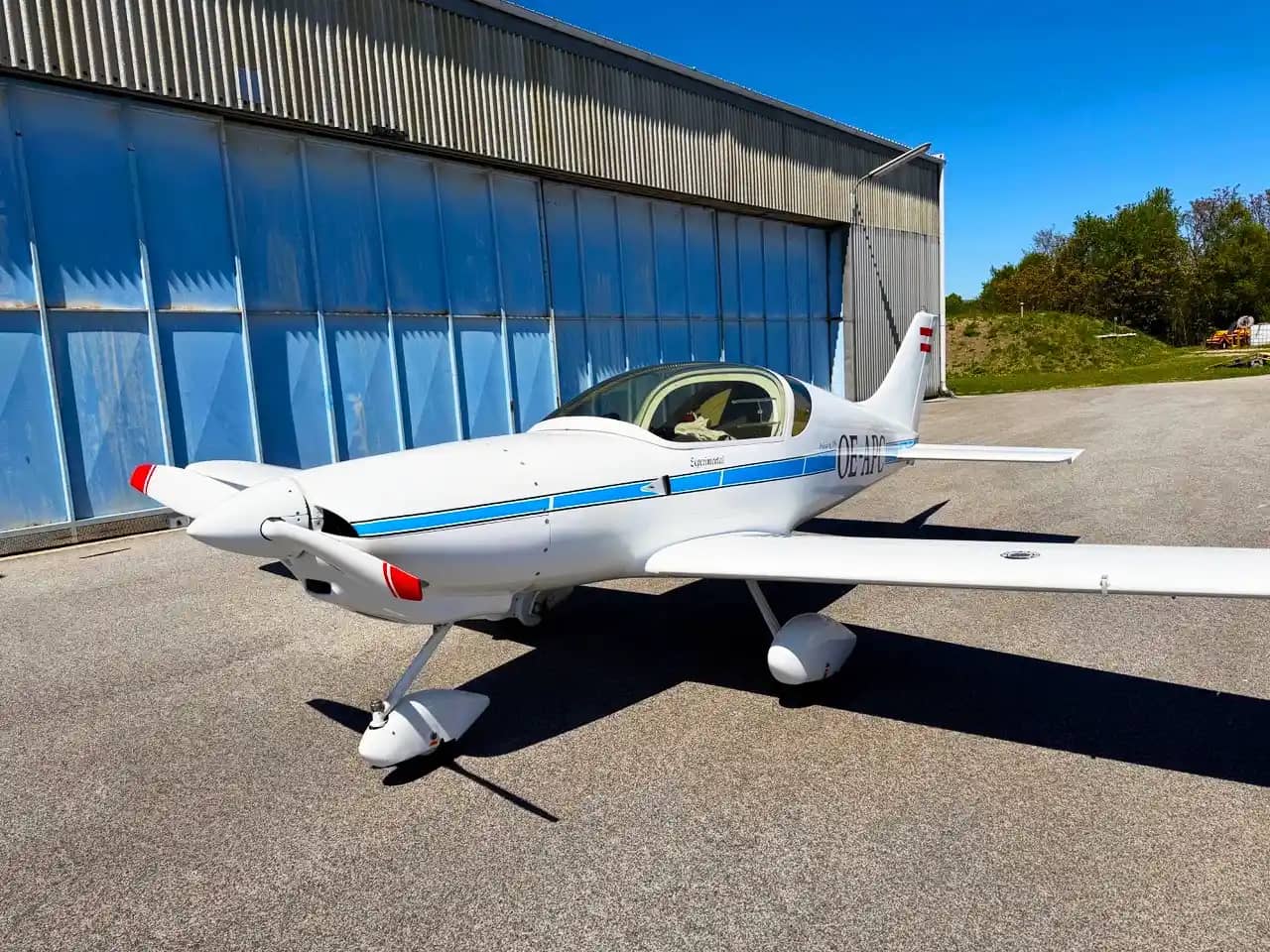
 Bad Vöslau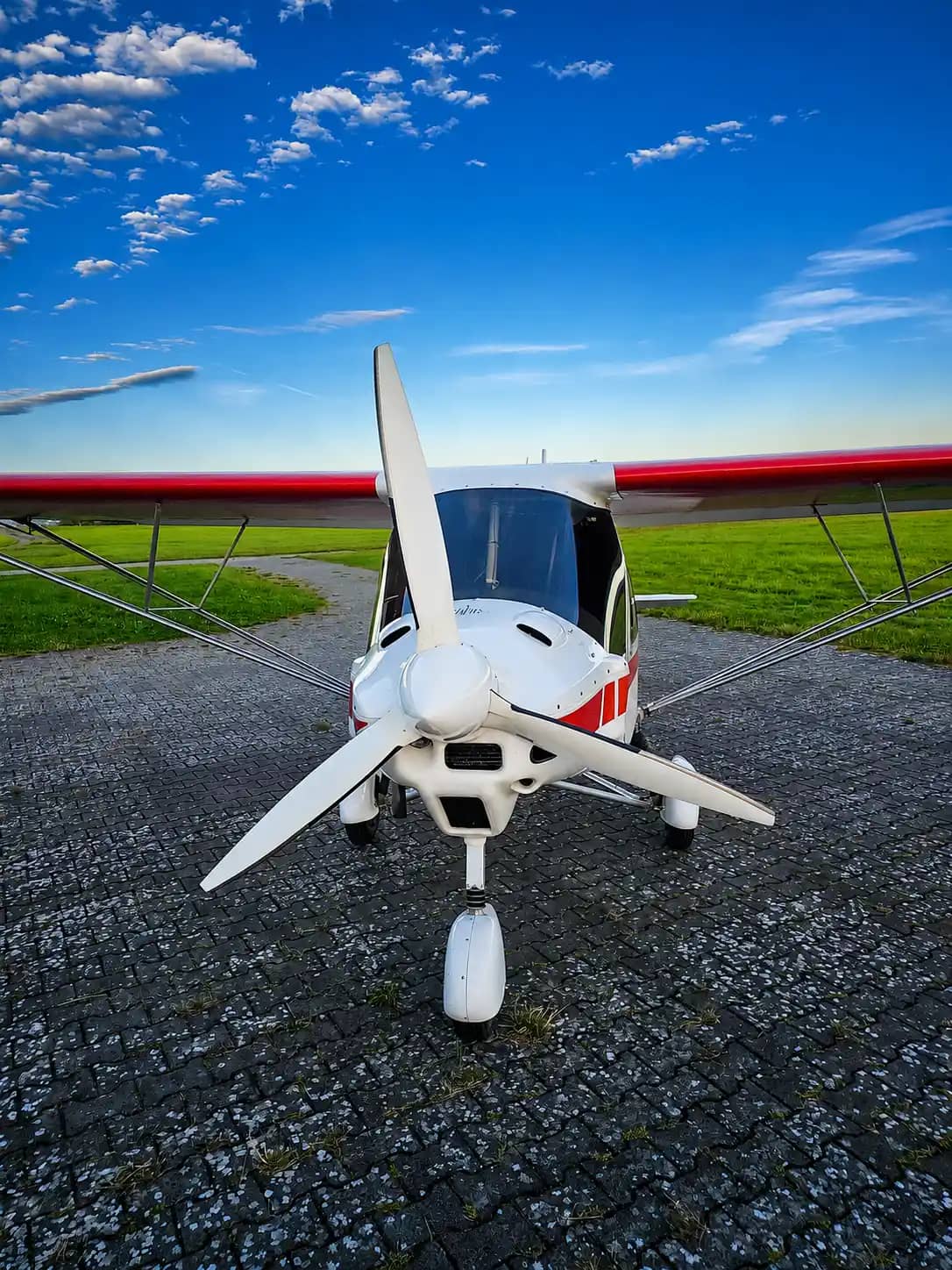
 Kirn
Kirn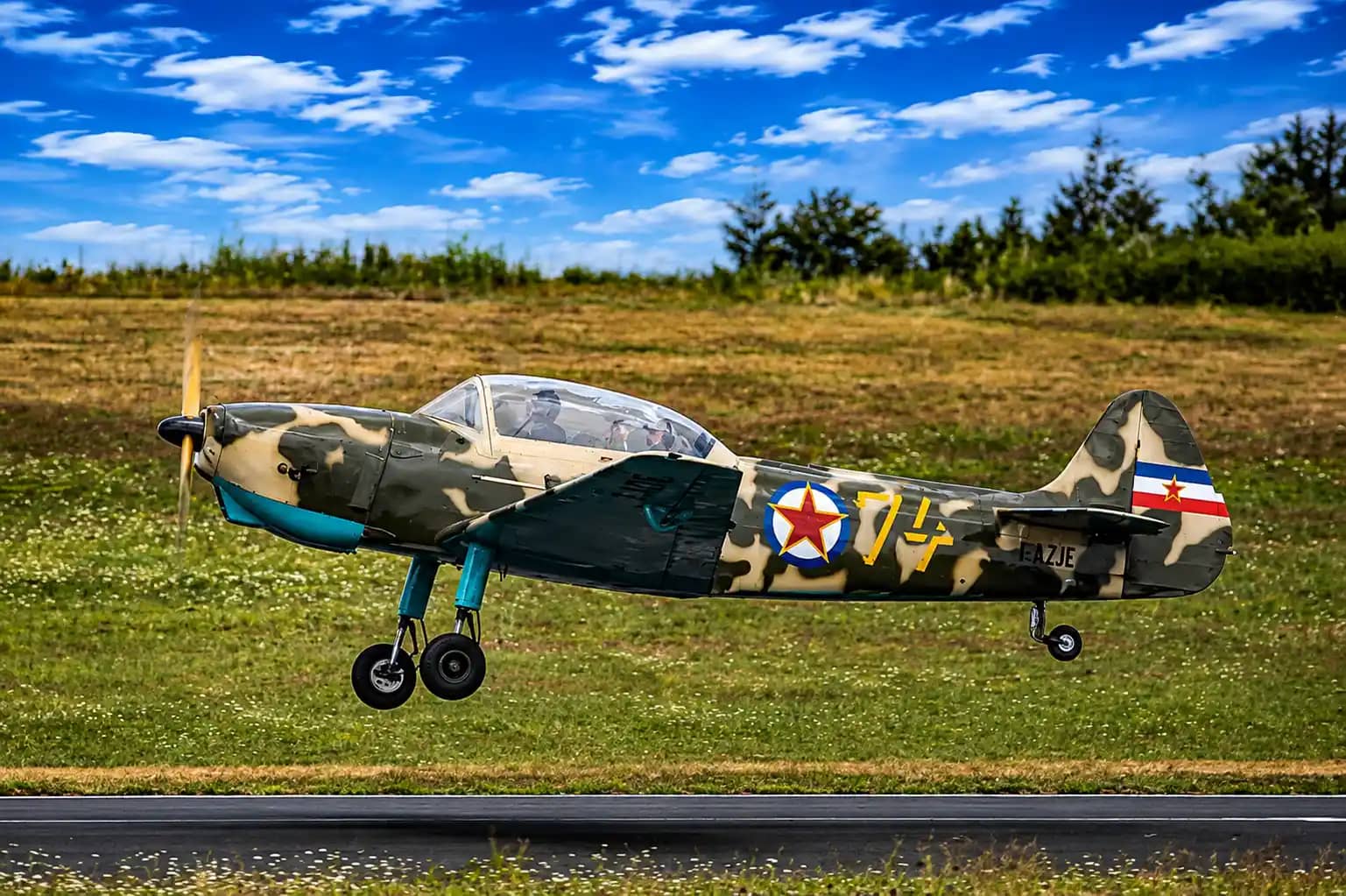
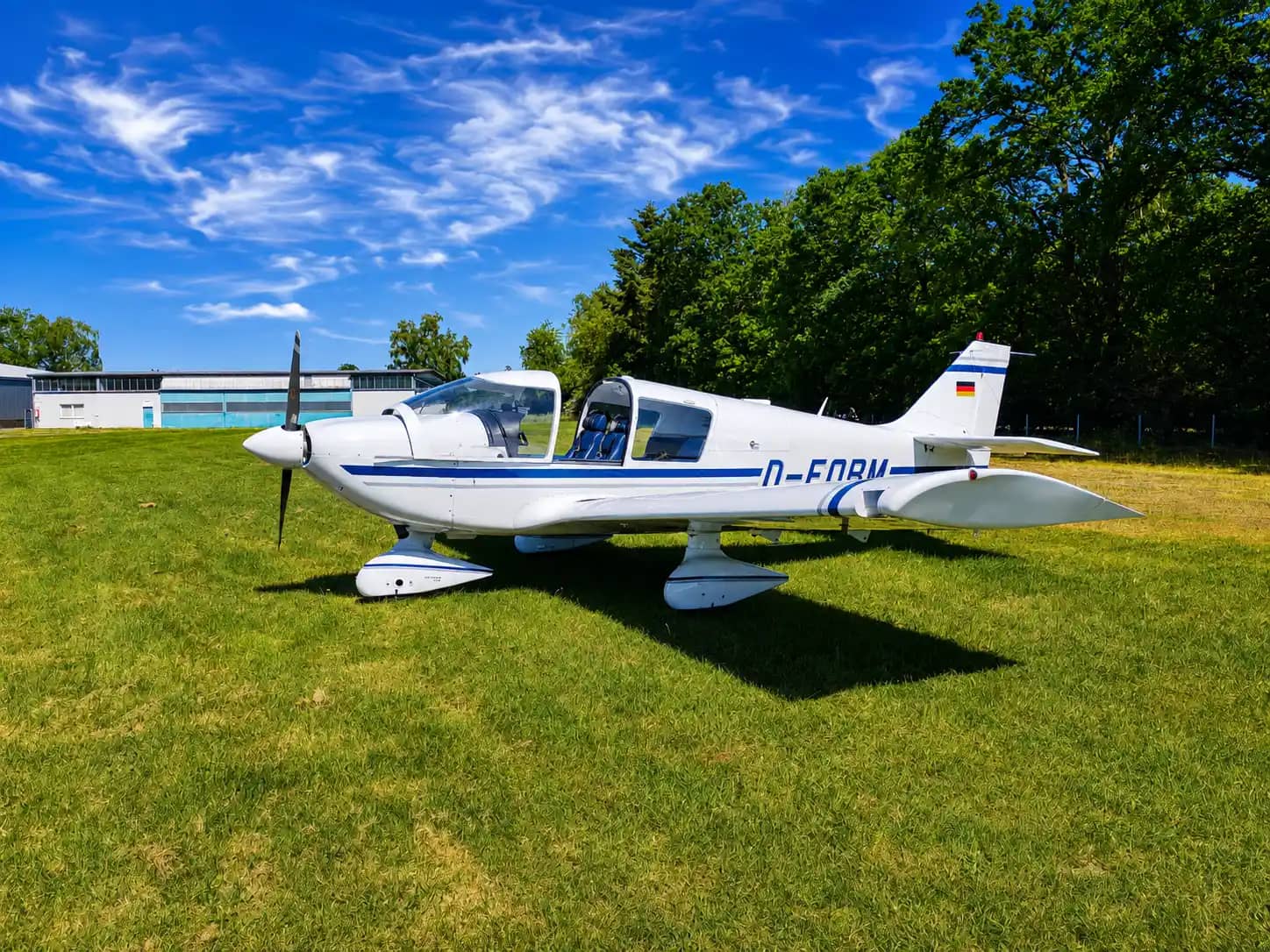
 Florida
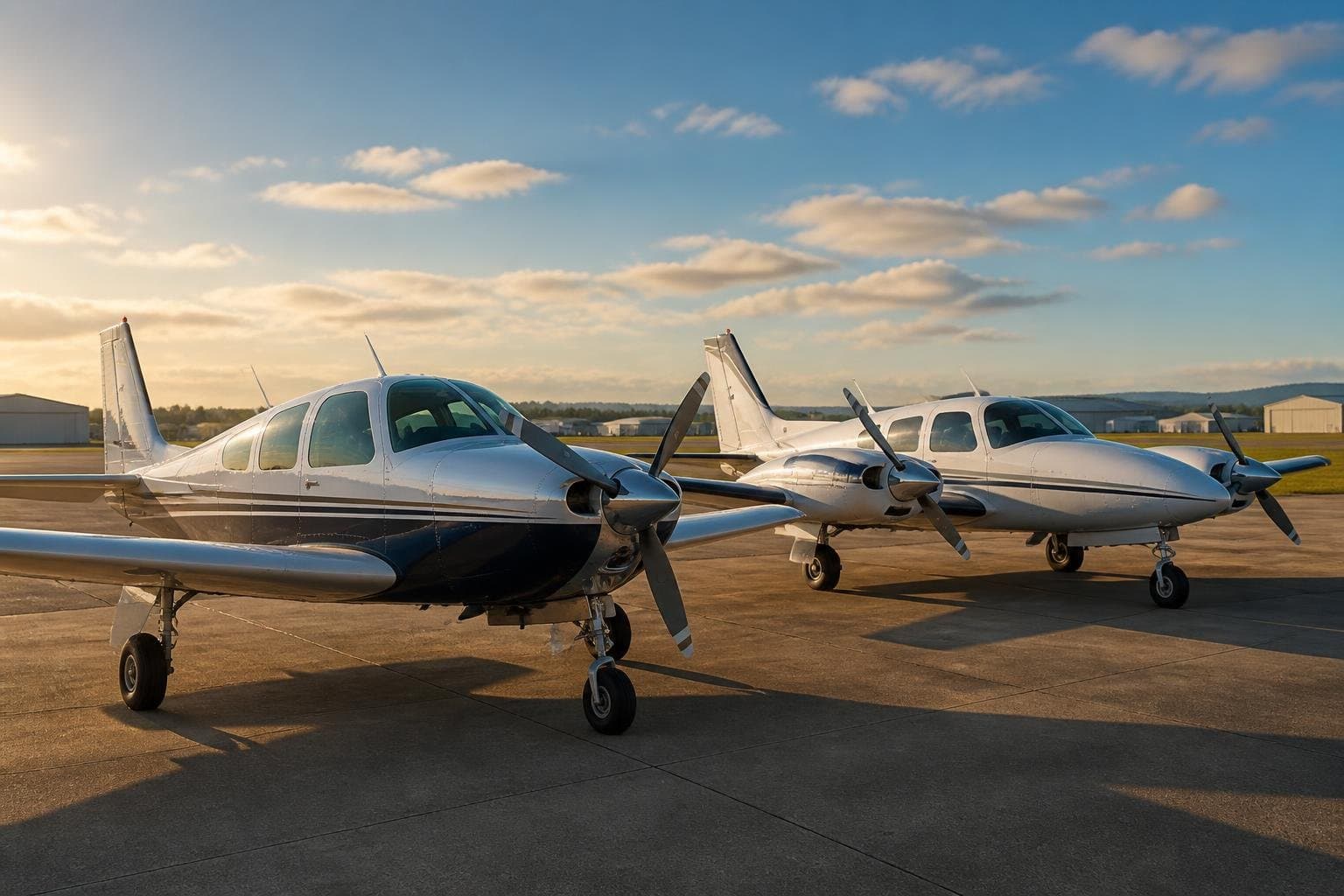
Choosing between a piston single and a light twin is less about counting engines than matching an aircraft to the trips, payloads, airports, weather exposure and ownership budget that will define its real use. A single usually offers lower complexity and lower operating cost; a twin can add cabin, speed, systems redundancy and mission capability, but only when the pilot, maintenance support and budget can support it. In any single vs twin engine aircraft comparison, a well-documented, properly equipped example that fits the mission is usually a better decision than a superficially more capable aircraft with weak records or deferred maintenance.
Piston Single vs Light Twin: The Decision in Brief
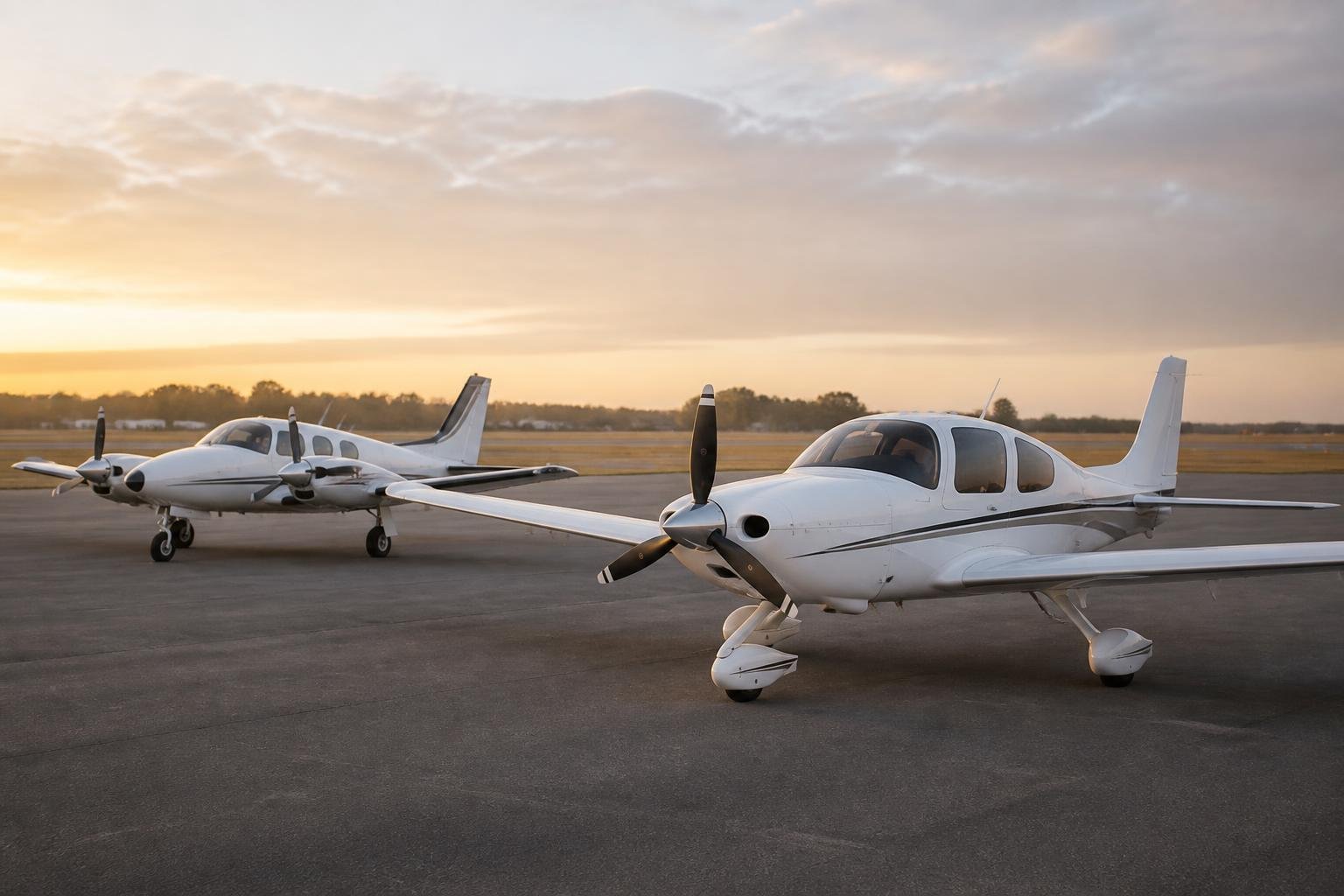
The central trade-off is simplicity and efficiency versus redundancy and capability. A piston single has one engine, one propeller, fewer engine-related accessories and generally fewer systems to inspect, maintain and operate. That can reduce fuel use, overhaul exposure, training burden and the consequences of a complex maintenance event. Many singles also offer excellent useful load, practical cabins and strong cross-country performance.
A light twin adds a second powerplant and propeller, often retractable landing gear and more elaborate fuel, electrical and environmental systems. Depending on the model, those additions can provide greater cruise speed, more interior volume, higher operating altitudes and a second engine after certain failures. They also create more inspections, more components that can fail, and a substantially higher requirement for disciplined recurrent proficiency.
Begin with the mission rather than the engine count. Define normal passenger count, baggage, stage length, expected fuel reserve, runway surfaces and lengths, density-altitude exposure, night or instrument flying and annual utilisation. Then compare individual aircraft. A high-performance single may carry more useful payload than a particular entry-level twin, while a cabin-class twin may serve a frequent four-person IFR mission far better than a basic four-seat single.
- Prioritise payload and range after real fuel, not brochure maximums.
- Assess the airports actually used, including runway condition and hot-day performance.
- Budget for training, insurance and maintenance contingencies before setting an acquisition limit.
- Treat condition, records, corrosion history and installed equipment as major value drivers.
What Counts as a Piston Single and a Light Twin?
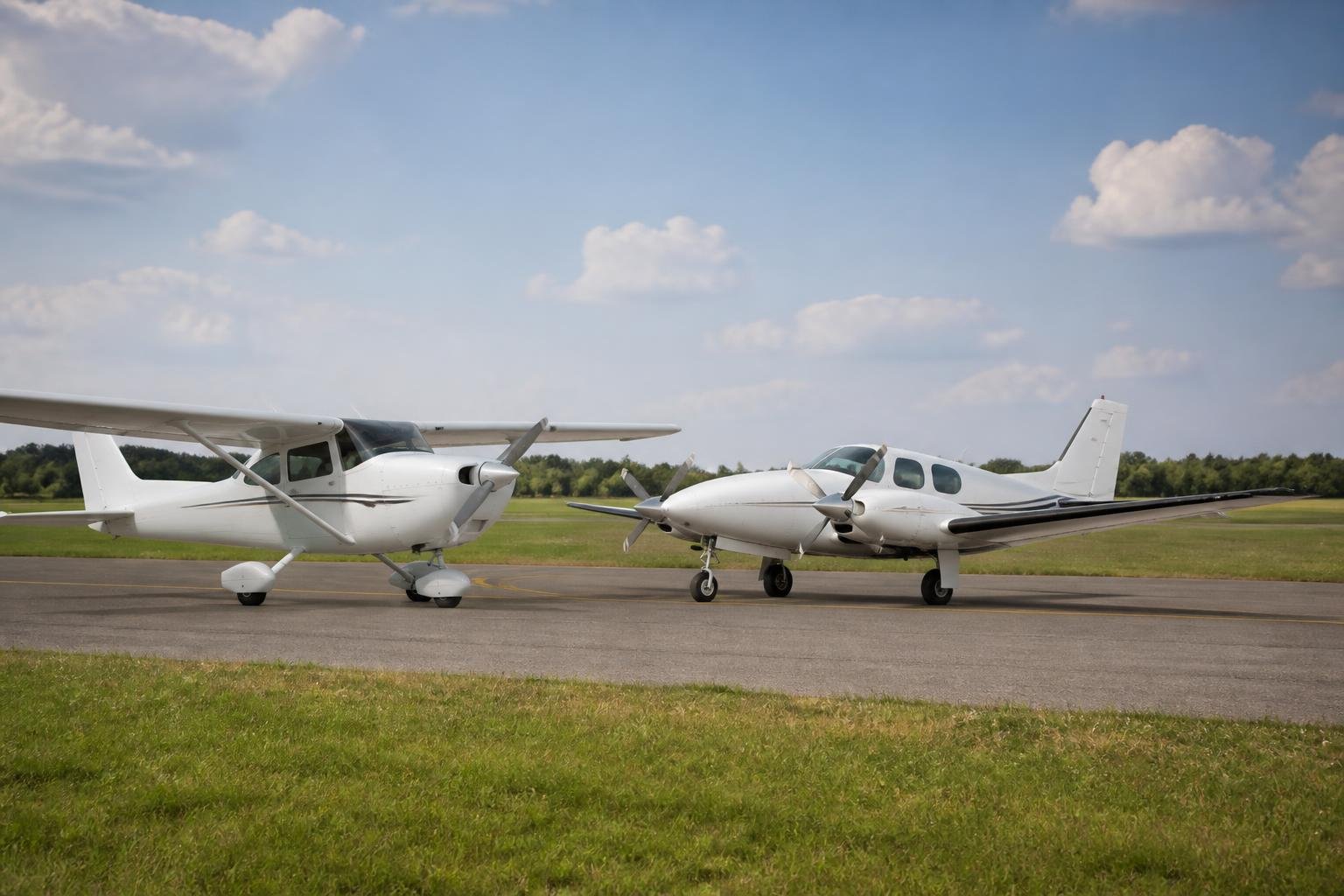
Piston singles range from simple two-seat trainers through four-seat touring aircraft to substantial six-seat utility and high-performance models. Fixed-gear aircraft are common at the simpler end of the market, while retractable-gear singles can offer higher cruise speeds at the cost of added maintenance and operating discipline. Typical families include the Cessna 182 and 206, Piper PA-32 variants and Beechcraft Bonanza models. Their cabin layouts, payloads and performance vary materially within each family.
Light twins are equally broad. Entry-level twins such as the Piper Seminole are often associated with multi-engine training, whereas aircraft such as Piper Seneca variants, Beechcraft Baron models and Cessna 310-series aircraft are more established personal and business transport platforms. The Cessna 340 illustrates another category: a pressurised piston twin, where altitude capability and environmental systems can alter both mission potential and ownership exposure.
Broad labels can obscure the facts that matter. A normally aspirated single, a turbocharged retractable single, an entry-level trainer twin and a pressurised cabin twin are not interchangeable alternatives. Engine model, turbocharging, fuel-system arrangement, de-ice equipment, avionics generation, useful load and maintenance history should drive the shortlist. The right comparison is rarely “all singles against all twins”; it is a comparison between several specific aircraft that can complete the same mission.
| Category | Typical strengths | Common ownership considerations |
|---|---|---|
| Piston single | Simplicity, fuel efficiency, broad airport access | Single-engine contingency planning, payload limits by model |
| Entry-level light twin | Multi-engine training, two-engine systems experience | May have limited payload or single-engine performance |
| Cabin or pressurised twin | Cabin space, speed, altitude capability | Higher systems, maintenance, training and insurance exposure |
Purchase Price: Comparing Acquisition Cost Beyond the Asking Figure
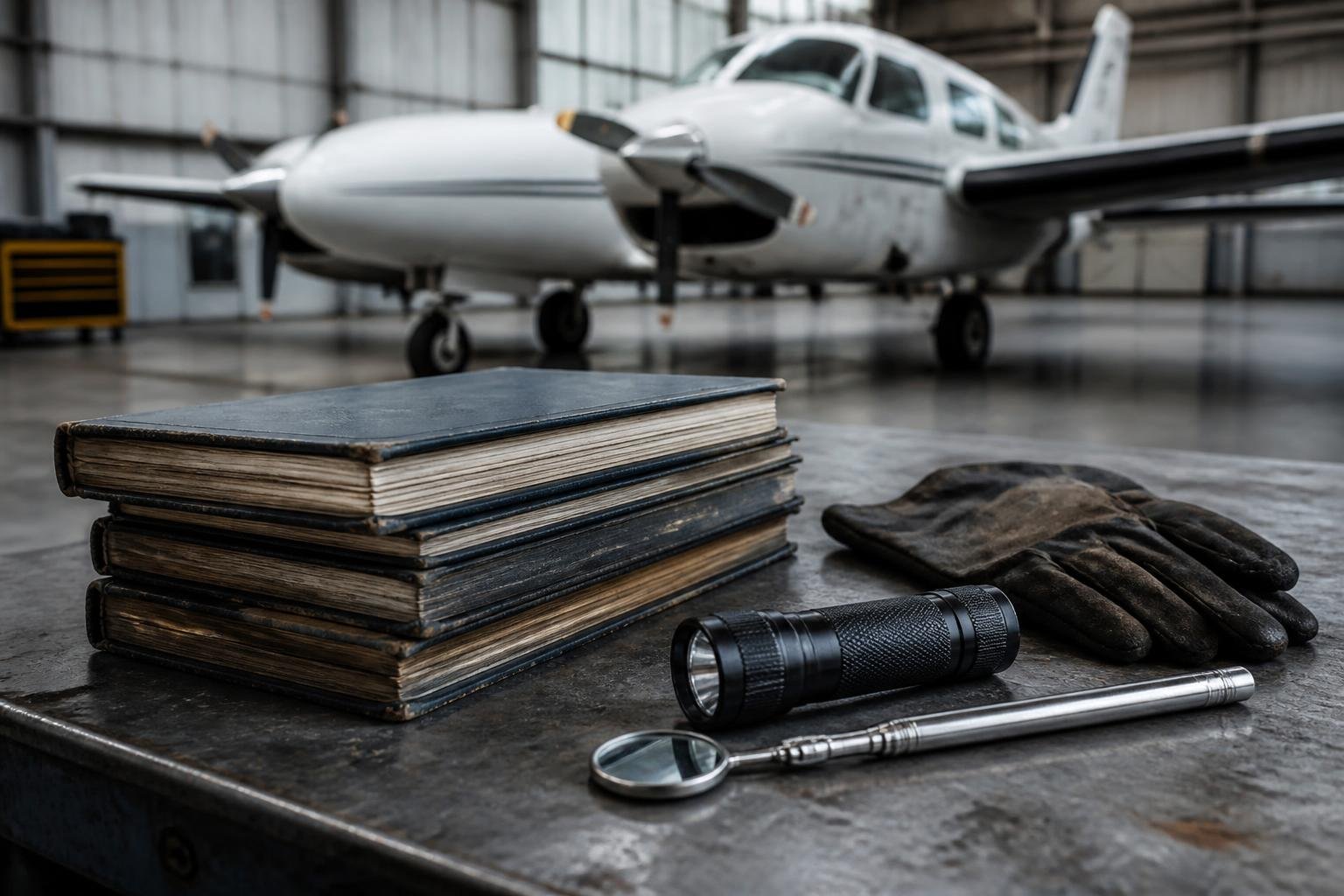
Many older piston singles offer a lower acquisition entry point than comparable light twins, but asking price is only one component of the commitment. A single with a tired engine, ageing avionics and incomplete records can require substantial spending shortly after closing. Conversely, a carefully maintained twin with useful engine time remaining and credible records may be more rational than a lower-priced example carrying major near-term liabilities.
For twins, engine times require particular attention. Buyers need to understand the time since major overhaul, calendar age, overhaul basis, operational history and the realistic cost of two future engine events. Propellers need the same treatment. Remaining time is not cash in the bank: condition, corrosion, usage pattern and maintenance findings can change timing considerably. A reserve plan should recognise that both engines and both propellers create exposure, even when their overhaul dates do not coincide.
Pricing variables can be pronounced on more complex twins. Pressurisation, known-ice or other de-ice equipment, turbocharging, corrosion history, landing-gear condition and avionics supportability can all shift the total ownership equation. A desirable equipment list is valuable only if the equipment is installed, documented, functional and supportable. Deferred defects often cost more to correct when access requires significant labour or specialised type knowledge.
Keep four figures separate: the advertised asking price, a completed auction result, an independent appraisal opinion and the all-in acquisition budget. None automatically substitutes for another. The all-in budget should include escrow or transaction costs where applicable, taxes, delivery or repositioning, initial training, insurance deposits, a thorough pre-buy inspection and an immediate rectification allowance. Records quality deserves financial weight because it affects both risk assessment and eventual resale confidence.
Fixed Ownership Costs: Hangarage, Insurance, Training and Compliance
Hangarage is not always a simple single-versus-twin calculation. A twin generally has a larger footprint and may have wider wingspan or greater clearance needs, but local availability and pricing dominate. Confirm hangar dimensions, door clearance, towing arrangements, ramp access and winter protection before committing to an aircraft. Outdoor parking may be practical in some climates, yet it can increase exposure to weather and make preservation more demanding.
Insurance underwriting can distinguish sharply between a fixed-gear single, a retractable single and a light twin. Insurers commonly consider total time, time in type, retractable-gear experience, multi-engine time, instrument experience, recency, claims history, intended use and geographic operating environment. A newly rated multi-engine pilot may face a required checkout, dual instruction minimum or annual recurrent training requirement. Obtain realistic insurance indications before making an offer, rather than assuming a policy will be available on terms similar to a current single.
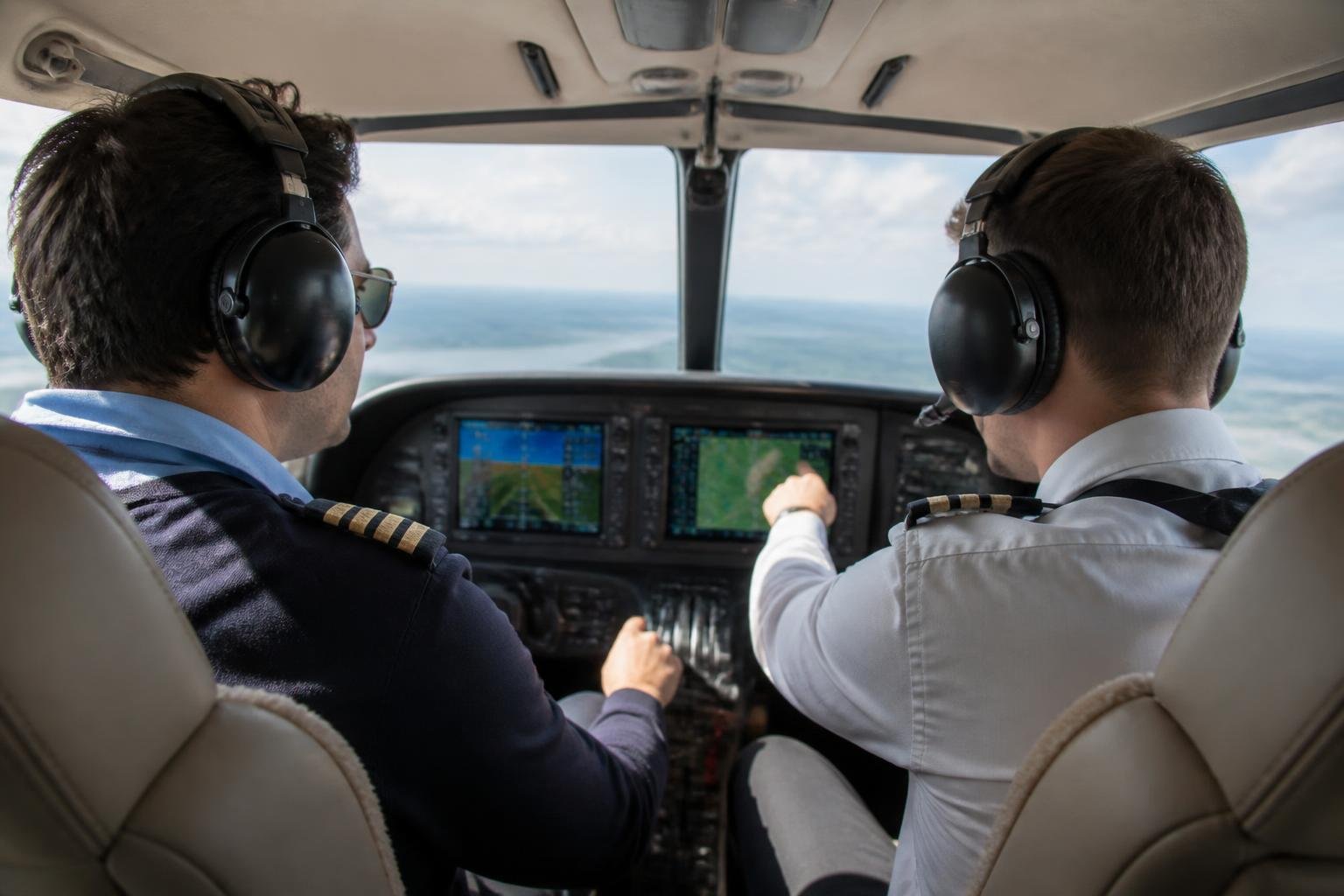
A multi-engine rating permits the relevant category and class privileges under the applicable rules, but ownership requires more than meeting the minimum certificate standard. Instrument proficiency, recurrent engine-out practice and type-specific familiarisation matter. Training should cover normal systems operation as well as asymmetric flight, Vmc awareness, configuration management and emergency decision-making. Complex aircraft demand a consistent cockpit routine, particularly when workload rises during weather, night operations or abnormal events.
Annual inspection requirements, airworthiness-directive compliance, registration obligations and local operating rules apply according to jurisdiction and aircraft status. A partnership can spread fixed costs but should have clear rules for scheduling, damage reporting, maintenance approvals, reserve contributions and training standards. Managed ownership can reduce administrative workload, but it does not remove the owner’s need to understand maintenance decisions and financial commitments.
Variable Operating Cost: Fuel, Engines and Maintenance Reserves
Fuel burn is often the most visible difference in a single vs twin engine aircraft comparison. At broadly comparable personal-transport speeds, a light twin will commonly consume more fuel because it has two engines and often more drag and weight. The precise difference depends on power setting, altitude, mixture technique, aircraft condition, engine configuration and mission profile. Compare fuel use at a stated cruise condition, then calculate the trip with taxi, climb, reserve and realistic routing included.
Good engine-monitor data and informed mixture management can support efficient operation, but they do not make unlike aircraft directly comparable. Operators should understand their engine manufacturer’s guidance, monitor cylinder-head and exhaust-gas trends, and use data to investigate changes rather than merely chasing a fuel-flow target. Operational technique has a meaningful influence on fuel consumption and engine health, particularly in turbocharged or tightly cowled installations.
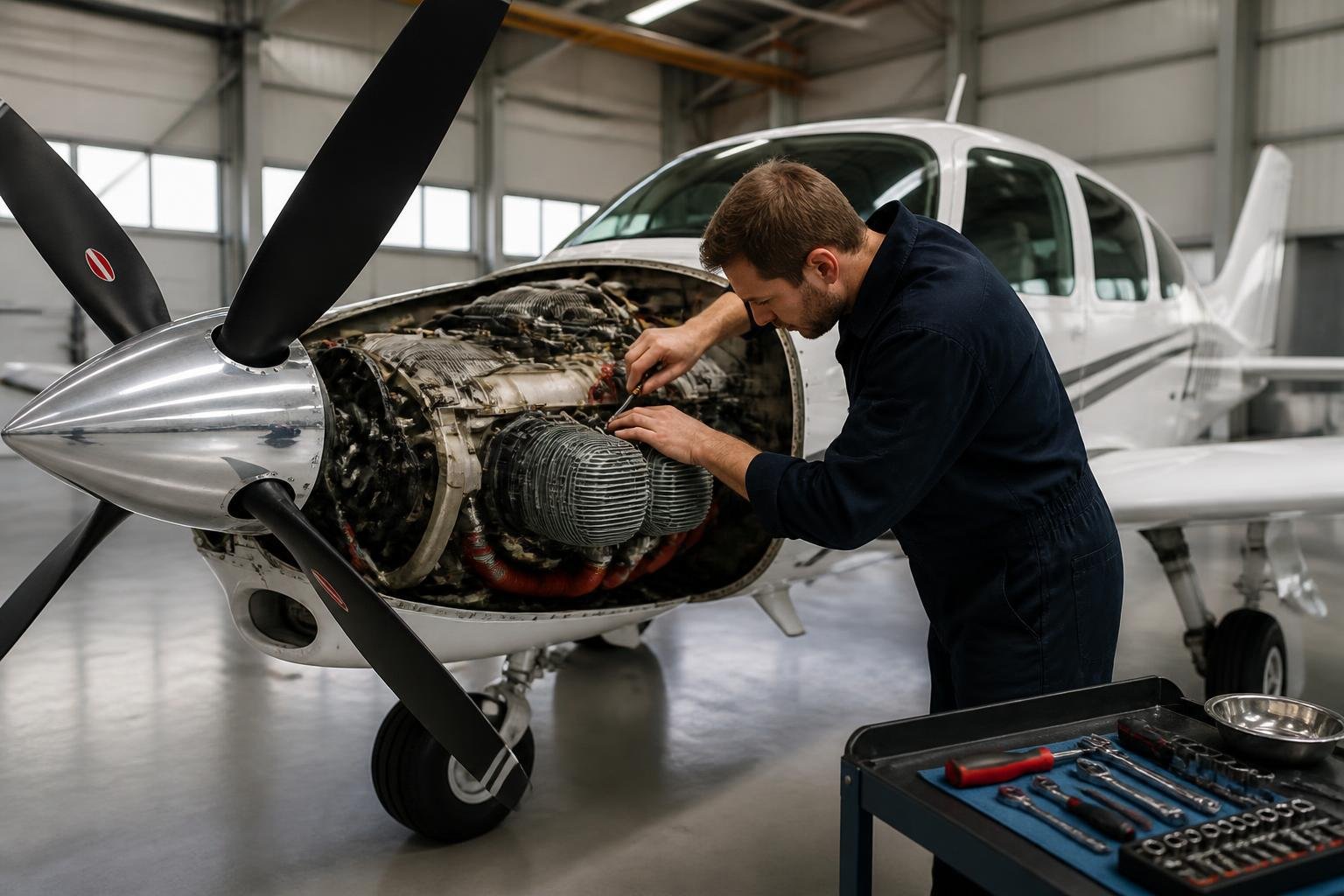
Twins require planning for two engine reserves and usually two propeller reserves. They also double exposure to cylinders, magnetos, exhaust systems, induction components, vacuum or electrical accessories where fitted, hoses and engine-driven equipment. A twin does not necessarily incur exactly twice every maintenance cost, but the additional powerplant and associated systems materially expand the potential work scope.
Retractable landing gear, cowl flaps, fuel selectors and crossfeed arrangements add their own inspection and repair considerations. Maintenance reserves should include predictable work and an unscheduled-maintenance contingency. Cost per flight hour is useful for comparing alternatives, but a low-utilisation owner must also budget for calendar-driven inspections, ageing components and unexpected defects. Model-specific maintenance records are more reliable than generic hourly estimates when evaluating a particular candidate.
Performance and Payload: Where a Light Twin Can Earn Its Cost
A light twin can earn its added cost when it provides a genuine improvement in the mission: useful cruise speed over longer stages, adequate cabin space for regular passengers, a practical full-fuel payload, or the ability to operate at altitudes that improve weather avoidance and comfort. Some pressurised twins add an additional level of high-altitude utility, although pressurisation and environmental systems carry their own maintenance burden.
Performance claims need a weight-and-balance calculation, not a casual comparison of published maximum figures. Start with empty weight and useful load, add occupants, baggage, survival or business equipment, oil where relevant and planned fuel. Check centre-of-gravity limits for both departure and arrival. An aircraft with six seats is not necessarily a six-adult, full-fuel aircraft, and this is true of many singles as well as twins.
Density altitude changes the picture further. Hot, high or short-runway operations can reduce climb and accelerate decision-making demands. A twin’s all-engine climb may be strong, but its single-engine climb performance can be limited, especially at high density altitude and heavier weights. Evaluate the approved performance data for the specific model and configuration, and build margins appropriate to the airport, obstacle environment and pilot experience.
Oxygen-equipped or pressurised aircraft may make higher cruising levels more attractive for certain routes. That does not mean every trip should be flown high: climb time, winds, weather, oxygen requirements, passenger comfort and descent planning all matter. The value comes from a repeatable mission advantage, not the mere availability of a higher service ceiling.
Engine-Out Reality: Redundancy, Risk and Pilot Proficiency
A second engine provides redundancy, but it also introduces asymmetric thrust, additional systems and a demanding failure mode. A twin should not be assumed inherently safer for every pilot or every mission. The outcome after an engine failure depends on aircraft performance, altitude, weight, density altitude, pilot recognition, aircraft control, configuration and the decision to continue or land.
In many conventional-propeller twins, the critical-engine concept describes the engine whose failure can have the more adverse effect on directional control and performance. The exact aerodynamic factors and their practical importance depend on the aircraft. Pilots need type-specific understanding rather than a generic rule remembered from initial training. Vmc is not a target airspeed; it is a certification concept associated with maintaining directional control under defined conditions. Safe operation requires attention to published limitations, minimum control margins and configuration.
Single-engine climb rate and single-engine service ceiling deserve careful study before purchase. At some weights, temperatures or elevations, a twin may have little climb capability on one engine. If an engine fails shortly after take-off, the immediate priorities are control, appropriate configuration, identification and verification, and then securing or feathering the failed engine when conditions permit. In some circumstances, a controlled landing ahead or near the departure path is safer than attempting to continue.
Regular multi-engine proficiency is therefore an ownership requirement, not a one-time qualification. Recurrent training should include engine-out recognition, instrument procedures, missed approaches, go-around decisions, feathering practice where appropriate and disciplined checklist use. A capable single flown within its limitations by a current pilot can be a more sensible risk-management choice than a complex twin flown infrequently.
Mission Fit: Trips, Passengers, Airports and Weather
For local flying, training, short regional trips and routine two-to-four-person travel, a piston single often offers the most efficient ownership proposition. A fixed-gear or modest retractable single may also be better suited to short, rough or remote runways than a heavier twin with more vulnerable systems. The right answer depends on published limitations, surface condition and the owner’s operating discipline, not a blanket category rule.
Family travel requires an honest payload exercise. Consider each passenger, bags, fuel needed for the route and legal reserves, then determine whether the aircraft remains within weight and centre-of-gravity limits. A large single may meet this mission more effectively than a smaller twin. A cabin twin may be justified where four to six occupants and meaningful baggage are routine rather than occasional.
Business schedules can create pressure to dispatch in marginal conditions. Aircraft capability can help, but it cannot replace conservative weather decisions, alternate planning, pilot currency or appropriate equipment. Night and instrument operations increase the value of reliable avionics, an autopilot, electrical-system understanding and recurrent training. Ice protection deserves especially cautious treatment: installed equipment, certification basis, system condition and operating limitations must all be verified. No light aircraft should be treated as immune to icing risk.
Mountain, hot-and-high and overwater missions deserve dedicated planning. Terrain, escape routes, winds, temperature, survival equipment and the likely consequences of a power loss are more important than a simplistic engine-count conclusion. Review the annual mission mix. If the demanding trip happens twice a year, it may be cheaper and safer to use another transport option for those occasions than to own a twin primarily for rare edge cases.
Systems, Avionics and Cabin Practicality
Installed avionics can determine both utility and near-term capital expenditure. Verify not only the panel list but also functionality, database arrangements, interface quality, autopilot performance and supportability of each major component. An autopilot with suitable modes can reduce single-pilot workload on longer IFR trips, but it requires proper maintenance, pilot understanding and pre-flight checks. An impressive-looking panel with unresolved faults should be priced as a project, not as a finished upgrade.
Twins may offer more electrical redundancy, such as dual alternator architecture, yet that benefit depends on the system design, maintenance condition and pilot knowledge. More equipment also means more circuit protection, switches, relays and failure modes to understand. Cabin heaters, ventilation, air conditioning and pressurisation can improve comfort, but they should be evaluated as maintainable systems rather than assumed conveniences.
Cabin access, seat layout, baggage loading and passenger comfort influence whether an aircraft will actually be used for the intended trips. Compare door placement, club seating where fitted, baggage compartment access and the ease of entering rear seats. For any aircraft, distinguish between an equipment list and installed-and-operational verification. A pre-buy evaluation should confirm what works, what is deferred and what documentation supports the installation.
Pre-Buy Inspection Priorities for Singles and Twins
Select an independent inspector with meaningful experience in the exact type or a closely related family. The inspector should be engaged by the buyer, with a defined scope that includes records review, physical inspection and a written findings process. A pre-buy inspection is buyer due diligence; it is not the same as an annual inspection, appraisal or a guarantee of future airworthiness.
Review complete airframe, engine, propeller and avionics records. Look for continuity, recurring defects, major repairs, overhaul documentation, damage history where recorded, compliance with applicable airworthiness directives and the status of recurring inspections. On twins, give particular attention to both engines, both propellers, engine nacelles, fuel systems, landing gear and crossfeed operation. On singles, examine the systems and structural areas most relevant to that model rather than assuming a simpler aircraft needs less scrutiny.
- Inspect corrosion-prone structures, exhaust systems, fuel-system components and landing-gear areas.
- Interpret compression results alongside borescope images, oil-filter findings, engine-monitor trends and operating history.
- Request engine-monitor downloads and oil-analysis history when available, while recognising neither replaces physical inspection.
- Confirm parts availability and specialist maintenance support near the intended home base.
- Agree test-flight scope, defect thresholds and post-inspection negotiation boundaries before money changes hands.
The inspection may identify a reason to withdraw, renegotiate or create a defined rectification plan. Do not let sunk time or emotional attachment weaken the agreed standard. A disciplined buyer preserves options until the aircraft, records and financial exposure support a confident decision.
Comparing Common Buyer Profiles and Aircraft Categories
A first-time owner-pilot often benefits from a straightforward fixed-gear single or a well-supported retractable single with manageable systems. The objective is not to avoid capability forever; it is to build ownership experience without making every trip and maintenance event more complex than necessary.
An experienced IFR traveller may reasonably compare a high-performance single with a cabin twin. The important questions are actual payload, route length, weather pattern, desired altitude, dispatch tolerance and annual hours. A twin’s additional speed or cabin capacity may justify its costs for a frequent business mission, while a single may deliver nearly the same practical result with lower annual exposure.
For a four-to-six-seat family mission, start with payload rather than the number of seats stamped on the cabin placard. Owners seeking commercial-style dispatch reliability should also budget for backup transportation, because maintenance can ground any aircraft. Owner-flown and professionally managed operations have different cost structures and decision processes. Use examples such as a Cessna 206, PA-32, Bonanza, Seneca, Baron or Cessna 310 as starting points for research, not as category-wide cost assumptions.
A Practical Decision Framework Before You Buy
Build a mission sheet before reviewing listings. Record annual hours, typical stage length, normal and maximum passenger count, baggage requirement, planned fuel reserve, operating airports, weather exposure and expected instrument use. Then calculate payload for the trips that matter most, not only for an idealised average flight.
Set a maximum all-in annual budget that includes fuel, hangarage, insurance, training, scheduled maintenance, engine and propeller reserves, avionics allowances and an unscheduled-maintenance contingency. Test insurance eligibility early. Confirm that the home airport can accommodate the aircraft and that qualified maintenance support is realistically available. These checks can remove unsuitable categories before time is spent on individual candidates.
Use current aircraft listings as documentation-led comparison opportunities. Compare equipment, times, records, known defects and maintenance status consistently, but avoid treating one listing’s price or current bid as a universal market value. Shortlist aircraft that meet the mission and budget, then commission an independent pre-buy inspection and a model-specific operating-cost review. The best purchase is the aircraft whose capability, condition and ownership demands remain sensible after the excitement of acquisition has passed.

Comments
No comments yet
Be the first to share your thoughts!