
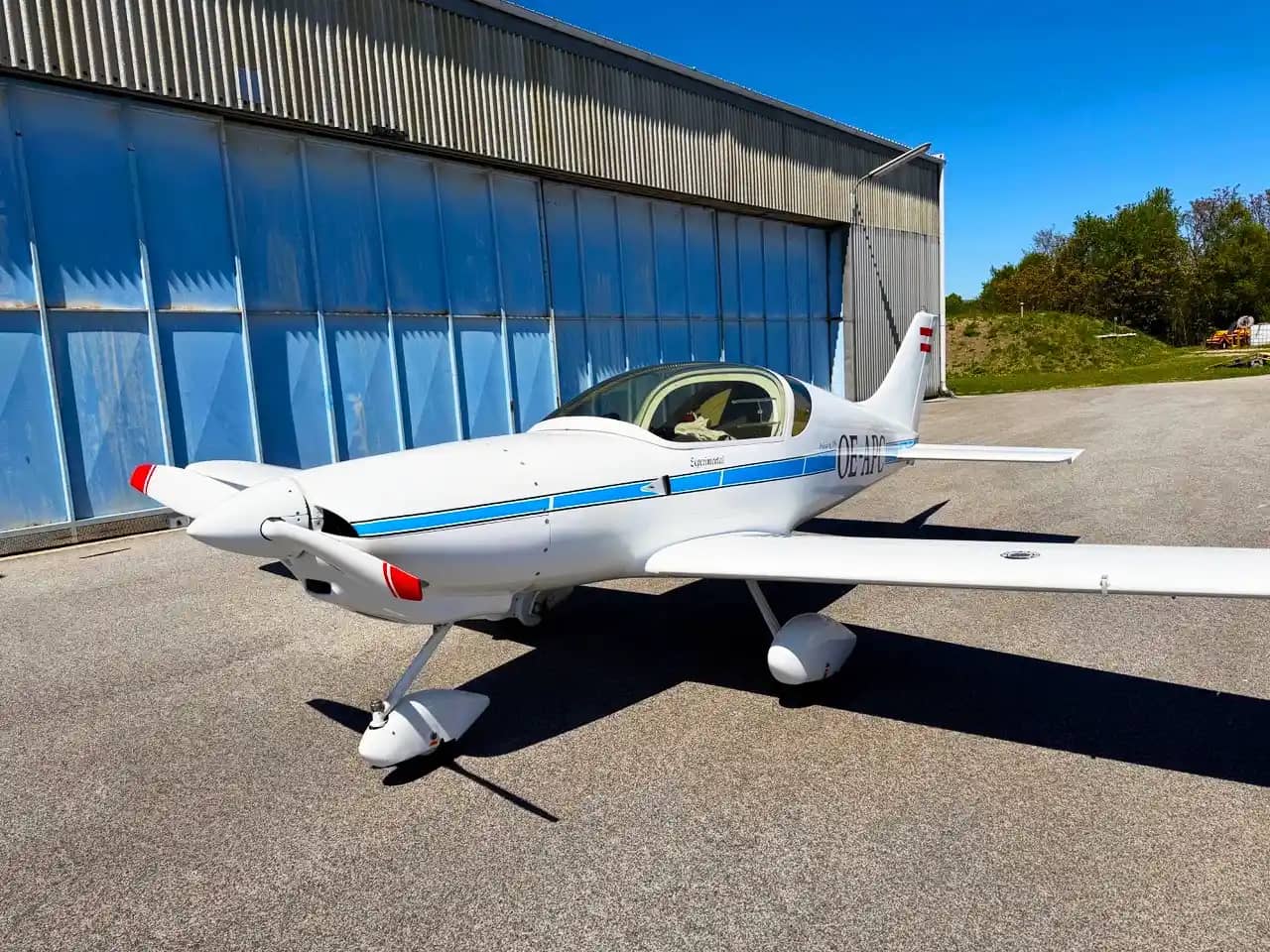
 Bad Vöslau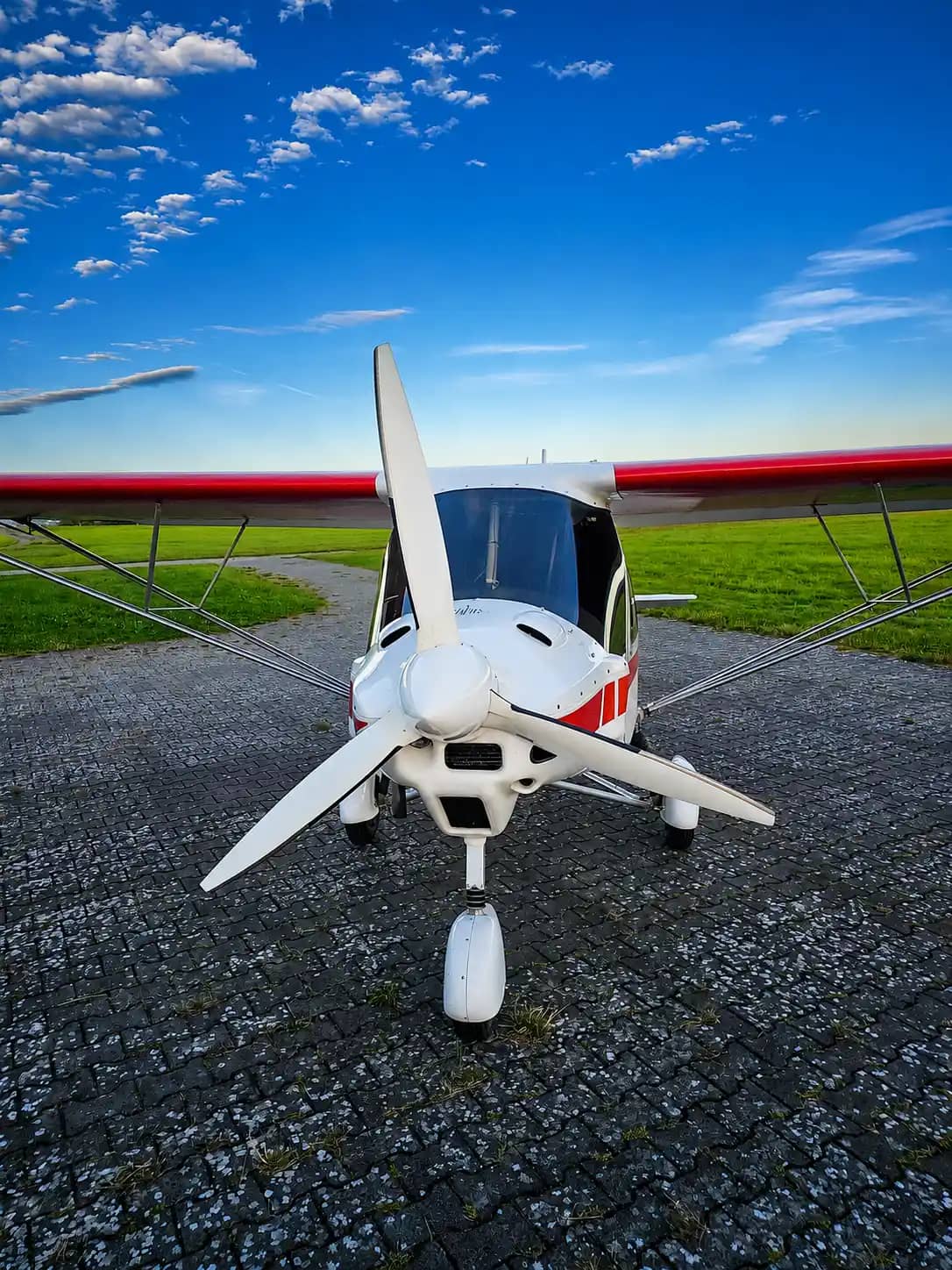
 Kirn
Kirn
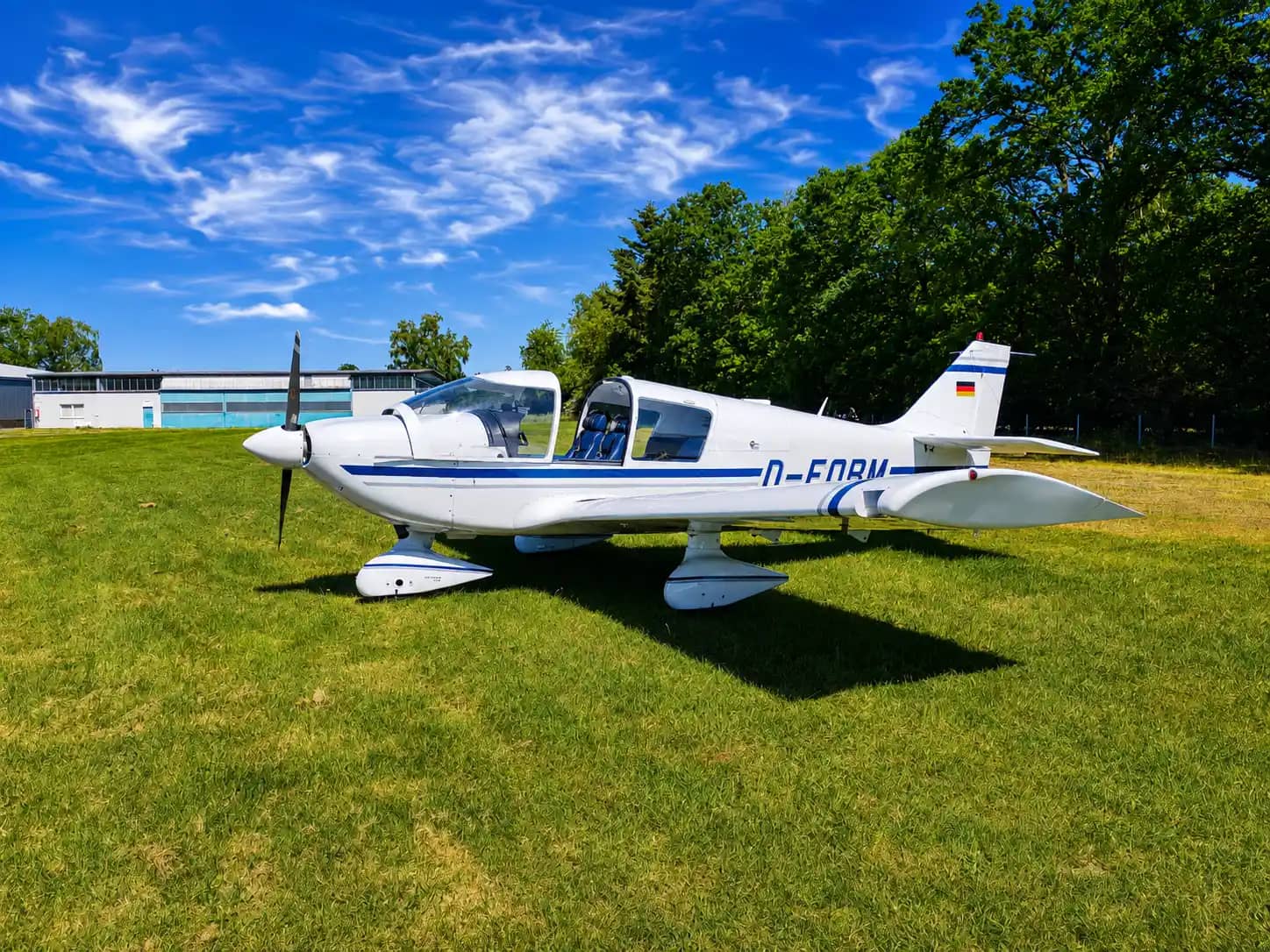
 Florida

Robin DR300 vs DR400: the buyer’s decision in brief

The Robin DR300 vs DR400 decision is less about choosing a universally “better” aircraft than identifying the individual airframe and variant that best suits the intended mission. The DR300 is an earlier Robin family, while the DR400 developed into a later and broader family with numerous sub-variants, engine installations and equipment standards. Both are admired for low-wing touring practicality, lively handling, broad forward visibility and the unmistakable cranked-wing silhouette inherited from the Jodel tradition.
For a buyer, the useful comparison begins with the exact designation, engine, propeller, approved weight limits, equipment list and maintenance history. A well-kept DR300 with coherent records, dry storage and a sound structural inspection can be a more sensible purchase than a superficially attractive DR400 with uncertain repair history or a large engine reserve approaching. This is particularly true because these are older aircraft with wood-and-fabric structural elements: condition, preservation and repair quality can matter more than the badge on the fin.
| Buyer priority | What to compare |
|---|---|
| Mission | Seats actually needed, sector length, runway surface, baggage and typical loading |
| Performance | Exact engine and propeller, approved performance data and useful load |
| Condition | Wood, fabric, glue joints, fittings, moisture exposure and repair documentation |
| Ownership support | Local specialist maintenance capability, parts pathways and suitable hangarage |
Start with mission requirements, then use type documentation and an independent inspection to identify the right aircraft. Neither family label replaces due diligence on the particular example being offered.
How the DR300 and DR400 families are related
Robin aircraft emerged from a French light-aircraft tradition strongly influenced by the Jodel designs associated with Édouard Joly and Jean Delemontez. The familiar low-wing layout and bent, or cranked, wing reflect that lineage. In broad terms, the DR300 family represents an earlier step in the Robin range, while the DR400 family became the better-known later development and was produced across a longer period in a wider assortment of versions.
That relationship explains why the aircraft can appear closely related at first glance. They share core design concepts and often serve similar private, club and touring roles. Yet a family relationship does not mean interchangeable specifications. Across the DR300 and DR400 lines, buyers may encounter differences in engine rating, maximum authorised mass, propeller arrangement, cabin appointments, avionics, fuel installation and approved equipment. Production-era changes and national registration histories add another layer of variation.
The DR400 designation itself covers a substantial range of aircraft. It should therefore never be used as shorthand for a single payload, cruise speed or performance level. A DR400 fitted with one engine and propeller combination may have a materially different practical loading envelope from another DR400 carrying the same family name. The same caution applies when comparing a DR300 against a DR400.
Before drawing conclusions, confirm the full model designation from the aircraft’s records, its certificate or registration documentation, flight manual and applicable type documentation. Match the serial number to the paperwork, identify installed equipment and check that the weight-and-balance report reflects the aircraft as it stands today. This disciplined approach prevents a buyer from paying for assumed capability that the individual aircraft does not have.
Airframe design, construction and corrosion considerations
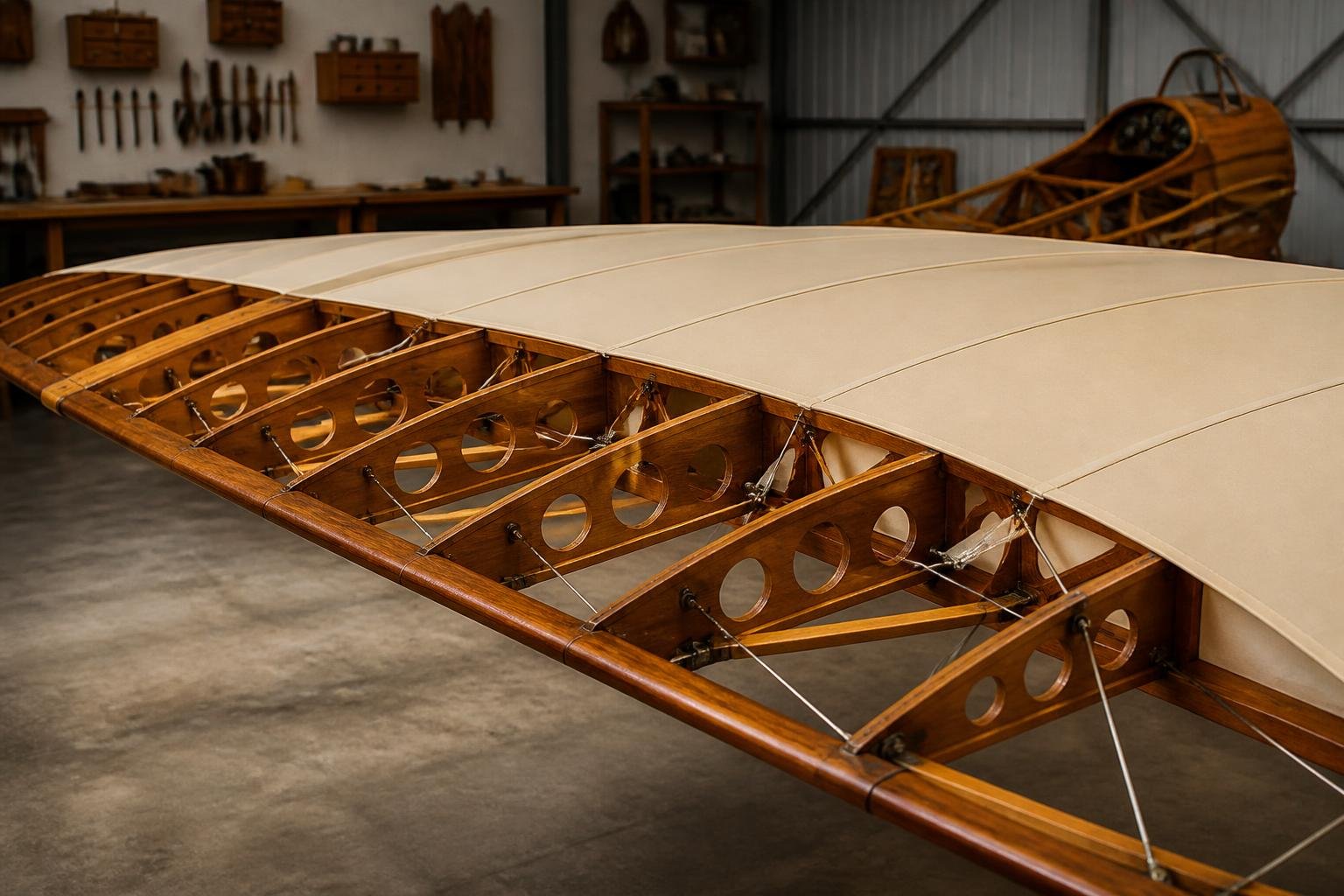
Robin DR300 and DR400 aircraft are not simply “wooden aeroplanes,” but wood is central to their construction. Depending on the model and component, a buyer may encounter wooden wing and structural elements, fabric-covered areas and metal components such as fittings, hardware, landing gear parts and engine installation items. Each material brings a different inspection requirement. The strength of the ownership proposition is the light, proven Jodel-derived structure; the responsibility is preserving it correctly.
The cranked wing is more than a styling feature. Its geometry contributes to the aircraft’s distinctive appearance and can offer practical clearance around the wing roots and propeller area. It also affects the way the aircraft looks and feels on the ground and in flight. Buyers should resist making performance assumptions from shape alone, however; approved data for the exact variant remains the relevant source for operational planning.
Moisture management is a major value factor. Long-term dry hangarage, sensible ventilation, sound drainage and prompt attention to damaged paint, fabric or seals are meaningful indicators of good stewardship. Conversely, prolonged exposure, poor storage or unrecorded structural work can turn an apparently inexpensive aircraft into a complex project. Metal fittings and concealed areas also deserve attention for corrosion, especially where moisture may be retained or where dissimilar materials meet.
- Inspect timber condition, accessible glue lines and evidence of delamination, staining or softening.
- Review fabric condition, finish integrity and the history of recovering or repairs.
- Check drainage paths, inspection openings, attachment fittings and fasteners.
- Trace any visible repair to approved documentation and an identifiable repairer.
- Look beyond fresh paint and tidy upholstery; cosmetic presentation does not prove structural health.
A specialist familiar with wooden Robin or Jodel-derived airframes should determine the appropriate inspection scope. The aim is not merely to find defects, but to establish whether the aircraft’s preservation history supports confident long-term ownership.
Variants and engines: compare the exact aircraft, not only DR300 or DR400
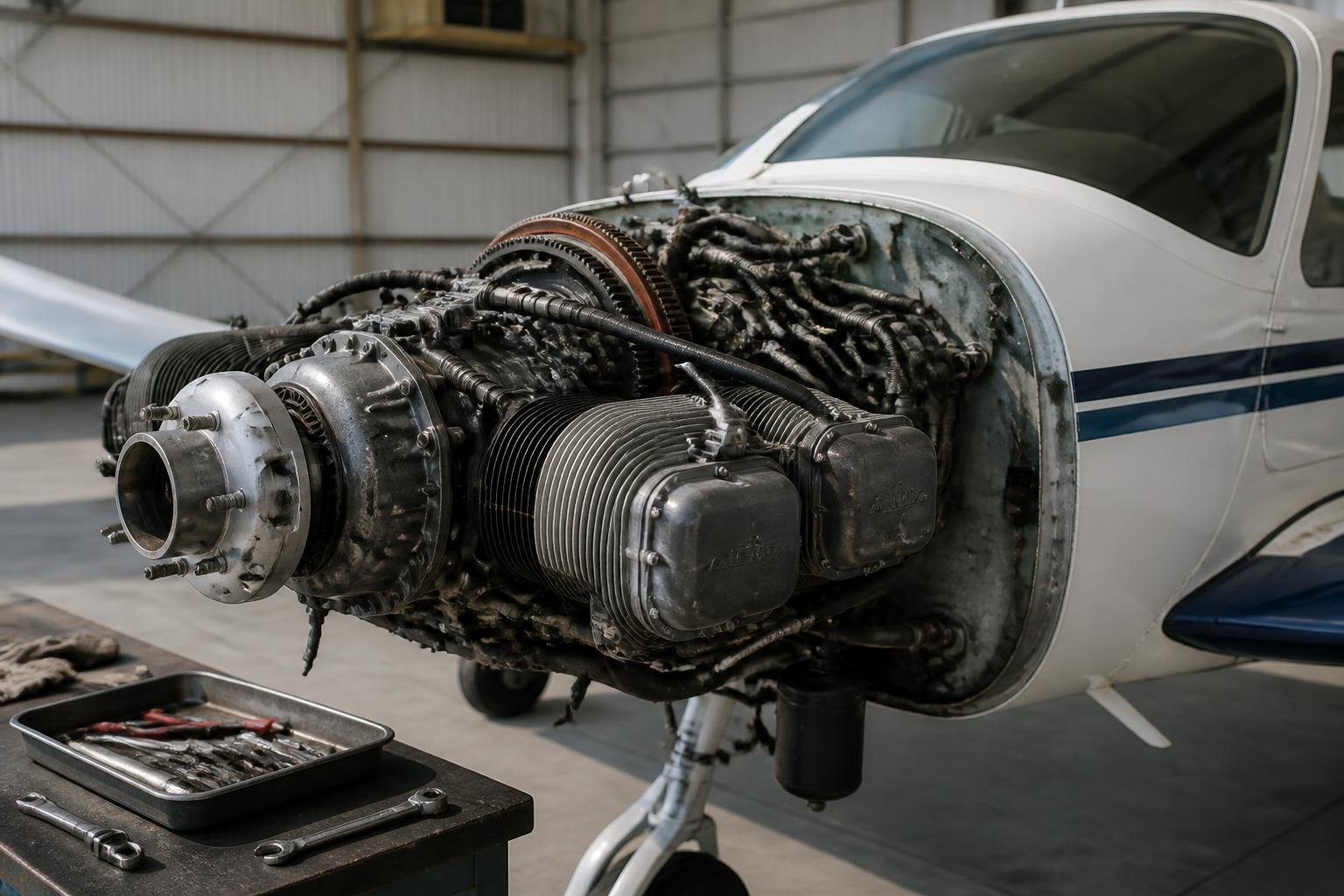
Engine installation is among the most consequential differences in a Robin DR300 vs DR400 comparison. Examples exist with different Lycoming and Continental piston-engine families and power ratings, as well as variation driven by production period and national approvals. Rather than relying on a generic model description, obtain the flight manual or approved performance material applicable to the exact designation and installation.
Power affects more than headline cruise speed. It can influence take-off distance, climb rate, hot-and-high margin, practical short-field capability and the load an owner can carry without compromising planning margins. Fuel burn may also change with engine, propeller, power setting and airframe condition. A more powerful installation is not automatically the right answer if the buyer mainly operates lightly loaded local flights from long paved runways; equally, it may be valuable for a group routinely using grass strips with passengers and baggage.
Four seats are not the same as four adults, full fuel and unrestricted baggage. The actual payload available depends on the aircraft’s approved maximum mass, empty weight, installed avionics, interior equipment, fuel quantity and centre-of-gravity envelope. Ask for the current, dated weight-and-balance data and calculate representative trips, including occupants, baggage, oil and realistic fuel reserves.
Some aircraft may have fixed-pitch propellers, while others may use variable-pitch arrangements where approved. This can affect take-off and cruise compromises, operating technique, maintenance planning and acquisition cost. Confirm the propeller model, logbook history, calendar or hour-based requirements and any applicable overhaul status.
Also examine manuals and records for approved modifications. Engine, propeller, fuel, avionics and airframe changes must be supported by the relevant approval path and reflected in the aircraft documentation. National certification and continuing-airworthiness records may differ by jurisdiction, so do not assume a modification accepted in one registry will be straightforward elsewhere.
Cabin, seating and real-world touring mission
The DR300 and DR400 families can both make engaging private touring aircraft, but cabin experience varies significantly among individual examples. Later DR400 aircraft are often associated with a more developed touring role, yet this should be tested in person rather than assumed. Seat design, cabin trim, canopy condition, ventilation, noise insulation and panel layout can make two otherwise similar aircraft feel notably different on a two-hour sector.
Front-seat comfort is usually the first practical consideration, followed by rear-seat access and the space available once passengers are seated. Prospective owners should sit in the actual aircraft with the people likely to fly in it. Check legroom, shoulder room, seat adjustment, harness condition, canopy clearance and the ease of entering and leaving on the ramp. Rear seats may be entirely adequate for children, lighter adults or shorter flights while being less suitable for regular full-size adult touring.
Baggage capability must be considered alongside passenger weight and fuel. Examine published loading limits, baggage-area restrictions and the centre-of-gravity schedule. A spacious-looking cabin does not remove the need for a proper load calculation. The planned departure weight and CG must remain within the approved envelope throughout the flight, including after fuel burn where applicable.
These aircraft commonly appeal to flying groups, private owner-pilots and clubs because they can combine local recreation, training activity and cross-country use. Their low-wing configuration, wide outward view and responsive controls are part of that appeal. A buyer based on a short grass strip should assess propeller clearance, ground conditions and loading margins with special care. A buyer focused on regular touring should prioritise seats, baggage, fuel planning, weather capability through installed equipment and the comfort of the actual cabin.
Performance and handling characteristics buyers should compare

Published performance figures are useful only when tied to a specific variant, propeller, weight and operating condition. They are reference points for comparison, not promises for every DR300 or DR400 in the fleet. Engine condition, rigging, surface finish, wheel fairings, installed equipment, density altitude, runway surface and loading can all alter real-world results.
When reviewing an aircraft, compare the approved cruise and range information for the exact installation, then make a conservative fuel plan based on the way it will actually be operated. A lightly loaded aircraft flown at an economical power setting may offer a different practical trip profile from a fully occupied example flown at a higher cruise setting. Fuel capacity alone is not range; payload, reserves, weather, routing and engine-management practice all matter.
Both families are valued for responsive control feel and good external visibility. Pilots transitioning from heavier touring aircraft or trainers with different handling qualities should take type-appropriate familiarisation seriously. The goal is not to portray the aircraft as difficult, but to understand its approach speeds, landing technique, crosswind behaviour, flap use, go-around characteristics and ground handling in accordance with the applicable manual and instructor guidance.
- Compare take-off and landing data at the expected operating mass, not at an optimistic light weight.
- Consider grass, wet ground, slope, obstacles and surface roughness when assessing strip suitability.
- Allow for density altitude and temperature, particularly on summer touring flights.
- Evaluate crosswind limits as operational judgement and approved guidance, not just a single number.
- Use a suitably qualified pilot or instructor for a flight evaluation where legal, insured and appropriate.
A documented, carefully flown aircraft that meets a realistic mission is more valuable than a nominally faster variant whose loading or operating margins do not fit the buyer’s home airfield and typical trips.
Avionics, equipment and modifications
Avionics variation is wide across older Robin aircraft. One example may retain a simple analogue panel suitable for local VFR operations, while another may have updated communications, navigation, transponder or electronic flight-display equipment. Neither configuration is inherently preferable; the correct choice depends on intended airspace, route structure, training requirements and budget for future compliance.
Buyers should identify the installed radio, transponder and navigation equipment, then check whether it supports their planned operations and applicable local requirements. Equipment that works today may still have limited value if it cannot meet the needs of controlled-airspace access, regional surveillance requirements or the owner’s preferred navigation method. A panel upgrade should be evaluated for installation quality, documentation, usability and impact on empty weight.
Documented upgrades are generally easier to assess than undocumented installations. Review maintenance releases, equipment approvals, wiring information, revised electrical load data where relevant and the current weight-and-balance report. An attractive panel without paperwork can create unnecessary complexity at annual inspection, during resale or when moving the aircraft between jurisdictions.
Look beyond avionics. The canopy, seals, heating, cabin ventilation, interior trim, external lighting and landing-light arrangement have a substantial effect on everyday usability. A cloudy or damaged canopy can affect visibility and comfort; poor ventilation can make summer flights unpleasant; tired seals can allow water into places where it does not belong. Treat these as condition items to cost, not merely cosmetic details.
Maintenance, parts and specialist support
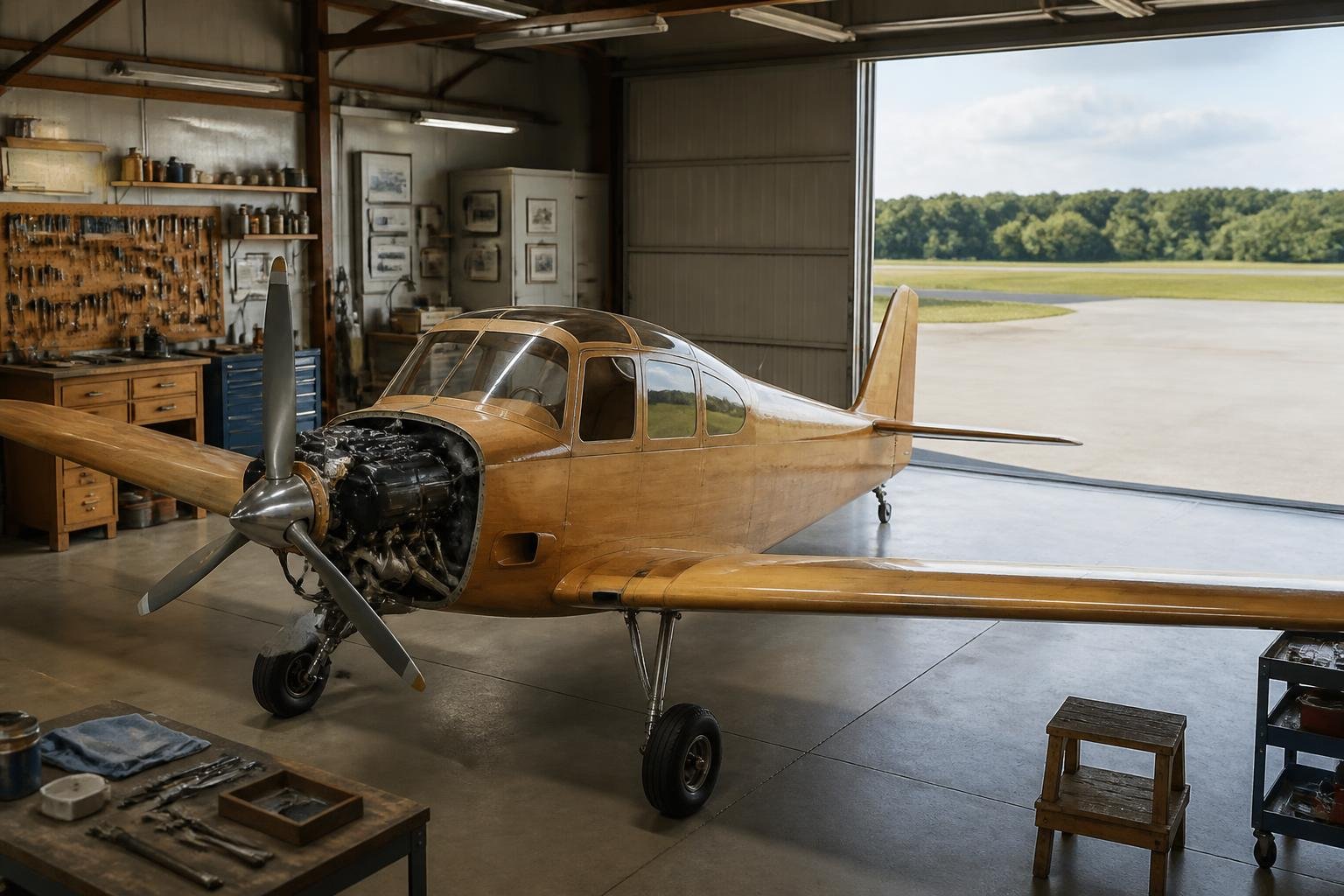
Ownership works best when the buyer has access to maintenance personnel who understand wooden Robin and Jodel-derived structures. A competent piston-engine maintenance organisation may be excellent for engine and routine systems work, but structural assessment and repair of wood-and-fabric aircraft require relevant experience, approved methods and sound judgement. Confirm this support before purchase, particularly if the aircraft will be based far from established specialists.
Engine and propeller maintenance are separate from airframe condition. Logbook evidence of regular engine servicing, oil analysis or operating trend data where available, cylinder work and overhaul history can be useful, but it does not answer questions about the timber structure. Likewise, a recently recovered fabric area does not establish the condition of every concealed wooden component. The pre-purchase review should address each system independently.
Parts support can involve manufacturer channels, approved repair facilities, specialist suppliers and owner-club knowledge. Availability is not a simple yes-or-no question: routine consumables may be straightforward while a particular canopy, wood component, fitting or interior item may take more planning. Before committing, ask a local specialist how they would approach foreseeable repairs and what documentation is needed for replacement parts or structural work.
Hangarage is an operating requirement, not a luxury line item, for many wooden-aircraft owners. A dry, ventilated hangar helps control moisture exposure and protects fabric, canopy and interior from weathering. Budget for inspections and rectification, engine and propeller reserves, insurance, storage, fuel, navigation equipment maintenance and unplanned findings. Continuing-airworthiness responsibilities, maintenance release processes and registration rules are jurisdiction-specific; obtain advice applicable to the registry and country of operation.
Pre-purchase inspection checklist for a Robin DR300 or DR400
A pre-purchase inspection should be independent of the seller and carried out by a suitably experienced Robin or wooden-aircraft specialist. It is not the same as an annual inspection, an appraisal or a review of listing photographs. Its purpose is to identify condition, documentation gaps, foreseeable rectification and suitability for the buyer’s intended operation.
| Area | Questions for the inspection |
|---|---|
| Wood and fabric | Are timber, bonding, fabric and repairs in acceptable documented condition? Is there evidence of moisture-related concern? |
| Hardware and controls | What is the condition of fittings, fasteners, control runs, hinges, landing gear and brakes? |
| Engine and propeller | Are logbooks continuous? What do overhaul history, operating trends, leaks and calendar exposure indicate? |
| Fuel and canopy | Are tanks, lines, drains, seals, canopy transparency and latching satisfactory? |
| Records | Are weight-and-balance records, damage history, maintenance releases and modification approvals coherent? |
Ask the inspector to distinguish immediate airworthiness or legal concerns from items that are serviceable but likely to require expenditure. The report should also identify work that cannot be confirmed without further access or disassembly. A clean visual walk-around is not enough for an older wood-and-fabric aircraft.
Any ground run and flight evaluation should take place only under appropriate legal, insurance and operational arrangements. It should not substitute for a structural or documentation review. If an aircraft cannot be evaluated in the usual way, that is a due-diligence issue to understand and price rather than a reason to make assumptions.
Price, condition and ownership-cost comparisons
It is tempting to compare Robin aircraft through advertised figures alone, but asking prices, auction bids and completed-sale evidence are different signals. An asking price reflects a seller’s expectation; an auction bid is a point-in-time indication of interest and may not be the final sale price; a completed transaction can be useful context but still reflects a particular aircraft, location, timing and deal structure. None should be treated automatically as the value of every DR300 or DR400.
For older examples, principal price drivers are usually condition and evidence. Engine time and calendar status, propeller condition, avionics utility, paint and interior, dry-hangar history, logbook continuity, structural repairs and the quality of maintenance records can all move a buyer’s assessment substantially. A lower acquisition price may simply transfer expenditure into the first year of ownership.
Create an initial ownership budget that separates purchase price from exposure. Include independent inspection costs, travel, delivery or ferry arrangements, registration and tax obligations where applicable, insurance, hangarage, immediate maintenance findings and a realistic engine or propeller reserve. Add a contingency for airframe work until the specialist inspection has established the condition with confidence.
Compare candidates on documented capability rather than presentation. A glossy finish and recently refreshed cabin can be welcome, but they should not distract from an incomplete maintenance trail, an outdated weight-and-balance report or uncertainty around prior repairs. The best comparison is a written matrix of mission fit, records, structural findings, engine status, equipment, support and total anticipated ownership exposure.
Which Robin is the better choice for your mission?
A DR300 may suit a buyer who values a simpler, earlier Robin ownership experience and finds an individual example with strong preservation, sensible equipment and support nearby. A DR400 may suit a buyer seeking the wider selection offered by the later family, potentially more touring-oriented specifications and the opportunity to choose among more numerous sub-variants. Those are starting points, not conclusions.
For private owner-pilots, flying groups and club operators, the right aircraft is one that carries the usual people and equipment within approved limits, fits the home runway and airspace, and can be maintained properly in its intended location. A group should also consider utilisation rate, booking patterns, pilot checkout requirements and how the aircraft will be protected between flights.
Walk away, or at least pause for deeper investigation, when records are incomplete, structural concerns remain unresolved, realistic payload does not suit the mission or specialist support is weak. These are not minor negotiating points. They can determine whether the aircraft remains enjoyable and economically manageable after the purchase.
A disciplined shortlist process is straightforward: define the mission; identify the exact variant; obtain current weight-and-balance and maintenance records; calculate representative loads; commission an independent specialist inspection; and compare the full cost exposure rather than only the advertised price. In the Robin DR300 vs DR400 choice, that process will usually reveal that the best aircraft is the best-documented, best-preserved example that genuinely fits the way it will be flown.

Comments
No comments yet
Be the first to share your thoughts!