
 Bad Vöslau
 Kirn
Kirn
 Florida

Aircraft insurance before buying should be treated as a closing workstream, not an administrative task for after the funds move. A buyer needs evidence that suitable cover can be placed for the aircraft, owner, pilots and intended operation before accepting possession or making a first flight. The right policy will depend on the aircraft, transaction structure, pilot experience, location and use; it should be aligned with the purchase agreement, pre-buy findings and any lender or escrow requirements.
Why Aircraft Insurance Must Be Addressed Before Closing

Insurance is often a practical closing-readiness requirement. A lender may require a binder and specific endorsements before it releases funds, while an escrow arrangement may require confirmation of insurance before documents or money are released. Even in a cash purchase with no formal insurance requirement, taking title or possession without a clear insurance plan can leave the new owner carrying a substantial and avoidable exposure.
The critical period is not just the first personal flight. Risk can arise while the aircraft is being demonstrated, stored after closing, moved between hangars, maintained, repositioned or flown home by a ferry pilot. Purchase agreements can allocate risk of loss differently from the moment title transfers, the moment possession transfers, or a separately agreed delivery point. The insurance effective date and time should be coordinated with those provisions rather than assumed.
Legal requirements, lender requirements and prudent risk management are separate questions. Some jurisdictions impose minimum third-party liability insurance requirements for certain aircraft or operations. A lender can require higher limits, hull cover and named interests. A careful owner may decide that a still higher liability limit or broader hull protection is appropriate for the aircraft’s use and financial exposure. Meeting one requirement does not automatically satisfy the others.
Start with an aviation insurance specialist early enough to identify underwriting issues while the transaction can still be structured around them. A specialist can explain the information an underwriter needs, distinguish a preliminary indication from a quote that can be bound, and identify training or pilot restrictions before they become a closing-day surprise. Insurance is not a substitute for a pre-buy inspection, legal advice or technical records review, but it is an essential parallel discipline.
Define the Aircraft, Ownership Structure and Intended Mission

An insurer needs a precise picture of what is being insured. Give the broker the make, model, year, serial number where available, registration status, aircraft category, proposed hull value, base location and known equipment or modification details. A conventional fixed-gear piston aircraft, a retractable high-performance aircraft, a turbine aircraft, a tailwheel type and an experimental aircraft can present very different underwriting questions. Unusual, vintage, high-value or limited-production types may require more lead time.
Describe the intended mission accurately. Personal and family use, business transportation, rental, primary training, instruction, aerial work, leaseback and commercial carriage are not interchangeable uses. Do not assume that occasional cost sharing, club activity, managed operation or compensated instruction falls within a policy designed for private pleasure and business use. Explain the intended use before binding, then confirm the approved-use wording in the policy.
The legal owner must also be clear. An individual buyer, partnership, limited liability company, trust and corporation can each require different named-insured wording and supporting documentation. In a partnership, every pilot-owner and non-pilot owner should be disclosed as appropriate. A structure created for registration, estate planning or tax purposes should be discussed with the broker, lender and transaction advisers so the policy names the correct parties and does not leave an operating entity or beneficial owner outside the intended protection.
Base and storage details matter. Tell the insurer whether the aircraft will be hangared, tied down outdoors, kept in a shared hangar or temporarily based elsewhere. Give the home airport and any regular secondary locations. Planned flying territory should include cross-border trips, seasonal relocations, remote destinations and countries where local insurance or operating rules may apply. A policy territory that works for routine domestic flying may not automatically include an international delivery or future overseas trip.
- Identify the aircraft and proposed insured hull value accurately.
- State every intended use, including instruction, leaseback or rental if relevant.
- Confirm the proposed owner and operating entities.
- Provide hangar, tiedown and home-base information.
- Describe the normal operating territory and any anticipated cross-border flights.
Request Aircraft Insurance Quotes Early in the Transaction

Request aircraft insurance quotes as soon as the likely aircraft, buyer and mission are known. Straightforward risks can sometimes be placed quickly, but underwriting capacity, document collection and lender endorsement requests can take longer than expected. Allow additional time for a first-time owner, a new-to-type pilot, a high hull value, an unusual aircraft, a complex ownership structure or a transaction involving international delivery.
A broker will commonly ask for aircraft details, the purchase price or requested hull value, ownership information, base airport, intended uses, pilot résumés and claims history. Pilot information usually includes certificates, ratings, total flight time, time in type, recent experience, instrument experience where relevant, training history and any accidents, incidents, violations or insurance losses that the application requires to be disclosed. Provide complete and accurate information; omissions can affect the quote, coverage terms or a later claim.
Comparable quotations should be compared on more than premium. Review liability limits, passenger limits, hull value, deductibles, permitted uses, named-pilot requirements, open-pilot provisions, territorial scope, training conditions and endorsements. A lower premium can reflect a different limit, a larger deductible, tighter pilot restrictions or exclusions that matter to the proposed ownership plan.
The seller’s existing policy is not a reliable template for the buyer. The seller may have different qualifications, a different insurer, lower or higher limits, a different use, prior claims experience or a distinct ownership structure. Seller coverage may also end when title or possession changes. Ask for your own underwriting assessment rather than relying on an assumption that the aircraft is easily insurable on the same terms.
Distinguish an indicative price from a bindable quote. An early estimate is useful for budget planning, but it may be subject to full pilot review, aircraft information, inspection findings, underwriting approval and payment. Before closing, obtain confirmation of the terms actually available and understand what must happen to bind coverage.
Prepare the Pilot Qualifications Insurers Will Evaluate

Pilot qualifications often determine whether a policy can be issued on the desired terms. Insurers may evaluate pilot certificates, ratings, total time, time in type, recent flying experience and relevant training. Medical eligibility may be relevant to lawful operation, although exact requirements vary with the jurisdiction and type of flying. The buyer should ensure that submitted qualifications are current and that any planned pilot can meet both regulatory and policy requirements.
Experience beyond total time can be particularly important. Retractable-gear, high-performance, turbine, tailwheel and instrument operations commonly call for relevant background. A pilot with substantial experience in a simple trainer may still need formal transition training before acting as pilot in command of a complex aircraft. The underwriter may require a specified number of dual-instruction hours, a recognized course, supervised checkout or a mentor pilot period.
Read pilot warranty language carefully. A named-pilot policy may permit only identified individuals to fly. An open-pilot warranty can allow other pilots, but only if they meet stated minimum certificate, rating and experience requirements. Those terms should be tested against real ownership plans, including partners, family members, instructors, contract pilots and a ferry pilot. Never assume that a qualified instructor is automatically covered for every purpose or that a partner can fly simply because they are named in the ownership entity.
Training requirements should be practical as well as acceptable to the insurer. Confirm who will provide the training, where it will take place, whether the aircraft can be flown to training by the intended pilot, and whether a ferry or instructor must be named. Keep completion records and provide them promptly if the policy requires evidence. A training deadline is a condition to manage, not an informal recommendation.
Choose Liability Coverage That Fits the Ownership Risk
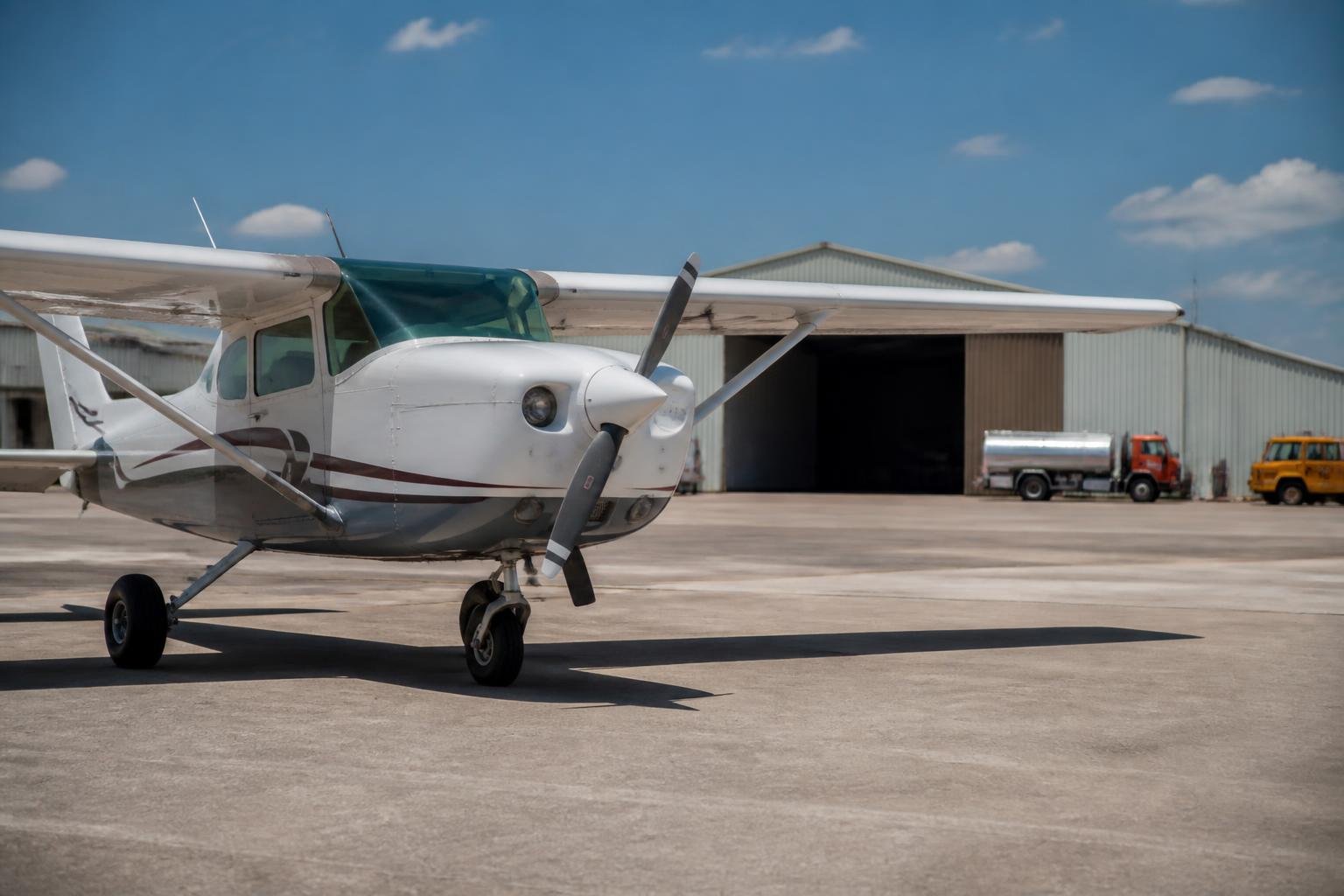
Aircraft liability insurance addresses legal liability for bodily injury and property damage arising from ownership, maintenance or use, subject to the policy terms. It can respond to exposures on the ramp as well as in flight: a propeller strike, hangar damage, fuel spill, collision with another aircraft or injury to a passenger can each create significant claims. The appropriate limit is a risk decision, not merely the smallest limit available.
Review both the per-occurrence limit and any passenger sublimit. A per-occurrence limit is the maximum available for a covered event, while a passenger sublimit can cap the amount applicable to each passenger. A “smooth” limit generally refers to a single total limit without a separate per-passenger cap, but terminology and policy wording should always be confirmed with the broker and insurer. The practical difference can be material for buyers who expect to carry family, colleagues or clients.
Consider the likely exposure created by the mission, passenger carriage, airport environment and operating territory. Business use, frequent passenger flights, higher-risk airfields, international operations and certain specialized uses may warrant closer attention. Jurisdiction-specific minimum insurance rules can exist, especially for particular commercial activities or cross-border operations, but statutory minimums are not necessarily an appropriate ownership limit.
Ask the broker to explain what is covered, who is protected and which parties are not. Liability cover is not a promise that every allegation will be paid, and exclusions, conditions and defense provisions matter. The buyer should make a reasoned selection after considering personal assets, business exposure, contractual commitments and professional legal or insurance advice where needed.
Set an Appropriate Hull Value and Understand Physical-Damage Cover
Hull cover addresses physical damage to the aircraft, subject to the policy’s valuation method, terms and exclusions. The most common buyer decision is selecting an insured value that is supportable by the transaction economics and the aircraft’s documented condition, equipment and market context. The purchase price is often a sensible starting point, but it may need adjustment for included spares, recent upgrades, deferred maintenance or a separately valued engine reserve.
Ask whether the policy uses agreed value, stated value or another valuation structure. Under an agreed-value arrangement, the agreed insured amount is generally central to the treatment of a covered total loss, subject to the policy wording. “Stated value” can mean different things in different policies and should not be assumed to guarantee payment of the declared number. Obtain a clear explanation in writing of how a total loss and partial loss will be adjusted.
Partial-loss terms are equally important. Repairs after a hangar incident, propeller event, gear-up landing or weather damage can involve questions about approved repair facilities, parts availability, betterment, salvage and deductibles. Review separate ground and in-motion deductibles, if any. A higher deductible can be sensible for a financially resilient owner, but it should be a deliberate retention rather than a detail discovered after a loss.
Recent avionics, engine work, propeller work and airframe restoration can affect both value and repair complexity. Give the insurer accurate details rather than relying on a generic model description. Overstating hull value may increase premium without improving the actual claims outcome; understating it can create a financial shortfall, complications in repair decisions or a mismatch with lender requirements. Insurance valuation does not replace a valuation review or a technical assessment of the aircraft.
| Question | Why it matters before binding |
|---|---|
| What valuation basis applies? | It informs how a total loss may be settled. |
| What are the ground and in-motion deductibles? | It defines the buyer’s retained share of a covered loss. |
| Are upgrades accurately disclosed? | Equipment and condition can affect value and underwriting. |
| How are partial repairs handled? | Repair, salvage and betterment terms can affect the outcome. |
Account for Lenders, Lessors, Escrow and Other Closing Parties
A financed purchase normally requires the lender to approve the insurance before closing. The loan documents may specify minimum liability limits, full hull cover, maximum deductibles, insurer ratings or policy territory. They may also require the lender to be named through a loss payee, additional insured or breach-of-warranty interest. These labels have different legal and insurance functions, so use the wording required by the lender rather than substituting a similar-sounding designation.
A loss payee interest commonly addresses payment of covered hull-loss proceeds to the lender or other financial interest holder. Additional-insured status may concern liability protection for a party’s interest. A breach-of-warranty endorsement can protect a lender’s interest under defined circumstances even where coverage for the insured is affected. The exact protection depends on the endorsement wording, policy and governing law. The lender, broker and buyer should resolve endorsement language before the closing appointment.
Escrow instructions may also require a certificate of insurance, binder or confirmation that the policy is effective at a stated time. Escrow does not determine the adequacy of coverage for the buyer; it administers the transaction according to the parties’ instructions. Still, mismatched names, serial numbers, dates or interests can delay release of funds or documents. Circulate draft insurance evidence early enough for the closing parties to identify errors.
Cash buyers may not need lender endorsements, but they can still have an escrow holder, co-owner, management company or hangar agreement creating insurance obligations. Leaseback and managed-aircraft structures deserve especially careful review because use, control, pilot authorization and contractual indemnities may differ materially from personal ownership. Align the policy, purchase agreement and any operating agreement so that each describes the same practical arrangement.
Confirm Coverage for the Handover, Delivery and First Flight
Confirm the exact effective date and time of the bound policy. “Closing day” is not sufficiently precise when title transfer, wire release, possession and departure happen at different times. Compare the binder to the purchase agreement’s risk-of-loss and delivery provisions. If the seller keeps possession overnight, if the aircraft goes directly into maintenance, or if delivery is delayed by weather, the parties should know whose policy is expected to respond.
Seller demonstration flights and post-sale checkout flights require special attention. The seller may remain pilot in command for a familiarization flight, or the buyer may receive dual instruction after ownership changes. Confirm that the pilot, purpose and timing are permitted by the buyer’s policy and, where applicable, by any seller coverage still in force. Do not rely on informal assurances about who is insured.
A ferry pilot or delivery pilot must be evaluated before the flight. Supply qualifications, route, destination, planned dates and any special operating circumstances. Some deliveries involve a newly purchased aircraft leaving an unfamiliar airport, a long cross-country route, weather diversions, maintenance stops or an international border. Territory, pilot warranty and approved-use provisions must accommodate the plan.
Coverage should also be clear if the aircraft is stored, repositioned by ground transport, undergoing maintenance or waiting for weather after closing. First-flight planning should remain conservative: insurance authorization is not a technical dispatch release, confirmation of airworthiness or a substitute for appropriate pilot judgment. The owner, pilot and maintenance professionals each retain their own responsibilities.
Review Policy Exclusions, Conditions and Operational Limitations
Read the policy, binder and endorsements rather than relying only on a certificate. Focus first on approved uses and prohibited operations. A policy may be suitable for private use but exclude rental, instruction for hire, aerial work, aerobatics, off-airport operations or particular commercial activities. Specialized operations may require dedicated underwriting or separate coverage.
Pilot warranties and training conditions deserve the same attention as liability limits. Check whether a training course must be completed by a stated date, whether solo operation is restricted pending instruction, and whether all pilots must meet a minimum experience threshold. If an owner changes plans after binding, such as adding a partner or hiring a contract pilot, seek approval before that person flies.
Territorial limits can be surprisingly restrictive. Confirm the listed territory, any international extension process and requirements for a ferry route. Operations from short, unpaved, mountainous, high-elevation or off-airport locations may require disclosure or may be limited by the policy. Do not interpret silence as permission for every surface, runway condition or destination.
War-risk, confiscation, political-risk and specialized ground-risk cover may be relevant to certain aircraft, regions or international operations. Maintenance, inspection and airworthiness-related conditions also warrant careful review. Insurance generally does not cure regulatory noncompliance, unresolved maintenance defects or a failure to meet the policy’s stated conditions. Ask questions before closing and retain the answers with the transaction file.
Coordinate Insurance With Pre-Buy Findings and Transaction Documents
The pre-buy inspection can reveal information that changes the insurance discussion. Material damage history, corrosion, overdue inspections, significant modifications, unusual maintenance status, missing records or changes in equipment may affect underwriting, value or terms. Share accurate, relevant information with the broker and insurer before binding. Do not let an early application become stale if the final transaction differs from the aircraft first presented for quotation.
If the pre-buy results lead to a lower price, a repair escrow, an engine reserve adjustment, a changed delivery plan or a different operating base, revisit the requested hull value and coverage details. Similarly, if a buyer decides to use a transition instructor, ferry pilot, management company or different ownership entity, update the application and binder. Correcting details before binding is far easier than resolving a discrepancy after a loss.
Insurance underwriting is not technical due diligence. An underwriter’s willingness to quote does not verify logbooks, title, airworthiness, maintenance quality, condition or legal operability. A buyer should continue with an independent pre-buy inspection, records review, title and registration work, and legal advice appropriate to the transaction. Each process answers a different question.
Maintain a transaction file containing quote comparisons, applications, binders, endorsements, certificates, training correspondence and messages confirming delivery coverage. These documents are useful at closing and form a practical baseline for renewal. They also help demonstrate exactly what was requested and confirmed if a question arises later.
Closing-Day Aircraft Insurance Checklist
Before funds and title transfer, conduct a final insurance check with the same discipline used for escrow and registration documents. The aim is not merely to have a certificate, but to verify that a bound policy or binder accurately reflects the aircraft, insured parties, financial interests, pilots and immediate operating plan.
- Receive a bound policy confirmation or binder before the agreed transfer point.
- Verify the aircraft identification, including the serial number where shown, and all named insured parties.
- Confirm liability limits, passenger limits where applicable, hull value and deductibles.
- Check lender, lessor, loss payee, additional-insured or breach-of-warranty endorsements against closing instructions.
- Confirm named pilots, open-pilot requirements and outstanding transition-training conditions.
- Confirm coverage for delivery, ferry flight, temporary storage, maintenance and the intended first flight.
- Keep digital and printed copies of insurer, broker and claims contacts available to the buyer and authorized pilot.
If any item is unclear, pause and resolve it with the broker, insurer, lender or escrow party before release. A brief delay is generally preferable to closing with a material gap in policy terms or documentation.
When to Revisit Coverage After the Purchase
The first policy is the beginning of an ownership relationship, not a permanent answer. Once transition training is complete, ask whether the insurer should update pilot restrictions or training endorsements. Notify the broker before adding a partner, family pilot, instructor, contract pilot, rental activity, leaseback arrangement or new business use. Changes in use can be more consequential than a change in annual flying hours.
Review hull value after substantial avionics work, engine overhaul, propeller replacement, restoration work or a major change in aircraft condition. Conversely, do not allow an old insured value to remain unquestioned simply because it was convenient at purchase. The policy should continue to reflect supportable economics and the owner’s risk tolerance.
Prepare for renewal well ahead of expiration. Update pilot time and training, report changes in storage or operating territory, review claims history and reassess limits and deductibles. Before an international trip, extended ferry flight or leaseback arrangement, revisit territory, pilot, use and specialized coverage provisions. An aviation broker can be an ongoing resource for interpreting changes, but the owner remains responsible for communicating material developments and reading the resulting documents.
A disciplined approach to aircraft insurance before buying gives the transaction a cleaner handover and gives the new owner a clearer understanding of the risk being accepted. Arrange cover early, make the application match the actual aircraft and mission, and verify the binder against the closing plan before taking possession.

Comments
No comments yet
Be the first to share your thoughts!