

 Bad Vöslau
 Kirn
Kirn


 Florida

An aircraft registration transfer in Europe is not a single administrative event. It is a controlled handover of title, registry status, technical records, tax evidence and operational authority across one or more national systems. Buyers should assemble and review the document package before releasing funds, because an incomplete transfer can delay registration, restrict a ferry flight, or leave the aircraft unable to operate while issues are corrected.
Why European Aircraft Registration Transfers Require Early Planning
Buyers should treat registration planning as a closing condition, not post-sale paperwork. Before funds are released, the parties should know which documents the destination register requires, how current registration will be cancelled, and who controls each original document. A signed purchase agreement alone rarely completes the process.
Europe has national aircraft registers rather than one unified European register. EASA establishes common regulatory frameworks in areas such as airworthiness and operations, but it does not replace the authority of the individual state of registry. Each national authority can impose its own application forms, eligibility rules, document formalities, fees and handling procedures.
Timing matters. Deregistration too early can create a period in which the aircraft cannot legally fly; deregistration too late can prevent the new registry from issuing marks or a certificate. Coordinate the buyer, seller, escrow provider, registry agent, CAMO and, where relevant, lender and customs adviser before closing. A written sequence should identify who releases money, who submits registry documents, and what happens if a required certificate is delayed.
Confirm the Correct Register and Buyer Eligibility

First determine the intended state of registry and distinguish it from the state of operator. They may be the same, but they are not automatically interchangeable. An aircraft may be registered in one state while operated, managed or based in another, subject to applicable operational, tax and insurance requirements.
Eligibility rules are national. A register may consider citizenship, residence, principal place of business, corporate formation, ownership structure or an authorised local representative. Private owners, co-owners and corporate purchasers may each be asked for different evidence. A company should confirm early that its constitutional documents and signing arrangements support the acquisition and registration.
Non-European buyers need particular care. They may be eligible in some jurisdictions through a qualifying entity, address for service or local representative, but this should never be assumed. The practical solution must be assessed alongside tax residence, import status, operating arrangements and financing. Select the destination register before drafting closing documents, because its requirements affect names, signatures, translations and legalisation.
Build the Core Proof-of-Ownership File
The ownership file usually starts with the executed purchase agreement and a bill of sale or equivalent transfer instrument. The document must identify the aircraft precisely: manufacturer, model, serial number, current marks where relevant, and any separately transferred engines, propellers, equipment or records. The serial number should match the registration certificate, airframe data plate, technical logs and financing documents.
Verify the seller’s full legal name and capacity to sell. For an individual, this means reliable identity and signature evidence. For a company, obtain current corporate extracts, constitutional authority where needed, and evidence that the signatory has authority. If an attorney signs, review the power of attorney for scope, date and formal execution.
Destination authorities may require originals, certified copies, notarisation, apostille, legalisation or certified translations. The governing law and document date also matter. A registry agent or aviation lawyer can confirm the required form before signature; correcting a defective bill of sale after the seller has been paid can be unnecessarily difficult.
Obtain Deregistration Evidence From the Current State of Registry
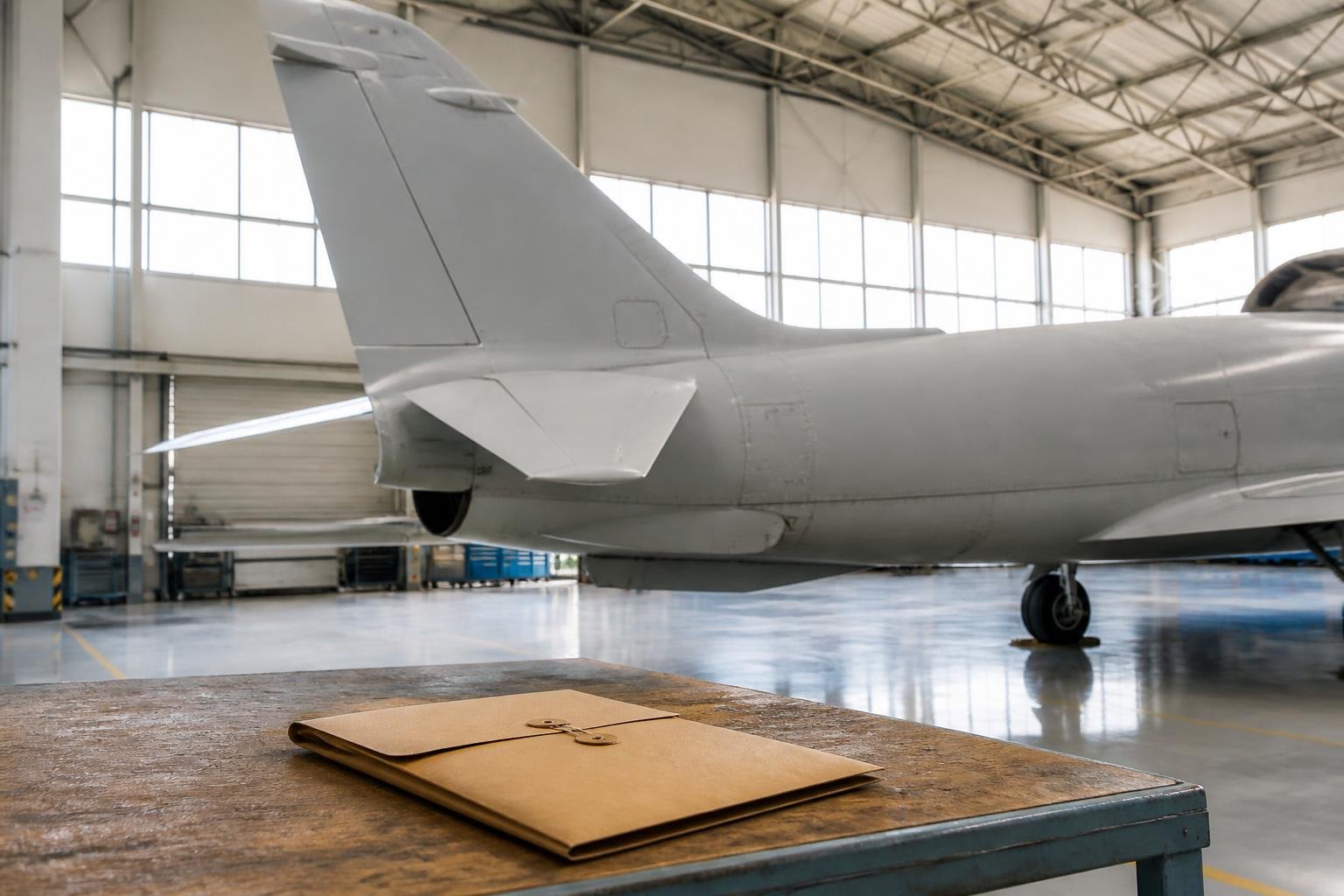
Most destination registers require evidence that the aircraft has been removed, or will be removed, from its current register. This may be a deregistration certificate, cancellation confirmation or a registry-to-registry communication. The current authority’s procedures determine whether original registration documents must be returned, whether a mortgagee must consent, and whether cancellation is effective immediately or on a stated date.
Plan the interval between cancellation and new registration carefully. If a ferry flight is necessary, the parties need a lawful route for it, which may involve the existing registration remaining active until a coordinated closing, a permit arrangement, or separate operational approval. Do not assume that a newly signed bill of sale gives authority to fly.
Where an aircraft is exported, an export certificate of airworthiness or related technical evidence may be requested. Its need and value depend on the destination authority and aircraft status. Mortgage releases, lease terminations and lien discharges should be coordinated before deregistration, since an encumbrance can block the process or expose the buyer to a dispute.
Prepare Buyer Identity, Entity and Authority Documents
Individual buyers should expect to provide a passport or national identity document and proof of residential address. Corporate buyers commonly need an incorporation certificate or registry extract, registered-office evidence, beneficial-ownership information where required, and details of directors or authorised signatories.
A board resolution may be appropriate where the purchase, borrowing or registration requires formal approval. Powers of attorney should be specific enough to cover execution, filing and receipt of registry documents. If a trust, partnership, co-ownership group or management structure is involved, obtain advice on the documents that demonstrate both ownership and authority.
VAT registration details may be relevant to invoicing and tax evidence, but VAT registration does not by itself establish registry eligibility. Documents issued abroad may need apostille, consular legalisation or certified translation. Ask the destination authority which version it accepts before commissioning translations or arranging signatures.
Collect the Airworthiness and Continuing-Airworthiness Records

Registration is not a substitute for technical due diligence. Review the Certificate of Airworthiness status and any Airworthiness Review Certificate, including validity dates and the implications of a change in registration. The exact treatment can vary by authority and aircraft category, so confirm what will be recognised, reissued or reviewed after transfer.
Collect the flight manual, approved supplements, weight-and-balance report, equipment list, journey logs, technical logbooks, maintenance releases and modification or repair records. These documents should form a continuous and intelligible record, not simply a box of papers. Missing entries can affect continuing-airworthiness review, valuation and the ability to operate.
Also identify the CAMO, CAO or maintenance provider responsible before sale and arrange a structured handover. Obtain current maintenance-programme information, due lists, defect status, component-life tracking and access to electronic records where used. Noise certificates and radio documentation should be reviewed as separate items rather than assumed to transfer with the airframe file.
Verify Liens, Security Interests and Financing Releases

A buyer should not rely solely on a seller’s statement that an aircraft is unencumbered. Search the relevant national registry or other applicable encumbrance records, and assess whether the aircraft qualifies for an International Registry search. Eligibility depends on the asset and treaty framework, so specialist advice is appropriate.
Where financing exists, request a mortgage discharge, lender consent or release undertaking that is tied to payment through escrow. A lease may require a termination, assignment or redelivery document. Check for retention-of-title provisions in prior sale contracts and unpaid maintenance invoices that could lead to claims or retention of records or parts.
Escrow instructions should define the conditions for release. A sensible sequence can require executed title documents, agreed deregistration evidence, lender releases and any specified registry filings before funds are irrevocably delivered. Escrow is a payment-control service; it does not replace independent legal, technical or tax review.
Address VAT, Customs and Cross-Border Import Records

VAT and customs evidence deserves early attention because registration approval and tax treatment are different questions. A buyer should obtain the invoice or sale documentation, prior import declarations where relevant, customs entry evidence and records supporting the aircraft’s Union goods status or free circulation within the EU.
Aircraft arriving from the United Kingdom, Switzerland or another non-EU state may require a separate customs and VAT analysis. The answer can depend on the aircraft’s history, ownership, physical location, intended use, import procedure and the transaction structure. Temporary admission, onward supply and business-use arrangements are specialised areas; they should be reviewed before the aircraft moves, not after it has crossed a border.
Keep tax evidence distinct from registry evidence. A national authority may register an aircraft without deciding every VAT issue, and customs evidence alone may not satisfy an ownership or eligibility requirement. An aviation tax and customs specialist can identify the documents required for the proposed route and buyer structure.
Check Insurance, Radio and Operational Documents Before Flight
Insurance should be aligned with the new owner, intended registration, operator and planned use. Confirm that the policy meets applicable third-party liability requirements and that its effective time matches the transfer sequence. Do not assume a seller’s cover protects the buyer after closing.
Review whether the radio station licence transfers, must be replaced, or requires notification. Update ELT registration and emergency contacts promptly. Operator declarations, local approvals, management agreements and airport arrangements may also need amendment where the operating entity changes.
No buyer should assume an aircraft can fly merely because ownership has changed. Registration authority, airworthiness status, insurance, radio licensing and operational permissions must all support the intended flight. This is especially important for an immediate ferry flight after closing.
Use a Practical Document Sequence From Contract to New Registration
A disciplined sequence reduces avoidable delays:
- Before contract: confirm eligibility, registry requirements, title searches and tax assumptions.
- Before closing: complete the pre-buy inspection and review technical, ownership and authority records.
- At closing: execute sale documents and use agreed payment-control arrangements.
- Immediately after: obtain deregistration, export and release documents in the agreed order.
- Registration stage: submit the complete application package and arrange new marks and certificates.
- After registration: update insurance, radio, ELT, CAMO, maintenance and operating records.
Retain original documents securely and keep high-quality scanned copies. A documented chain is valuable for future sale, financing, insurance and continuing-airworthiness review.
Common Registration-Transfer Problems Buyers Can Prevent
Many delays arise from preventable inconsistencies. A serial number may differ by one character across a bill of sale, logbook and registry extract. Corporate documents may be outdated or signed by a person whose authority is not evidenced. An Airworthiness Review Certificate may have expired, or a lender’s release may be missing.
Late VAT and customs analysis can be particularly costly when an aircraft is already positioned for delivery. Buyers should also avoid assuming that EASA rules replace national registry rules. EASA’s framework is important, but registration applications remain national processes.
Finally, plan the ferry flight separately. A valid insurance policy, legal registration status, technical condition and required permissions must align. If they do not, the aircraft may need to remain grounded until the issue is resolved.
When to Use Specialist Support and What to Ask For
Specialist support is proportionate risk management in a cross-border acquisition. An aviation lawyer can review title, seller authority, purchase documents, financing releases and closing mechanics. An escrow agent controls funds according to agreed instructions but does not independently guarantee clear title or regulatory compliance.
A registry agent or local representative can clarify destination-register forms, filing conventions and address requirements. A CAMO or suitably qualified maintenance professional can review continuing-airworthiness records and identify practical handover needs. Tax, customs and import advisers address VAT treatment, customs procedures and documentation supporting the aircraft’s movement.
Ask each adviser to state its scope in writing. The buyer should know who checks title, who verifies technical records, who submits filings, who obtains translations, and who confirms insurance timing. Request a checklist tailored to the destination register rather than relying on a generic European list.
A Buyer’s Final Readiness Checklist
Before authorising closing, confirm that ownership documents are complete, consistent and correctly executed; seller identity and authority are verified; and clear-title evidence is available. The deregistration path should be agreed in writing, including responsibility for original certificates and any export documentation.
- Review airworthiness, logbook and continuing-airworthiness records.
- Document the VAT and customs position for the planned ownership and movement.
- Schedule insurance, radio, ELT and operational updates.
- Prepare the national registration application in the required form.
- Secure originals and maintain scanned copies.
- Obtain independent professional review before funds are irrevocably released.
The practical objective is not simply a new registration certificate. It is a controlled transfer in which title, technical records, tax evidence and authority to operate are aligned. That preparation protects the buyer’s ability to register, insure, manage and eventually resell the aircraft with a credible documentary history.

Comments
No comments yet
Be the first to share your thoughts!