
 Bad Vöslau
 Kirn
Kirn
 Florida
 Szeged
Beechcraft D18S for Sale: The Buyer’s Brief
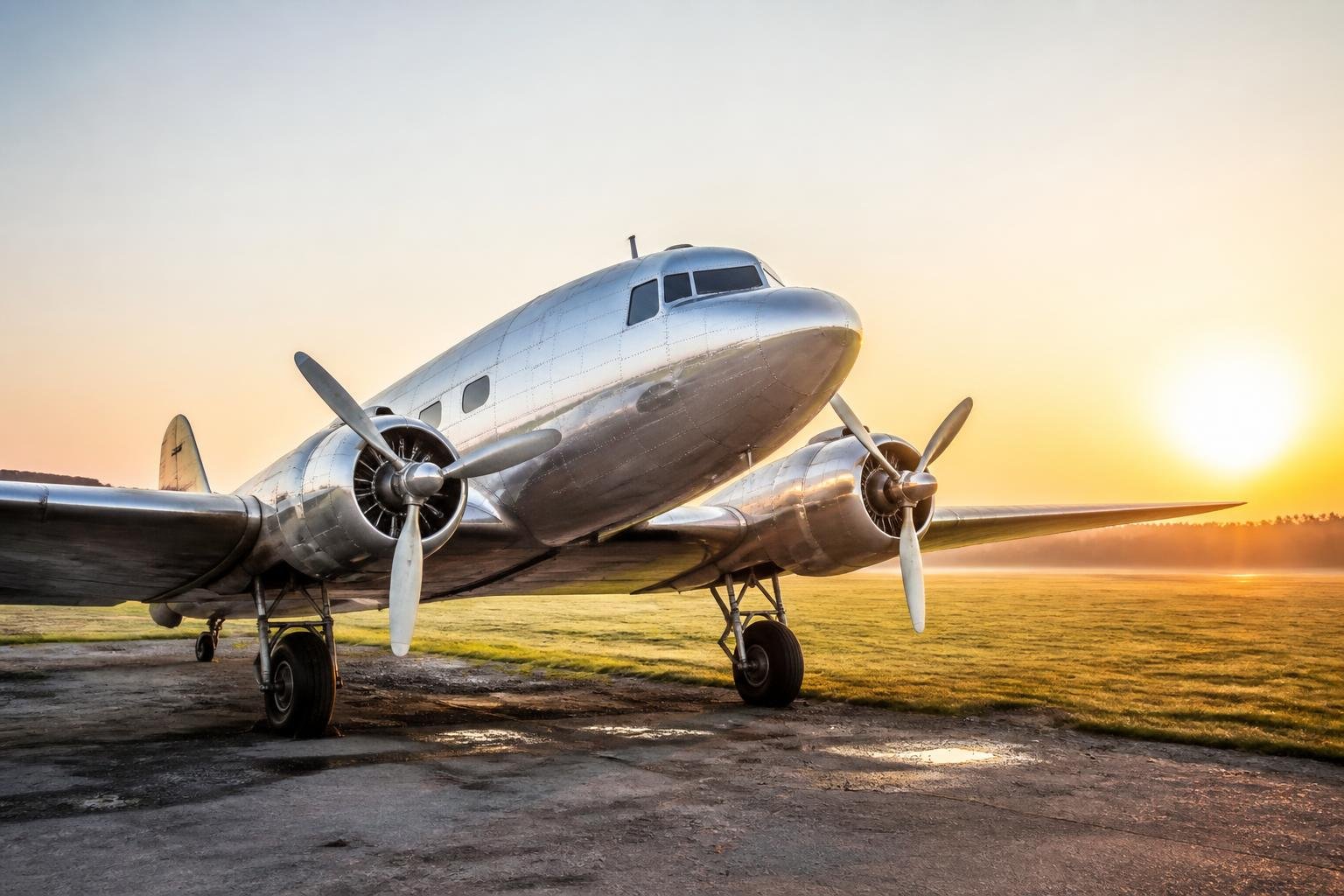
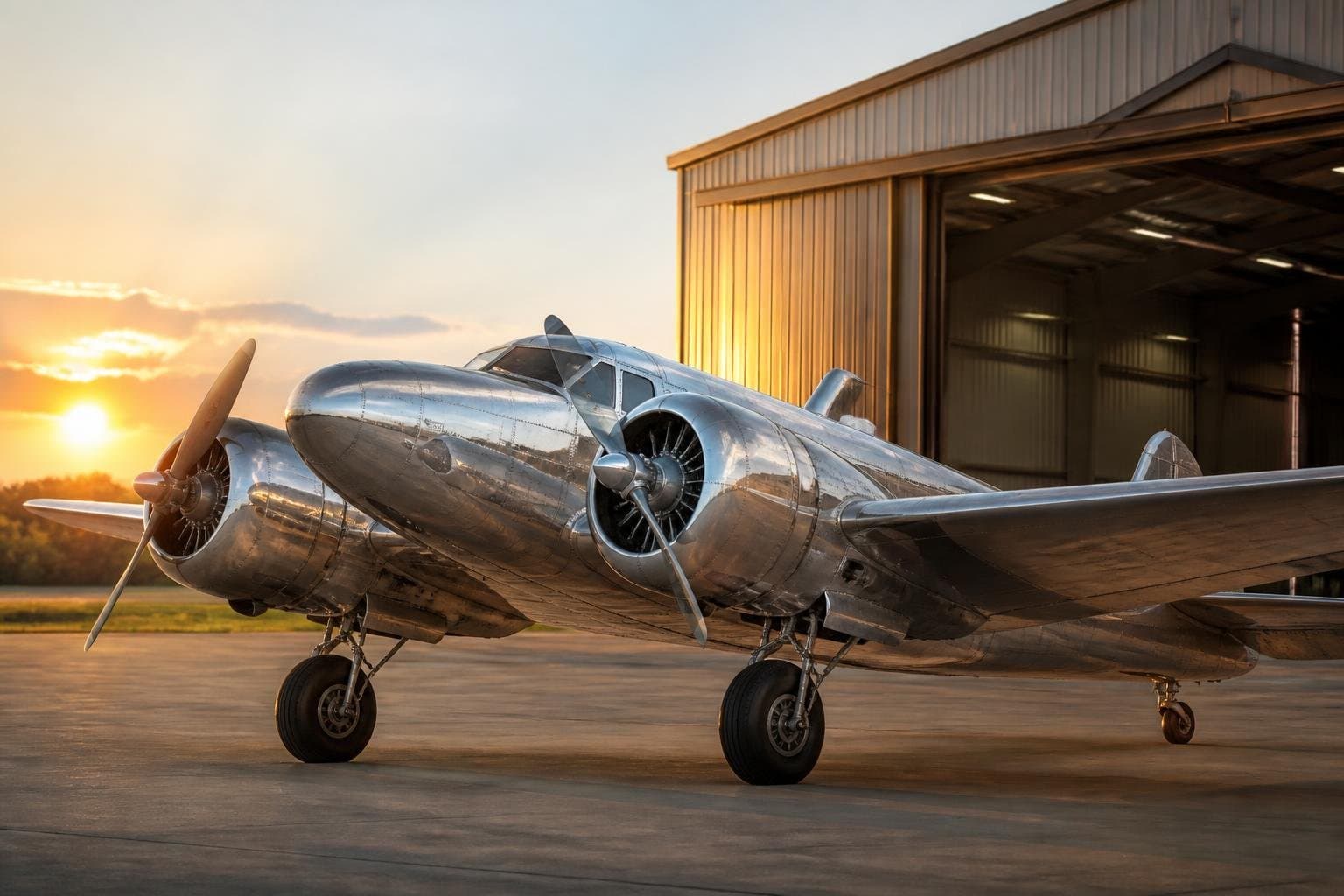
A Beechcraft D18S for sale is not a conventional used-aircraft purchase. It is an opportunity to acquire one of aviation’s defining radial-engine twins, but it also commits the buyer to historic-aircraft stewardship, specialist maintenance and disciplined operational planning. A well-documented, actively maintained and flyable D18S can be a capable heritage transport and rewarding collector aircraft. A neglected example, incomplete restoration, static display aircraft or parts source is a fundamentally different proposition, even when the airframe appears complete.
The D18S is one civil variant within the broad Beechcraft Model 18 family, widely known as the Twin Beech. It combines conventional landing gear, twin radial engines and an all-metal airframe, but surviving aircraft can differ markedly in engines, propellers, fuel capacity, interiors, avionics, mission equipment, certification history and approved modifications. Treat the serial number and aircraft records as the starting point, not the paint scheme or listing headline.
Buyers should establish early whether an aircraft is currently flyable, in long-term storage, undergoing restoration, offered for static display or sold principally for parts. Each status changes the likely inspection scope, transport planning, insurance conversation and acquisition budget. When a relevant Model 18 appears on CollectAirs aircraft auctions, its documentation can be a useful example of an individual aircraft, but it should never be treated as evidence for the condition or configuration of another Twin Beech.
What Is the Beechcraft D18S?
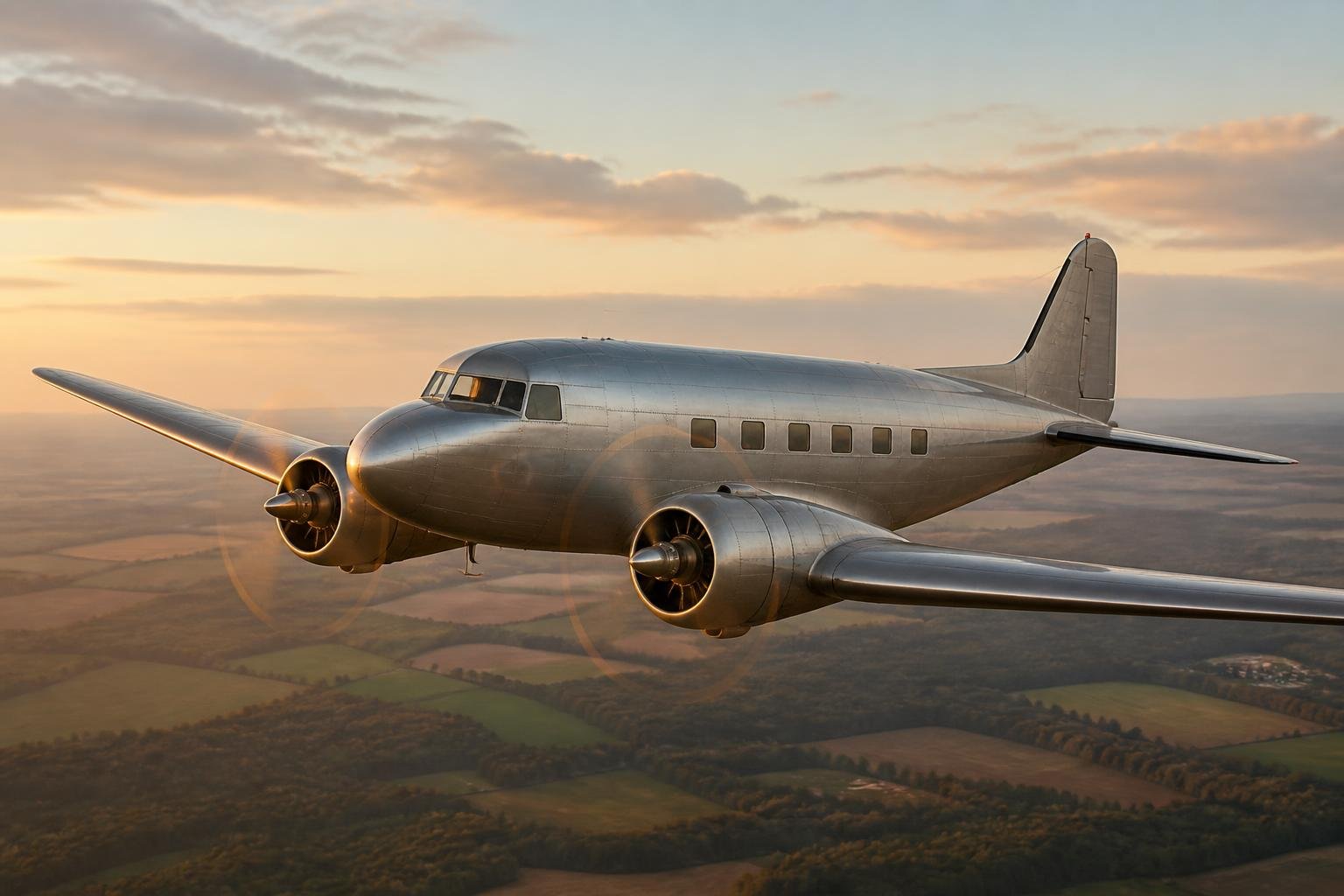
The Beechcraft Model 18 first appeared before the Second World War and developed into a large family of civil, military and converted aircraft. The Twin Beech served as executive transport, feeder airliner, cargo and utility aircraft, trainer, survey platform and special-mission airframe. The Smithsonian National Air and Space Museum describes the D18S as a post-war Model 18 development powered in its standard historical configuration by two 450 hp Pratt & Whitney Wasp Junior radial engines.
The D18S belongs to the post-war civil Model 18 range. In broad terms, it is a conventional-gear, twin-radial transport aircraft. That description is useful only to a point. A specific aircraft may have accumulated decades of alterations, including approved engine or propeller changes, auxiliary tanks, interior revisions, avionics upgrades, cargo arrangements and specialist mission equipment.
Some modifications improve practical utility; others introduce documentation, support or certification questions. Before accepting an aircraft simply as a standard D18S, confirm its data plate, serial number, registration records, certification basis and the paperwork supporting its present configuration.
Review the airframe logbooks against engine and propeller records and reconcile major repairs, Supplemental Type Certificates, field approvals and recurring inspection entries. A Twin Beech with a clear identity and continuous records gives a buyer a much stronger basis for due diligence than one supported mainly by photographs, recollection or restoration claims.
Who Should Buy a Beechcraft D18S?
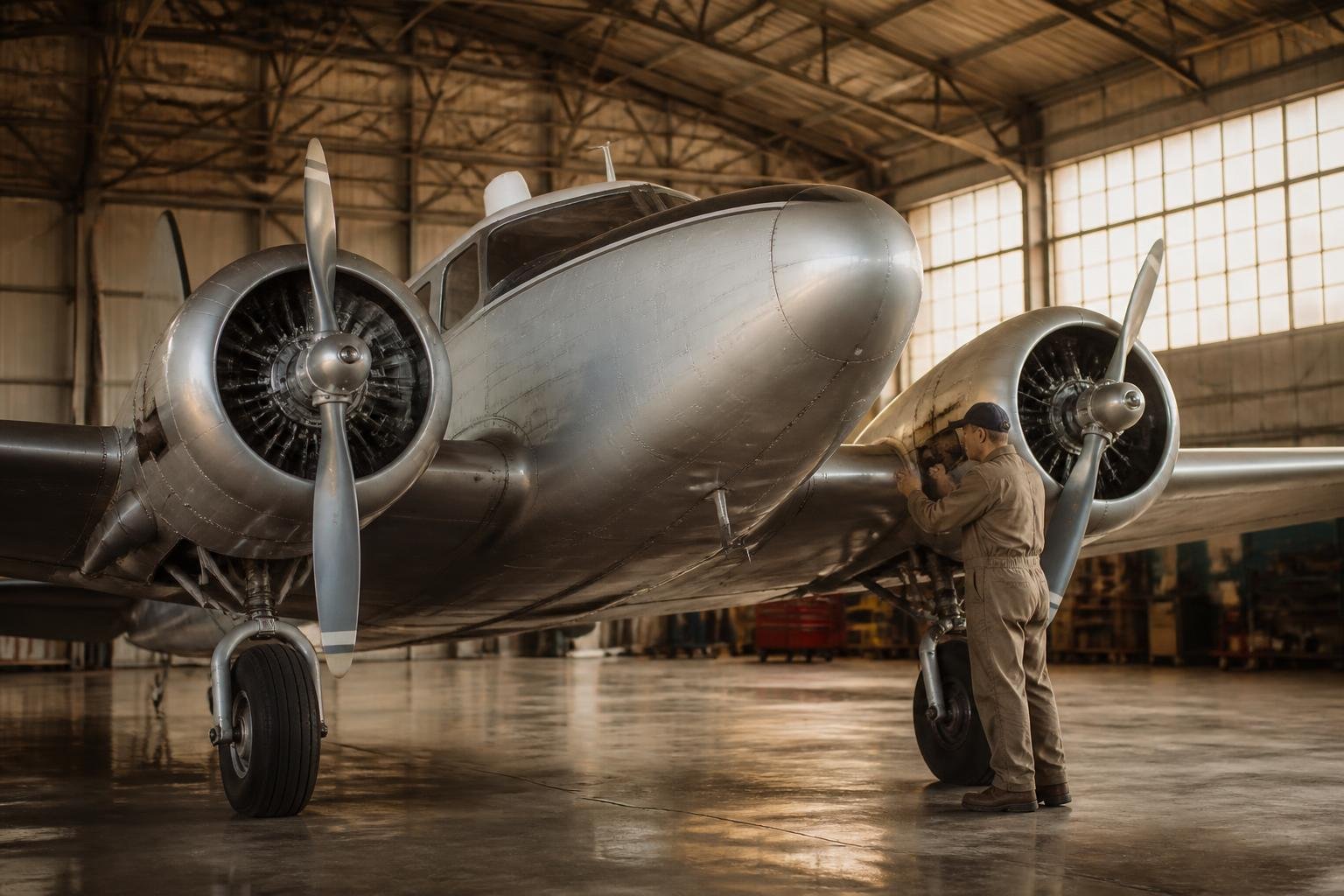
A D18S suits an owner who values heritage flying and accepts active involvement in preserving a complex vintage twin. It can suit collector ownership, airshows and fly-ins, carefully planned group travel and specialist roles where the aircraft’s individual configuration and approvals are appropriate.
The appeal is not simply cabin capacity or speed. It is the experience of operating a substantial radial-engine tailwheel aircraft with a strong historical identity.
The right owner profile is usually a hands-on custodian supported by an experienced maintenance organisation, a well-structured ownership partnership or a professionally managed operation. Pilot capability also matters. A large tailwheel twin demands aircraft-specific transition training, recurrent practice and practical proficiency in asymmetric operations, energy management, crosswind technique and ground handling. Insurance requirements may introduce additional checkout and experience thresholds.
Practical prerequisites deserve as much attention as the purchase price. A buyer needs suitable hangarage, realistic access to an appropriate runway, reliable fuel and oil supply, a maintenance facility familiar with vintage radial engines and older aircraft systems, and a plan for parts and ferry support.
- Good fit: heritage-focused owners with robust budgets, training plans and specialist support.
- Possible fit: partnerships that define responsibilities, reserves and utilisation rules in writing.
- Pause and reassess: buyers without suitable hangar access, transition training or a credible maintenance network.
Beechcraft D18S Specs and Performance
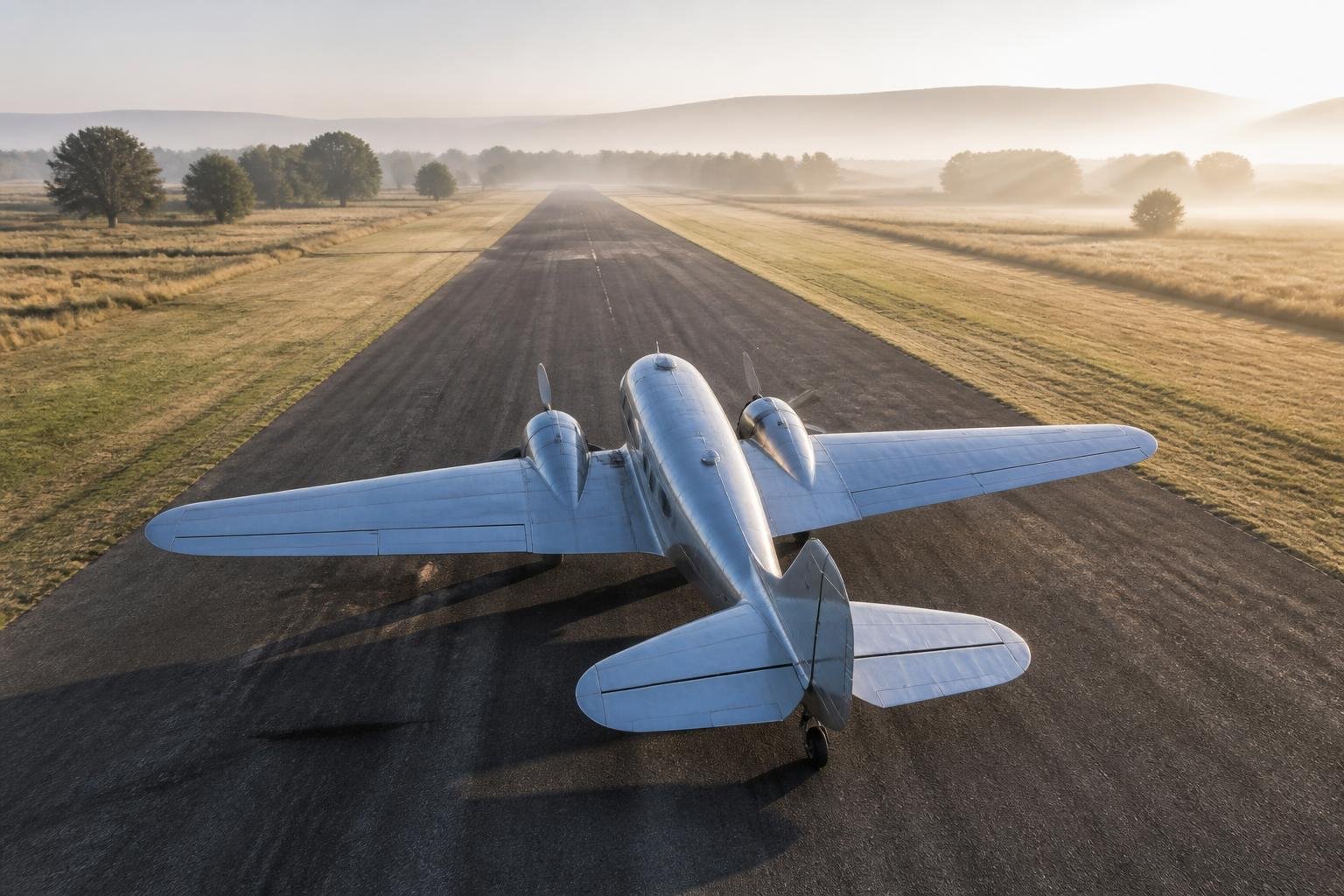
Published Beechcraft D18S specifications are useful for screening and historical comparison, but they should not be treated as operating data for every surviving aircraft. The 1953 Aircraft Year Book published the following figures for the D18S:
| Historical D18S specification | Published reference |
|---|---|
| Powerplant | Two Pratt & Whitney R-985 Wasp Junior radial engines |
| Rated power | 450 hp each |
| Fuel capacity | 206 US gal |
| Published fuel consumption | 32.6 US gal/h |
| Maximum speed | 230 mph |
| Cruise speed | 211 mph at 10,000 ft under the stated historical conditions |
| Range | 750–1,500 miles depending on fuel arrangement |
| Empty weight | 5,770 lb |
| Gross weight | 8,750 lb |
| Useful load | 2,980 lb |
| Wingspan | 47 ft 7 in |
| Length | 33 ft 11½ in |
| Height | 9 ft 2½ in |
These are historical reference values, not guaranteed figures for a particular aircraft today. Fuel arrangement, modifications, current empty weight, engine and propeller configuration and operating technique can materially change practical performance.
For a purchase decision, verify the correct approved operating data for the individual serial number and configuration. Review the current weight-and-balance report, installed fuel system, engine and propeller models and all relevant modification records before using generic figures for mission planning.
Beechcraft D18S Cruise Speed, Range and Fuel Burn
Buyers commonly search for Beechcraft D18S cruise speed, range and fuel burn, but published figures are often presented without enough context.
The 1953 Aircraft Year Book listed a cruise speed of 211 mph at 10,000 ft and 300 hp per engine under its stated conditions. The same source published fuel consumption of 32.6 US gallons per hour and a range of approximately 750 to 1,500 miles depending on fuel arrangement.
Those numbers provide a useful historical baseline, not a promise of what a particular surviving D18S will achieve. Engine condition, power setting, altitude, mixture management, propeller configuration, aircraft weight and approved fuel modifications can all influence actual results.
For meaningful mission planning, ask for the operating data applicable to the individual aircraft and compare it with recent fuel uplift, flight-time and engine-monitoring records where available. Calculate range using verified usable fuel, expected fuel flow, forecast conditions, alternate requirements and a prudent reserve.
Take-off and landing performance deserves the same caution. Runway surface, slope, temperature, wind, aircraft loading, braking condition, engine health and pilot technique all affect real-world performance. Verify rather than infer.
Engines, Propellers and Fuel: The D18S Ownership Core
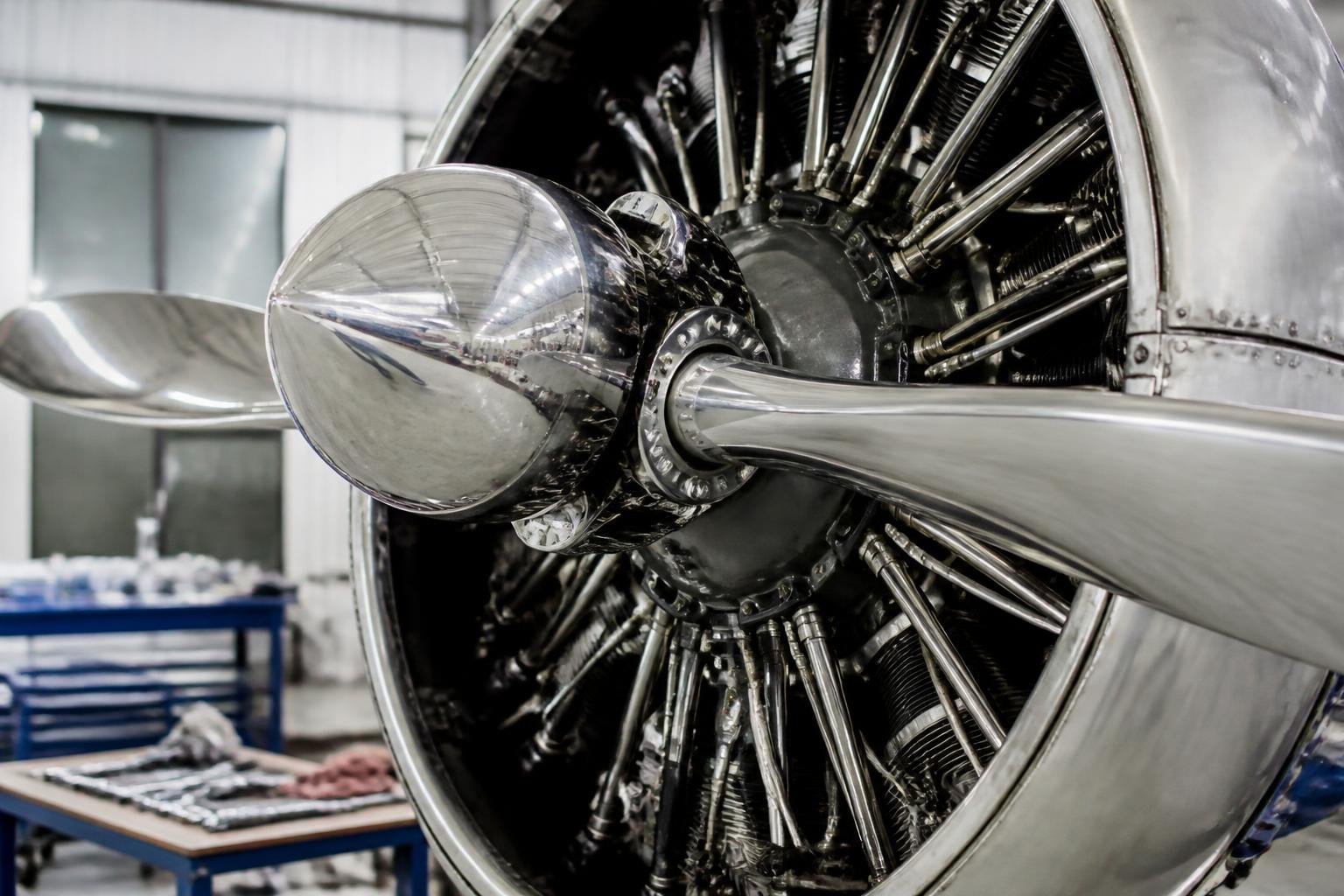
The standard historical D18S configuration is associated with two 450 hp Pratt & Whitney R-985 Wasp Junior radial engines. A buyer should nevertheless identify the exact engines installed on the aircraft being considered rather than assuming that every surviving D18S remains in its original configuration.
Obtain complete engine logbooks, confirm serial numbers and establish the documented basis for time since major overhaul, any recorded top-overhaul work, calendar exposure and preservation history.
Radial engines reward regular, knowledgeable operation and proper preservation. A seemingly low-time engine can still carry substantial risk after prolonged inactivity, poor storage, internal corrosion, repeated short ground runs or uncertain preservation procedures. Recent borescope findings, compression results, oil-filter inspections, oil analysis and engine-monitoring data can help identify trends. They are evidence to assess with a specialist rather than guarantees of future serviceability.
Propellers require equal attention. Confirm installed propeller models, blade serial numbers, overhaul documentation, governor records, calendar requirements, repairs and recurring discrepancies. Blade condition, tracking, seals and hub history can affect both safety planning and the initial rectification budget.
Fuel-system condition matters alongside fuel burn. Inspect tanks, vents, selectors, drains, hoses, seals and contamination-control practices. On aircraft with auxiliary or modified tanks, establish exactly which tanks are approved, their usable capacity and how the modification affects weight-and-balance and operating procedures.
Beechcraft D18S Ownership and Operating Cost
Beechcraft D18S operating cost is better understood as an ownership budget than as a single hourly number. Two aircraft carrying the same model designation may require very different annual expenditure because of condition, utilisation, engine status, storage history and installed modifications.
Separate acquisition price from immediate rectification, annual fixed costs and variable operating costs. A buyer who can afford the purchase but cannot comfortably absorb the first year of inspection findings, insurance, hangarage and maintenance reserves may be undercapitalised for this type of aircraft.
Variable costs commonly include fuel, oil, routine consumables, maintenance labour, engine reserves and propeller reserves. Fixed and semi-fixed costs may include hangarage, insurance, regulatory compliance, recurrent training, administration and periodic inspections.
The D18S maintenance-cost profile is also driven by unscheduled work. Corrosion, ageing electrical and fuel systems, landing-gear issues, limited-availability components and specialist labour can dominate a maintenance year.
Low utilisation does not necessarily make ownership inexpensive. Calendar-driven inspections, preservation, battery and tyre care, insurance and hangarage continue when the aircraft is not flying, while prolonged inactivity can create additional engine and corrosion risk.
- Acquisition: purchase price, applicable taxes, transaction costs and transport.
- Initial rectification: pre-buy findings, deferred defects and baseline maintenance.
- Annual fixed costs: hangarage, insurance, training and scheduled inspections.
- Variable costs: fuel, oil, maintenance labour, reserves and consumables.
- Contingency: corrosion, component availability and unexpected specialist work.
A sensible budget should be aircraft-specific, based on real quotations where possible and reviewed annually.
Beechcraft D18S Price: How to Assess the Market
There is no reliable universal Beechcraft D18S price. The surviving fleet is too varied in condition, configuration and documentation for one asking price or auction result to define the value of another aircraft.
Asking prices represent seller expectations. An auction bid represents the market only at that moment. Completed transactions can provide stronger context, but even a recorded sale price may not reveal included spare parts, deferred repairs, delivery obligations, taxes or other transaction terms.
Value is shaped by airworthiness and certification status, completeness and continuity of records, engine and propeller condition, corrosion findings, structural inspection history, installed equipment, cabin condition, paint quality, provenance and the quality of previous restoration work.
Flying aircraft and restoration projects should also be valued differently. A project may appear inexpensive until the buyer accounts for transport, disassembly, structural assessment, missing parts, corrosion remediation, approved repair data, specialist labour, engines, propellers, paint, interior work and eventual return-to-service testing.
Rather than relying on a static online price range, compare the aircraft with genuinely similar current and recently sold examples. For an aircraft-specific market assessment, buyers and sellers can also use the CollectAirs aircraft valuation service, which considers the individual aircraft’s year, hours, condition, history and equipment.
Beechcraft D18S Pre-Buy Inspection Checklist
A Beechcraft D18S pre-buy inspection should be led by an independent inspector with documented Model 18, radial-engine and vintage-aircraft experience. The scope should be agreed before travel, deposit release or purchase commitment.
The inspection should not be treated as a generic piston-aircraft walk-around. Historic Model 18 aircraft have type-specific structural and maintenance considerations. FAA Airworthiness Directives have applied to D18S aircraft, including requirements concerning structural inspections. Applicability depends on the aircraft’s serial number, configuration and compliance history, so the buyer should establish the actual AD status of the individual aircraft rather than relying on a seller’s general statement that it is “AD compliant.”
- Review complete airframe, engine and propeller logbooks and reconcile times, serial numbers, gaps and recurring discrepancies.
- Establish the status of all applicable Airworthiness Directives for the individual serial number and configuration.
- Review modification records, major repairs, Supplemental Type Certificates, damage history and approved supporting data.
- Assess accessible structure for corrosion, cracking, previous repairs and evidence of damage.
- Review wing, center-section and empennage inspection history where applicable to the individual aircraft.
- Inspect tailwheel, brakes, landing gear, steering, controls, cables, pulleys and rigging condition.
- Evaluate engines, accessories, ignition, exhaust and oil systems with suitable radial-engine expertise.
- Confirm propeller and governor models, records, inspections and overhaul history.
- Inspect tanks, vents, selectors, drains, hoses and seals and reconcile any fuel-system modifications with approved documentation.
- Function-check avionics, electrical systems, instruments, heating and cabin equipment within the agreed scope.
- Confirm that the current weight-and-balance report reflects the aircraft as actually equipped.
Ask the inspector to separate immediate safety or compliance concerns from near-term maintenance, operational improvements and cosmetic items. That distinction makes inspection findings far more useful for negotiation and budgeting.
A pre-buy is not the same as an annual inspection, appraisal or listing-document review. Its purpose is to reduce uncertainty before the buyer accepts responsibility for the aircraft.
Documentation, Certification and International Transaction Considerations
Before funds move, confirm the current registration, seller authority, chain of title and the buyer’s eligibility to register the aircraft in the intended jurisdiction. Review its airworthiness category, operating limitations and the approvals supporting its current configuration.
Historic aircraft can accumulate complicated paperwork histories. Validate Supplemental Type Certificates, major repair and alteration records, field approvals and weight-and-balance documentation. A modification can be mechanically well executed and still create a transaction problem when its approval basis is missing or unacceptable to the importing authority.
International purchases can introduce deregistration, export documentation, customs, VAT or other taxes, ferry permits, insurance territory, crew qualifications and route-planning requirements. These issues should be investigated before closing rather than after the aircraft has changed hands.
The purchase agreement should define inspection rights, deposit terms, acceptance criteria, handling of discrepancies, included loose equipment and spare parts, delivery responsibilities and the point at which risk transfers between the parties. Escrow or specialist transaction services may add useful control when the buyer, seller, aircraft and funds are in different jurisdictions.
Finding a Beechcraft Model 18 for Sale and Comparing Alternatives
Searches commonly use Beechcraft D18S for sale, Beechcraft Model 18 for sale, Beech 18 for sale, Twin Beech for sale and vintage twin-engine aircraft for sale. These searches can produce a broad mix of flying aircraft, restoration candidates, military derivatives, conversions and incomplete projects.
Compare them by configuration, condition, records and supportability rather than headline price.
Before travelling, request seller disclosures, dated photographs, a precise equipment and loose-parts inventory, aircraft status, recent maintenance entries, engine and propeller summaries, known damage history, current weight-and-balance data and modification paperwork.
The same records-first approach applies to other used aircraft. The CollectAirs used-aircraft buying guide explains how buyers can evaluate mission fit, documentation, condition and pre-purchase inspection scope before committing to a transaction.
If an appropriately relevant D18S, Model 18 or other vintage twin is currently available, review the latest CollectAirs aircraft auctions and examine the individual aircraft’s documentation and sale terms before arranging inspection travel.
Is a Beechcraft D18S the Right Vintage Twin for You?
The purchase decision ultimately rests on five practical questions: does the aircraft suit the intended mission; does the pilot group have an appropriate training and proficiency plan; is specialist maintenance support genuinely available; can the ownership budget absorb significant unexpected work; and is the owner prepared for long-term stewardship?
A D18S is best suited to buyers who value heritage, capability and active involvement more than simplified ownership.
Pause if records are incomplete, structural inspection history is unclear, corrosion condition remains uncertain, modifications lack adequate approval support or the available financial reserve covers only the purchase itself.
A better documented aircraft at a higher acquisition price can sometimes represent the lower-risk purchase when it eliminates major unknowns in maintenance, logistics and certification.
The sensible next step is to define the mission and budget, shortlist suitable aircraft, review documentation before travelling, commission an independent type-specific inspection and arrange appropriate aircraft-specific transition training.
Beechcraft D18S Frequently Asked Questions
How much does a Beechcraft D18S cost?
There is no dependable model-wide price because surviving D18S aircraft vary substantially in airworthiness status, engine and propeller time, structural condition, records, equipment, restoration quality and modification history. Compare genuinely similar current and completed transactions and value the aircraft being considered on its individual condition and documentation.
What is the cruise speed of a Beechcraft D18S?
The 1953 Aircraft Year Book published a cruise speed of 211 mph at 10,000 ft and 300 hp per engine under its stated conditions. Treat this as a historical reference rather than guaranteed performance for an individual surviving aircraft.
What is the range of a Beechcraft D18S?
The same historical reference gives approximately 750 to 1,500 miles depending on fuel arrangement. A buyer should calculate practical range using the individual aircraft’s approved usable fuel, expected fuel flow, loading, weather and reserve policy.
How much fuel does a Beechcraft D18S burn?
The 1953 Aircraft Year Book published fuel consumption of 32.6 US gallons per hour for the D18S. Actual fuel burn depends on engine configuration, power setting, mixture management, altitude, loading and aircraft condition, so current operating records are more useful for purchase planning.
What engines does a Beechcraft D18S use?
The standard historical D18S installation used two 450 hp Pratt & Whitney R-985 Wasp Junior radial engines. Buyers should verify the actual engines installed on the individual airframe and the approval basis for any changes.
What should I check before buying a Beechcraft D18S?
Priorities include complete records, applicable AD compliance, structural and corrosion condition, engine and propeller history, fuel-system condition, landing gear, approved modifications, current weight-and-balance data and access to specialist maintenance. Use an independent inspector familiar with the Model 18 family and radial-engine aircraft.
Sources and Reference Data
- Aircraft Industries Association — The 1953 Aircraft Year Book: historical D18S powerplant, fuel, dimensions, weight and performance data.
- Smithsonian National Air and Space Museum — Beechcraft D18S Twin Beech: Model 18 history, D18S configuration and museum aircraft data.
- Federal Aviation Administration — AD 47-33-05: example of D18S-specific structural inspection requirements; buyers should determine all currently applicable ADs for the individual aircraft.
Buyer note: Historical specifications and general type information are provided for research and screening only. The approved documents, maintenance records, modification status and physical condition of the individual aircraft should control any purchase or operating decision.
Looking for a vintage aircraft? Browse current and upcoming aircraft auctions on CollectAirs, then review the individual aircraft’s records, condition and auction terms before bidding.

Comments
No comments yet
Be the first to share your thoughts!