
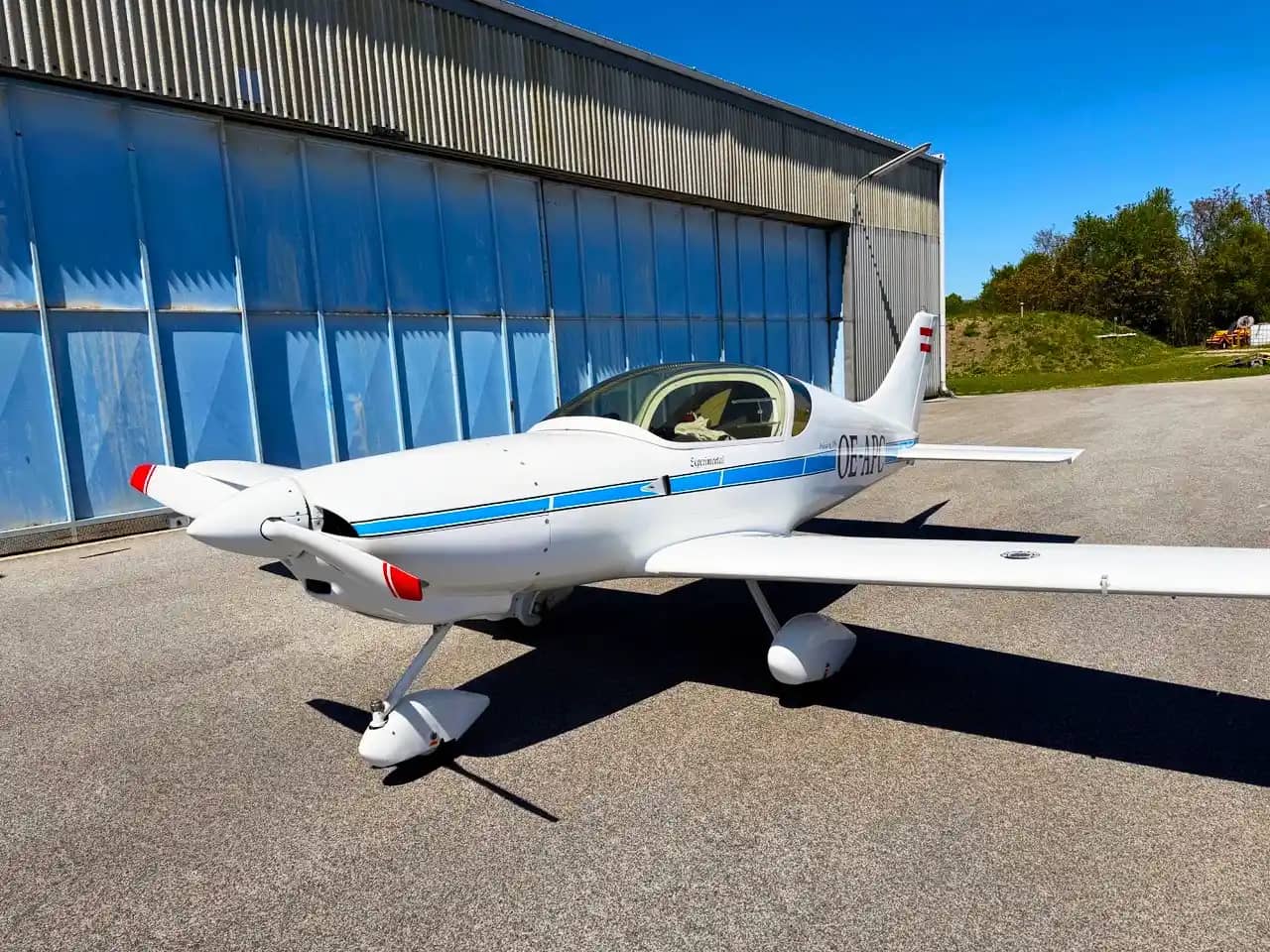
 Bad Vöslau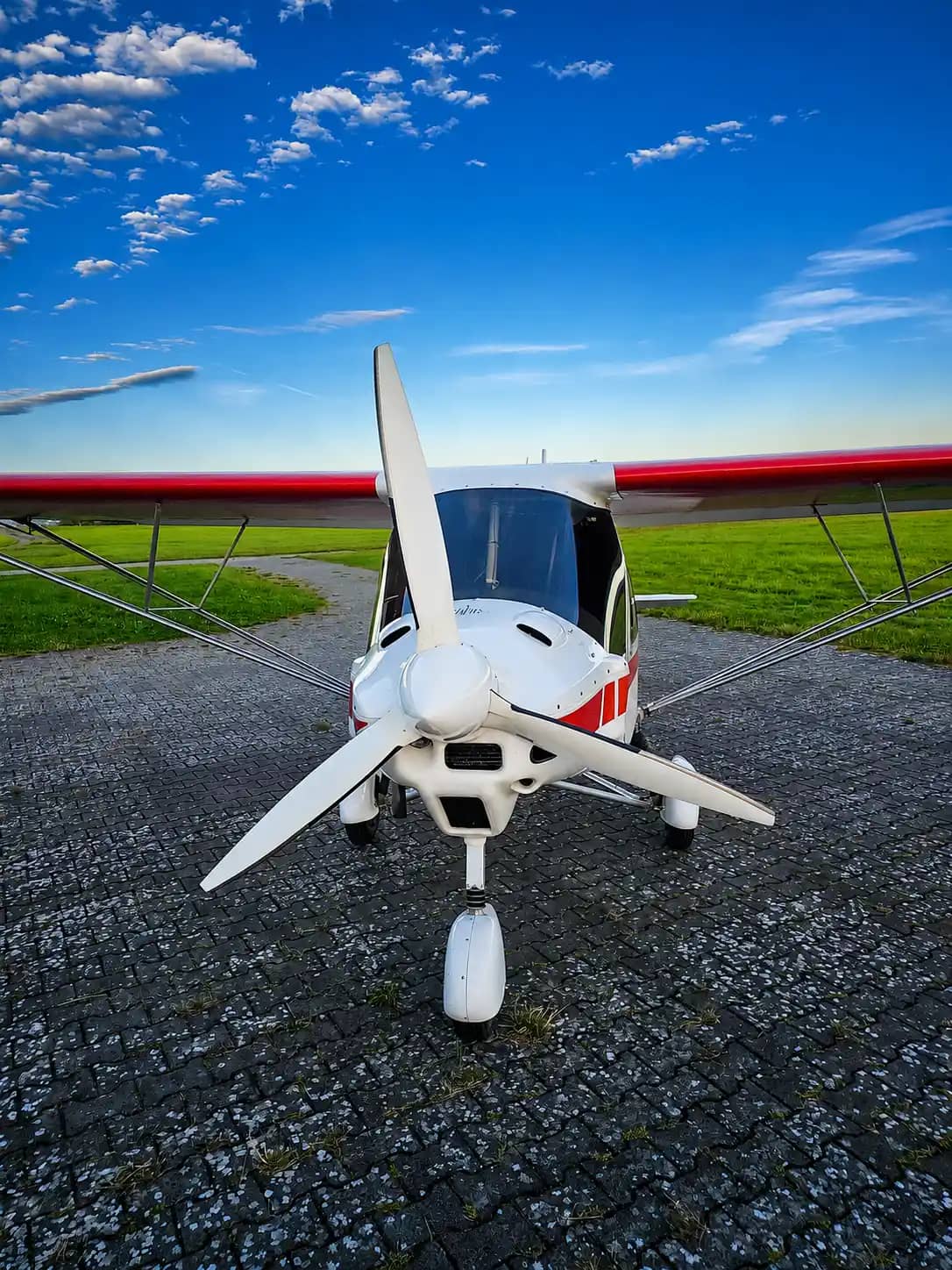
 Kirn
Kirn
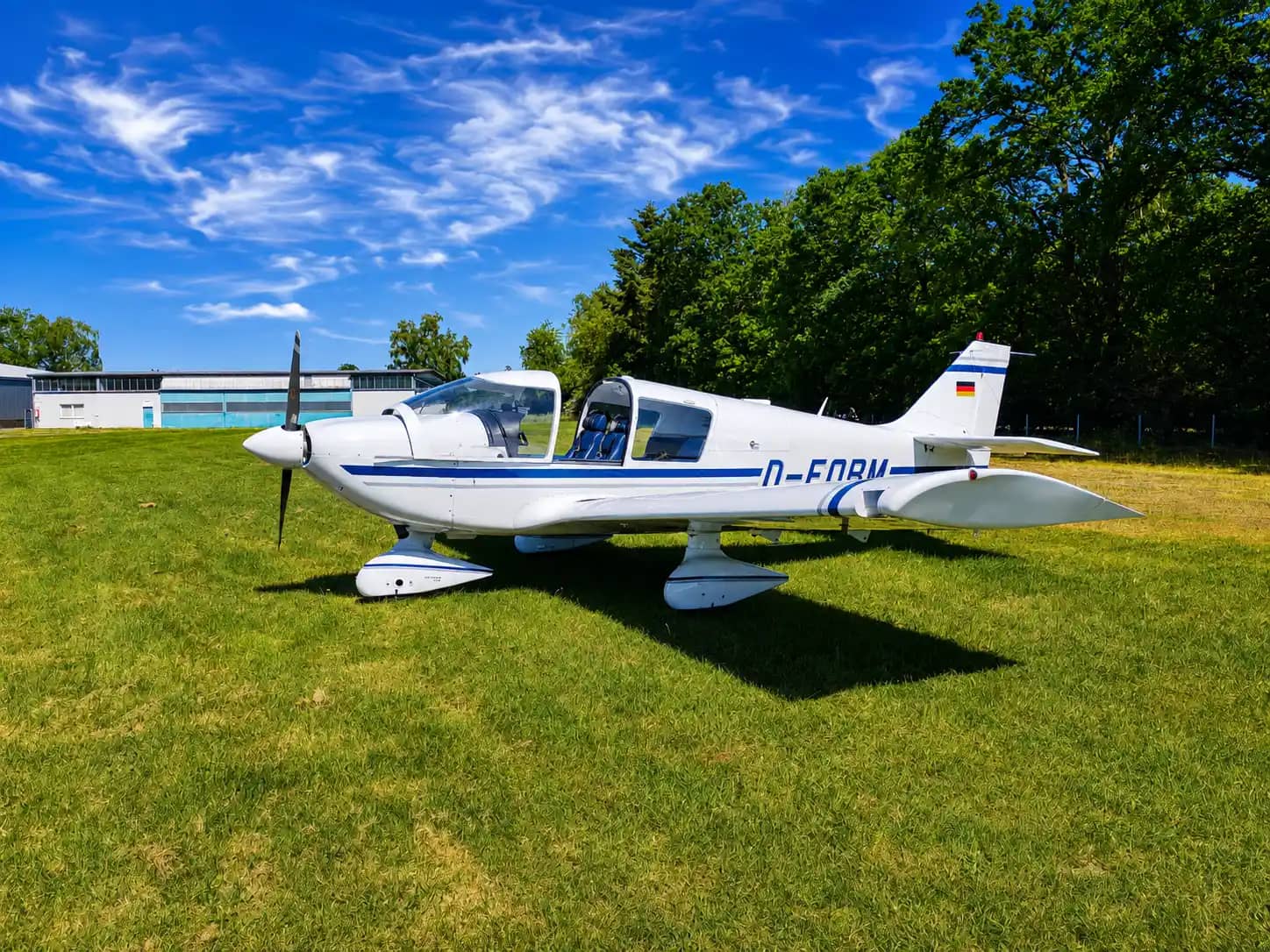
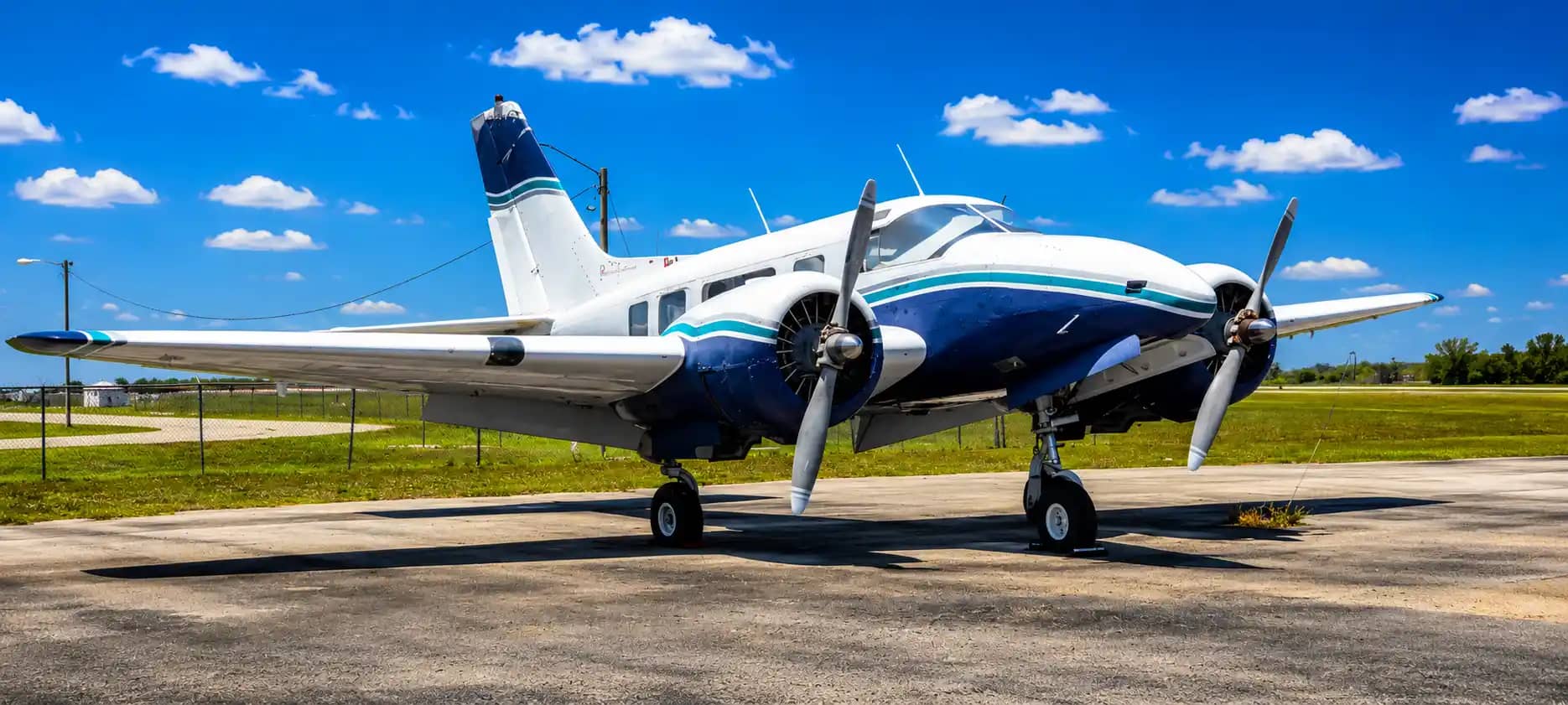
 Florida

Technical and regulatory review: October 2026. Registration, VAT, customs and continuing-airworthiness procedures depend on the aircraft, parties and jurisdictions involved. Verify current requirements with the relevant authorities and qualified advisers before committing funds.
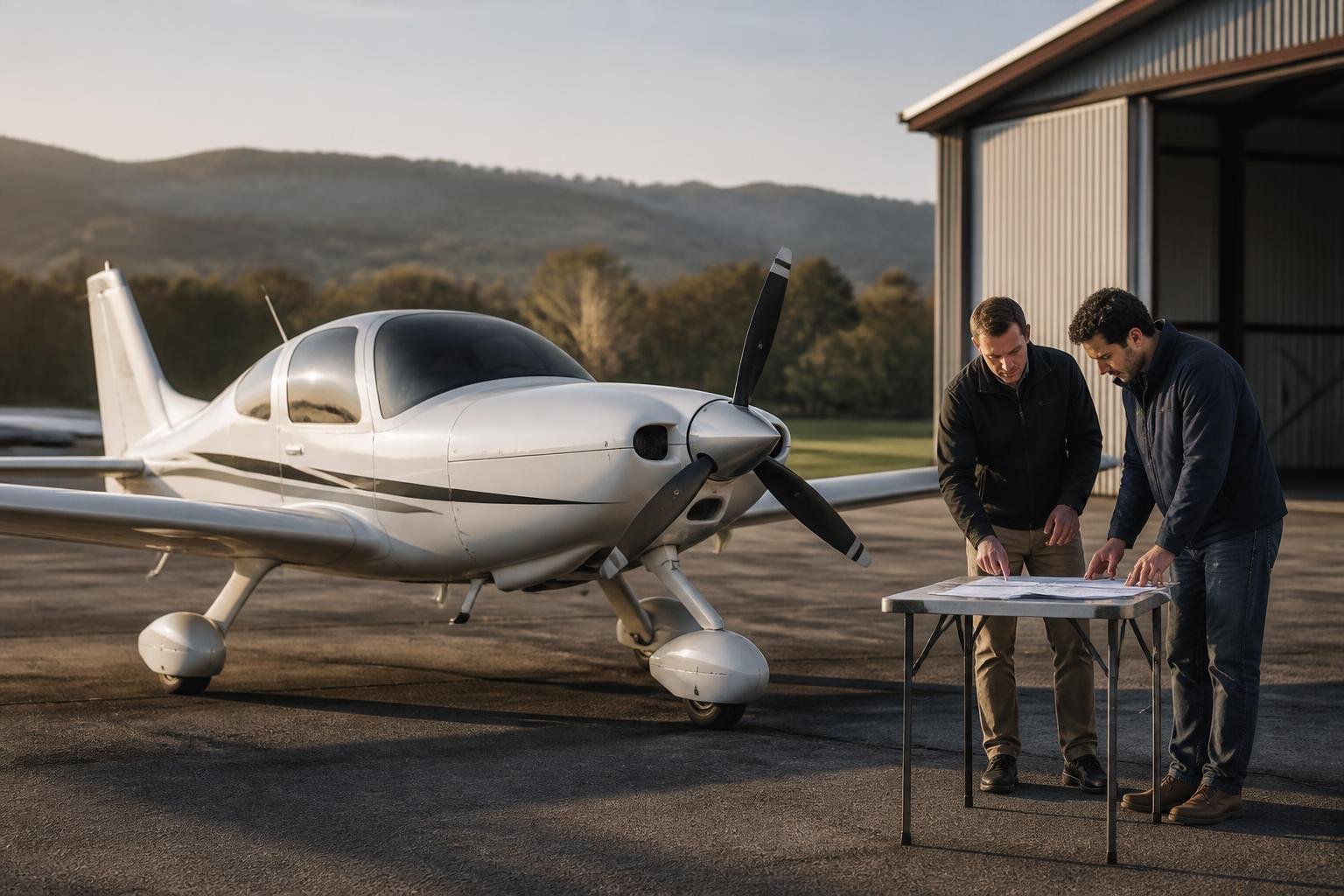
If you plan to buy an aircraft in Europe, treat the transaction as a coordinated technical, legal, tax and delivery project—not simply as an agreement on price. A sound cross-border purchase verifies the aircraft and seller, reviews maintenance records, completes an independent pre-buy inspection, establishes the VAT and customs position, confirms the registration path, and defines exactly when payment, possession and risk transfer.
The key is sequence. Registration eligibility, title, technical condition and tax treatment should be investigated early enough to change the offer or stop the transaction. Delivery and deregistration should be planned before closing rather than solved after the aircraft has already been paid for.
Buying an Aircraft in Europe: The Cross-Border Process
| Stage | Main objective | Complete before |
|---|---|---|
| 1. Mission and registration | Confirm that the aircraft can be owned, registered and operated as intended | Serious offer or deposit |
| 2. Identity and title | Verify aircraft identity, seller authority and ownership position | Binding acceptance |
| 3. Technical records | Assess airworthiness history, maintenance status and documentation | Pre-buy commitment |
| 4. Independent pre-buy | Establish condition and identify material discrepancies | Deposit release / final acceptance |
| 5. VAT and customs | Document the tax treatment of the actual transaction | Invoice and closing |
| 6. Contract and payment | Define conditions, funds, risk transfer and remedies | Funds release |
| 7. Deregistration / registration | Coordinate the old and new registration systems | Operational delivery |
| 8. Delivery | Transfer aircraft, records and possession under a documented handover | Transaction completion |
1. Define the Mission and Intended State of Registration
Start with the aircraft’s real mission. Define typical distance, occupants, baggage, runway requirements, weather exposure, annual utilisation, hangar access and expected operating region.
Then decide where the aircraft is intended to be registered. Do not assume that the aircraft’s physical location, existing registration and buyer’s residence are the same issue. A German-based aircraft, for example, might carry another state’s registration and be purchased by an owner intending to register it elsewhere.
Identify the aircraft’s regulatory category as well. An EASA type-certified aircraft, national permit aircraft and experimental or amateur-built aircraft may follow very different acceptance, maintenance and registration paths.
Before paying a significant deposit, ask the intended registry about:
- Ownership and eligibility requirements.
- Registration application documents.
- Deregistration evidence required from the former state.
- Airworthiness documentation.
- Technical-file requirements.
- Required translations or certified copies.
- Processing times.
- Any inspection or conformity requirements.
A technically attractive aircraft is not a good purchase if the intended ownership or registration structure cannot be implemented efficiently.
2. Verify Aircraft Identity, Seller Authority and Title
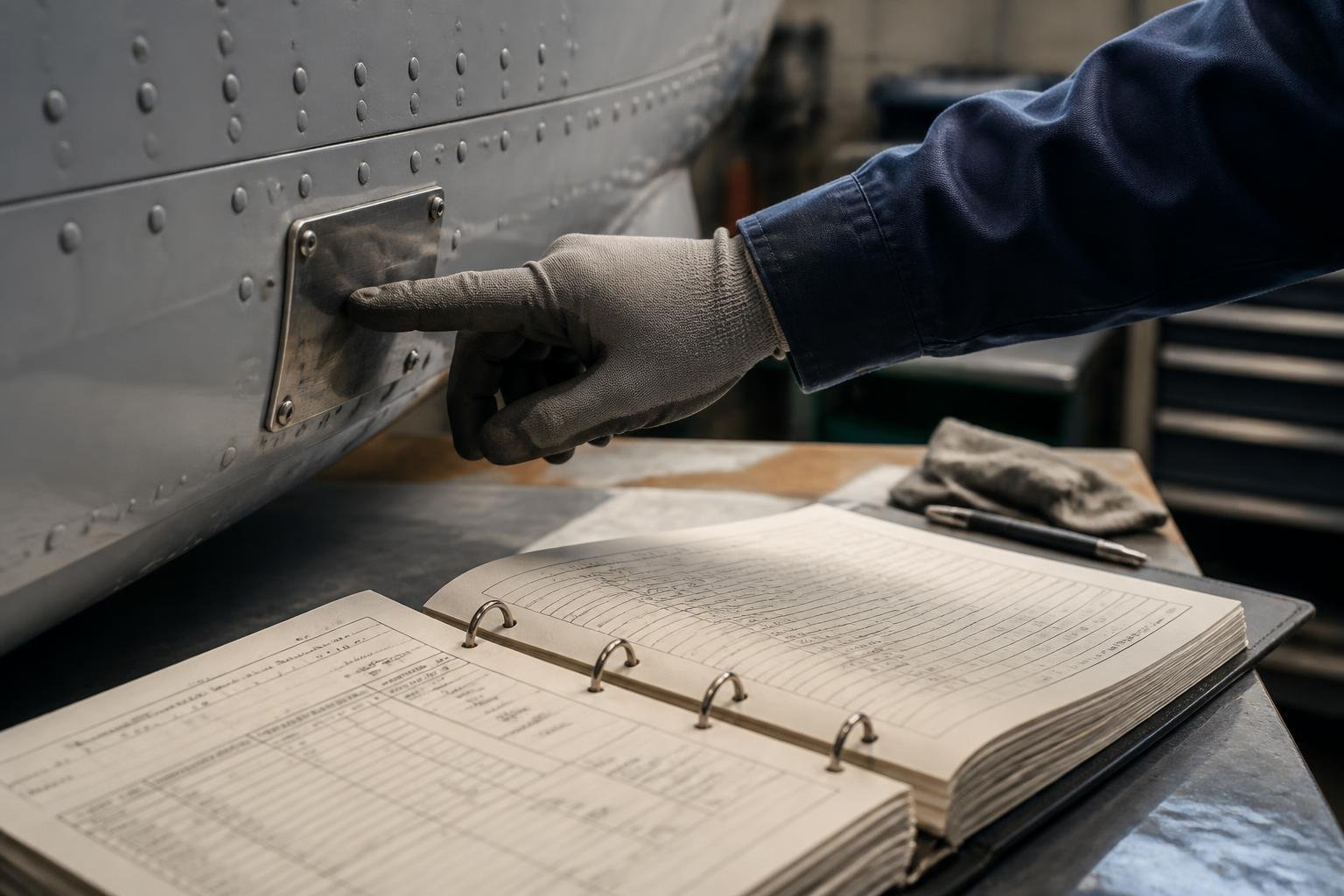
Match the manufacturer, model, serial number and current registration across the aircraft data plate, registration documents, logbooks, maintenance records and sale agreement.
Where relevant, also reconcile engine, propeller and major component identities with their records.
Confirm who owns the aircraft and who has authority to sell it. If the seller is a company, estate, partnership, broker or authorised representative, obtain evidence that the signatory can legally transfer the asset.
Title due diligence can include:
- Current registration and ownership records.
- Prior bills of sale or title history where relevant.
- Financing interests, mortgages or liens.
- Creditor releases.
- Seller corporate authority.
- Deregistration requirements imposed by the current registry.
The correct searches depend on the aircraft’s registration, ownership structure and governing law. Do not treat registration alone as universal proof that no competing ownership or security claim exists.
3. Review Airworthiness and Maintenance Records Before Committing
Request the technical records early. Do not wait until closing to discover missing engine logs, undocumented repairs or incomplete Airworthiness Directive status.
Review, as applicable:
- Airframe logbooks.
- Engine and propeller records.
- Total time and cycle records.
- Overhaul and component status.
- Life-limited and calendar-controlled items.
- Airworthiness Directive compliance.
- Relevant manufacturer service information.
- Damage and repair history.
- Corrosion findings.
- Modification and STC documentation.
- Current weight and balance.
- Certificate of Airworthiness or Permit to Fly status.
- Airworthiness Review Certificate where applicable.
Incomplete documentation is not merely an administrative inconvenience. It can affect maintenance planning, financing, insurance, resale and the ability of the new state of registry to accept the aircraft.
4. Arrange an Independent Pre-Buy Inspection
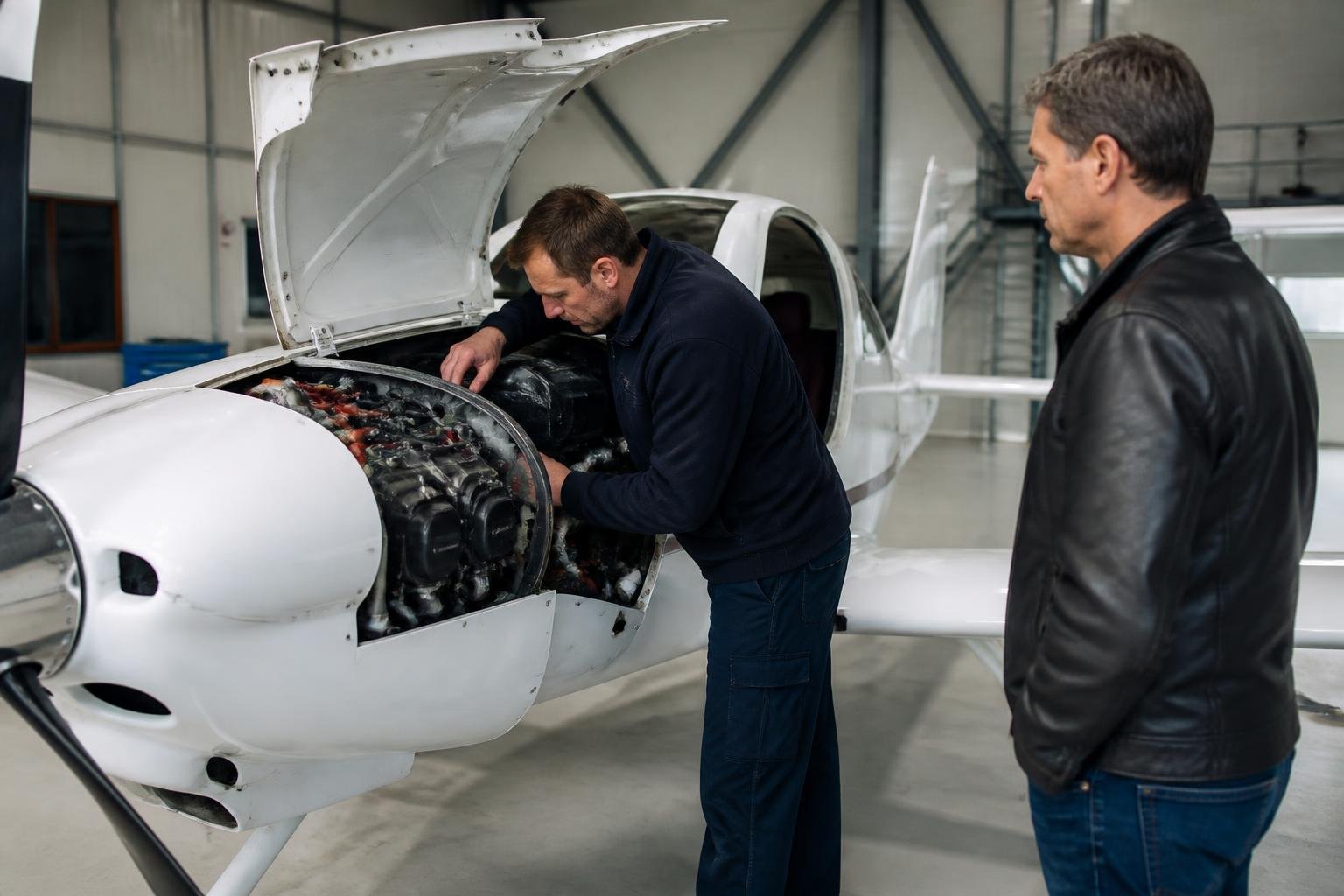
Use an independent inspector or maintenance organisation familiar with the aircraft type. A recent annual inspection, maintenance release or seller inspection is not the same as buyer-focused due diligence.
Define the pre-buy scope in writing. Depending on the aircraft, it may include:
- Structural condition and corrosion.
- Previous repairs.
- Engine and propeller condition.
- Landing gear and brakes.
- Flight controls.
- Leaks and fluid condition.
- Avionics functionality.
- Borescope inspection.
- Compression testing where relevant.
- Oil or filter review.
- Operational or functional checks.
Request a written discrepancy report and identify which findings are:
- Acceptance items.
- Seller-correction items.
- Price-negotiation items.
- Reasons to withdraw.
If a test flight forms part of the inspection, confirm legal authority, insurance, pilot qualifications and aircraft operating status before the flight.
5. Establish the VAT and Customs Position

“VAT paid” should never be accepted as a complete tax analysis without supporting evidence.
The VAT result can depend on:
- Whether the seller is a private individual or taxable business.
- The buyer’s tax status.
- The aircraft’s location.
- The transaction structure.
- Whether the aircraft moves between Member States.
- The aircraft’s previous import and tax history.
- Whether a special VAT scheme applies.
EU VAT rules distinguish intra-EU acquisitions of goods from importation from outside the EU. The European Commission notes that intra-EU acquisitions can be taxable under the VAT Directive, while import VAT generally becomes chargeable when goods are imported into the EU, subject to the applicable customs arrangements and exemptions.
For a specific aircraft purchase, retain evidence supporting the intended treatment. Depending on the transaction, that may include:
- Prior invoices.
- Import documentation.
- Customs releases.
- VAT evidence.
- Seller and buyer VAT details.
- Transaction invoices.
- Evidence of Union/free-circulation status where relevant.
A private sale, business sale and margin-scheme transaction can produce different consequences. Have an aviation-experienced tax adviser assess the actual facts rather than relying on a statement in the listing.
Buying an Aircraft From Outside the EU
Importing an aircraft from a third country is a separate problem from moving an aircraft between EU Member States.
Possible issues include:
- Customs declarations.
- Import VAT.
- Possible customs duty.
- Customs representation.
- Technical acceptance into the EASA system.
- Airworthiness review requirements.
- Import documentation requested by the new registry.
EASA continuing-airworthiness rules provide a specific process for aircraft imported onto a Member State register from a third country or another regulatory system. This should not be confused with an ordinary transfer of registration between EU Member States.
6. Structure the Contract, Deposit and Payment
The purchase agreement should identify exactly what is being sold:
- Airframe.
- Engine or engines.
- Propeller or propellers.
- Installed avionics and equipment.
- Loose equipment.
- Spares.
- Original records and manuals.
It should also define:
- Purchase price and currency.
- VAT treatment stated by the parties.
- Deposit amount.
- Inspection contingency.
- Refund conditions.
- Closing conditions.
- Delivery location.
- Risk-of-loss transfer.
- Insurance responsibility.
- Remedies for material discrepancies.
Escrow can reduce payment risk when an independent escrow provider holds funds under written release conditions. It does not replace title, technical or tax due diligence.
If purchasing through an aircraft auction, understand the bidding and closing process before placing a binding bid. CollectAirs explains its auction process in its How Bidding Works guide; after a successful auction, buyer and seller agree inspection, payment and transfer directly, with CollectAirs providing process guidance.
7. Transfer of Aircraft Registration Within the EU
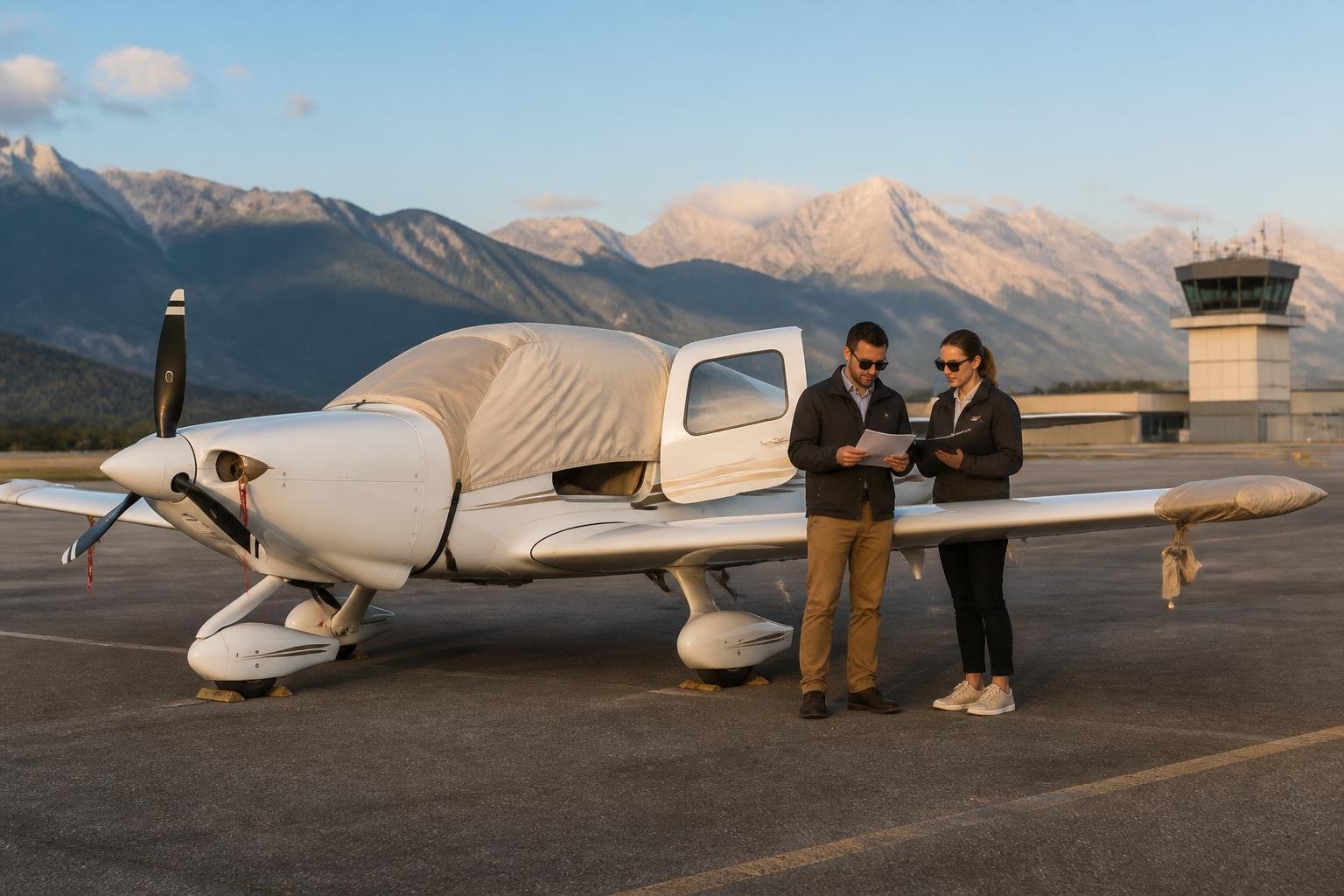
For aircraft covered by the relevant EASA continuing-airworthiness rules, a transfer of registration between EU Member States follows a defined process.
The applicant first informs the former Member State which Member State will become the new state of registry, then applies to the new Member State for a new Certificate of Airworthiness.
Under the applicable Part-M and Part-ML transfer provisions, the former Airworthiness Review Certificate can generally remain valid until its expiry, subject to the specific rule and aircraft circumstances. The new competent authority should also be consulted about how the new registration is entered or validated on the existing ARC where applicable.
Coordinate:
- Deregistration / cancellation from the previous register.
- New registration application.
- Certificate of Airworthiness application.
- ARC handling.
- Insurance.
- Radio licensing where required.
- ELT registration.
- Transponder coding.
- Registration marks.
- Continuing-airworthiness arrangements.
Do You Need an Export Certificate of Airworthiness?
An Export Certificate of Airworthiness is not automatically part of every intra-EU registration transfer.
EASA uses Form 27 as the Export Certificate of Airworthiness template. EASA explains that it is used by EASA and national competent authorities in cases where an aircraft is exported to a state with a Bilateral Aviation Safety Agreement or similar arrangement that calls for Form 27.
For an intra-EU purchase, ask the old and new authorities what documents they actually require rather than automatically adding an Export CofA to the transaction checklist.
8. Plan Delivery and Risk Transfer
Delivery can take place by ferry flight, road transport, shipping or another agreed method depending on the aircraft and its legal operating status.
For a ferry flight, confirm:
- Aircraft operating authority.
- Insurance coverage.
- Pilot qualifications.
- Weather and route.
- Fuel availability.
- Overflight or border requirements where relevant.
- Handling.
- Security during overnight stops.
Do not assume the aircraft can legally fly simply because the technical inspection is complete. Deregistration, expired documents or a change in ownership can affect the authority under which the flight is conducted.
At handover, record:
- Aircraft condition.
- Photographs.
- Fuel quantity where relevant.
- Keys.
- Original technical records.
- Certificates.
- Loose equipment.
- Spares.
- Exact date and time possession transfers.
Budget for the Total Acquisition Cost
The winning bid or agreed purchase price is only one part of a cross-border acquisition.
| Cost area | Possible items |
|---|---|
| Technical | Pre-buy, specialist travel, borescope, technical reports and immediate rectification |
| Legal | Contract review, title work and document certification |
| Tax / customs | VAT advice, import VAT, customs representation and possible duties |
| Registry | Registration charges, inspections, translations and certified copies |
| Delivery | Ferry crew, fuel, handling, transport, shipping and accommodation |
| Insurance | Pre-delivery and post-registration premiums or changes |
| Entry into service | Maintenance, markings, avionics, equipment and compliance work |
| Currency | FX movement and international banking charges |
Add a contingency, particularly when the aircraft has incomplete records, long periods of inactivity or a registration change likely to require additional technical review.
Applying the Checklist to European Aircraft Listings
The checklist becomes most useful when applied before travelling to see an aircraft.
CollectAirs carries aircraft located across multiple European countries. A buyer should use the listing location and registration as the starting point—not the conclusion—for cross-border due diligence.
For example, the Avions Robin DR300/125 listing on CollectAirs describes an aircraft based in Germany with maintenance records and aircraft-specific documentation available to buyers. A purchaser planning to register that aircraft in another EU Member State should still independently verify title, technical records, tax position, registry acceptance and delivery requirements.
That same principle applies to every listing. A marketplace page can help the buyer identify the aircraft and obtain initial documentation, but the cross-border transaction still has to be evaluated against the buyer’s intended state of registration and tax circumstances.
Inventory and auction status change over time. Treat marketplace listings as current transaction examples, not permanent evidence of availability, value or regulatory status.
Common Cross-Border Buying Mistakes
- Assuming an aircraft located in the EU is automatically simple to register elsewhere in the EU.
- Waiting until after the deposit to ask the new registry whether it will accept the aircraft.
- Assuming registration proves clean title.
- Accepting “VAT paid” without documentary support.
- Treating a recent annual inspection as a pre-buy inspection.
- Paying in full before agreed title, inspection and closing conditions are satisfied.
- Assuming an Export CofA is automatically required for every EU transfer.
- Allowing deregistration to occur before the delivery and registration sequence is understood.
- Failing to define when risk and insurance responsibility transfer.
- Budgeting only the purchase price rather than the total entry-into-service cost.
Cross-Border Aircraft Purchase Checklist
| Stage | Task | Primary responsible party | Evidence | Complete before |
|---|---|---|---|---|
| 1 | Confirm intended registration eligibility | Buyer / intended registry | Registry requirements and application path | Deposit |
| 2 | Verify seller and aircraft identity | Buyer / legal adviser | Registration, serial number and seller authority | Binding agreement |
| 3 | Review title and security interests | Legal / title specialist | Searches, releases and ownership records | Closing |
| 4 | Audit technical records | Buyer / maintenance specialist | Logbooks, component status and compliance review | Final acceptance |
| 5 | Complete independent pre-buy | Independent inspector | Written findings and discrepancy list | Deposit release / closing |
| 6 | Confirm VAT and customs treatment | Tax / customs adviser | Written transaction analysis and supporting evidence | Invoice and payment |
| 7 | Agree contract and payment release conditions | Buyer / seller / legal advisers | Signed sale agreement and escrow instructions if used | Funds release |
| 8 | Coordinate deregistration and new registration | Seller / buyer / registries | Cancellation and new-registration documentation | Operational delivery |
| 9 | Confirm insurance and delivery authority | Buyer / insurer / ferry operator | Insurance and flight/transport documentation | Aircraft movement |
| 10 | Complete handover | Buyer / seller | Signed handover record and document inventory | Transaction completion |
When Does a Cross-Border Aircraft Purchase Make Sense?
Buying across EU borders can widen the available selection and give a buyer access to a better-maintained, better-equipped or better-documented aircraft than a purely domestic search.
That advantage only survives if the aircraft remains attractive after accounting for:
- Technical condition.
- Records quality.
- Title.
- VAT and customs status.
- Registration requirements.
- Pre-buy findings.
- Delivery.
- Insurance.
- Immediate maintenance.
The right cross-border aircraft is not simply the aircraft with the most attractive foreign asking price. It is the aircraft whose technical and legal history can be verified, whose transfer path is clear and whose total entry cost still makes sense after due diligence.
Official Sources & Further Reading
- EASA — Easy Access Rules for Continuing Airworthiness
- EASA — Export Certificate of Airworthiness / EASA Form 27
- European Commission — VAT Taxable Transactions and Intra-EU Acquisitions
- European Commission — VAT Chargeable Events for Intra-EU Acquisitions and Imports
- European Commission — VAT Import and Intra-EU Exemption Framework
- Relevant national civil aviation authority and aircraft registry for both the current and proposed states of registration.
- Applicable aircraft AFM/POH, maintenance programme, technical records and continuing-airworthiness documentation.
This guide provides a due-diligence framework rather than transaction-specific legal or tax advice. Aircraft category, registration, ownership structure, seller status and movement between jurisdictions can materially change the correct procedure.
Looking for an aircraft in Europe? Browse aircraft available through CollectAirs, review the listing documentation, and apply the cross-border checklist above to your shortlist before bidding or committing funds.

Comments
No comments yet
Be the first to share your thoughts!