
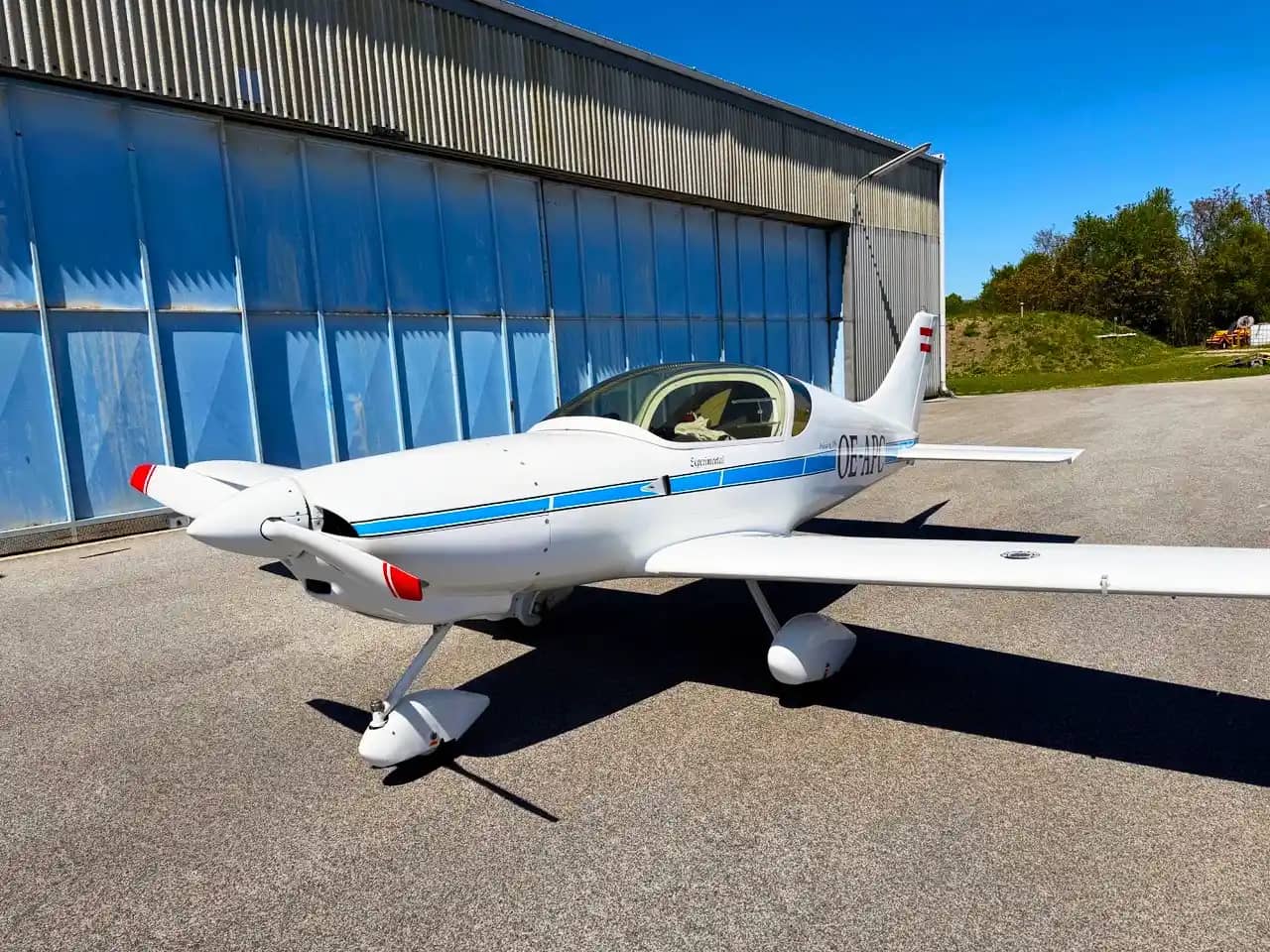
 Bad Vöslau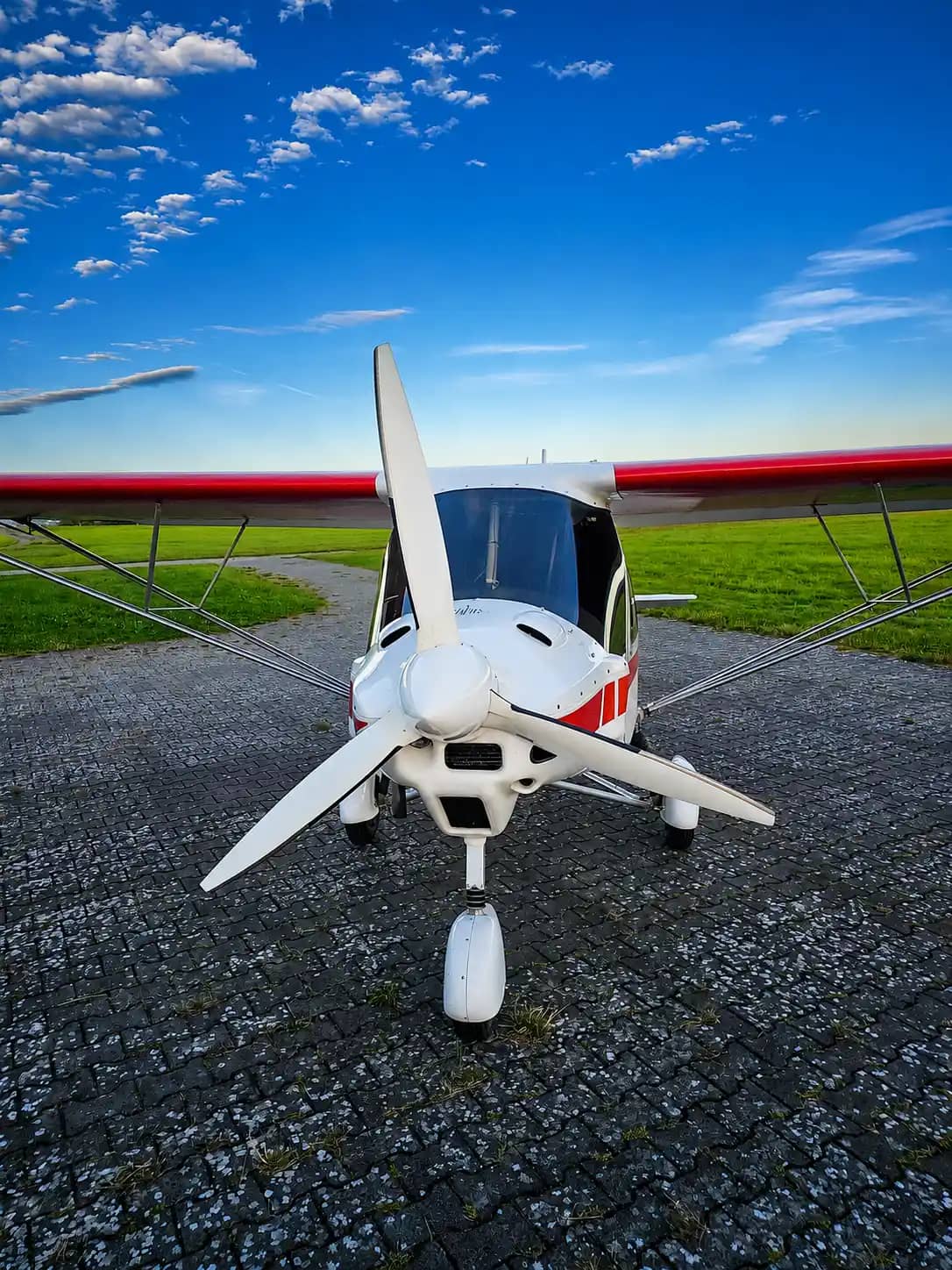
 Kirn
Kirn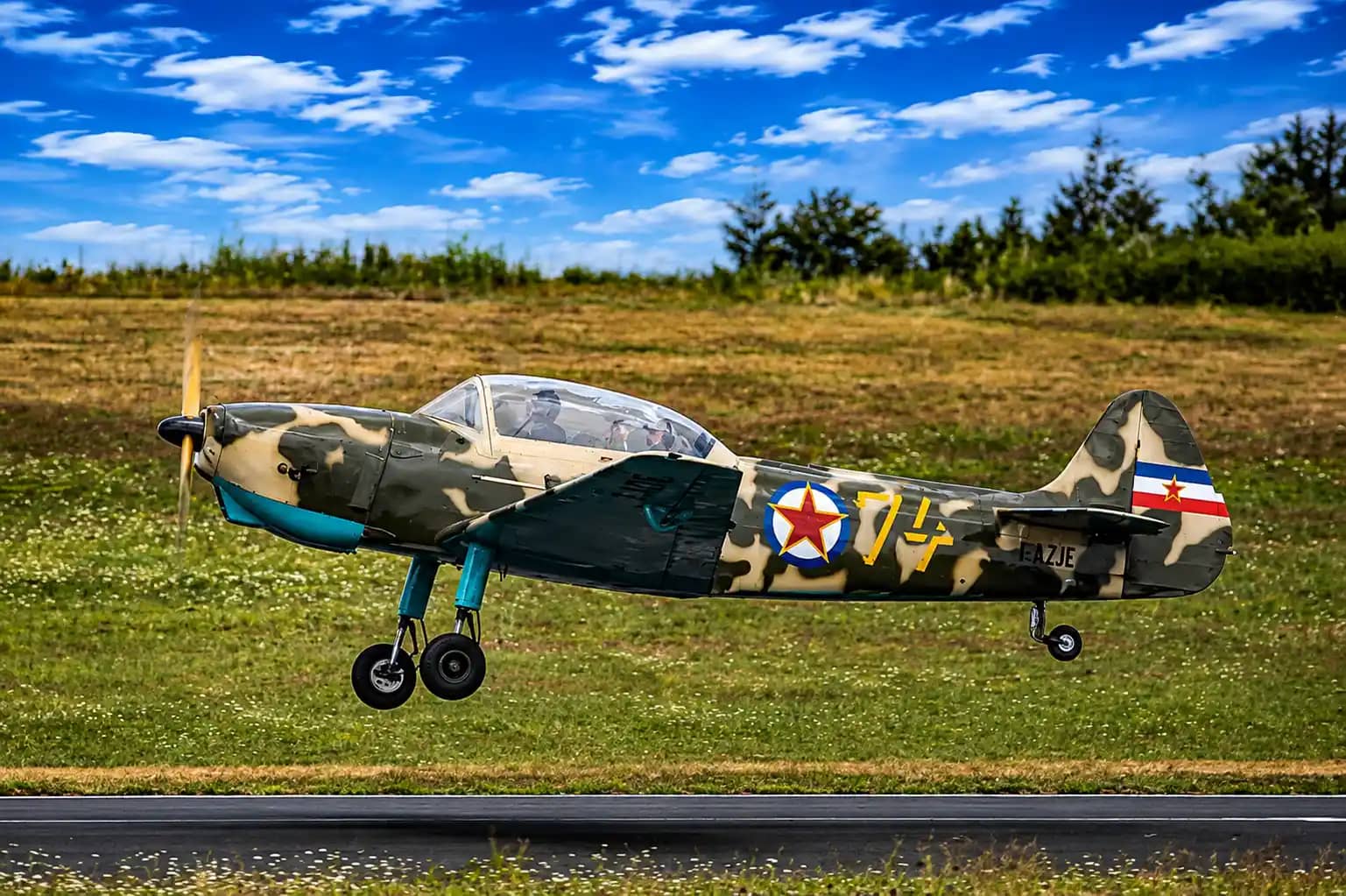
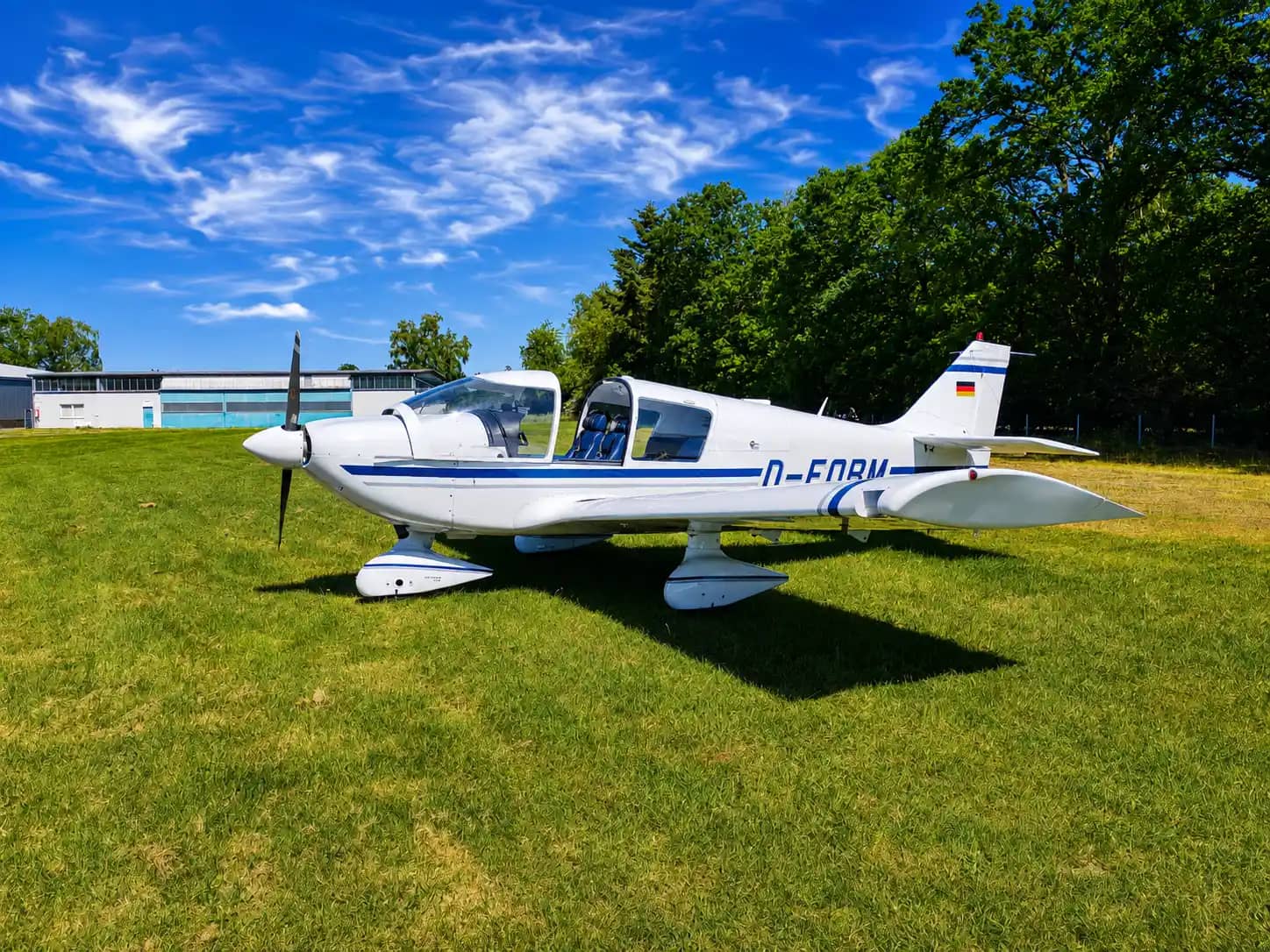
 Florida

What Is the Cessna Citation Mustang?

The Cessna Citation Mustang, formally the Model 510, is a twin-engine very light jet designed to make turbine business aviation accessible to owners stepping up from high-performance piston aircraft and turboprops. It combines jet cruise altitude and speed with a relatively straightforward operating concept, a compact cabin and certification for single-pilot operation.
Produced as part of the wider Citation family, the Mustang occupied an entry-level position beneath larger Citation light jets. It was intended for practical short- to medium-range business travel rather than large-cabin comfort or maximum passenger capacity. A typical mission might carry an owner-pilot and two or three passengers between regional business centres, bypassing airline schedules and connecting airports that are inconvenient for commercial service.
The aircraft remains relevant in the pre-owned market because its core proposition is clear: a small, efficient jet with familiar Citation-brand support, modern integrated avionics and useful airport flexibility. Corporate flight departments may use it as a supplemental or executive shuttle aircraft, while charter and managed-aircraft operators may value it on appropriately sized trips. Its principal strengths are operational simplicity, jet speed, access to higher flight levels, a compact footprint and economics that can compare favourably with larger jets when annual utilization and mission length are sensible.
It is not a substitute for a six- to eight-passenger light jet on long sectors. Buyers should regard it as an efficient tool for carrying a limited number of people quickly and comfortably enough for focused business trips, not as a miniature midsize cabin.
Citation Mustang Development and Market Position
Cessna introduced the Mustang as a lower-barrier entry into the jet market at a time when many pilots and businesses wanted more speed and weather capability than a piston aircraft or turboprop could offer. The Model 510 received type certification in 2006 and entered service shortly thereafter. Its arrival gave the Citation range a product aimed directly at owner-flown and small-company missions.
The aircraft sits within a family known for practical business jets across multiple size categories. Compared with larger Citations, the Mustang has less cabin volume, payload flexibility and range, but it also has fewer seats to fill, lower fuel burn and a less complex day-to-day ownership proposition. Its Garmin-integrated cockpit was especially significant for pilots accustomed to contemporary general aviation avionics.
Production concluded in the 2010s, yet the fleet has remained active, making aircraft condition, records and support planning more important than model-year alone. A well-maintained example with current avionics data capability, organized maintenance history and predictable engine status can be more compelling than a lower-priced aircraft with deferred work.
Its competitive set includes very light jets such as the Embraer Phenom 100 and Cirrus Vision Jet, along with earlier VLJ offerings. Buyers may also compare it with compact light jets and premium turboprops, including aircraft that trade jet altitude and speed for a larger cabin, lower acquisition cost or stronger short-field performance. The right comparison depends on the actual route network, passenger mix and pilot model.
Performance, Range and Airport Capability

The Mustang is powered by two Pratt & Whitney Canada PW615F turbofan engines. Twin-engine turbine redundancy, pressurization and the ability to operate at higher altitudes are central to its appeal. In cruise, owners can select a faster profile when schedule matters or use a more conservative setting when fuel planning and operating cost take priority. Published maximum cruise figures are often quoted around the mid-300-knot range, but real dispatch speed depends on altitude, temperature, weight, routing and engine-setting choices.
Range deserves especially careful interpretation. The commonly cited NBAA IFR range is a standardized planning figure, not a promise that every aircraft can fly every route with every passenger load. It assumes particular reserves, atmospheric conditions and operating assumptions. Real-world trip planning must account for forecast winds, climb fuel, air traffic routing, an alternate airport when required, taxi fuel, passenger and baggage weight, and prudent fuel margins.
For many operators, the Mustang works best on sectors where it can carry two to four occupants over a practical regional or continental city-pair distance without demanding maximum fuel and maximum payload at the same time. A shorter trip can be completed with generous reserves and flexible departure choices. A trip near nominal range may require tighter passenger, baggage and fuel trade-offs, particularly in strong headwinds or when an alternate is likely.
The aircraft can climb into the flight levels, where it may avoid some weather and benefit from smoother air or favourable winds. That capability is valuable, but it does not eliminate the need for disciplined convective-weather avoidance, icing analysis and destination planning. Climb performance is also affected by weight and temperature, so crews should use current performance data rather than broad assumptions.
Runway selection should be based on the approved aircraft flight manual data for the actual conditions. Field elevation, temperature, runway slope, contamination, obstacles, wind and aircraft weight all influence takeoff and landing margins. The Mustang can serve many business-aviation airports, but it is not a reason to treat every short runway as suitable. Hot-and-high operations, a full passenger cabin and substantial fuel can be a restrictive combination. Buyers whose typical destinations have short, wet, elevated or obstacle-limited runways should model those operations before purchase.
| Planning factor | Why it matters | Buyer action |
|---|---|---|
| Cruise profile | Higher speed can increase fuel use. | Compare schedule value with fuel and reserve targets. |
| Passenger load | People and bags reduce fuel flexibility. | Build plans around actual traveller weights and baggage habits. |
| Weather and alternates | Reserves can materially shorten a planned leg. | Use conservative dispatch assumptions for frequent routes. |
| Airport environment | Heat, elevation and runway constraints affect payload. | Review representative performance calculations with a qualified pilot. |
Cabin Layout, Baggage and Passenger Experience
A typical Citation Mustang cabin is arranged for four passengers in a club layout, with two additional cockpit seats available depending on the operating configuration. The cabin is intentionally compact. It is suitable for business conversations, short working sessions and trips of a few hours, but passengers should not expect a stand-up cabin, broad aisle or the personal space associated with larger light jets.
The practical experience depends as much on passenger stature and trip duration as on the seat count. Four average-sized adults can be a good fit for a short sector, while a smaller group may be more comfortable on longer trips. A buyer carrying tall executives, multiple family members, extensive luggage or frequent golf, ski or bulky equipment should physically inspect the baggage arrangement and sit in the cabin rather than relying on a seating diagram.
The Mustang offers accessible baggage solutions, including areas reached from the cabin and external storage. Loading convenience and usable volume should be assessed with the items passengers actually bring. Soft bags often work more easily than rigid cases, and weight distribution remains important. The aircraft is capable of a pleasant, pressurized travel environment, although noise, cabin width and proximity to the cockpit are more noticeable than in a larger jet.
For an owner who normally flies alone or with one to three colleagues, the space can be a rational compromise in exchange for lower operating burden. For a company that routinely carries four passengers plus a second pilot, or expects a polished large-jet cabin experience, moving up in aircraft class may be the better long-term decision.
Avionics, Cockpit Design and Pilot Workload
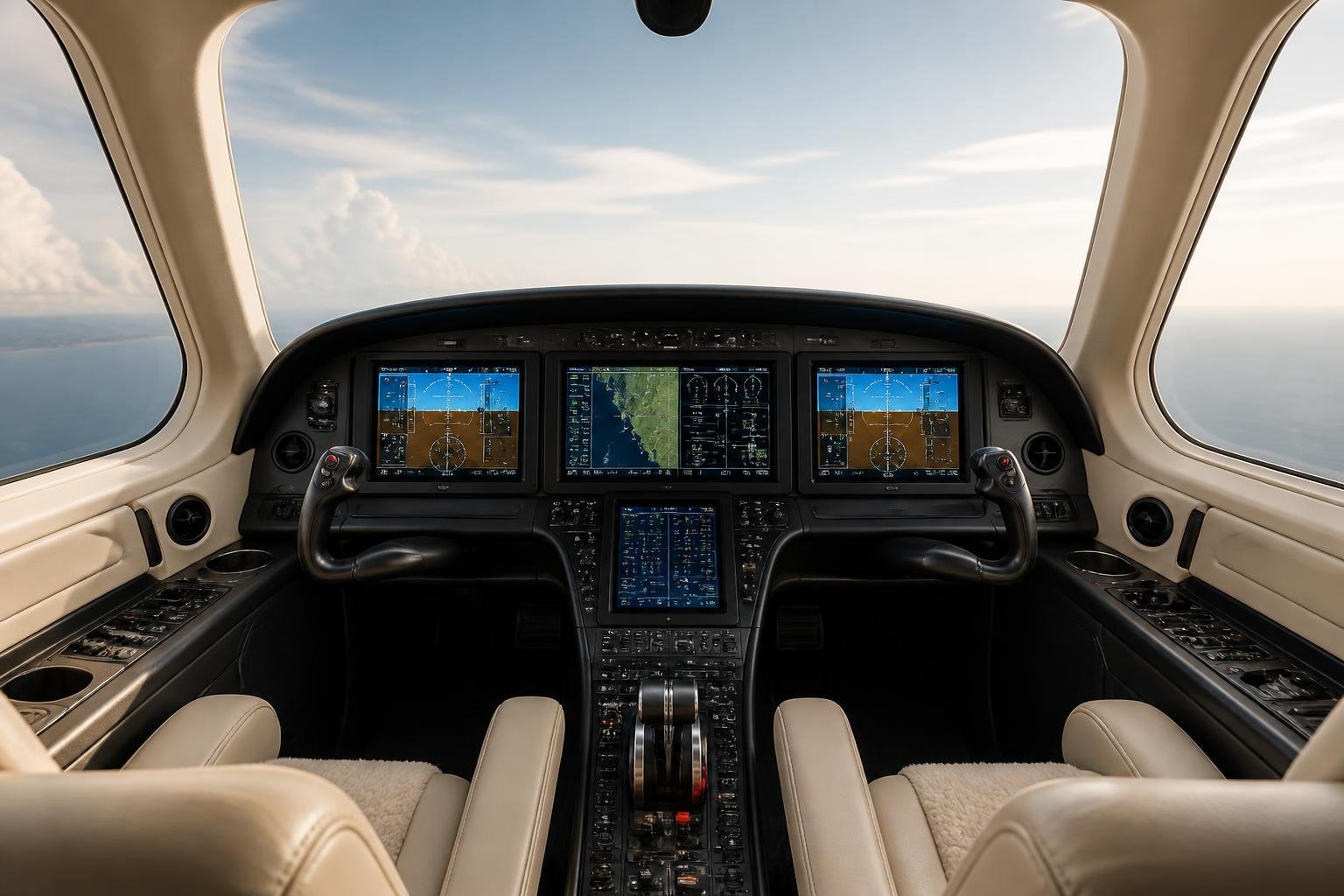
The Mustang uses the Garmin G1000 integrated flight deck, with large displays combining primary flight information, navigation, engine data and aircraft systems indications. This approach gives pilots an organized cockpit environment and a logical progression from advanced Garmin-equipped piston aircraft. It also differs from operating a turbine aircraft with isolated analogue instruments or older-generation avionics.
Its autopilot and flight-guidance functions can reduce workload substantially when used correctly, especially during en-route operations and structured arrivals. However, automation is a tool rather than a substitute for turbine judgment. Pilots must understand mode selection, vertical-path management, missed-approach setup, abnormal indications and manual flight at the speeds associated with jet operations. A clean normal workflow includes careful preflight programming, cross-checking route and performance information, active monitoring and disciplined reversionary-mode knowledge.
The Mustang is certificated for single-pilot operation, but certification is not the same as universal suitability. A single pilot must be current, rested, insured for the intended operation and genuinely proficient in instrument flying, high-altitude procedures and aircraft-specific systems. A second pilot can add resilience on demanding weather days, international trips, unfamiliar airports or passenger-intensive schedules. The best crew choice is driven by risk tolerance and mission complexity rather than by the minimum legal requirement.
During acquisition, verify the condition and support status of displays, avionics software, navigation databases, terrain and weather functions, transponder capability and any connectivity equipment. Database subscriptions and periodic software support are recurring ownership items. Confirm that installed equipment meets the airspace and operational requirements relevant to the aircraft's future base and routes. Transition training should include realistic automation management, turbine-engine handling, pressurization, high-altitude weather and abnormal-situation practice.
Operating Costs and Ownership Budget
Operating cost is best understood as a complete annual budget, not a single hourly number. Fixed costs generally include insurance, hangarage, recurrent training, avionics and chart subscriptions, maintenance tracking, accounting, registration-related expenses and, where applicable, aircraft management. If a professional crew is used, salary, benefits, travel and coverage arrangements become meaningful fixed commitments.
Variable costs include fuel, engine reserves or engine-program payments, routine maintenance, parts, consumables, landing and handling charges, and maintenance-related repositioning. Fuel cost changes with price, route length, altitude, speed selection and time spent taxiing or holding. Maintenance does not arrive evenly: a quiet period can be followed by an inspection, component replacement or discrepancy that changes the monthly picture.
Annual utilization is the major driver of cost per flight hour. A lightly flown aircraft still has many calendar-driven expenses, so its apparent hourly cost can be high. More utilization spreads those fixed costs across more hours, but it also increases fuel, engine exposure and maintenance events. An owner should create a budget at low, expected and high annual-hour scenarios rather than selecting one optimistic utilization number.
Owner-flown operation can reduce crew cost and enhance flexibility, provided training, insurance and personal availability support it. Professionally crewed, managed or charter-oriented structures may improve dispatch support and revenue opportunities but introduce commercial complexity, wear considerations and scheduling constraints. Dry lease arrangements also require careful legal, insurance and operational review.
Keep a separate contingency reserve for unscheduled maintenance and downtime. The available maintenance-provider network, the aircraft's home location, local hangar conditions and access to knowledgeable technicians can materially affect both expense and availability. The cheapest purchase is rarely the lowest-risk ownership decision if it is based far from appropriate support or carries a backlog of deferred work.
Maintenance, Inspections and Engine Programs
A successful Mustang ownership experience begins with disciplined scheduled-maintenance planning and complete records. Review the maintenance schedule by calendar, flight hours and cycles, then map upcoming tasks against the intended utilization. An aircraft that appears current may still have expensive calendar items approaching soon after closing.
The PW615F engines require attention to operating history, compliance status, borescope findings where appropriate, oil and filter monitoring, trend data and maintenance documentation. Engine-program enrollment can offer more predictable exposure for certain covered events, but buyers must confirm the exact terms, transfer process, eligibility, payment status and exclusions. An aircraft without program coverage is not automatically unsuitable, but its purchase price and reserve model should recognize the different risk profile.
Inspect airframe condition beyond the logbooks. Landing gear, brakes, tires, wheels, batteries, windshields, seals and exterior finishes can all create near-term expense. Aircraft based in coastal, humid or harsh winter environments deserve particular attention to corrosion prevention and evidence of appropriate care. Paint condition is partly cosmetic, yet it can also affect a buyer's ability to see prior repairs, corrosion or water ingress concerns.
Verify compliance with all applicable airworthiness directives, service bulletins and manufacturer-recommended actions. A specialist should distinguish mandatory compliance from optional improvements while explaining operational consequences. The pre-purchase inspection should be performed at a facility with meaningful Mustang experience and should be governed by a clear scope, access rights, discrepancy process and responsibility for rectification. The objective is not merely to find defects; it is to understand condition, remaining life and likely cash requirements after delivery.
How to Evaluate a Pre-Owned Citation Mustang
Start a pre-owned evaluation with the aircraft's story. Total time and cycles matter, but so do ownership history, base locations, utilization consistency and periods of inactivity. A regularly flown aircraft with methodical maintenance may present differently from one that has accumulated few hours but sat for long periods. Review complete airframe, engine, propulsive-system and avionics records with an independent technical adviser.
Damage history requires context, not reflexive rejection. Determine what occurred, how repairs were documented, whether the repair facility was appropriate and whether the work affects value, insurability or future exportability. Missing logbooks, unclear component traceability or unexplained gaps should be treated as serious commercial issues.
Evaluate engine status in detail, including program coverage, trend-monitoring records, recent maintenance findings and foreseeable exposure. Check avionics configuration against the intended operation, including mandated surveillance equipment, navigation capability and practical connectivity needs. A functioning installation today may still require paid updates or equipment changes to remain useful in the buyer's environment.
Walk through the cabin and exterior in person. Look at seat wear, veneer or trim condition, carpet, seals, window and windshield clarity, paint repairs and evidence of water intrusion. Confirm recent major work and identify calendar-driven items due in the first year. A detailed closing model should include acquisition price, taxes where applicable, title and registration work, delivery costs, inspection findings, training, insurance deposits, upgrades and an initial maintenance reserve.
Use qualified legal, tax, title and escrow professionals for the transaction structure. Registration, export documentation, ownership entity decisions and tax treatment vary materially by jurisdiction. Independent records review and a well-controlled escrow process help ensure that funds, title documents, acceptance conditions and delivery obligations are handled in the correct sequence.
Mission Planning: Is the Mustang the Right Aircraft?
The Mustang is strongest when the mission regularly involves one to four people, moderate baggage and trips that benefit from jet speed without requiring a large cabin. It can be an excellent aircraft for regional business travel, efficient same-day returns and routes where climbing above much of the weather creates meaningful time or comfort advantages.
Against a premium turboprop, the Mustang can offer faster cruise, higher operating altitudes and the perception and comfort of jet travel. A turboprop may offer lower fuel consumption, stronger utility at some smaller airports, a larger cabin in certain models or more payload flexibility. The comparison should be made route by route, including block time rather than only cruise speed.
Against a larger light jet, the Mustang generally gives up cabin room, baggage capacity, passenger count and some range or hot-and-high flexibility. In return, it can offer a smaller financial and operational footprint. Buyers who consistently need six passengers, substantial bags or legs near the upper edge of very light jet capability should avoid trying to force those missions into the Mustang.
Single-pilot flexibility is a valuable advantage for a qualified owner, while a second pilot may be justified for demanding trips, operational continuity or a business that needs dispatch reliability independent of one person's availability. Consider weather exposure, airport limitations, expected flight levels, the importance of schedule certainty and whether passengers will be comfortable with the cabin dimensions. A careful mission analysis before shopping is more valuable than a comparison based solely on purchase price.
Common Buyer Mistakes to Avoid
Choosing the lowest asking price without calculating inspection findings, upgrades, taxes, delivery, reserves and first-year maintenance.
Underestimating initial and recurrent training, insurance requirements and the time needed to build meaningful single-pilot turbine proficiency.
Ignoring engine-program status, transfer terms and the timing of maintenance events that can change the effective acquisition cost.
Using brochure range as a routine dispatch assumption instead of planning for real passengers, winds, alternates and reserves.
Skipping a specialist pre-purchase inspection or allowing a vague inspection scope that does not answer the buyer's commercial questions.
Overlooking cabin fit, baggage volume and passenger expectations because the aircraft looks adequate during a short ramp visit.
Failing to model first-year cash needs, including hangar deposits, subscriptions, training, insurance, corrective maintenance and downtime.
Final Checklist Before Making an Offer
Before making an offer, define the mission in measurable terms: normal passenger count, baggage, longest frequent route, likely reserve assumptions, destination runway characteristics and expected annual hours. Set separate limits for purchase price, immediate upgrades, first-year cash needs and recurring operating expense. This prevents an attractive listing from becoming the starting point for an unsuitable mission.
Shortlist aircraft based on records quality and condition as well as specification and appearance. Engage experienced technical, legal, tax and escrow advisers early. A demonstration flight and operational review should test not only performance but also cockpit ergonomics, cabin comfort, loading process and the likely owner-pilot workflow.
Make the offer subject to clearly defined inspection, records, title and delivery conditions. Negotiate responsibility for material discrepancies, maintenance reserves, program transfers and required documentation before funds are committed. Finally, arrange training, insurance approval, hangarage, maintenance support and data subscriptions before delivery. A properly planned acquisition turns the Mustang from an appealing aircraft listing into an aircraft that is ready for safe, predictable use.

Comments
No comments yet
Be the first to share your thoughts!