
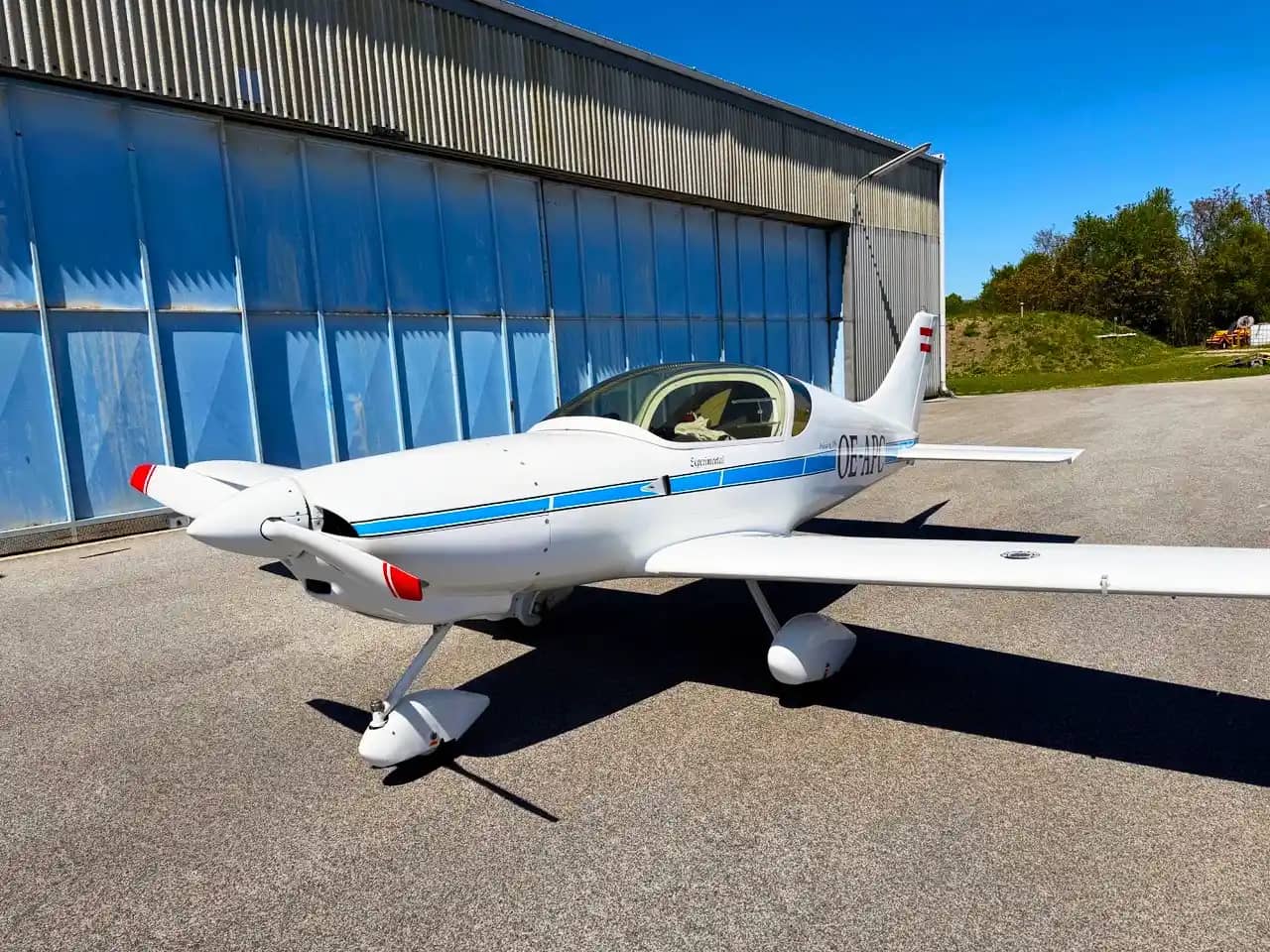
 Bad Vöslau
 Kirn
Kirn
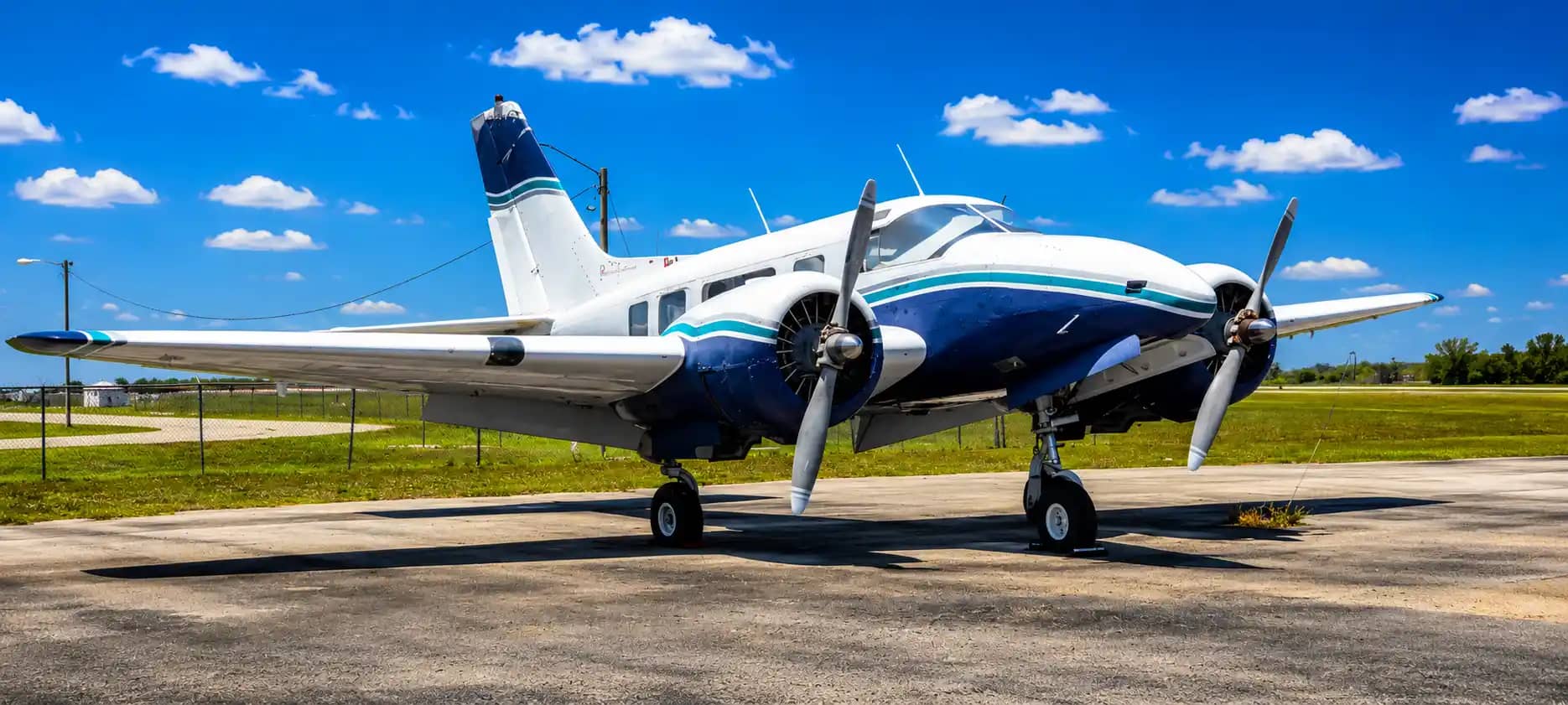
 Florida
Continental W-670 Buyer’s Guide: The Ownership Decision
A Continental W-670 can be a rewarding engine for a historic-aircraft owner, but it should be purchased as a documented mechanical system rather than as a simple time-since-overhaul figure. The central questions are condition, provenance, supportability and suitability for the intended operating mission. A regularly flown, well-recorded engine with specialist attention may present a more manageable ownership case than a lower-time example with uncertain overhaul scope or long inactive storage.
Evaluation differs materially from buying a modern horizontally opposed engine. The W-670 engine is a seven-cylinder radial with historic components, installation-specific cooling and oil-system considerations, and a support network that is more specialist than mainstream. Its condition can be influenced heavily by calendar age, preservation practice, parts traceability and the quality of earlier repair work. A buyer should therefore assess the engine, propeller, airframe installation and records together.
Before assigning value, establish four basics: complete records; the exact engine and installation configuration; practical access for an independent inspection; and access to a mechanic or overhaul shop experienced with small radials. This guide is aimed at Stearman owners, restorers and buyers of historic aircraft. It is not a substitute for a pre-buy inspection, logbook review, or the applicable maintenance and approval requirements in the aircraft’s jurisdiction.
- Verify the data plate, engine designation and serial-number trail.
- Read the overhaul evidence behind any stated SMOH figure.
- Assess current mechanical evidence, not paperwork alone.
- Budget for specialist labour, preservation and deferred items.
What the Continental W-670 Is and Where It Fits
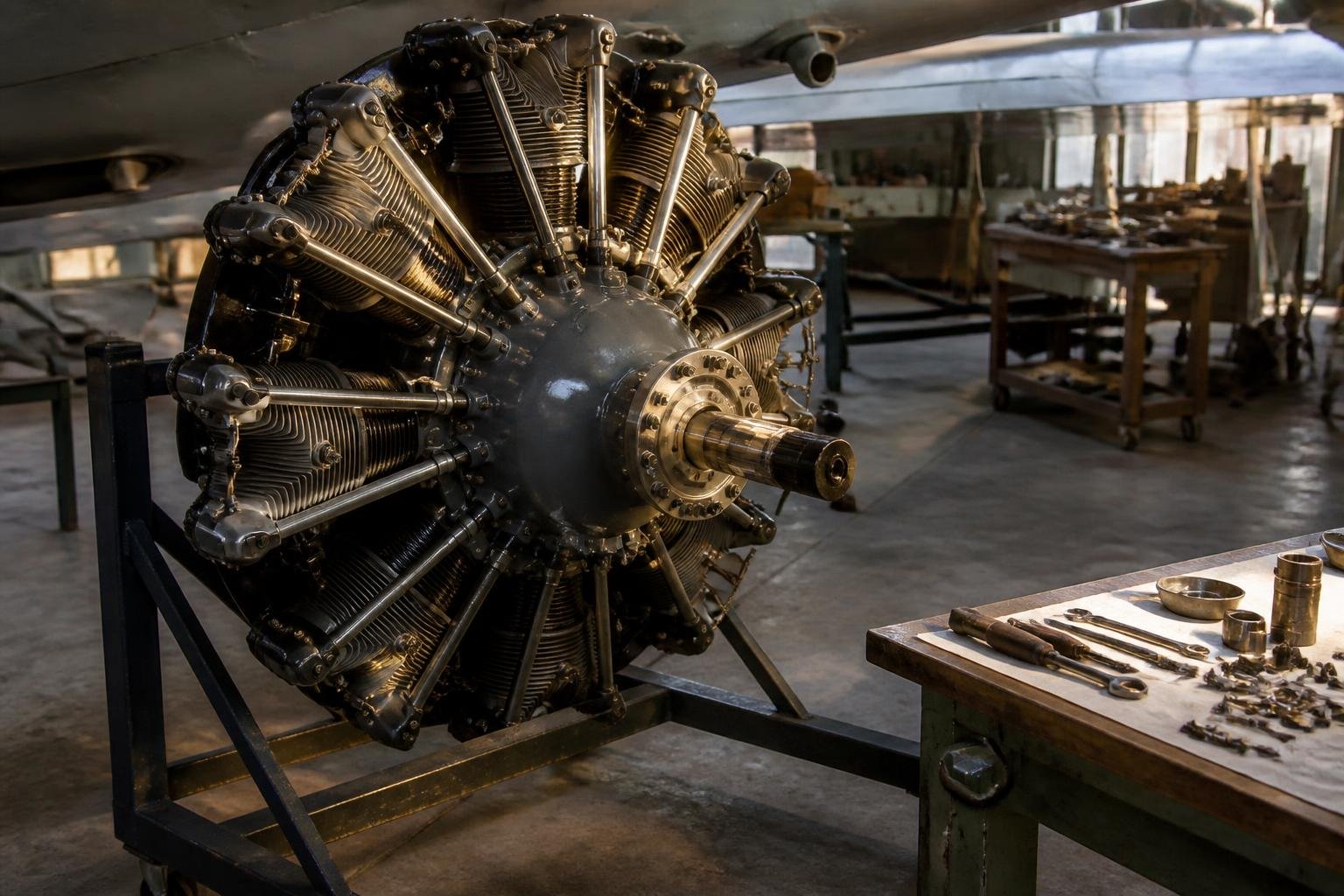
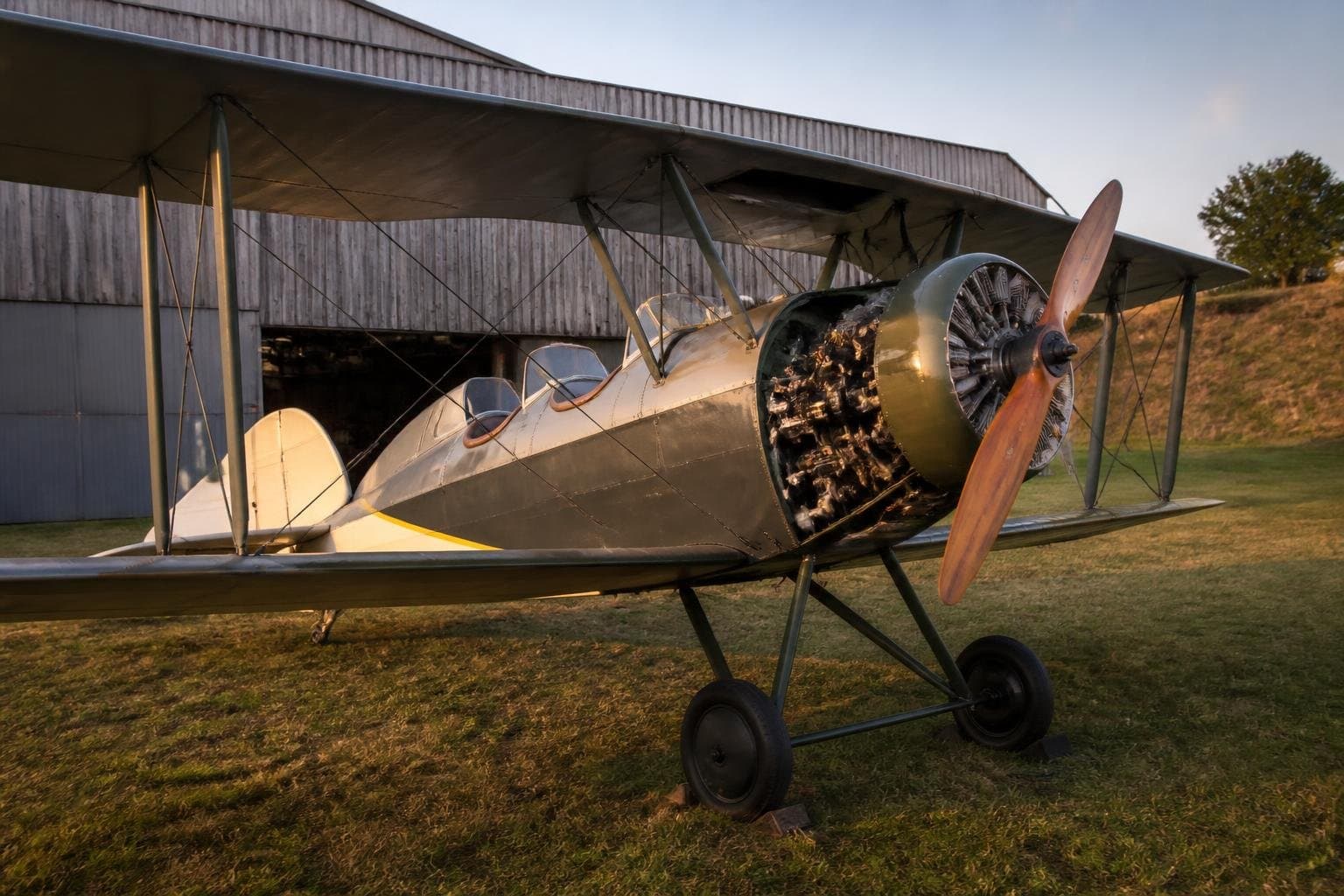
The Continental W-670 is an air-cooled, seven-cylinder radial engine family developed for light aircraft applications of its era. Its radial layout places individual cylinders around a central crankcase, with exposed cylinder fins relying on airflow management and correct baffle and cowling condition. The engine is closely associated with historic American aircraft and appears in a number of Boeing-Stearman trainer variants and restorations.
Buyers should not treat “W-670” as a complete specification. The family includes different designations and configurations, and the exact dash number matters when considering approved installation, powerplant records, accessory arrangement, propeller compatibility and parts selection. A designation recorded in an advertisement should be confirmed against the engine data plate and the aircraft’s maintenance documentation.
It is equally important to separate family characteristics from the facts of one engine. A specific W-670 may have a particular carburettor, magneto arrangement, cylinders, propeller installation, repair history or approved modification. Those details cannot be assumed from the family name. On a Stearman, the airframe model, restoration history and any engine conversion work are part of the technical identity of the installation.
| Buying question | Why it matters |
|---|---|
| Exact W-670 designation | Determines the correct technical and installation research. |
| Serial-number continuity | Connects the physical engine to overhaul and maintenance records. |
| Installed accessories | May have separate times, records and overhaul needs. |
| Aircraft approval basis | Helps establish whether the engine-airframe combination is properly documented. |
Confirm the Engine and Airframe Configuration Before Valuing It
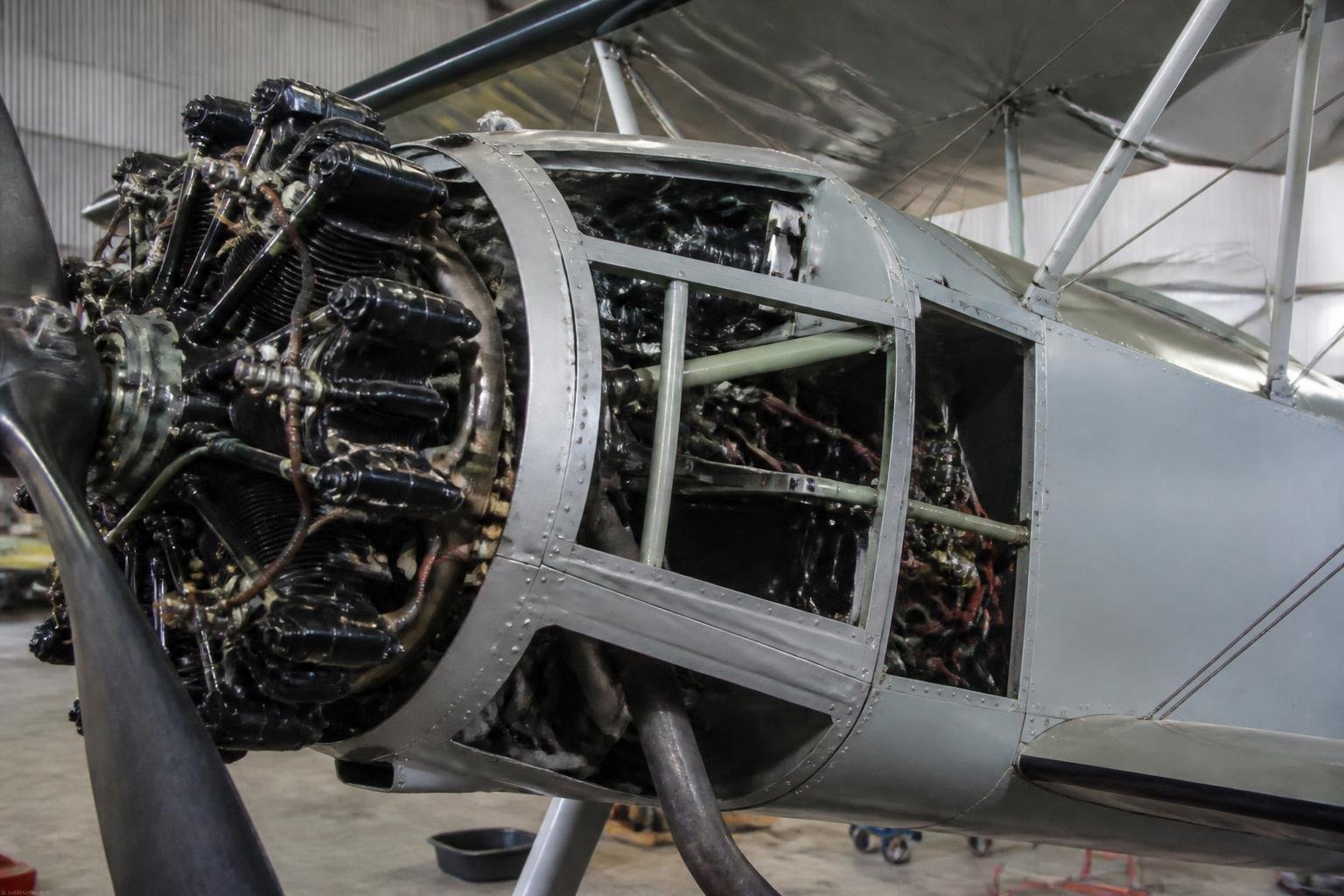
Start with the engine data plate. Photograph and transcribe the model designation and serial number, then compare them with engine logbooks, overhaul invoices, component tags and aircraft records. Discrepancies are not automatically disqualifying, particularly on aircraft with long restoration histories, but they require a clear documented explanation before a buyer relies on stated time or configuration.
Next, establish the approved installation. A Stearman may have been restored, modified or converted during a long civilian life. The relevant questions include which airframe variant is involved, what engine model is installed, whether the installation is supported by the applicable approval documentation, and whether the records identify alterations to the engine, propeller, cowling, fuel or oil systems. The buyer’s mechanic should review this against the rules and records applicable where the aircraft is registered.
Inspect compatibility beyond the engine itself. The propeller and, where fitted, governor must match the installation and have their own maintenance history. Exhaust routing, baffles, ignition harnesses, oil lines, accessory drives and cowling panels should be evaluated as a system. A technically sound core engine can still become an expensive project if surrounding components are incomplete, mismatched or overdue for attention.
Logbook continuity adds confidence but does not eliminate risk. Gaps should prompt focused questions: Was the aircraft stored? Were records lost? Was work performed by a known facility? Can invoices, work orders or inspection reports bridge the missing period? A defensible answer is more useful than a claim that an undocumented period is unimportant.
How to Read an SMOH Claim for a W-670 Engine
SMOH means time since a documented major overhaul. It is a useful reference point, but it is not a condition guarantee, an airworthiness statement or a prediction of remaining service life. For a historic W-670 engine, the date of overhaul can be as significant as the hours accumulated since it. An engine with low hours accumulated over many years may need closer scrutiny than one operated regularly under a disciplined maintenance programme.
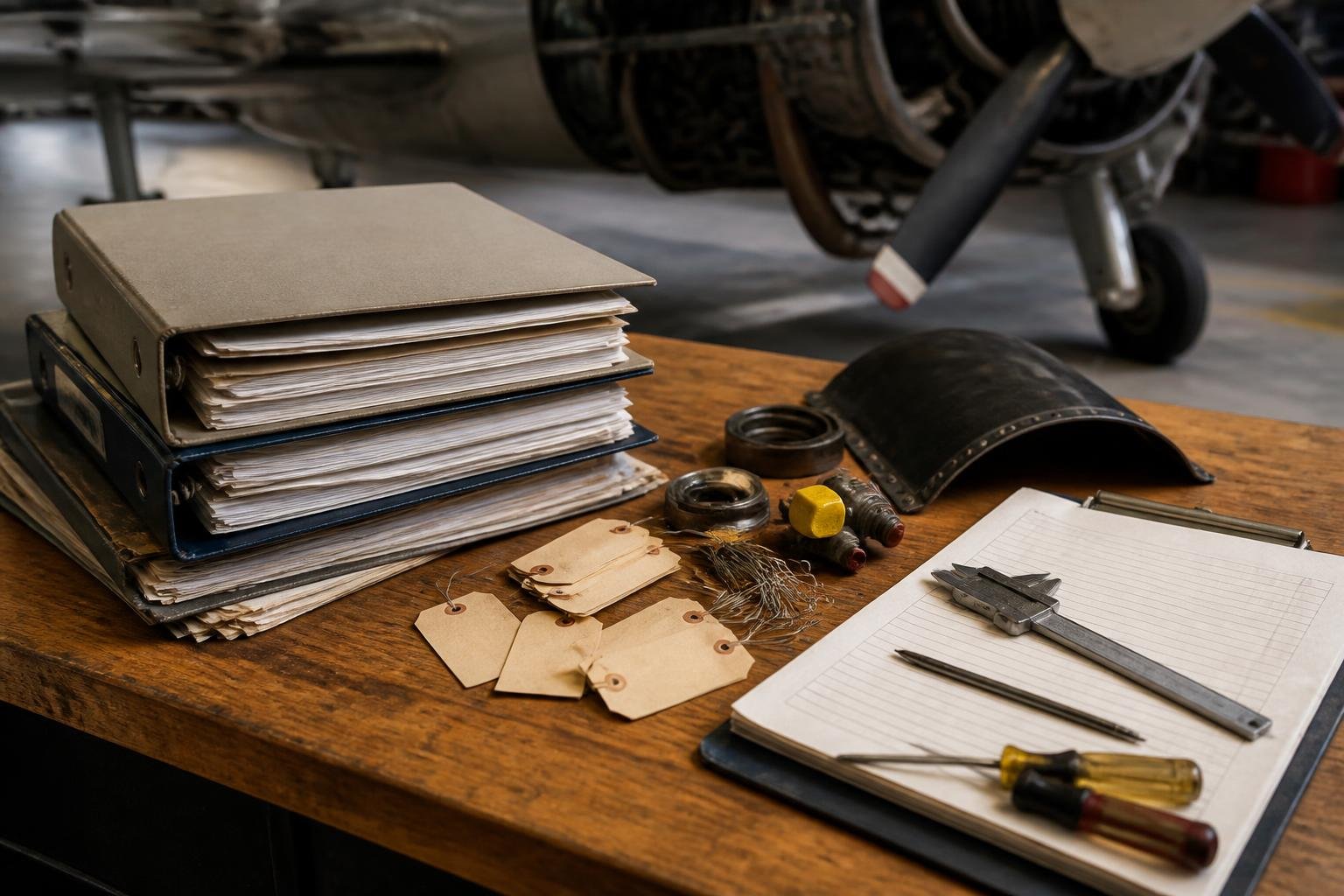
Ask who performed the overhaul, when it was completed, and what records establish the scope. A credible file normally helps identify the engine by serial number and includes an invoice or work order, parts and repair detail, inspection findings, and release or approval documentation appropriate to the work and jurisdiction. Dimensional records, component tags and evidence of work by a shop familiar with small radials can add useful context. Absence of a detailed file does not prove poor work, but it increases uncertainty and should affect inspection depth and valuation.
Read the terminology carefully. “Overhauled,” “zero-timed,” “rebuilt,” “top overhaul” and “freshened” are not interchangeable descriptions. Determine which cylinders, pistons, bearings, valves, guides, ignition components and accessories were replaced, repaired, reused or merely inspected. A major overhaul claim should not obscure substantial retained components or separately timed accessories.
Post-overhaul evidence matters. Look for break-in entries, oil changes, oil-screen or filter findings, compression results, oil analysis where available, cylinder work and defect rectification. Ask how the engine has been used: regular flight operation, occasional short flights, ground runs, or storage. Engine time, magneto time, carburettor time and propeller time may all differ and should be recorded separately.
Maintenance Records That Matter Most
Complete engine, airframe and propeller logbooks allow a buyer to build a timeline rather than judge isolated entries. Focus first on the most recent annual or equivalent inspection records, open defects, corrective actions and evidence that recurring issues were resolved rather than repeatedly deferred. An annual inspection entry is valuable, but it does not replace an independent review of present condition.
For the W-670 engine, maintenance history involving cylinders, valves, rocker assemblies, pushrods, ignition, carburettor adjustment and fuel-system work deserves close attention. Repeated cylinder removals, persistent plug fouling, ignition troubleshooting or oil leaks may be normal maintenance events or signals of a wider pattern; context and the mechanic’s findings decide which.
Oil records can be particularly revealing. Seek entries for oil changes, screen or filter inspections, contamination findings and follow-up work. The meaning of material found in a screen depends on type, quantity and subsequent investigation, so buyers should not interpret a single notation without experienced technical advice. Records of corrosion-control work and preservation procedures are especially relevant after inactivity.
Research applicable airworthiness directives, manufacturer service information and recurring inspection requirements with a qualified mechanic. The objective is not simply to confirm that paperwork exists; it is to establish that required actions were identified, recorded and supported by evidence. Where documentation is incomplete, obtain a written list of unresolved research items before negotiating.
W-670 Inspection Priorities Before Purchase
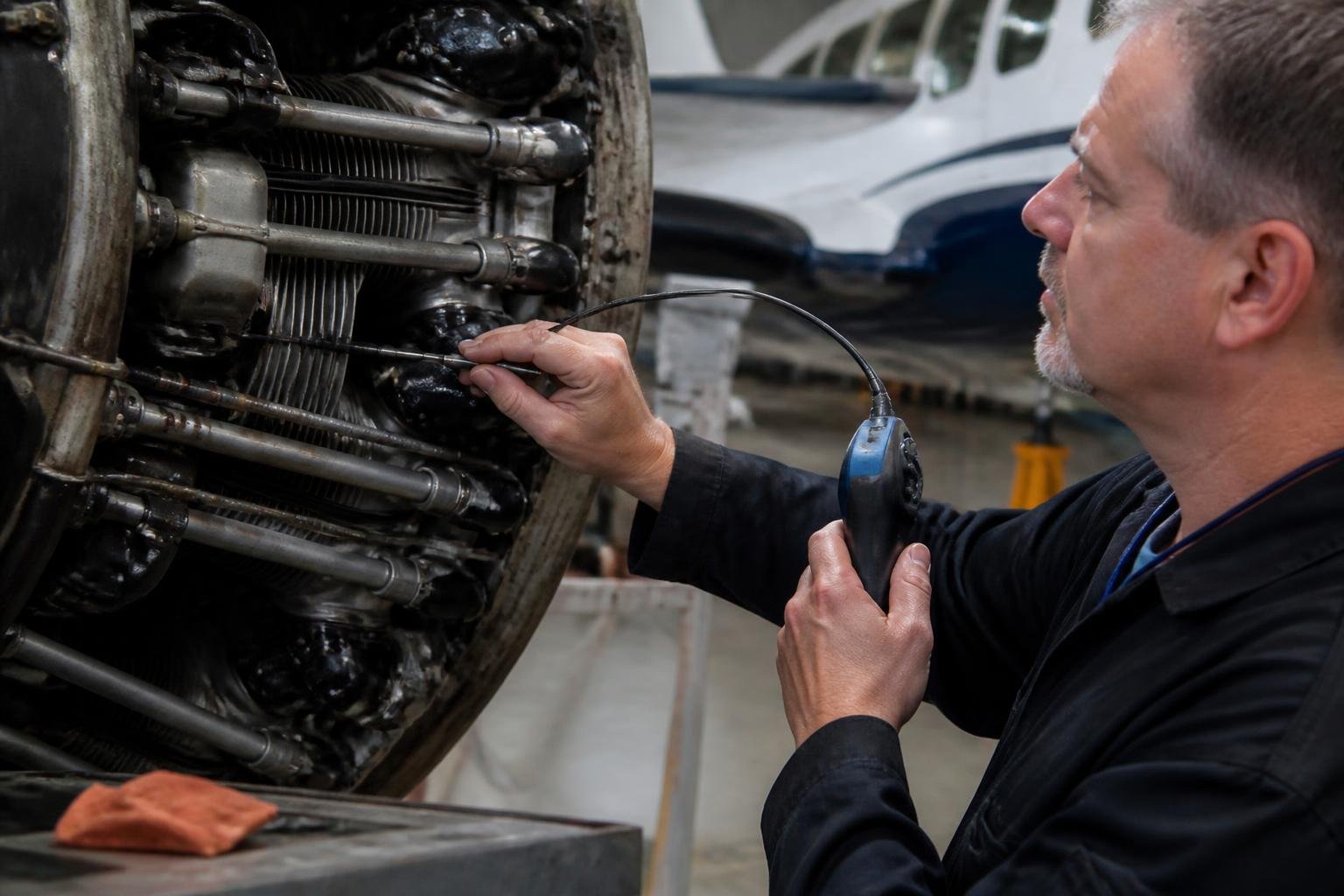
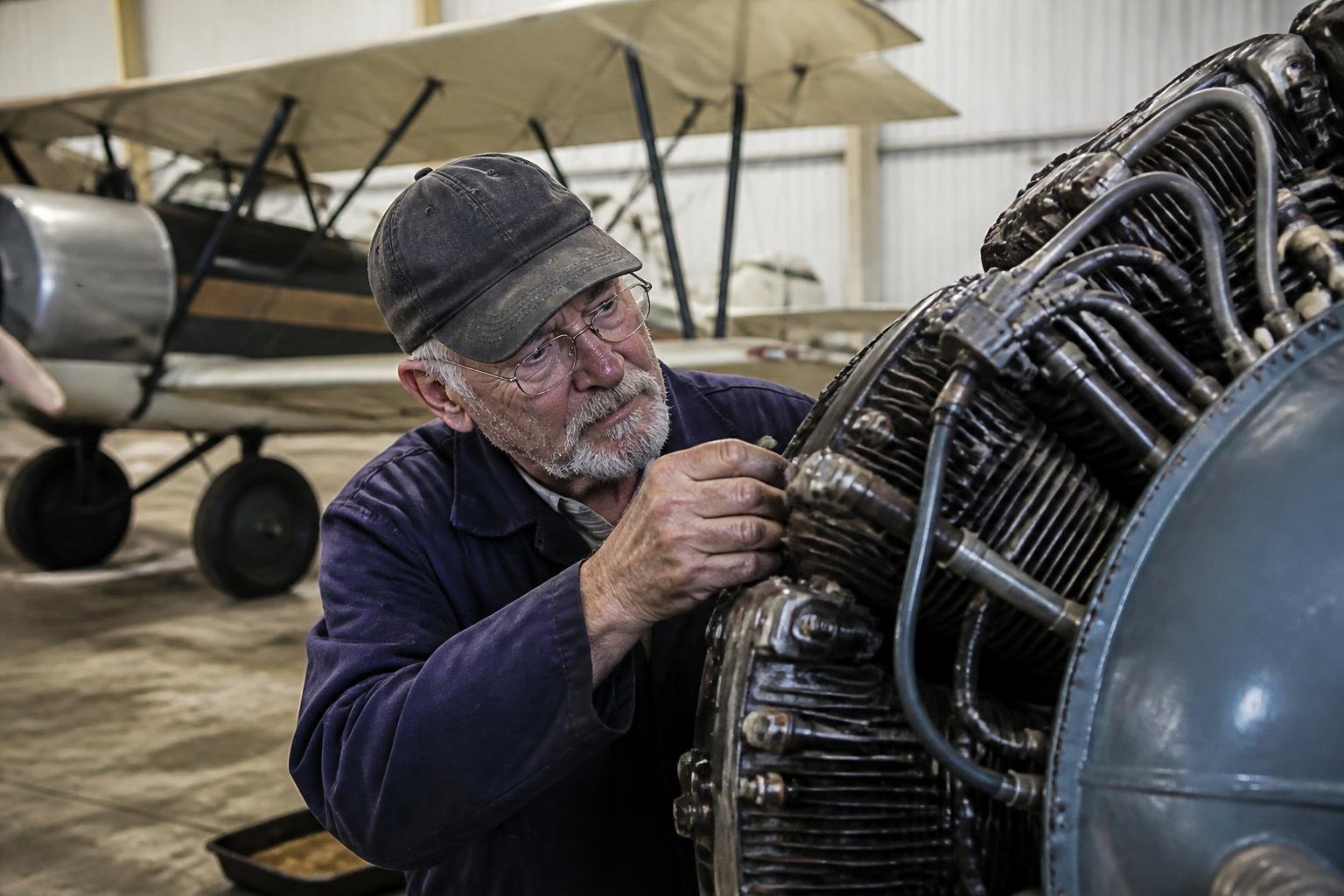
Arrange an independent pre-buy inspection with a mechanic who understands both small radial engines and Stearman installations. A general inspection may identify obvious issues, but radial-specific experience is valuable when interpreting oil-system behaviour, cylinder findings, valve-train condition, ignition health and installation-related cooling concerns. The inspector should have enough time and access to review records as well as hardware.
A cold start, if appropriate and safely conducted, can provide useful observations on starting behaviour, magneto operation, oil pressure response, smoke, idle quality and temperature trends. It should not be staged merely to produce a pleasing demonstration. Confirm that operating checks follow the applicable operating limitations and that abnormal indications are investigated rather than explained away.
- Perform compression testing using a consistent method and interpret results alongside cylinder condition.
- Bore-scope cylinders for corrosion, scoring, deposits, valve condition and other visible concerns.
- Inspect rocker boxes, valve gear and pushrods for condition, security and evidence of leakage.
- Assess crankcase, cylinder-base and accessory-section leaks, distinguishing active defects from normal residue.
- Check ignition harness condition, magneto records, plug condition and timing.
- Review carburettor, fuel-system and induction-system security and condition.
- Inspect engine mounts, baffles, cowling and hardware for cracks, fit, wear and chafing.
No single test proves engine health. Good compression cannot rule out all internal concerns, and a satisfactory ground run cannot validate an engine that has spent years in unsuitable storage. The strongest buying decision combines documentation, visual inspection, operational evidence and specialist judgment.
Stearman-Specific Engine Installation Checks
A Stearman purchase requires attention to the installation around the W-670 engine, not just the powerplant’s apparent condition. Confirm that the installed engine model is consistent with the aircraft’s documented configuration and approvals. Historic airframes may have complex restoration and conversion histories, so the maintenance record should clearly identify significant installation work.
Cooling airflow is a practical concern on a biplane radial installation. Inspect baffle integrity, cowling fit, seals, fasteners and evidence of rubbing or heat exposure. Damaged or poorly fitted baffles can compromise intended airflow distribution even when the engine itself appears well maintained. Review reported cylinder-head and oil-temperature behaviour in the context of the aircraft’s operating history, ambient conditions and instrumentation.
Examine the oil tank, hoses, fittings, cooler where installed, clamps and fire-sleeve condition. Fuel delivery, carburettor heat and induction security deserve equal care because leaks, deteriorated flexible lines and poorly supported components can create reliability and maintenance issues. Confirm propeller compatibility, overhaul status, blade condition and track. Vibration may originate in the propeller, mounts or other rotating components, so it should be investigated systematically rather than attributed to the radial engine by default.
Finally, consider access. A configuration that is difficult to open, inspect or service can add labour to routine work. Cowling removal, oil servicing, plug access and inspection access affect the practical ownership experience and should be part of the maintenance budget.
Parts Availability, Specialist Support and Shop Selection
Support for a Continental W-670 is different from support for a current-production engine. Parts may be available as new-production, overhauled, serviceable or owner-supplied items, but these categories do not carry the same traceability or suitability. A buyer should ask what documentation accompanies critical parts and whether the proposed use is acceptable to the mechanic or facility responsible for the work.
Cylinders, pistons, bearings and ignition components warrant especially careful review. Verify part identification, condition, inspection history and compatibility with the exact engine configuration. Undocumented surplus inventory and long-stored parts can appear attractive until corrosion, preservation uncertainty, incorrect application or unusable condition becomes apparent. A lower initial component price may not offset the cost of inspection, repair, replacement or delay.
Choose an overhaul facility with demonstrated small-radial experience, rather than assuming that any piston-engine shop will be equally prepared. Discuss likely lead times, parts sourcing, shipping and the shop’s approach to customer-supplied parts before committing to a purchase. For international owners, include customs, transport, preservation packaging and specialist availability near the operating base in the ownership plan.
Storage, Corrosion and Low-Utilisation Risks
Calendar exposure can matter as much as flight hours on a historic radial. An engine that has flown little may have avoided wear, but it may also have accumulated internal corrosion risk in cylinders, valve gear, crankcase areas and accessory components. Humidity, temperature cycling, preservation quality and storage location all influence the risk. The question is not simply how long the aircraft sat; it is how it was prepared, monitored and returned to service.
Ask for preservation records, storage dates, oiling procedures, inhibitor use where documented, periodic inspections and recommissioning work. Evidence of regular ground runs should be interpreted cautiously. Ground running may circulate oil and reveal some problems, but it does not replicate meaningful flight operation, does not prove cylinder or crankcase condition, and can introduce its own concerns if performed without proper temperature management.
A stored W-670 should receive evidence-based evaluation. Bore-scope findings, oil-screen inspection results, oil analysis where available, compression testing and close visual inspection can help identify concerns. A specialist may recommend additional work based on what is found. Buyers should allow for that possibility instead of assuming a low-time stored engine is automatically economical.
Budgeting Beyond the Purchase Price
The purchase price is only the entry point for a W-670-powered Stearman. Budget separately for specialist pre-buy inspection, records research, travel for an experienced mechanic, and the cost of resolving items identified before or after closing. A technically detailed inspection is often a modest cost compared with an unplanned engine, propeller or installation project.
Build a contingency for deferred maintenance and accessory work. Cylinder repairs, magneto servicing, carburettor work, hose replacement, oil-system attention and propeller maintenance may arise independently of an advertised SMOH figure. Include routine oil consumption and fuel burn in operating-reserve planning, using the applicable approved operating data for the exact aircraft rather than generic assumptions.
Hangarage and preservation are also part of responsible ownership. Fabric-and-radial aircraft benefit from a dry, suitable environment and a disciplined approach to inactivity. The right budget is therefore a total exposure estimate: acquisition, inspection, immediate rectification, recurring care, specialist logistics and an allowance for unknowns. Do not treat a stated SMOH number as a substitute for this calculation.
Questions to Ask the Seller Before a Stearman Purchase
- What is the exact Continental W-670 designation, and can the data plate and serial-number documentation be provided?
- What is the engine’s installation history in this airframe, including major restorations, conversions or approval records?
- Who performed the claimed overhaul, on what date, and is the invoice or work order available?
- Is there a complete parts list, inspection record or dimensional documentation for the overhaul?
- When did the aircraft last fly, how has it been used recently, and where has it been stored?
- Are there known oil leaks, temperature trends, vibration, starting difficulties or recurring maintenance items?
- Can recent compression, bore-scope, oil-screen or oil-analysis results be reviewed?
- Are engine, airframe, propeller, accessory and approval records complete and available for inspection?
Clear, document-supported answers are more valuable than broad assurances. A seller may not know every historical detail, particularly with an older aircraft, but uncertainty should be identified openly so the buyer can commission the right inspection and price the risk appropriately.
Making a Sensible Continental W-670 Buying Decision
A Continental W-670 is best suited to an owner prepared for specialist maintenance, careful recordkeeping and the stewardship responsibilities of a historic aircraft. It can be a sensible choice when the aircraft’s mission, support network and technical condition align. Strong records reduce uncertainty, especially when they connect the engine serial number to a credible overhaul and subsequent maintenance history, but they never replace an independent inspection.
Important red flags include vague or unsupported SMOH claims, missing serial-number continuity, prolonged inactivity without preservation evidence, incomplete approval paperwork, incompatible components and reluctance to permit meaningful pre-buy access. None automatically determines the outcome, but each should change the depth of due diligence, the budget contingency and possibly the decision to proceed.
Before negotiating or bidding, compare documentation quality, inspection findings, parts and shop support, and total ownership exposure. The most attractive Stearman is not necessarily the one with the lowest stated engine time. It is the example whose configuration is understood, whose condition can be assessed with evidence, and whose maintenance path is realistic for the next owner.

Comments
No comments yet
Be the first to share your thoughts!