
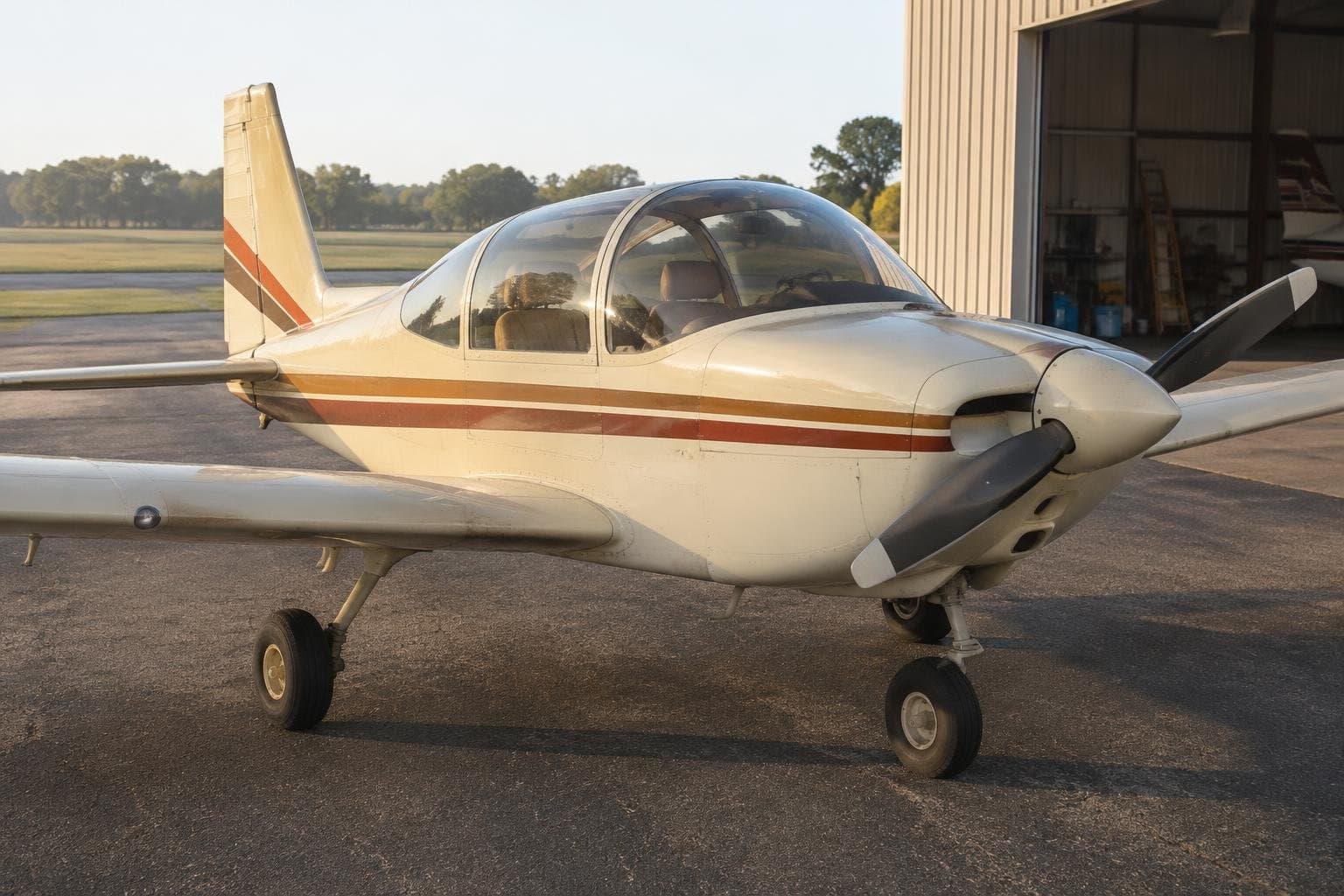
Grumman AA-5 Traveler Buyer’s Guide: The First Checks
Before buying a Grumman AA-5 Traveler, verify that the aircraft is an AA-5, have a specialist assess its bonded airframe, and make sure any structural repairs can be traced to the records and supporting repair data. Then check whether that particular airplane can carry your usual load and whether you can afford the work it needs in year one. A tidy cabin, a recent annual, and a low advertised engine time do not answer those questions.
Use three early decision gates before arranging a visit. First, run a loading case with the people, baggage, and fuel you actually expect to carry. Second, confirm that the seller will let a mechanic you choose inspect the aircraft, with reasonable access to the areas and records that matter. Third, write down a first-year spending limit that includes the purchase, immediate maintenance, insurance, parking, and training. If the airplane fails one of these tests, establish what would change the answer before paying for travel or an inspection.
Treat the seller’s description as a starting point. Maintenance records show what was recorded as installed, inspected, or repaired; independent findings show what the inspector could verify on the aircraft today. The strongest evidence is agreement between the records and the physical condition. If the seller describes a wing repair as cosmetic but the paperwork identifies structural work, ask the mechanic to reconcile the difference. If the mechanic cannot inspect a relevant area, record it as unverified rather than assuming it passed.
Confirm You’re Looking at a Traveler, Not a Cheetah or Tiger
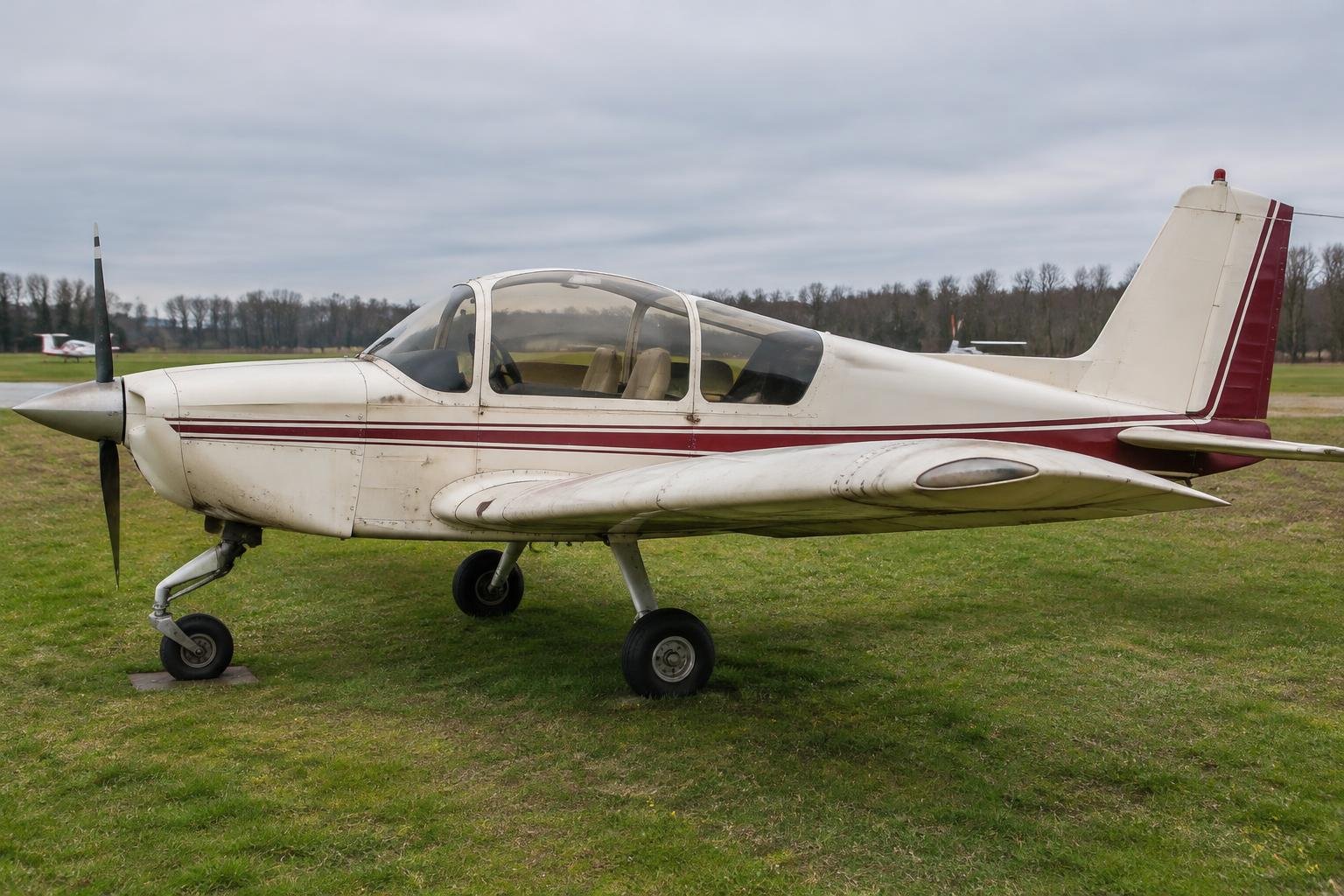
Start with a clear photo of the aircraft data plate. Match the model designation and serial number to the registration records and airframe logs, then check the applicable type certificate data sheet. A listing titled “Grumman AA-5” may be using the family name loosely. The Traveler is the AA-5, the Cheetah is the AA-5A, and the Tiger is the AA-5B. Paint, decals, and equipment changes are not reliable ways to identify the certified model.
| Reference item | AA-5 Traveler | AA-5A Cheetah | AA-5B Tiger |
|---|---|---|---|
| Standard seating | 4 | 4 | 4 |
| Standard type-design engine | Lycoming O-320-E2G | Lycoming O-320-E2G | Lycoming O-360-A4K |
| Standard maximum takeoff weight | 2,200 lb | 2,200 lb | 2,400 lb |
| Fuel capacity to verify | Record total and usable US gal from the applicable AA-5 flight manual and supplements. | Match total and usable US gal to the installed standard or optional tanks and applicable AA-5A documents. | Match total and usable US gal to the installed tanks and applicable AA-5B documents. |
Use the table to screen the listing, not to dispatch the airplane. Confirm seating, eligible engines and propellers, and weight limits in the applicable type certificate data sheet and any approved alteration data. Verify the installed tank configuration against the equipment records, flight manual or operating handbook, supplements, and placards. If an advertisement gives only one fuel figure, establish whether it means total or usable fuel. Only the usable amount belongs in the endurance calculation.
An upgraded engine or replacement propeller is not automatically a problem, but it is not automatically eligible either. Match the installed model and identifying numbers to the logs and approvals. If a conversion changed limitations, performance, equipment, or empty weight, check that the corresponding supplements, placards, and weight-and-balance records are present. A Traveler with an engine conversion remains an AA-5; do not transfer Tiger weight limits or performance figures to it unless the applicable approval explicitly establishes a change.
Check Payload and Runway Performance Against Your Mission
Ask for the current weight-and-balance report, including empty weight, center of gravity, and the equipment list on which those figures depend. Useful load is the difference between the applicable maximum weight and the recorded empty weight on a consistent basis. Radios, interior changes, paint, and repairs can make another Traveler’s figures irrelevant. Check both weight and center of gravity at takeoff and at the expected landing fuel load, and observe the individual baggage limits.
Consider a hypothetical Traveler with 880 lb of useful load. Four 180 lb occupants and 40 lb of baggage leave 120 lb for usable fuel, about 20 US gal at 6 lb per gallon. At an assumed 8 US gal per hour, a 45-minute planning reserve alone accounts for 6 gal. That leaves about 14 gal for everything else, including taxi and climb. Those figures illustrate the payload trade-off; they are not a fuel-burn claim or a recommendation for reserve planning. With two 180 lb occupants and 60 lb of baggage, the same airplane has 460 lb available for fuel, although its installed usable tank capacity, balance limits, or runway performance may set a lower practical limit.
Run the applicable takeoff and landing charts for a hot day at your usual field and at a likely destination. Use runway length and surface, density altitude, wind, weight, and obstacles. Distinguish ground roll from distance over an obstacle, and do not assume a paved-runway figure applies to wet grass. If the manual does not address the conditions you expect, do not fill the gap with a favorable guess. Decide what margin you need before accepting the airplane for regular use.
Build a cross-country estimate from the applicable manual’s cruise speed and fuel flow for a realistic power setting and altitude. Use expected groundspeed, allow for non-cruise fuel, and retain a reserve appropriate to the flight and jurisdiction. Finally, try the cabin and baggage area on the ground. Make sure your usual passengers can manage the wing step and canopy access, your bags can be loaded and secured, and you can move the airplane into its intended parking space.
Screen the Listing and Logbooks Before You Travel
Request readable copies of the airframe, engine, and propeller logs, the current weight-and-balance report, and the equipment list. Ask for the latest inspection entries, overhaul work orders, major repair or alteration records, and any directive compliance summary. Compare serial numbers across the records and flag any missing volume, unreadable entry, or equipment change that has not made it onto the current list. A recent entry stating an engine time is not a substitute for records showing how that time was established.
Build a simple timeline. Compare dated airframe, engine, and propeller times; check meter replacements for a documented carry-forward; and note long periods with little or no recorded use. Ask about damage, repainting, storage conditions, and any repairs associated with a gear or propeller event. For a reported incident, request paperwork that identifies the damage, how it was repaired, and who signed off the work. Make a separate list of gaps that the mechanic may be able to resolve on site and those that may require records from a previous owner or shop.
Have the mechanic check airworthiness directive applicability by the relevant model, serial number, and installed components. For each applicable directive, verify the compliance method and supporting entry, and identify recurring actions and their next due dates or times. If a summary says “not applicable,” ask for the basis when applicability is not obvious. Service bulletins are valuable inspection leads, but their status is not identical to that of directives; whether compliance is mandatory can depend on the jurisdiction, operating rules, or whether the bulletin is incorporated into a requirement.
Ask for recent, well-lit photos of the upper and lower wing and tail surfaces, canopy tracks, nose and main gear, and any known repair area. Wide views establish location; close views help the mechanic decide where to look. Photos can justify a visit or a closer inspection, but they cannot establish the condition of a bonded joint.
Set the Scope of an Independent Pre-Buy Inspection
Choose a mechanic who works for you and has hands-on AA-5-series and bonded-airframe experience. Ask which tasks the mechanic can perform locally and when they would refer a finding to a structural specialist. A shop that knows the airplane’s history can provide useful records, but it should not be your only source of judgment. If travel is necessary, have your mechanic review key log entries and seller photos before booking it.
Agree on the scope in writing with the mechanic and seller. Specify the records and areas to be reviewed, what panels or fairings may be removed, and whether any engine tests or ground checks are authorized. Set the price for the initial inspection, who pays for additional work and reassembly, and who must approve an expanded scope. Agree in advance on how to handle a finding that makes further checks or aircraft movement inappropriate. Give the mechanic access to applicable maintenance manuals, inspection procedures, and service information rather than relying on a generic single-engine checklist.
A pre-buy is a buyer-directed evaluation, not an annual inspection, an appraisal, or a formal determination that the aircraft may legally be flown. An annual covers the applicable inspection requirements at the time it is performed; it does not establish whether the aircraft suits your mission or whether deferred expenses make the price unattractive. An appraisal addresses value, not the condition of inaccessible structure. If the parties want a pre-buy to become an annual, agree on that separately, including the authority and responsibilities for the required sign-off.
Request a written report that separates findings with potential airworthiness implications from near-term expenses and unanswered questions. It should say what was inspected, what could not be accessed, and what evidence or estimate would resolve each material uncertainty. That distinction lets you decide whether to authorize more inspection, negotiate on a known cost, or stop.
Inspect the Bonded Airframe and Verify Structural Repairs
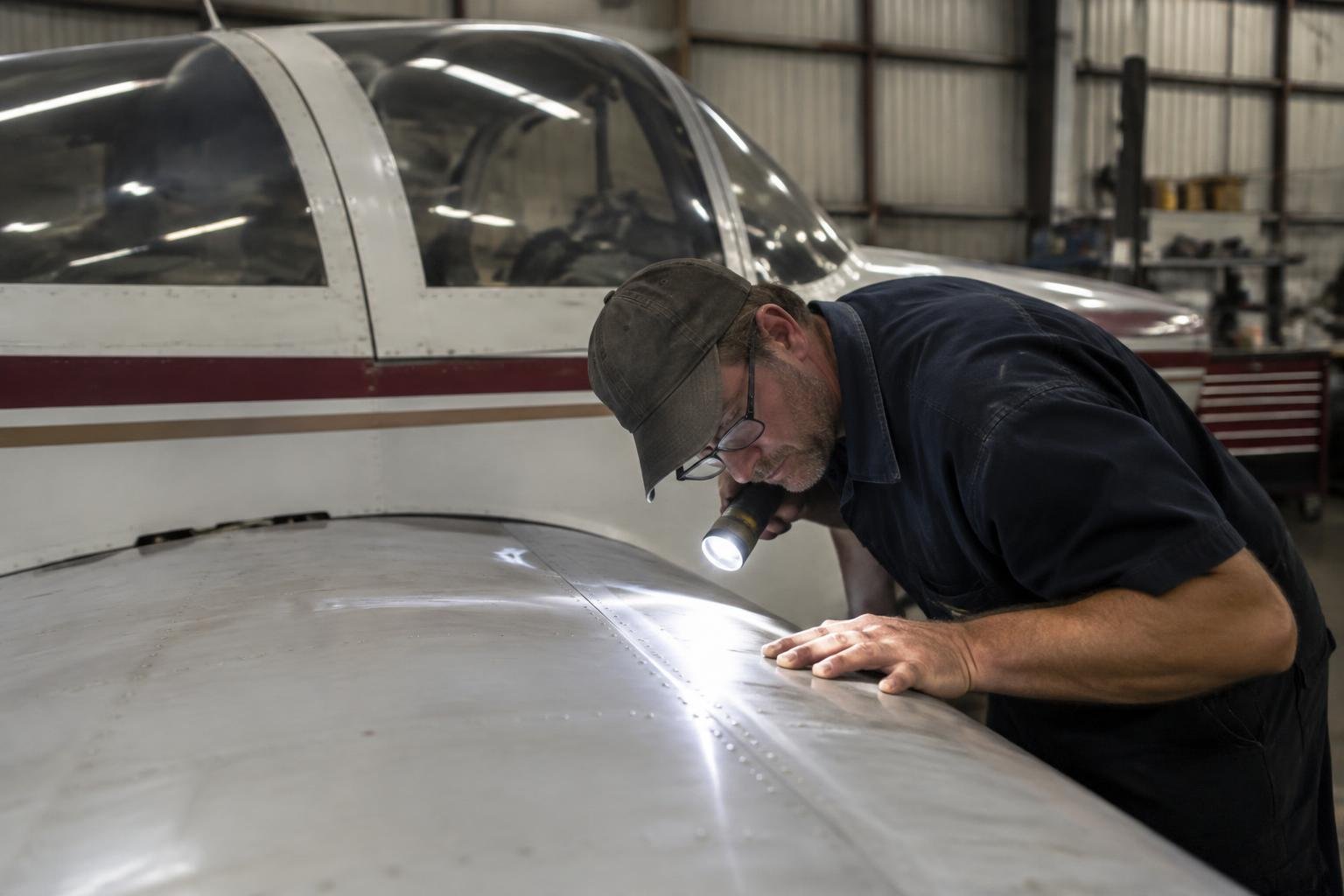
Bonded skins and joints make structural condition a question for someone familiar with the AA-5, not a checklist completed during a walkaround. Ask the specialist to examine bonded skin panels and seams, wing and tail structure, and accessible attachment areas using the applicable maintenance and service information. The scope should identify which areas can be evaluated in place and which would need additional access or a different inspection method. An area that cannot be seen or evaluated within the agreed scope should remain open in the report.
Have the mechanic evaluate skin distortion, irregular seams, corrosion indications, and evidence of moisture exposure, along with anything that suggests deterioration of a bond. Location and extent matter: a cosmetic imperfection and a concern involving a structural joint should not be priced or handled the same way. Fresh paint or sealant can be part of legitimate maintenance. It is a reason to check the underlying condition and ask for dated records or photographs, not proof of a hidden defect. Conversely, an even finish does not establish that the bond beneath it is sound.
Match patches, replaced skins, and other evidence of prior damage to the repair entries and the approved repair data where required. The paperwork should identify the area and scope well enough for the mechanic to compare it with what is installed. Ask for supporting drawings or work orders where relevant, along with the applicable approval and maintenance release. A well-documented repair that checks out physically can be evaluated on its merits; a vague entry for a visible structural alteration leaves a question that a discount alone cannot answer.
If the inspector cannot characterize a suspected bond or structural problem, pause the transaction for further specialist assessment. Once the work is defined, ask a qualified shop for a written repair estimate, a parts and labor schedule, and any cost of getting the airplane there without flying it. A firm estimate for a verified repair is a negotiating input. An allowance guessed before the scope is known is not.
Check the Nose Gear, Brakes, Canopy, and Flight Controls
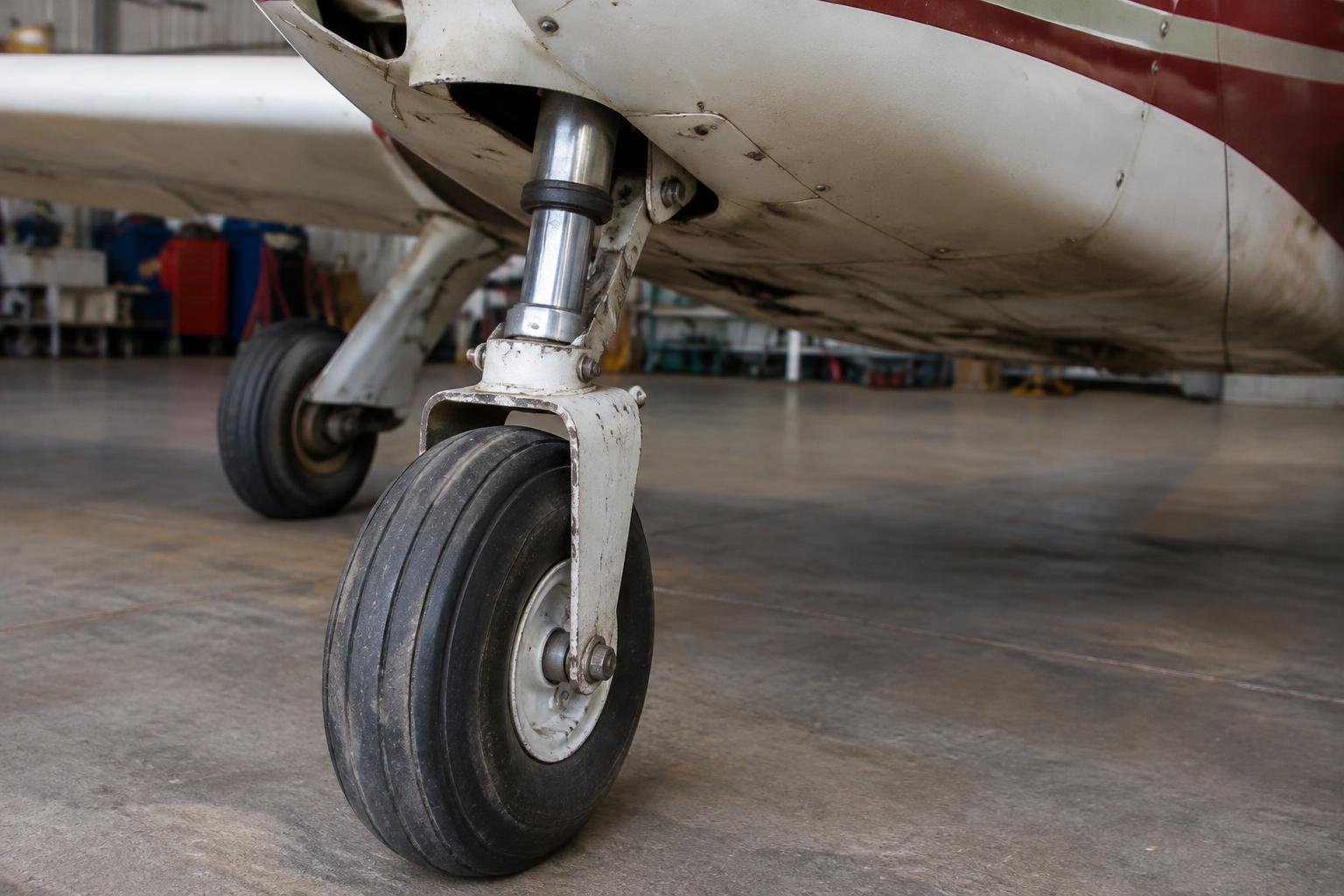
The Traveler’s free-castering nosewheel makes differential braking central to low-speed steering. Have the mechanic check the nosewheel and fork assembly for condition and play against the applicable maintenance data, and review the logs for repeat shimmy complaints or related maintenance. A seller’s report that shimmy only occurs at a particular speed still warrants investigation. Ask the mechanic to distinguish a straightforward wear item from a fault that needs further examination of the gear or surrounding structure.
Inspect both brakes for wear and leaks and check for uneven action during authorized ground checks. Get a diagnosis before pricing an imbalance: worn friction parts and a hydraulic fault do not necessarily carry the same labor or parts bill. Review main gear attachment areas for condition and evidence of past work, and check wheels and tires. If the history includes a hard landing or gear event, confirm what was inspected and repaired afterward rather than assuming that replacing a wheel or tire addressed the full load path.
Operate the sliding canopy on the ground. Note whether it travels smoothly and latches positively, and have the mechanic inspect tracks, rollers, latches, and glazing. Check for cracks and evidence of water entry, including stains or dampness around the cabin and baggage area. A leak may start at the canopy, but the purchase question is also where the water went and what condition it left behind.
Have the mechanic inspect accessible flight-control components, verify freedom and correct direction of movement, and assess travel and rigging against the applicable maintenance data. A cockpit check alone cannot establish correct rigging. Binding, unexplained asymmetry, or a discrepancy between the physical setup and the records should be resolved before relying on a demonstration flight.
Assess the Lycoming Engine, Propeller, and Fuel System
Read the installed engine and propeller identification against the logs and approved configuration, then check directives that apply to those units and relevant accessories. Review the overhaul work order, not just the advertised time since overhaul. Find out when and by whom the work was done, what was replaced or reused, and how much the airplane has flown recently. Low hours spread over years of inactivity tell a different story from the same hours accumulated in regular service.
Ask the mechanic to consider compression trends, borescope findings, oil and filter evidence where available, and the source of any leaks together. One acceptable compression reading does not rule out corrosion elsewhere in an engine, and one abnormal result needs interpretation in context. If the seller has oil analysis results, a consistent series is more informative than a single sample. Ask which findings support continued operation, which warrant further investigation, and which suggest near-term spending.
Check the propeller for damage, corrosion, and evidence of repairs, and ask specifically about strikes or sudden stoppage events. If one is documented or suspected, verify what follow-up was required under the applicable directives and manufacturer information and what the records show was actually done. A repaired or replaced propeller does not, by itself, establish that the engine received the required follow-up.
Include the fuel system in the pre-buy scope: look for tank leakage, assess vent condition, and check selector operation and fuel quantity indication using the appropriate procedures. Staining or a persistent fuel odor deserves investigation before pricing a fix. Ask for separate estimates for worn exhaust or cabin heat components, deteriorated engine mounts or hoses, and accessories that are due or likely to need attention. Several ordinary items due together can change the economics of an otherwise attractive engine.
Verify Avionics, Paperwork, and Demonstrated Operation
List the installed avionics by make and model, then match them to the equipment list, alteration records, and applicable flight-manual supplements. A powered-on display is not proof that its installation supports your planned operation. If you intend to fly IFR, check what the specific navigation installation is approved to do, any limitations that apply, and the status of the required equipment and inspections. For VFR as well as IFR, use the rules of the jurisdiction in which the airplane will be operated and consider any requirements that will apply after import or re-registration.
Verify registration and airworthiness documentation against the aircraft identity. Review the ownership chain, confirm that the seller has authority to transfer the aircraft, and arrange a lien or encumbrance search appropriate to the registry and jurisdiction. Settle how any existing lien will be released and how the paperwork and funds will be exchanged. A complete set of maintenance logs does not establish clear title, just as clear title does not establish mechanical condition.
Agree in advance on any ground checks and demonstration flight, including who may act as pilot in command and how insurance and costs are handled. Fly only when the aircraft’s condition and documentation, legal requirements, and operating circumstances permit. A pilot experienced in the AA-5 series can report on taxi behavior, engine indications, trim, and avionics operation without treating the flight as a substitute for inspection. If a flight is not appropriate, document what remains untested and decide whether it can be resolved before closing. Do not treat a successful flight as evidence that a structural or records concern has gone away.
Estimate Market Value and First-Year Ownership Costs
Start with verified completed transactions for comparable Travelers where you can establish the aircraft’s configuration, condition, and sale terms. Keep asking prices, unaccepted bids, completed auction results, and appraisals in separate columns. An auction result is useful as a transaction only if the sale can be confirmed; check whether buyer fees are included before comparing it with a private sale. If the evidence is thin, use a wider valuation range or seek an independent appraisal rather than placing more weight on a single listing.
Adjust comparisons for documented structural condition, engine and propeller status, avionics utility, and logbook completeness. An avionics installation may be worth less to you than its invoice suggests if it does not support the flying you do. Likewise, an overhaul invoice is not a promise of future engine life. For a condition adjustment, use a written estimate for the corrective work and an allowance for downtime or transport where justified. Avoid subtracting the same defect twice if it is already reflected in the comparable price.
Build the first-year budget separately from the purchase price. Include catch-up maintenance, the next annual inspection and likely findings, insurance, hangar or tie-down, and transition training. Obtain an insurance quote using your actual experience and ask about training or pilot requirements before committing. For ongoing costs, budget fuel with your expected utilization and fuel price, routine servicing, and reserves for engine and propeller work. Spread reserves over realistic annual hours, but retain cash for calendar-driven repairs or an early failure.
Check who can supply the parts and who can do the work. Ask the maintenance shop about lead times for the items the pre-buy identified and whether it handles bonded structural repairs or refers them elsewhere. A modest parts bill can still mean a long grounding if the right part, approved repair data, or specialist is not readily available.
Decide Whether to Proceed, Renegotiate, or Walk Away
Proceed when the aircraft meets your normal loading and runway needs, the independent findings are satisfactory, the records support the installed configuration and repair history, and the purchase leaves enough cash for first-year ownership. A Traveler that needs scheduled work can still make sense if the scope, cost, and timing are understood and the shop is prepared to do it.
Renegotiate on discrepancies you can define. An inspection report, a shop estimate, and a credible downtime forecast give both sides something concrete to work with. Decide whether a specific seller-performed repair or a price adjustment is better for you, and agree on how completed work would be verified. Pause if a possible bond problem remains unresolved, a structural repair cannot be verified, or reasonable independent inspection access is denied. Walk away if the missing evidence cannot be obtained or the seller expects you to accept the uncertainty without a way to assess it.
Where the sale format allows, put contingencies for inspection, records, and clear title in writing and establish what happens to any deposit if they are not met. For an auction, read the terms before bidding. Confirm inspection access, buyer fees, taxes, payment timing, and removal obligations; do not assume you can negotiate an inspection contingency after the hammer falls. Set an all-in ceiling that includes those charges, transport, and immediate corrective work. If bidding exceeds what remains for the airplane itself, let it go. The next step on a promising listing is to request the records and book an independent AA-5 specialist before committing funds.

Comments
No comments yet
Be the first to share your thoughts!