
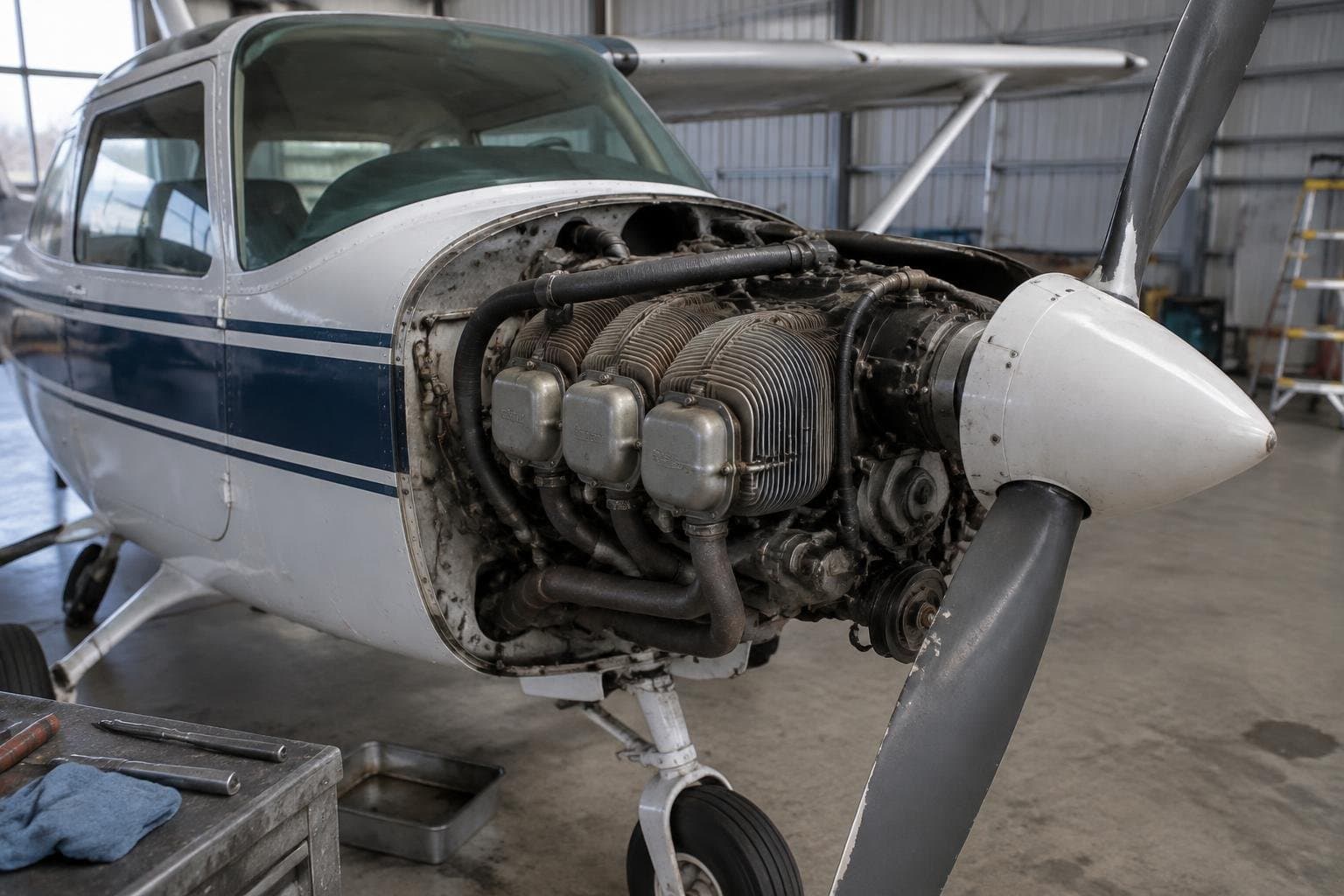
Lycoming O-320 TBO: What the Number Means for Buyers
Start an O-320 purchase with three checks: verify the overhaul interval for the exact engine model installed, find out whether recent work involved the cylinders or the whole engine, and ask for the signed record behind the advertised hours since major overhaul (SMOH). A listing that says “new cylinders” may describe useful maintenance, but it does not establish a new overhaul date or a lower SMOH.
TBO means time between overhauls. The hourly figure is expressed in engine operating hours. The Lycoming O-320 TBO is not a single number to apply to every engine with O-320 on the data plate. Use the manufacturer’s guidance for the full model designation and check whether any notes apply to the particular engine. Then verify the time the engine has accumulated since new or since the last documented major overhaul, as applicable. Airframe total time is not a substitute.
The recommended interval is a maintenance planning figure, not a guarantee of remaining useful life. Subtracting the listing’s SMOH from the applicable hourly recommendation tells you how far the engine is from that benchmark. It does not tell you how long the engine will run before it needs work. An engine well short of its recommended overhaul interval can still have an expensive discrepancy, and an engine close to the interval is not necessarily showing signs of distress.
Check hours and calendar time separately. The logbooks should let you establish both the accumulated operating time and the date the engine was new or last overhauled, as applicable under Lycoming’s guidance. A low-hour engine can be close to or beyond the calendar recommendation. Conversely, a recently overhauled engine in regular service can accumulate hours quickly. Either situation can move a major expense into your expected ownership period.
How to Verify the Lycoming O-320-E2G TBO
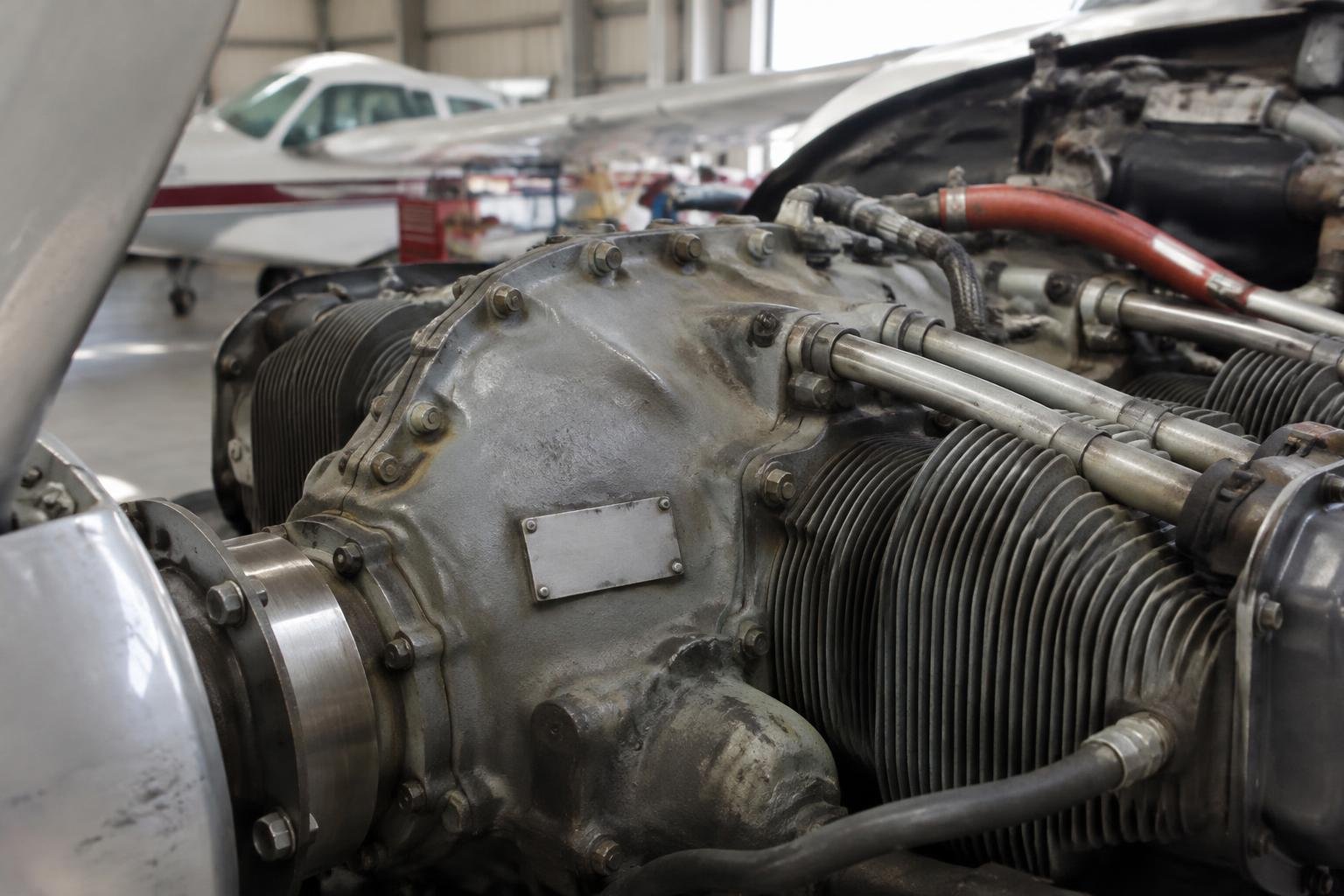
Ask for a legible photo of the engine data plate and the relevant engine and aircraft log extracts. Transcribe the complete model suffix and serial number, then match both to the engine log and to the entry documenting installation in the aircraft. If an overhaul record shows a different serial number, establish why before using it to value the installed engine. The records may describe an engine that was removed, even when the model is the same.
For a worked example, assume the plate reads O-320-E2G and the serial number agrees across the records. Consult the applicable entry in the latest revision of Lycoming Service Instruction No. 1009. The commonly cited Lycoming O-320-E2G TBO is 2,000 operating hours. Verify that figure against the entry covering the E2G and read the associated notes and general conditions rather than stopping at the number. Have your mechanic check whether any qualification or exception affects the serial number, configuration or service history. Note the revision you used so the seller and your mechanic can work from the same issue.
If the example engine has 1,650 documented hours since major overhaul and the 2,000-hour figure applies, it is 350 hours short of the hourly recommendation. Now check the date. Lycoming’s general calendar recommendation under Service Instruction No. 1009 is to overhaul engines that have not reached the hourly interval in the twelfth year. Confirm the wording and applicability in the current instruction, then work from the documented date since new or overhaul as appropriate, not the date of the most recent cylinder installation. An engine overhauled 13 years ago is past that general calendar recommendation even though it is still 350 hours short of the hourly figure.
Do not use the original aircraft specification as a shortcut. An approved engine swap may have put a different O-320 variant in the aircraft, and documented configuration changes may affect which guidance applies. If the plate, installation entry and later alteration records do not agree, ask for the approval and maintenance paperwork and have a qualified mechanic reconcile the installation before relying on either the TBO or the advertised engine time.
When the O-320 Overhaul Interval Affects Operation
Separate what Lycoming recommends from what the aircraft must comply with. A manufacturer’s recommended Lycoming O-320 overhaul interval is not, by itself, the same as a binding airworthiness limitation, an applicable airworthiness directive or an overhaul requirement in an approved maintenance program. Any of those can impose obligations that a seller’s reference to “recommended TBO” does not address. A favorable inspection does not override a binding requirement.
The answer can vary with the state of registration, the type of operation and the maintenance program that applies. An aircraft used privately and the same aircraft used in a commercial operation can be subject to different requirements. A planned change of registration or use is therefore part of your pre-purchase review. The seller’s account of how the aircraft has been operated does not establish how you may operate it after purchase.
There is no blanket rule that every O-320 may fly beyond recommended TBO or that every O-320 must stop at that figure. Give a maintenance professional familiar with your intended operation the engine identity, documented times, overhaul date and applicable program. Ask which requirements govern the installation now, whether any are already due, and what would change under your ownership. Where applicability remains uncertain, seek aircraft-specific confirmation from the relevant aviation authority before counting on post-purchase operation or a ferry flight.
New Cylinders vs Engine Overhaul: What Was Actually Replaced?
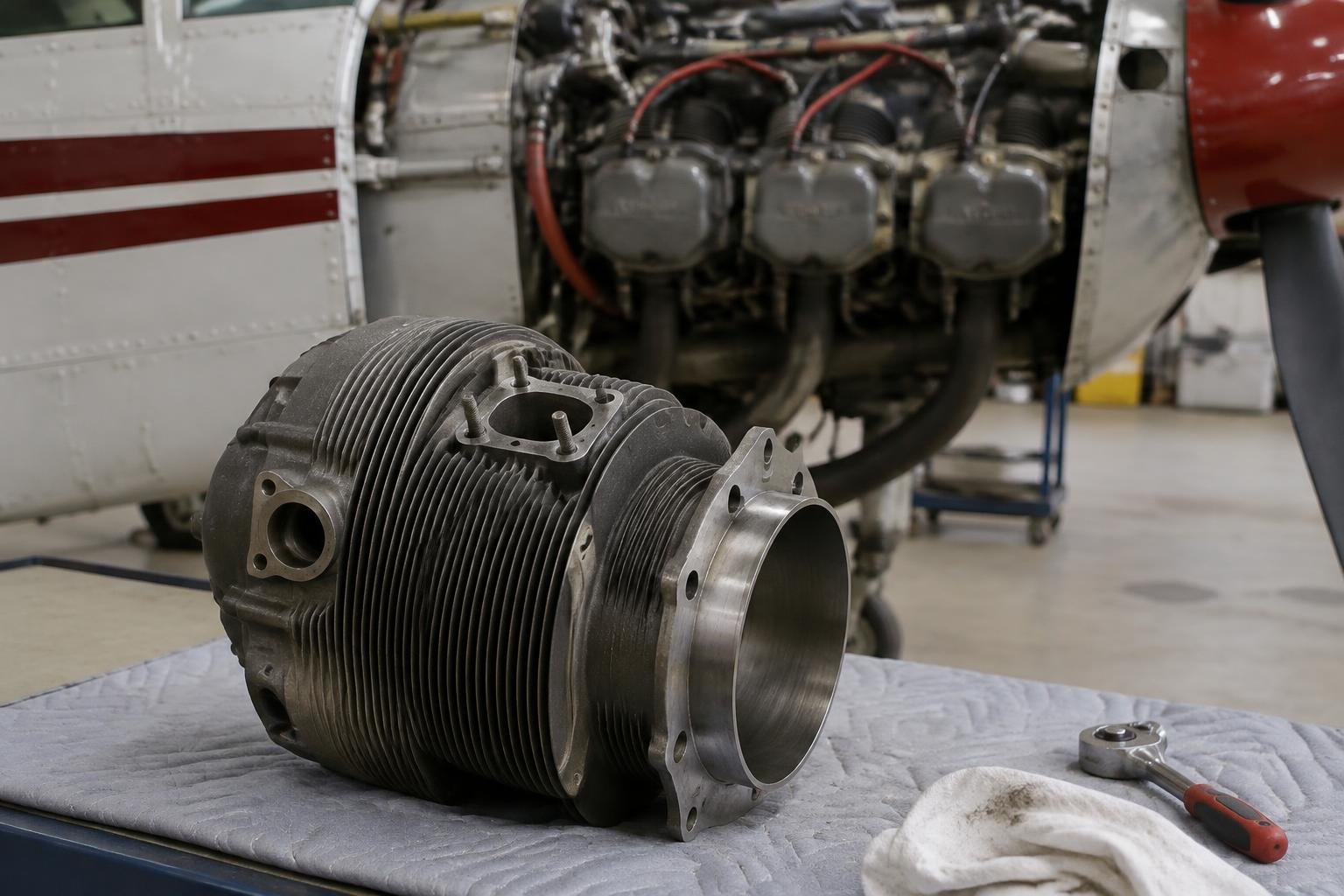
The difference between new cylinders and an engine overhaul is the scope of the signed work, not the size of the invoice. Use the maintenance entry and shop paperwork to determine what was removed, inspected, repaired or replaced, and what remained in service.
| Work described | What the records should establish | What it means for SMOH |
|---|---|---|
| Single-cylinder replacement | Which cylinder position was affected, what assembly was installed, and why the original was removed. | Track time on that assembly separately. The engine’s SMOH continues. |
| All-cylinder work | What was done at each of the four positions, whether assemblies were new, overhauled or repaired, and whether any other work was documented. | All four cylinders may have recent installation times, but cylinder work alone does not reset SMOH. |
| Major overhaul | A signed overhaul entry with supporting shop records showing engine teardown, inspection, parts disposition, reassembly and testing to applicable standards. | Starts a new since-major-overhaul interval. It does not erase total time since new. |
“New” should refer to the status of the assembly itself, not merely that it is newly installed on this aircraft. An overhauled assembly has been processed and signed off as overhauled; a repaired assembly may have received narrower work. Verify the description against part identifiers and applicable release or traceability paperwork. If the seller uses “top overhaul,” treat that as a description of work scope, not proof of a major overhaul. Obtain the itemized record rather than assuming the phrase means all four assemblies were replaced.
A cylinder invoice alone does not tell you the condition or disposition of the crankshaft, camshaft, bearings or crankcase. Other work may have been done at the same visit, but it needs its own documentation. Even in a properly documented major overhaul, not every major part is necessarily new. The build records should distinguish parts replaced from parts inspected and found eligible for reuse under the applicable standards.
Ask why the cylinders were worked on. A documented problem isolated to one cylinder is different from repeated removals with no clear explanation. Request the removal findings, parts provenance and signed installation records, including the engine time at installation. Compare those times with the current engine time to determine the hours accumulated on each affected cylinder since installation. If the replacements were staggered, a listing that gives one number for all four deserves a closer look.
SMOH Meaning: How to Read the Time in a Listing
SMOH means hours since major overhaul. It is not the engine’s total time since new, and it does not describe the age of every part inside the engine. Keep separate figures for engine total time, hours since major overhaul, and hours on each cylinder since the event being reported. Keep the overhaul date alongside those figures so you can assess elapsed calendar time without trying to infer it from hours flown.
Consider a listing that shows 2,400 hours total time, 600 SMOH and 80 hours since cylinder replacement. Assuming continuous records on the same time basis, the major overhaul was at 1,800 engine hours and the cylinder replacement at 2,320. The engine has operated 600 hours since overhaul; only the affected cylinder or cylinders have accumulated 80 hours since that replacement. If the seller calls them 80-hour cylinders, verify whether the assemblies were new when fitted or whether 80 refers only to their time on this engine. None of the three figures tells you when the overhaul took place.
Do not read “rebuilt” as an informal synonym for “overhauled” when a seller claims zero time. In the United States, the provision for a new maintenance record without previous operating history applies narrowly to an engine rebuilt by its manufacturer or an agency approved by the manufacturer. Verify the authority and records behind that claim. A conventional major overhaul starts the SMOH count again; an entry showing zero SMOH does not make the engine zero total time or change the airframe’s time.
To verify the listing, match the overhaul entry to the installation entry and follow subsequent time records through the most recent log entry and any later use reported by the seller. Look closely at tachometer replacements, meter changes and entries made while the engine was installed on another airframe. A replacement tachometer may start at zero or another reading; the aircraft and engine times must still be carried forward from the records. If the last recorded time and current reading do not reconcile, ask for the intervening entries and the time basis rather than accepting a rounded figure.
Overhaul Records to Request Before Making an Offer
Request the signed overhaul entry and supporting records for the installed engine before treating the listing’s SMOH as verified. A useful document package lets your mechanic confirm not just that an overhaul was signed off, but what was done, what was carried forward and what remains due.
- Signed overhaul entry: Match the engine model and serial number, date and recorded engine time to the engine log. Look for the work description, the signatory’s identification and the applicable approval for return to service. If the detailed scope is incorporated by reference to a work order, request that document too.
- Shop work order and build records: Ask for the teardown scope, inspection results, recorded measurements and parts disposition. Find out what happened to the crankshaft, camshaft and crankcase rather than assuming every major component was replaced. Where documentation is incomplete, have the reviewer identify which findings can still be substantiated.
- Parts and accessories: Request parts traceability and applicable release documents. Verify accessory work separately. The fact that an engine was overhauled does not establish that the magnetos, carburetor or other accessories were overhauled at the same time. Identify what was replaced, serviced or reused and whether separate maintenance is due.
- Airworthiness directive status: Ask for the compliance record for applicable directives affecting the engine and its installed components, including the method of compliance and the next due time or date for recurring items. Have the reviewer check applicability against the actual model, serial numbers and configuration rather than relying on a summary that says all directives are current.
- Installation and continuity: Obtain engine removal and reinstallation entries, as applicable, and the subsequent logs that support the current time. Look for gaps between the shop release and installation, unexplained meter changes and discrepancies recorded without a corresponding corrective entry. Confirm that any departure from the original installation is documented.
An invoice can corroborate dates, part numbers, charges and the shop’s stated scope, and it may help locate the build file. It is supporting evidence, not a substitute for the signed maintenance record. The same applies to a broker’s summary or a seller’s recollection. If the summary and a signed entry disagree, ask for the discrepancy to be resolved before pricing the aircraft as though the higher-value claim were established.
What an Independent Pre-Buy Can Tell You Beyond the Logs
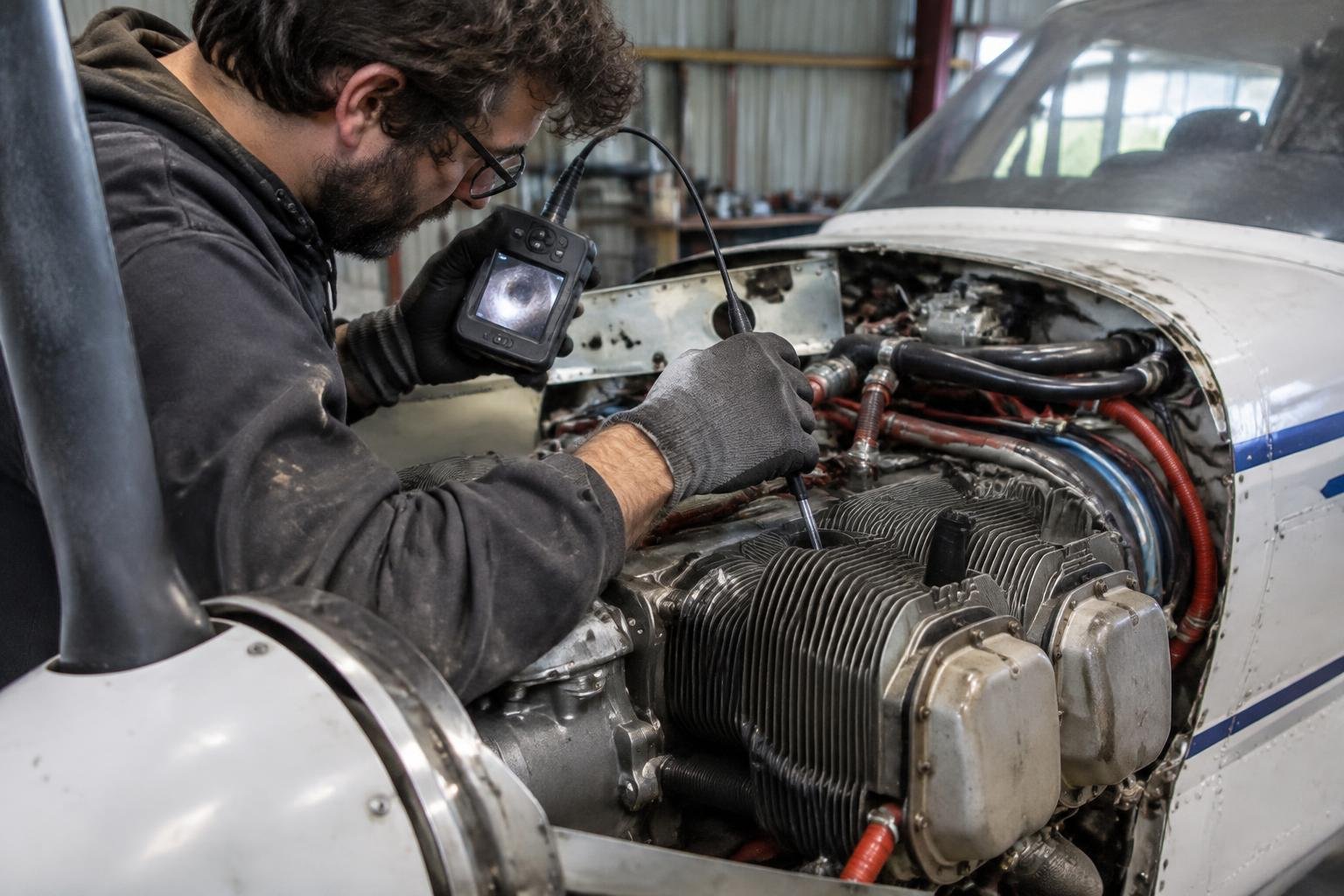
Document review establishes what the records support. An independent pre-buy examines the aircraft and engine as presented and helps you put a cost against discrepancies. Arrange both, with a mechanic qualified for the aircraft and familiar with the O-320, and agree on the inspection scope with the seller. Neither a document review nor a pre-buy substitutes for an annual inspection or establishes that one is current.
Ask how much the engine has flown recently, how long it sat between periods of use, and where and how it was stored. Look for records of preservation and return to service if the aircraft was laid up. A low-hour engine that saw regular use presents a different history from one that spent years dormant after overhaul. The labels “hangared” and “low time” do not explain what happened during that interval.
Have the mechanic interpret differential compression readings and borescope findings together. Compare recent and prior readings where methods and conditions are comparable, and ask whether any leakage or visible finding calls for further investigation. A reading on its own does not tell you whether a cylinder has a developing valve problem or what the bore looks like. Likewise, an image of one cylinder is not evidence about the other three. Ask for findings by cylinder position so the inspection can be compared with the installation history.
Review actual oil consumption if the owner has records, and look at filter inspection findings and oil analysis trends where available. A sequence of samples with known oil-change intervals is more useful than an isolated report without context. Ask the mechanic to distinguish active leaks from old staining, note where corrosion is visible, and explain which findings merit follow-up before closing. If oil was changed shortly before the inspection, establish whether the previous filter and records are available.
A favorable pre-buy is a snapshot. A cylinder borescope does not determine the condition of all cam and lifter surfaces, bearings or other internal areas outside the agreed inspection scope. Ask the mechanic to separate observed findings from areas not inspected and to explain what additional work, if any, would resolve a material concern. That distinction matters most when your offer assumes several years of use before major engine work.
How to Budget for an O-320 Near TBO
A documented recent overhaul, a mid-time engine with new cylinders and a near-TBO engine with complete logs call for different budgets. With a recent overhaul, verify what the shop actually did, which accessories were carried forward and how much the engine has flown since installation. With the mid-time engine, credit the verified cylinder work where appropriate, but keep the bottom end’s time and overhaul date in the budget. With the near-TBO engine, complete records help define the exposure; they do not pay for the work or move its due point.
Compare calendar age, recent utilization, condition findings and record quality alongside the logged hours. An engine with a long storage gap and an unexplained cylinder replacement may be harder to price than a higher-hour engine with consistent use and clear records. Conversely, if an applicable requirement puts the higher-hour engine close to a mandatory overhaul, budget for that event regardless of how encouraging the inspection looks.
Get comparable written quotes for the installed engine and your intended work scope. Ask whether the quote includes engine removal and installation, accessory work, freight and any run or follow-up work the shop expects. Clarify what is excluded, what depends on teardown or core acceptance, and who pays if the scope changes. Estimate downtime separately, including shop availability, transit and delays if parts are rejected. Compare the cost of returning the aircraft to service, not just the engine shop’s headline price.
Keep a contingency for a rejected crankshaft or crankcase or other major findings that cannot be priced definitively before teardown. An hourly overhaul reserve is useful for spreading an expected cost across anticipated flying, but it will not cover a calendar-driven event or an early failure if you have not flown enough hours to fund it. If maintenance is likely early in your ownership, work out what you could fund at closing as well as what you can set aside per hour. Base an offer adjustment on verified near-term costs and unresolved risk, not on the cost of four cylinders alone.
Before You Bid: An O-320 Buyer’s Checklist
- Confirm the installed engine: Match the data plate to the engine and installation records, verify the applicable Lycoming overhaul guidance, and establish the operating requirements for your intended registration and use.
- Reconcile the numbers: Record engine total time, SMOH, time on each affected cylinder and the overhaul date. Check the basis for the current readings and account for meter replacements or periods when the engine was off the aircraft.
- Separate evidence from claims: Mark each material item as verified, seller-reported or unsupported by the records you received. List missing documents by name so the seller or shop can locate them. Do not price unverified work as though it were signed off.
- Set a decision threshold: Proceed when the material records reconcile, the independent findings are acceptable and the budget fits. Where the sale terms allow, make an offer conditional on inspection or document review if a specific uncertainty can be resolved. Renegotiate when verified work changes the cost, and pass if engine identity, compliance or a potentially major discrepancy remains unresolved beyond your tolerance.
Before committing, obtain the data-plate photo and log extracts covering the overhaul, installation, cylinder work and current times, then arrange independent review. If auction terms do not permit inspection conditions after bidding, complete that review beforehand or set a bid ceiling that explicitly accounts for what you could not verify. If you cannot put a defensible cost on the missing evidence, do not bid on the assumption that the seller’s best-case description will turn out to be right.
Comments
No comments yet
Be the first to share your thoughts!