

 Bad Vöslau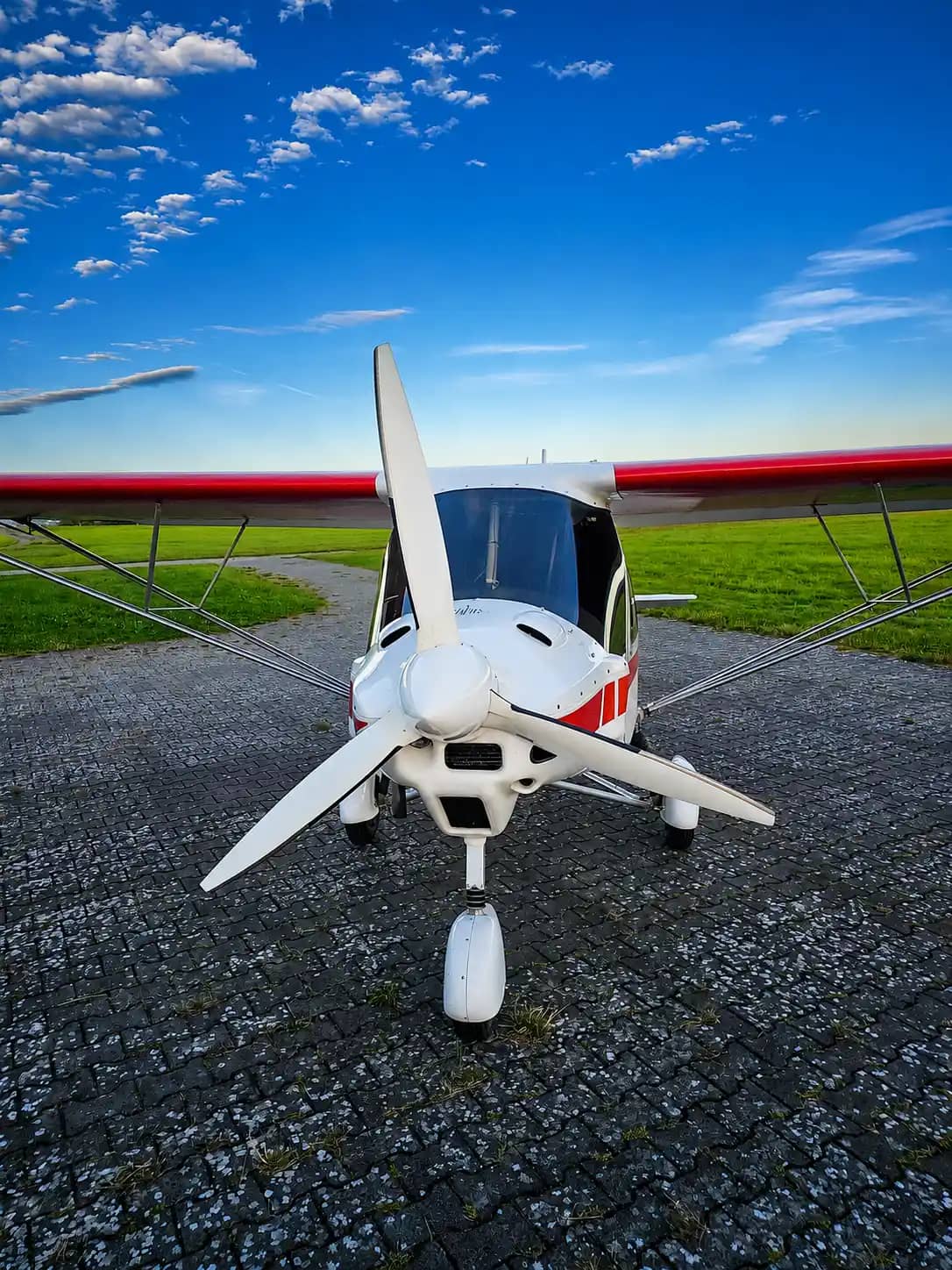
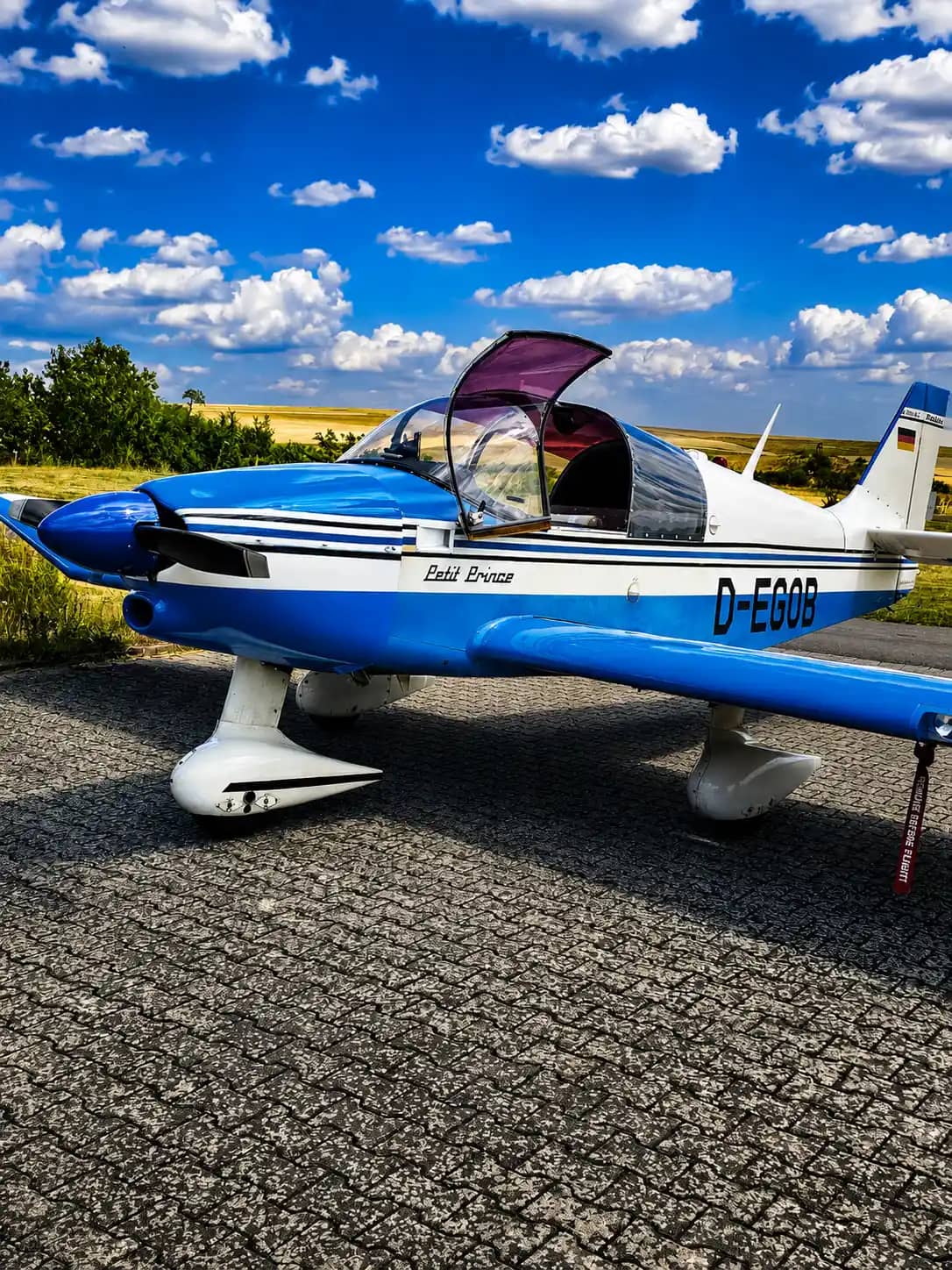
 Kirn
Kirn
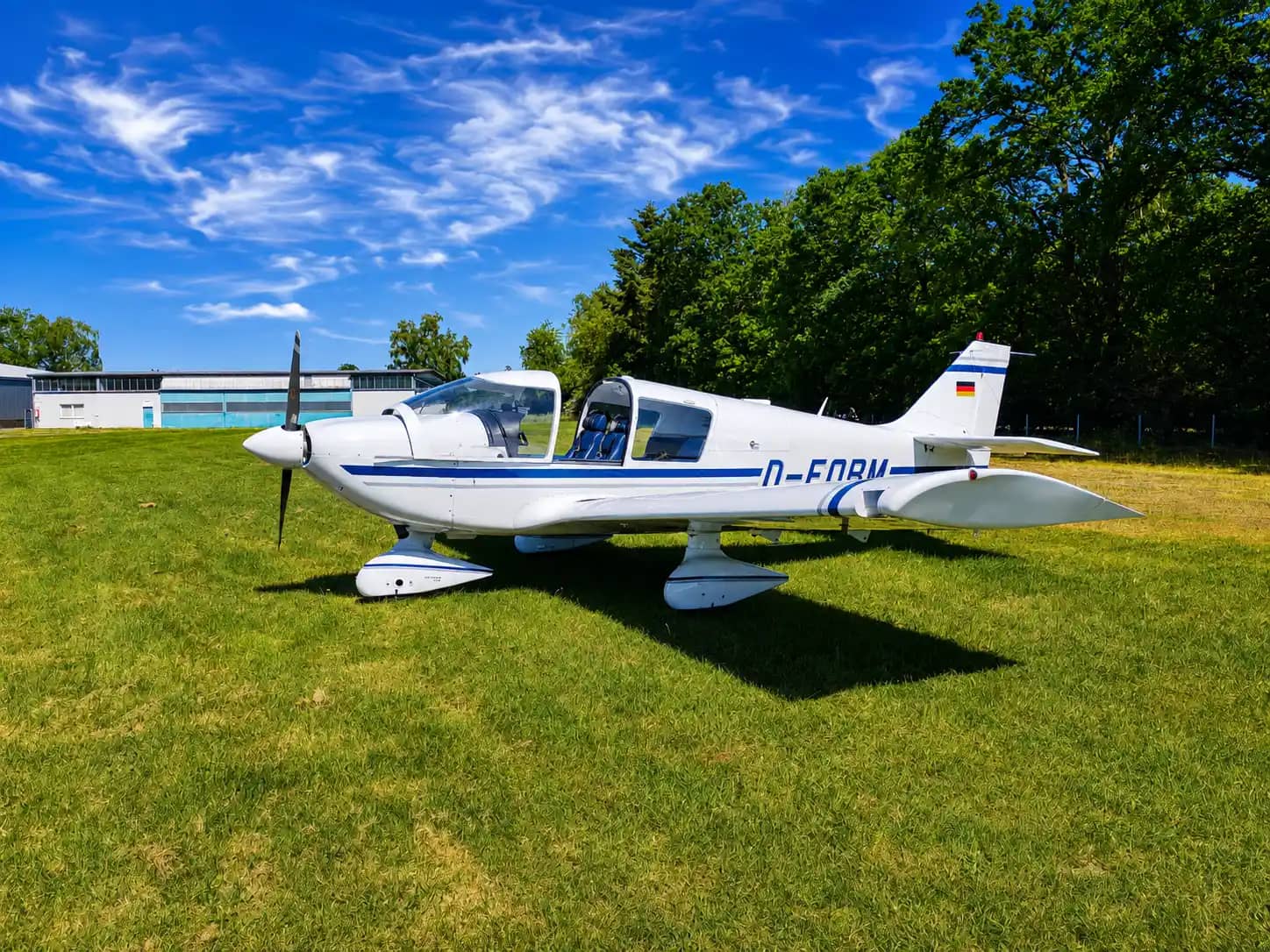

 Florida
 Szeged

To buy aircraft at auction successfully, treat the process as a structured acquisition rather than a fast-moving shopping event. An online auction can provide access to a broad range of aircraft with transparent bidding and a defined timetable, but the buyer must establish the aircraft’s condition, legal status, total cost and suitability before making a binding bid. This guide explains the practical sequence from mission planning through collection and first-flight preparation.
What Buying an Aircraft at Auction Involves
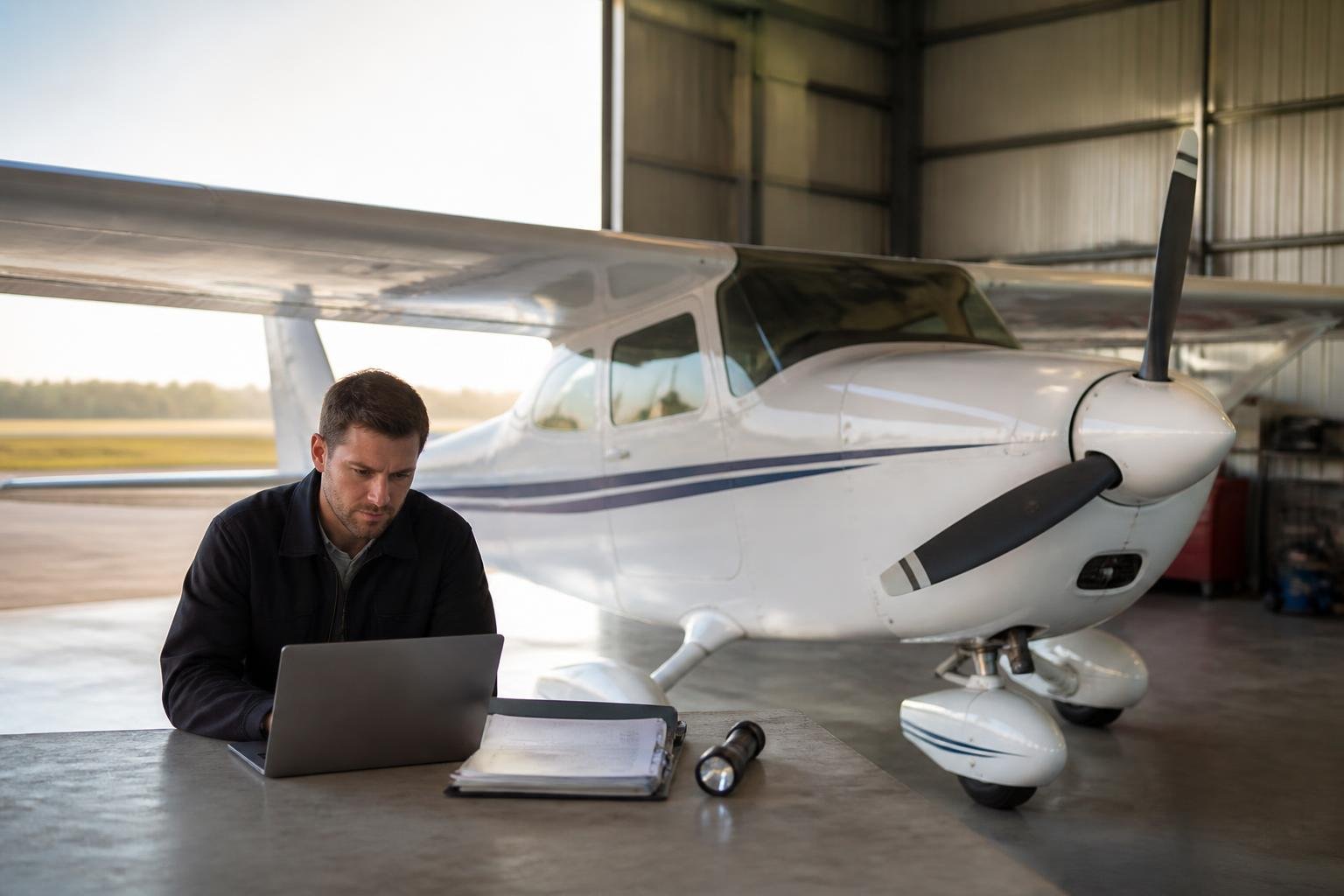
An online aircraft auction differs from a private-treaty purchase primarily in pace and process. In a conventional sale, price, inspection conditions and delivery terms may be negotiated over time. At auction, the platform sets the bidding window and lot terms, while the seller presents the aircraft and supporting information for review. Once the buyer’s bid is accepted under the terms, the buyer is normally committed to completing the transaction.
Auctions suit buyers who have a reasonably clear mission, can evaluate records promptly and are prepared to make decisions within a fixed timetable. They can work well for owner-pilots seeking a practical aircraft, operators adding capacity, collectors assessing historic types and buyers willing to arrange specialist support. The advantages are market access, visible bid activity and a known closing process. The limits are equally important: documentation may be incomplete, inspections require advance planning, and lot-specific rules can limit withdrawal rights.
A bid is not an appraisal and a current bid is not necessarily the aircraft’s market value. The hammer price is the amount at which bidding closes; the sale price may include a buyer’s premium and other transaction charges; and market value is a broader judgement based on comparable aircraft, condition, records, equipment and demand. Keep those concepts separate throughout the process.
Step 1: Define the Aircraft Mission, Budget and Non-Negotiables
Start with the mission, not the listing. Define the number of occupants, expected payload, typical stage length, runway surface and length, weather environment, home-base facilities and the kind of flying planned. A two-seat recreational aircraft, a four-seat touring aeroplane, a utility taildragger and a historic aircraft each create very different ownership, training and maintenance demands.
Build a purchase budget that goes beyond the bid. Allow for applicable taxes, registration, insurance, travel, inspection work, transport or ferry costs, storage and an immediate maintenance reserve. The reserve matters because even a well-presented aircraft may need catch-up work, consumables, compliance action or upgrades after delivery. If financing is involved, confirm its timing and documentary requirements before entering an auction.
Set non-negotiables in writing. These may include certification category, jurisdictional eligibility, useful load, avionics capability, corrosion tolerance, logbook continuity, engine-time limits, hangar suitability or a requirement for a particular maintenance history. Also define walk-away criteria: missing records, unacceptable damage history, inability to inspect, unresolved title concerns or a total acquisition cost above the approved ceiling. This discipline prevents an attractive photograph or a competitive closing sequence from changing the original decision.
Step 2: Understand the Auction Platform and Lot Terms

Read the platform rules before studying any individual aircraft. Timed auctions close at a stated time, often with an extension mechanism when bids arrive near the close. Reserve auctions require a seller’s minimum acceptable threshold, while no-reserve sales generally award the lot to the highest eligible bidder. A sale described as subject to approval may require acceptance after bidding has finished. Each format affects what a leading bid means.
A useful lot page normally brings together the seller’s description, photographs, equipment details, documents, maintenance information and disclosures. Treat these materials as the starting point for investigation. Determine what is represented by the seller, what is documented by records and what remains unverified. If a document is absent, do not assume its contents are favourable.
- Confirm bid increments, auction currency and any automatic or proxy-bidding function.
- Check whether late bids extend the closing time for all participants.
- Identify the buyer’s premium, deposit requirement and balance-payment deadline.
- Review collection windows, storage charges and risk-of-loss provisions.
- Read clauses covering withdrawal, default, disputes and applicable law.
Terms can vary materially between platforms and individual lots. A buyer should understand them before registering or placing a first bid, not after becoming the leading bidder.
Step 3: Register and Complete Buyer Verification Early
Registration is an operational requirement, not a formality to leave until the final hour. Auction platforms may request identity documents, contact verification, proof of funds, a payment-card authorisation or a refundable deposit before allowing bids. Processing can take time, especially when documents require review across borders.
Where the buyer is a company, trust or partnership, establish who has authority to bid and sign. Prepare entity documents, beneficial-owner information where requested and clear internal approval limits. A representative bidder should have written authority defining the maximum all-in commitment, including buyer’s premium and known charges. The person monitoring the auction should not have to seek emergency approval while the lot is closing.
Early verification also gives time to resolve practical issues such as name consistency, billing details, currency arrangements and deposit release procedures. It avoids the avoidable risk of finding a suitable aircraft but being unable to participate because the account is incomplete.
Step 4: Read the Listing as a Due-Diligence File, Not a Sales Brochure
A listing can be informative and professionally prepared while still containing seller-reported information. Separate those statements from facts supported by logbooks, maintenance releases, registration records, photographs of data plates or other documentation. Ask what evidence supports each material claim, particularly claims about total time, overhaul status, modification history, damage history and recent maintenance.
Review airframe, engine and propeller times in their proper context. The figures themselves do not explain the quality of maintenance, calendar exposure, inactive periods, corrosion risk, overhaul basis or life-limited-component status. Examine continuity of logbooks, major repair entries, service bulletins, airworthiness directives where applicable and records of significant alterations.
Compare the equipment list against the aircraft presented. Avionics, autopilots, survival equipment and interior condition may affect utility and cost, but modifications should have appropriate approvals for the aircraft’s regulatory category and jurisdiction. Identify missing maintenance periods, unexplained ownership changes, incomplete damage information and discrepancies between documentation and photographs.
Submit focused questions before bidding closes: What records can be inspected? Are there known defects? What is the status of scheduled maintenance? Which equipment is included? Is the aircraft available for a pre-buy inspection? General model research is useful for understanding typical performance and ownership issues, but it cannot establish the condition of the individual auction aircraft.
Step 5: Arrange an Independent Pre-Buy Inspection

An independent pre-buy inspection is one of the strongest risk-control measures available before an aircraft auction closes. Its scope should reflect the aircraft type, age, records quality, intended use and known concerns. Select a mechanic or maintenance organisation with genuine familiarity with the type, engine and relevant systems, rather than relying solely on a general visual review.
A pre-buy commonly includes a records review, an airframe and engine inspection, evaluation of corrosion-prone areas, assessment of modifications and a check of installed equipment. Operational checks, ground runs or flight-related observations may be possible only with the seller’s permission, appropriate insurance and local operating arrangements. Agree the scope, access conditions, costs and reporting format before work begins.
A pre-buy is not the same as an annual inspection, an appraisal or a formal airworthiness determination. An annual follows a prescribed inspection framework; an appraisal concerns value; and an airworthiness determination carries its own regulatory meaning. A pre-buy is buyer-directed due diligence designed to identify condition issues and probable exposure. It does not remove the buyer’s responsibility to assess the aircraft and transaction.
Request written findings and distinguish between immediate discrepancies, near-term maintenance and cosmetic matters. Ask the inspector to explain uncertainty as well as confirmed defects. Use credible rectification estimates when setting the maximum bid, and be prepared to walk away if access is refused or the risk cannot be measured.
Step 6: Verify Title, Registration and Legal Eligibility
Physical condition is only one part of a purchase. Verify ownership, title and any recorded liens or encumbrances through appropriate aviation-title and legal channels for the aircraft’s jurisdiction. Confirm that the seller has authority to transfer the aircraft and that the proposed buyer can meet registration requirements. Registration status should not be treated as proof of clear title on its own.
Establish which documents will be required for the bill of sale, deregistration where necessary, export documentation, import paperwork and local registration. Cross-border transactions can involve customs, tax treatment, aircraft conformity considerations and timing constraints that deserve advice before bidding. Do not assume that an aircraft can simply be flown to its new country of registration.
Specialised aircraft require additional care. Historic, experimental, ex-military and restricted-category aircraft may have operating limitations, certification conditions or ownership restrictions that vary significantly by jurisdiction. Civilian ownership does not automatically establish civilian operating eligibility. Qualified aviation legal and escrow professionals can help structure document review, payment release and title transfer, particularly for higher-value or international transactions.
Step 7: Calculate the Real Acquisition Cost Before You Bid
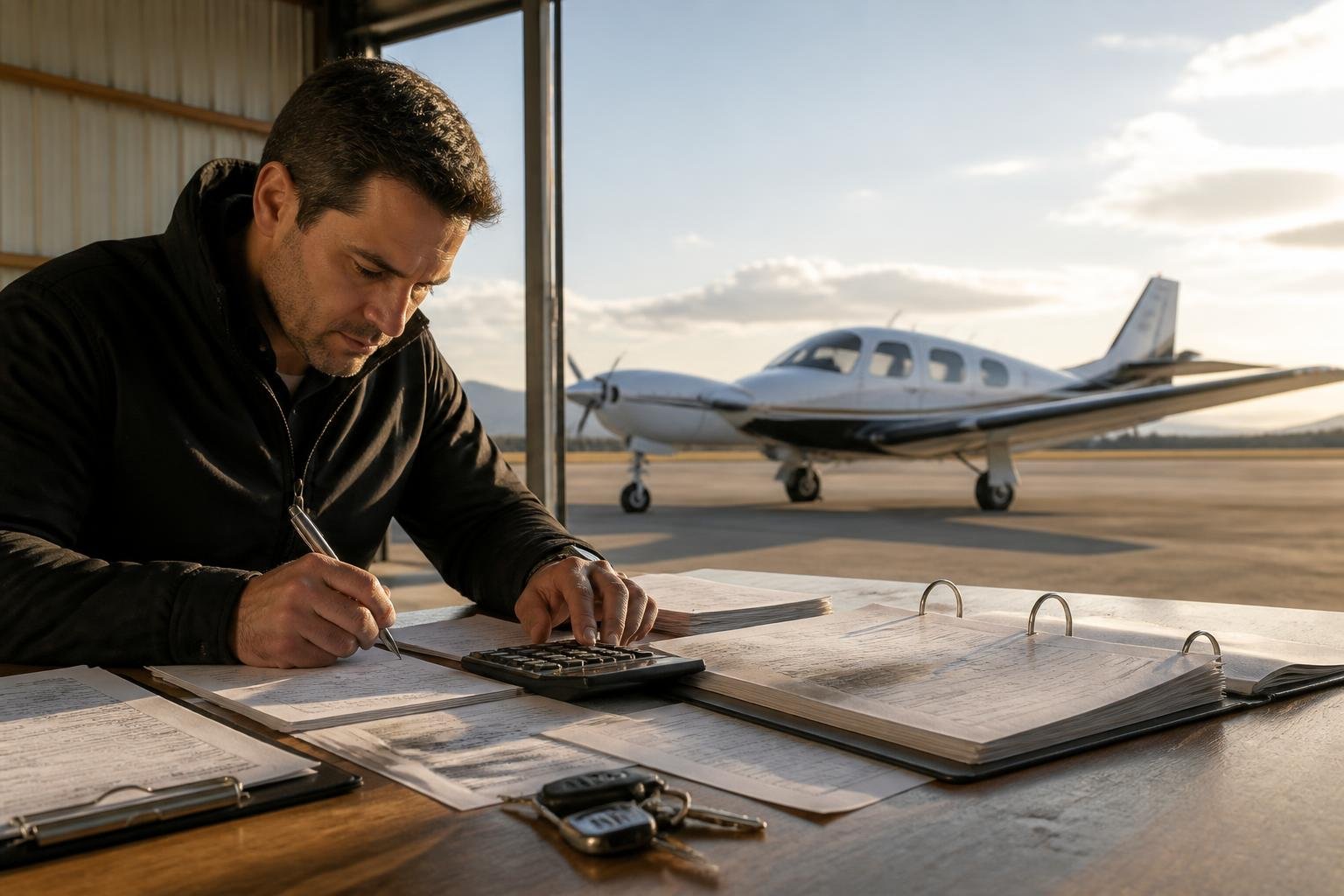
Your maximum bid should be based on an all-in acquisition figure, not the number displayed during bidding. Start with the likely hammer price and add the buyer’s premium, transaction charges and taxes that may apply. Then include costs that arise because the aircraft must be inspected, transferred, insured, moved and placed into a support programme or maintenance plan.
| Cost area | Questions to answer before bidding |
|---|---|
| Auction charges | What premium, deposit, payment fee or late charge applies? |
| Taxes and registration | Which sales taxes, VAT, customs duties and registration expenses may apply? |
| Delivery | Will the aircraft be ferried, transported or dismantled for shipment? |
| Condition reserve | What discrepancies, deferred maintenance or upgrades are likely after delivery? |
| Operations | What insurance, training, storage and first-year maintenance costs are foreseeable? |
Insurance may depend on pilot experience, recurrent training, aircraft value, operating territory and the insurer’s requirements. A ferry flight may require a qualified pilot, additional coverage and a route that accounts for weather, maintenance status and regulatory limitations. For aircraft requiring transport, obtain realistic handling, disassembly, packaging and storage estimates.
Neither a seller’s expectation nor a current auction bid establishes market value. Use documented aircraft condition, comparable transactions where available, specialist opinion and total ownership exposure to form a view. The correct maximum is the amount that leaves enough room for the known and unknown costs of responsible ownership.
Step 8: Set a Maximum Bid and Bidding Strategy
Set one maximum all-in figure after inspection findings, legal checks and cost estimates are understood. Convert that figure into a maximum hammer bid by subtracting the buyer’s premium, taxes and all expected post-sale costs. Keep a contingency allowance for genuine uncertainty. If those deductions leave too little room for the aircraft, it is not the right lot at that time.
There is no universal best moment to bid. Early bidding can test participation and ensure that a buyer is active in the process. Late bidding can reduce attention on a planned ceiling. In either case, monitor bid increments and understand whether late bids trigger extensions. Extended bidding is designed to allow fair response, so a last-second strategy may not have the effect expected in a fixed-time sale.
Avoid emotional escalation. Time spent reviewing a lot, arranging an inspection or placing earlier bids is not a reason to exceed the approved limit. New information that changes the risk profile should trigger a stop decision, even if the buyer is currently leading. Representatives should act only within clear written authority and should never be asked to improvise a higher limit during closing.
Step 9: Place Bids and Monitor the Closing Process

Before every bid, verify the lot number, currency and amount. Confirm whether the displayed figure includes or excludes any premium, and recognise that a bid can be binding under the auction terms. Keep a written record of bids, questions, responses and material auction communications. This is useful for internal approvals and for resolving any later misunderstanding.
Plan for the practical realities of an online close. Use a reliable connection, know the closing time in your local time zone and have a charged backup device and alternative internet access where possible. Enable notifications, but do not rely on them as the only means of monitoring the lot. If the auction uses extensions, remain available until bidding has conclusively ended.
Competing bids are information about competition, not proof that the aircraft is worth more than your limit. Follow the strategy already approved. If the price exceeds the ceiling, stop. Another aircraft can be evaluated with the same discipline; an over-budget aircraft often becomes more expensive after ownership transfer.
Step 10: Complete Payment, Escrow and Ownership Transfer
After a winning bid, follow the platform’s post-auction instructions promptly. Confirm the amount due, deposit treatment, payment deadline, invoice details and required transfer documents. Review the invoice against the applicable terms, including premium, taxes and any collection or storage charges. For cross-border payments, plan currency transfer timing and maintain clear payment traceability.
Escrow can provide a structured way to hold funds while agreed documentary milestones are completed. The parties should understand who holds the funds, what documents are required, when title documents are released and what happens if a stated condition cannot be met. Escrow does not replace legal review or an independent inspection; it is a transaction-control mechanism.
Maintain copies of the bill of sale, title documentation, delivery or acceptance records, payment confirmations and all correspondence. If a post-sale issue arises, review the auction terms promptly and obtain appropriate professional advice. The available remedies, notice periods and dispute process will depend on the contract and governing law.
Step 11: Plan Collection, Delivery and First Flight Carefully
Collection should be planned before the auction closes. Confirm the collection appointment, access requirements, storage obligations and the point at which risk of loss transfers. Coordinate insurance so that the correct cover is effective before the aircraft is moved or operated. Review the aircraft’s documentation, inspection status and operating limitations again before a ferry flight is contemplated.
Delivery may involve a ferry flight, professional transport or dismantled shipment. A ferry decision should account for pilot qualifications, maintenance condition, weather, route, fuel planning, insurance conditions and any required approvals. It should never be based solely on the assumption that the aircraft has recently been photographed or presented at an airfield.
International moves may require flight permissions, customs coordination, export documents and import arrangements. Once delivered, arrange a baseline inspection with the maintenance provider who will support the aircraft. This creates a practical starting point for future maintenance planning and helps the new owner prioritise findings that were identified during due diligence.
Common Online Aircraft Auction Mistakes to Avoid
- Bidding before reading the lot terms, payment rules and collection obligations.
- Treating photographs or a seller description as a substitute for records review and inspection.
- Ignoring buyer’s premium, tax, insurance, transport and immediate maintenance exposure.
- Assuming that a current bid reflects final value, clear title or satisfactory condition.
- Waiting too long to complete verification, arrange funds or book a specialist inspector.
- Failing to plan ownership transfer, insurance and collection before becoming the winner.
The common thread is avoidable uncertainty. A disciplined buyer does not need every unknown eliminated, but should know which risks remain, how material they are and whether the maximum bid properly reflects them.
A Practical Checklist for Buying an Aircraft at Auction
Before registration
- Define mission, certification needs, budget and walk-away criteria.
- Read platform terms, buyer’s premium rules and payment deadlines.
- Complete identity, entity and funding verification early.
Before bidding
- Review listing documents, logbooks, disclosures and equipment information.
- Ask written questions about gaps, defects, maintenance and inspection access.
- Arrange an independent pre-buy and estimate corrective work.
- Verify title, liens, registration eligibility and transfer documentation.
Before the close
- Calculate an all-in figure and convert it to a maximum hammer bid.
- Confirm currency, bid increments, extended-bidding rules and device backups.
- Obtain written authority if someone else will bid on your behalf.
After a win
- Review invoice, pay according to the terms and preserve payment records.
- Coordinate escrow, bill of sale, insurance, transfer and collection.
- Schedule post-delivery baseline maintenance before regular operation.
Proceed only when the mission fit, records, inspection result, legal position and all-in cost support the purchase. Walk away when a material issue cannot be understood or priced within the approved risk allowance.
Choosing the Right Next Step After Auction Research
An auction format suits buyers who can prepare thoroughly, act within a defined timetable and accept that a binding bid follows a competitive process. It may be less suitable when the mission is still unclear, financing is not ready, specialist inspections cannot be arranged or the aircraft type requires deeper regulatory investigation.
Additional model research or specialist advice is sensible when considering unfamiliar systems, unusual certification categories, historic aircraft or cross-border transfers. Compare more than one suitable aircraft where possible. Current auction inventory can help a buyer understand how records, equipment, condition and location differ from one lot to another, but it should not force a decision on a single aircraft.
An unsuccessful bid can still be useful. Preserve the inspection notes, cost model and checklist, then apply them to the next candidate. The strongest outcome is not simply winning an auction; it is acquiring an aircraft that fits the intended mission, can be transferred lawfully and can be supported responsibly after delivery.

Comments
No comments yet
Be the first to share your thoughts!