

 Bad Vöslau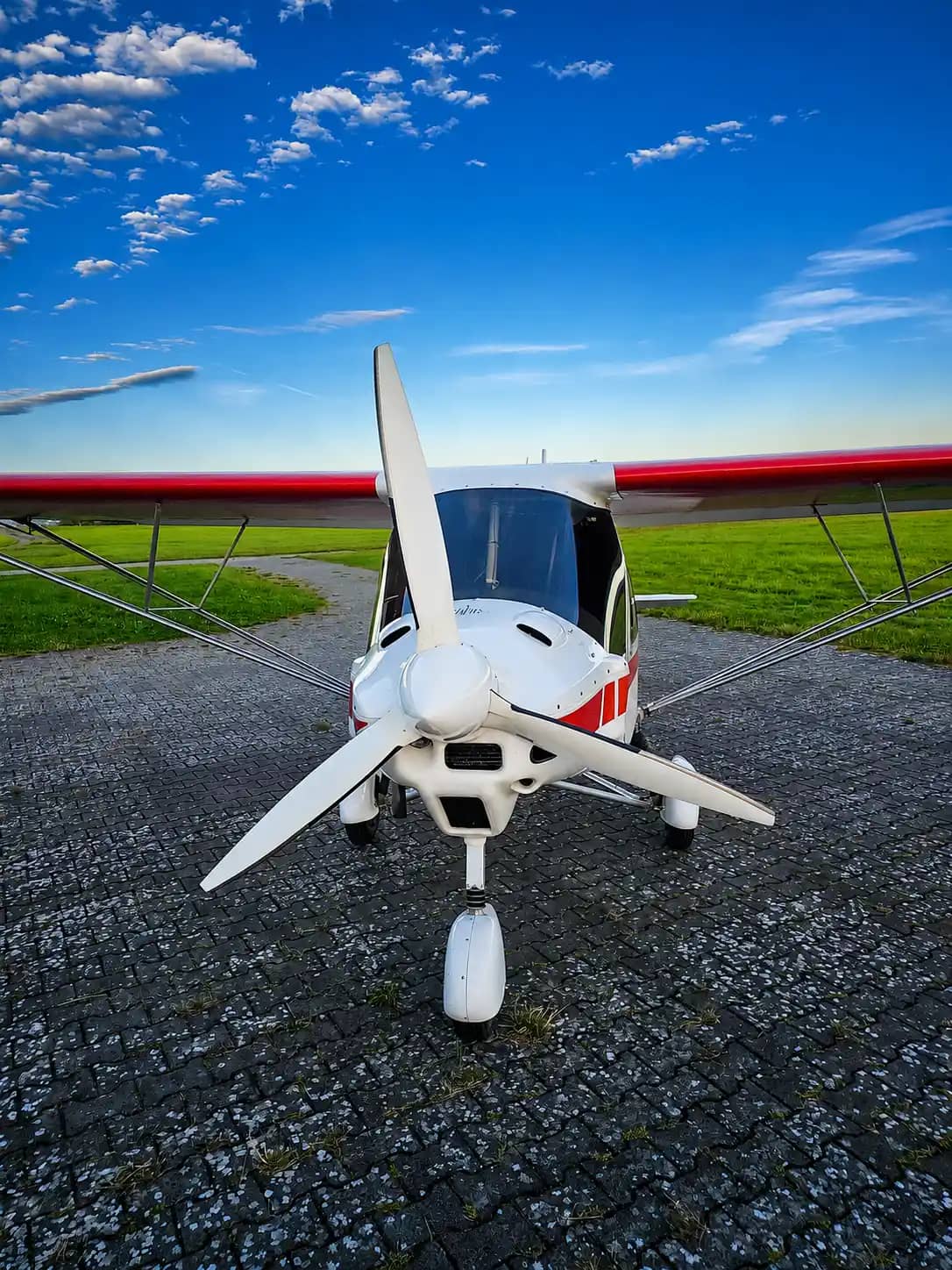
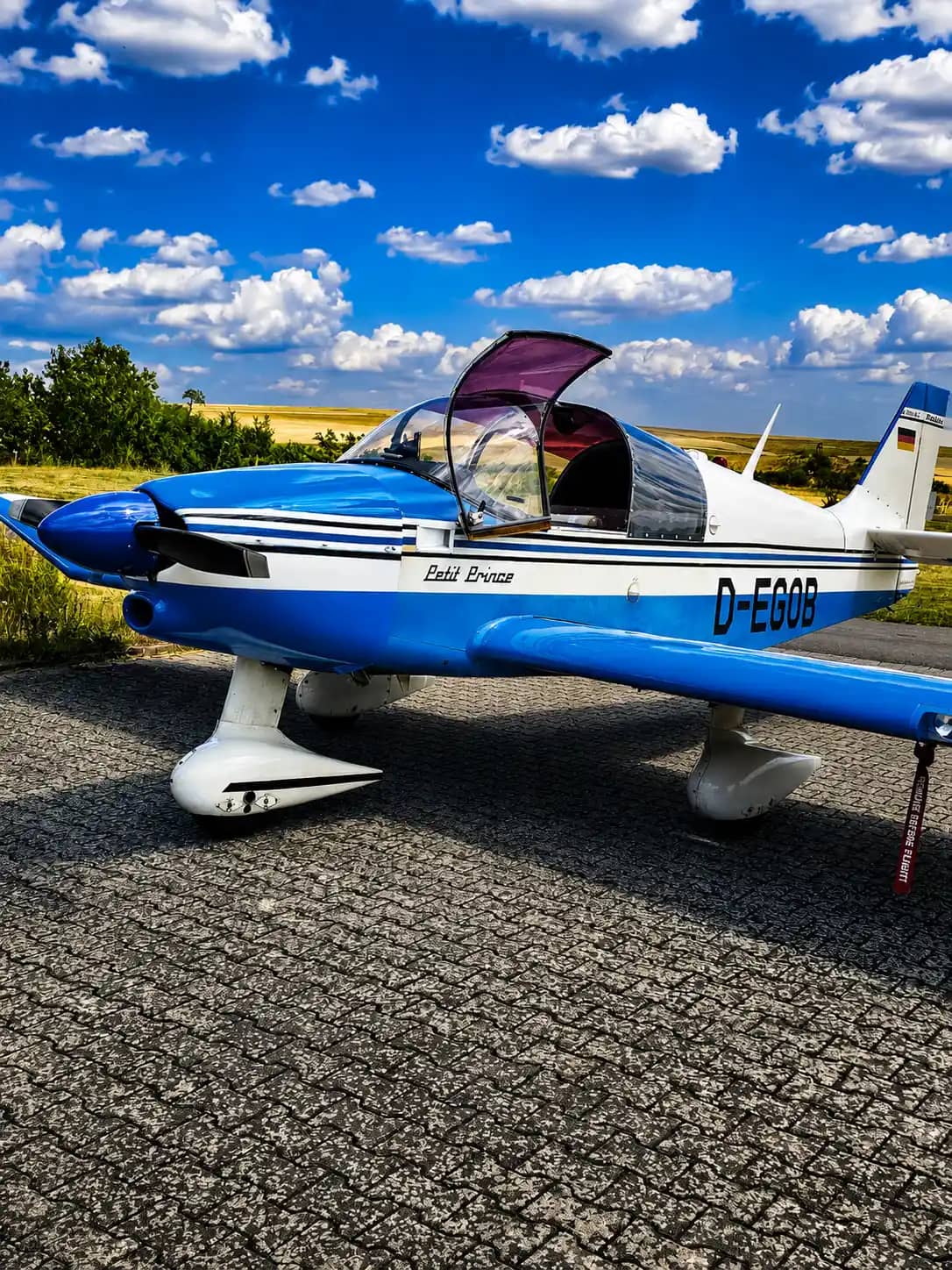
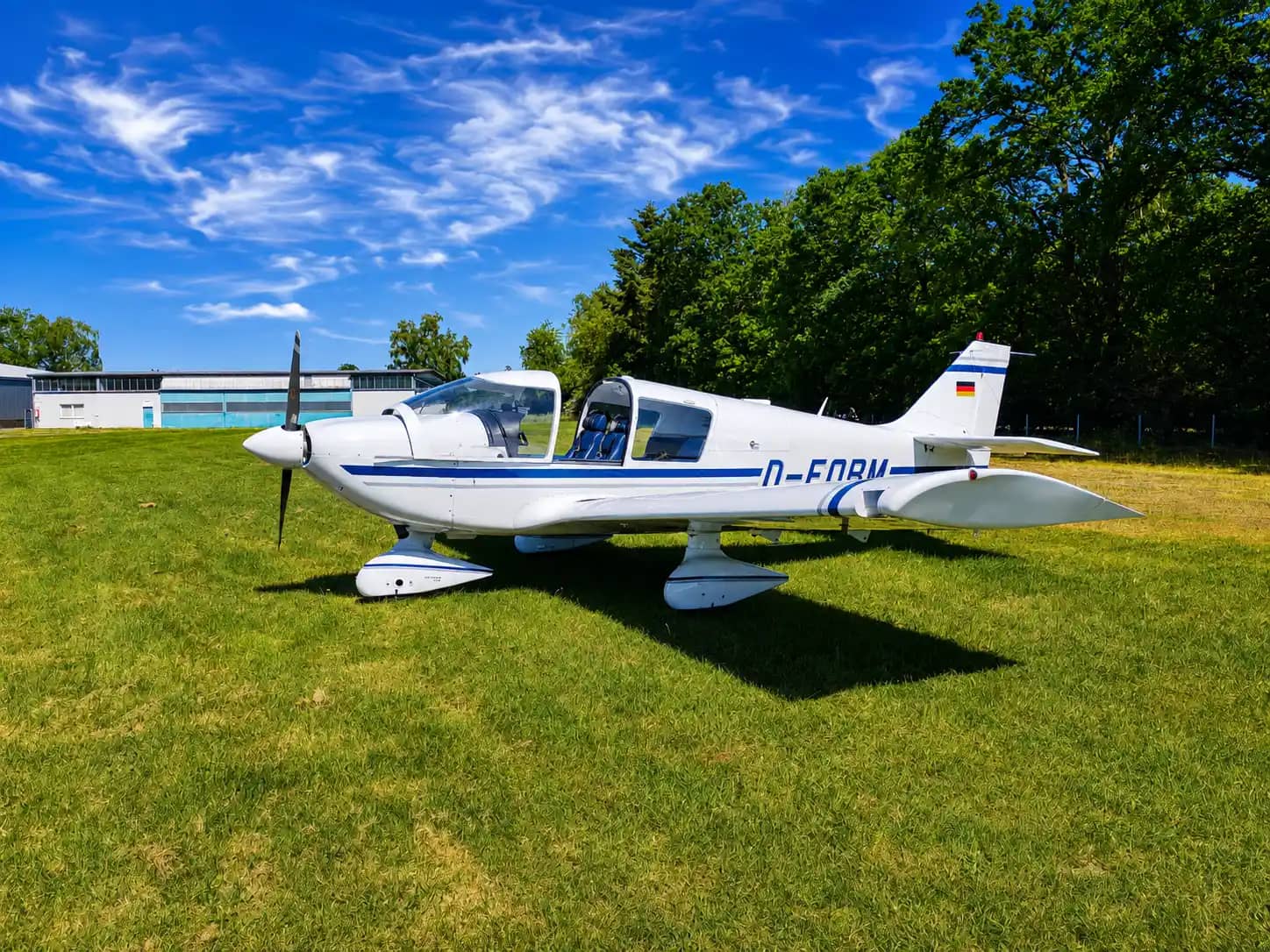
 Kirn
Kirn

 Florida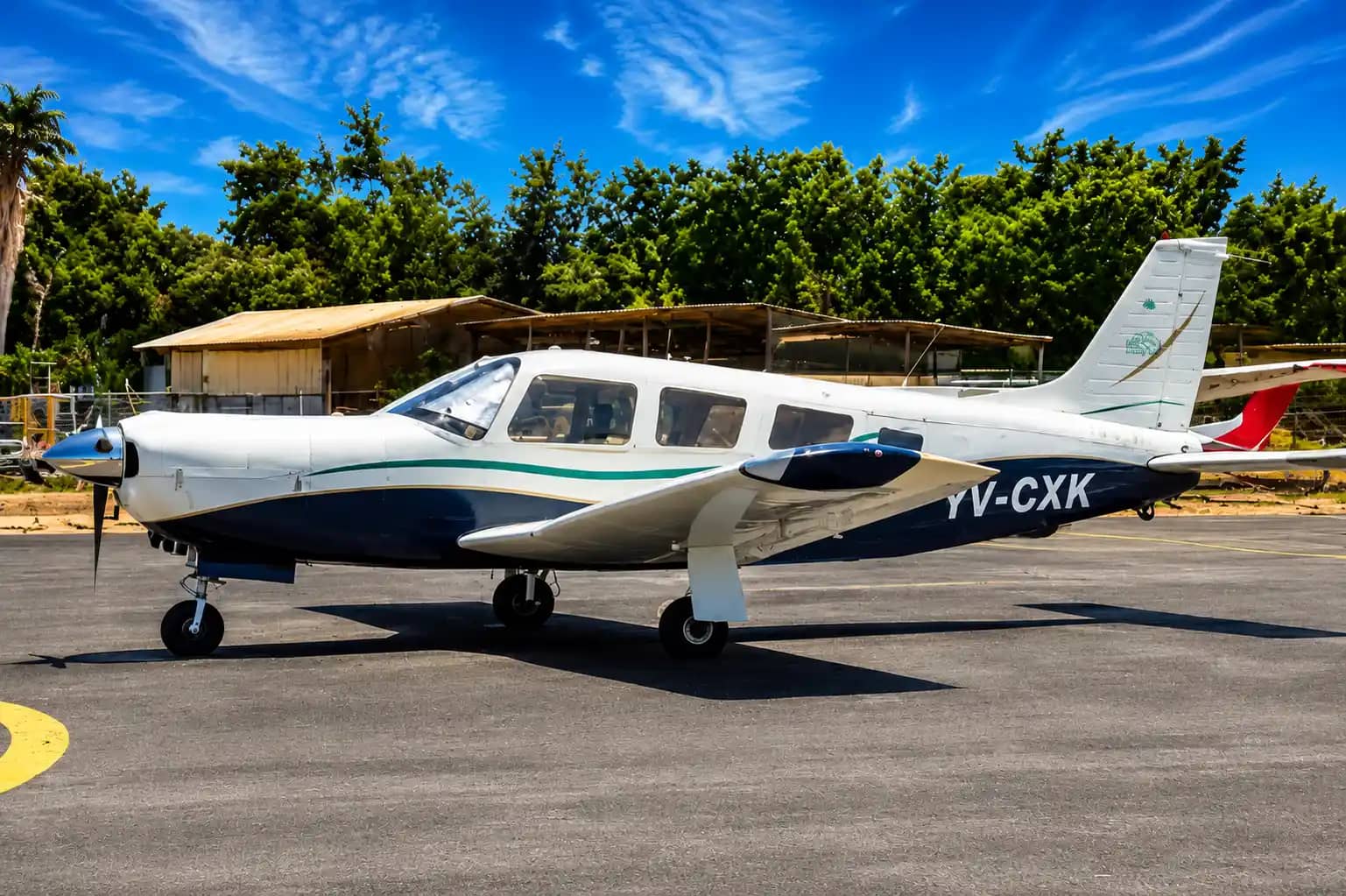
 Haifa
Haifa
 Szeged
If you are looking for a Van’s RV-12 for sale, the model makes a strong case for buyers who want efficient two-seat flying without the fuel burn, weight and ownership demands of a larger general-aviation aircraft. Its appeal is easy to understand: side-by-side seating, an all-metal airframe, Rotax power, removable wings and a modern support network built around one of the best-known names in the kit-aircraft world.
But “RV-12” does not describe one completely uniform aircraft. Original RV-12s and later RV-12iS aircraft differ in important areas, and individual examples can also differ in certification category, engine installation, avionics, empty weight and build history. For a buyer, those differences matter more than paint quality or a long equipment list.
Van’s RV-12 at a Glance
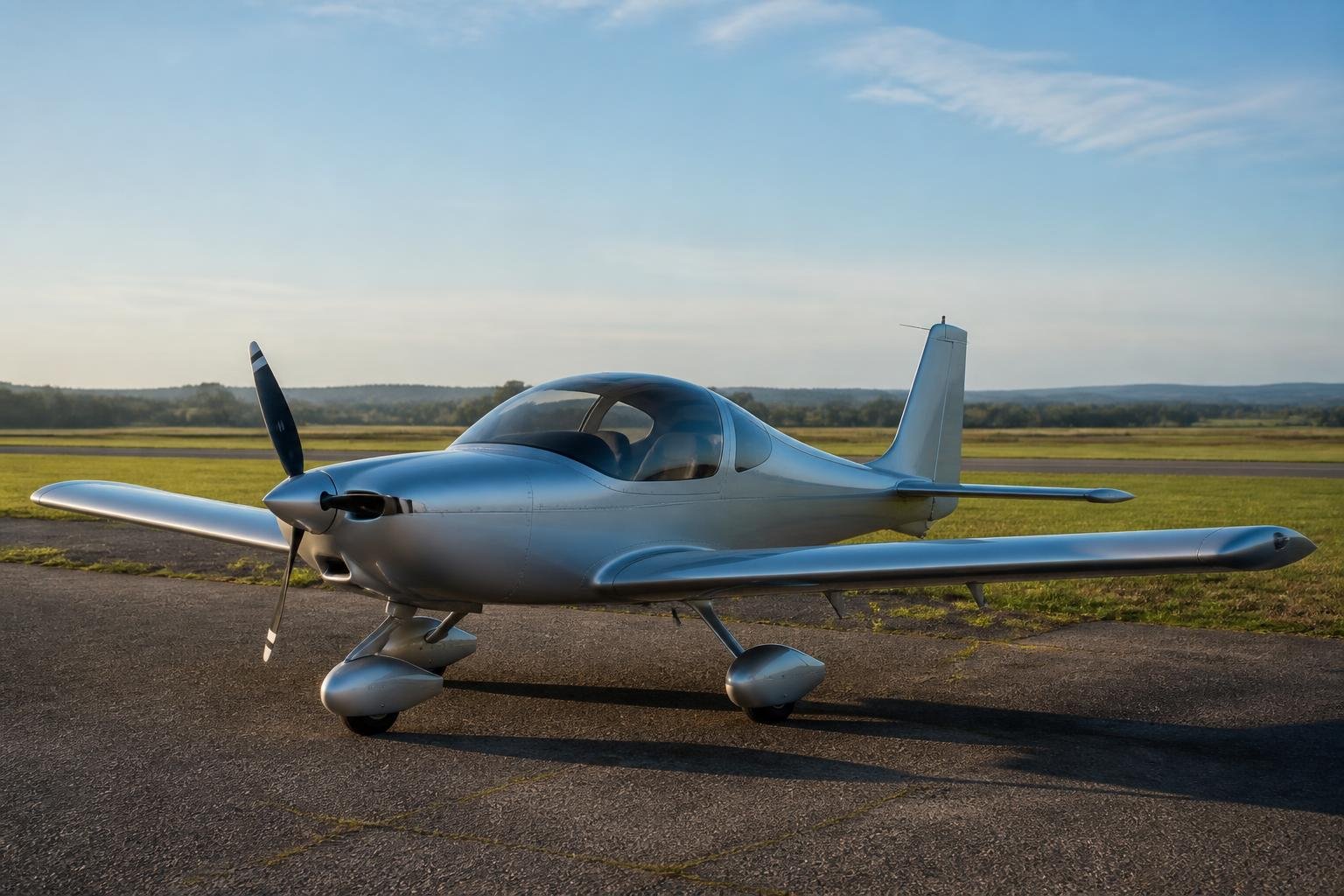
The RV-12 is a two-seat, low-wing aircraft designed around recreational flying, training and practical regional touring. Its side-by-side cabin places the occupants ahead of the main wing spar, giving the aircraft a relatively spacious cockpit and good outward visibility.
One of the design’s most recognizable features is its removable-wing system. Van’s says two people can remove the wings in less than five minutes on the current RV-12iS design, making trailer transport and off-airport storage possible for owners who do not want to depend entirely on conventional hangar space.
The mission is still firmly two-seat. The RV-12 works well for local flying, proficiency trips, flight training where permitted and cross-country journeys that fit comfortably within its payload and fuel limits. It is not designed to replace a four-seat touring aircraft or to carry large amounts of baggage.
For many buyers, that focused mission is the attraction rather than a limitation. If most flights involve one or two people, modest baggage and relatively short to medium sectors, carrying the weight and expense of a larger aircraft may offer little practical benefit.
Original RV-12 vs RV-12iS: Know What You Are Buying
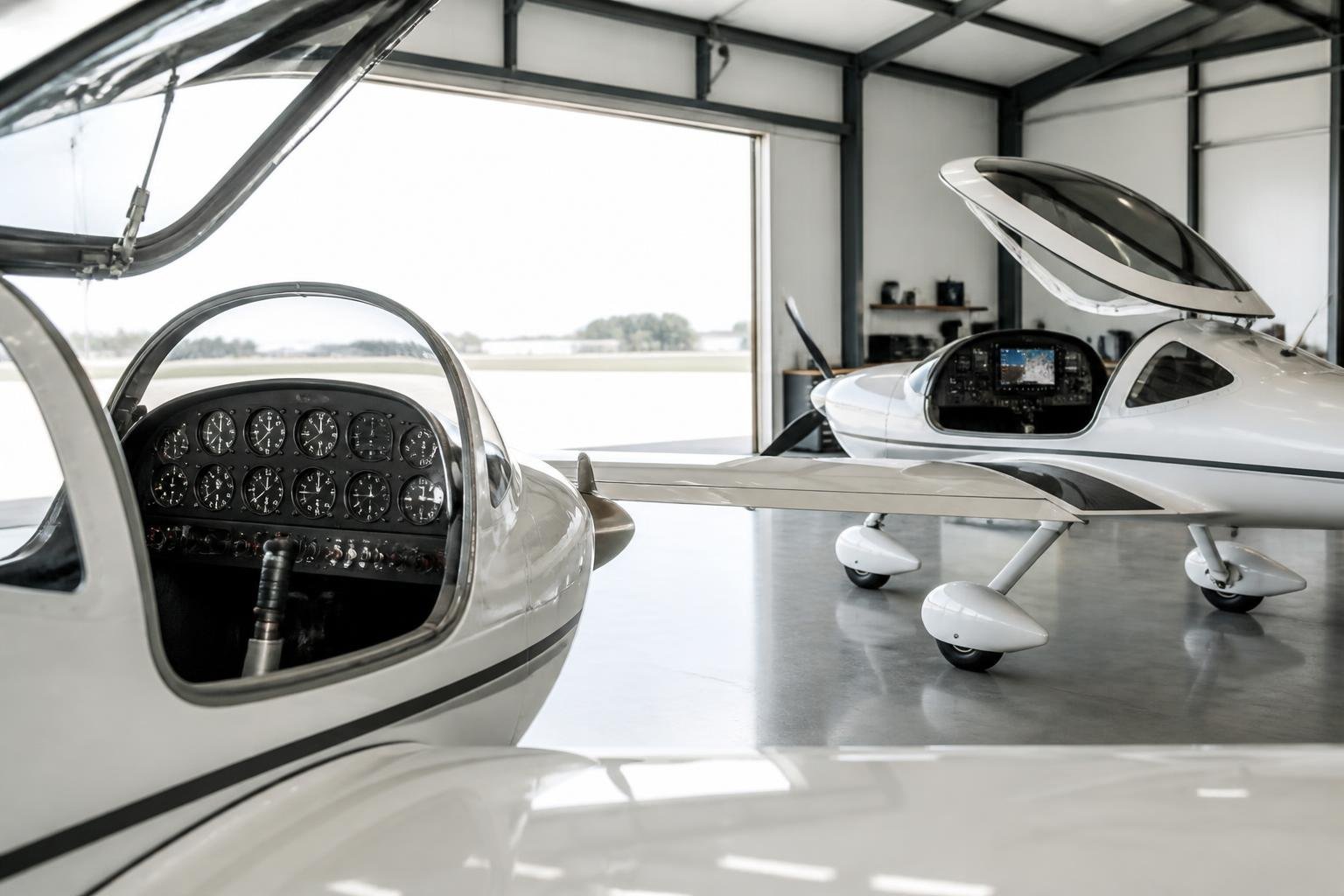
The first distinction a buyer should make is between the original RV-12 and the later RV-12iS.
Van’s documentation identifies the original RV-12 as the aircraft designed around the carbureted Rotax 912 ULS. The later RV-12iS is a redesigned version and has been offered with either the Rotax 912 ULS or the fuel-injected Rotax 912 iS Sport.
That point matters because the “iS” in RV-12iS should not automatically be interpreted as proof that a particular aircraft has the injected engine. Check the engine data plate and records.
The RV-12iS redesign also introduced changes to the airframe and systems, including the fuel-system arrangement, electrical architecture, baggage area, landing-gear attachment and other detail improvements. An original RV-12 and an RV-12iS may therefore look closely related while still requiring different maintenance references and buyer checks.
When comparing listings, establish:
- Whether the aircraft is an original RV-12 or RV-12iS.
- The exact Rotax engine model installed.
- The aircraft’s serial number.
- Its certification and airworthiness category.
- The current equipment and avionics configuration.
- Any modifications made after completion or factory delivery.
E-LSA, S-LSA and Amateur-Built RV-12 Aircraft
Certification status can materially affect RV-12 ownership, particularly in the United States. Van’s has offered the RV-12 family through kit-built and factory-built routes, while FAA records also recognise RV-12 and RV-12iS kits within the amateur-built framework.
Depending on how a particular aircraft was built and certificated, an RV-12 in the United States may appear as an Experimental Light-Sport Aircraft, a Special Light-Sport Aircraft or, in some circumstances, an Experimental Amateur-Built aircraft. Aircraft registered outside the United States operate under their own national regulatory systems, so the same terminology should not automatically be applied internationally.
This is more than a paperwork distinction. Certification can affect who may perform maintenance, who may sign inspections, what modifications are permitted and what documentation is required after a change.
Before purchasing, obtain the airworthiness certificate, registration documents, operating limitations and relevant maintenance records. If the category is unfamiliar, have an inspector who understands that regulatory framework explain the practical consequences before you make an offer.
Van’s RV-12 Specs That Matter to Buyers

Published Van’s RV-12 specs are useful for understanding the type, but the current records for the individual aircraft remain more important when making a purchase decision.
For the current RV-12iS, Van’s publishes the following model-level reference figures:
| Specification | Van’s RV-12iS reference |
|---|---|
| Seats | 2 |
| Engine options | 100 hp Rotax 912 iS Sport or Rotax 912 ULS |
| Fuel capacity | 20 US gallons |
| Baggage capacity | 75 lb |
| Cabin width | 43 in |
| Published top speed | 144 mph |
| Published stall speed with flaps | 47 mph |
| Published ceiling | 17,300 ft with 912 iS configuration |
These figures describe the manufacturer’s current RV-12iS reference configuration. They should not automatically be applied to every original RV-12, every national certification configuration or every modified aircraft.
For buying purposes, the numbers that matter most are the individual aircraft’s current empty weight, permitted maximum weight and centre-of-gravity envelope.
Van’s RV-12 Useful Load: Calculate the Aircraft You Are Actually Buying
Van’s RV-12 useful load can be one of the aircraft’s strengths, but published examples should not replace an aircraft-specific calculation.
Van’s describes the current RV-12iS as capable, in an appropriate configuration, of carrying two 185 lb occupants, a full 20-gallon fuel load and 50 lb of baggage. That is useful context, but avionics, paint, upholstery, batteries, autopilot equipment, repairs and other additions can all alter empty weight.
Ask for the latest weight-and-balance report and compare it with the aircraft itself. Make sure significant changes are reflected in the paperwork.
Then calculate your normal mission rather than an idealized one. Use realistic occupant weights, expected baggage and the fuel required for the trip. A two-seat aircraft with an impressive brochure useful load can still become restrictive if the individual example has accumulated significant equipment weight.
RV-12 Cruise Speed, Range and Fuel Burn

Van’s RV-12 cruise speed depends on engine type, power setting, altitude, loading, propeller adjustment and atmospheric conditions. This is why one cruise number from a sales advertisement is not particularly useful unless the conditions behind it are known.
The current Van’s RV-12iS Pilot’s Operating Handbook illustrates the relationship clearly. With the 912 iS installation, cruise performance changes considerably with RPM and altitude. At some commonly used power settings, published fuel flow is around the four-to-five-gallon-per-hour region while true airspeed remains above 100 knots. Higher power increases both speed and consumption.
The important buying lesson is not one exact number. It is whether the aircraft can complete the missions you actually intend to fly at a fuel flow, payload and reserve that make sense for you.
Van’s RV-12 range should therefore be calculated from usable fuel, the power setting you intend to use, actual winds and the reserve required for the operation. Do not simply divide tank capacity by a best-case fuel-flow figure.
A headwind can change the trip significantly even when endurance remains the same. For cross-country use, compare several realistic routes rather than relying on the maximum range quoted in general discussions about the model.
Rotax 912 ULS vs 912 iS Sport
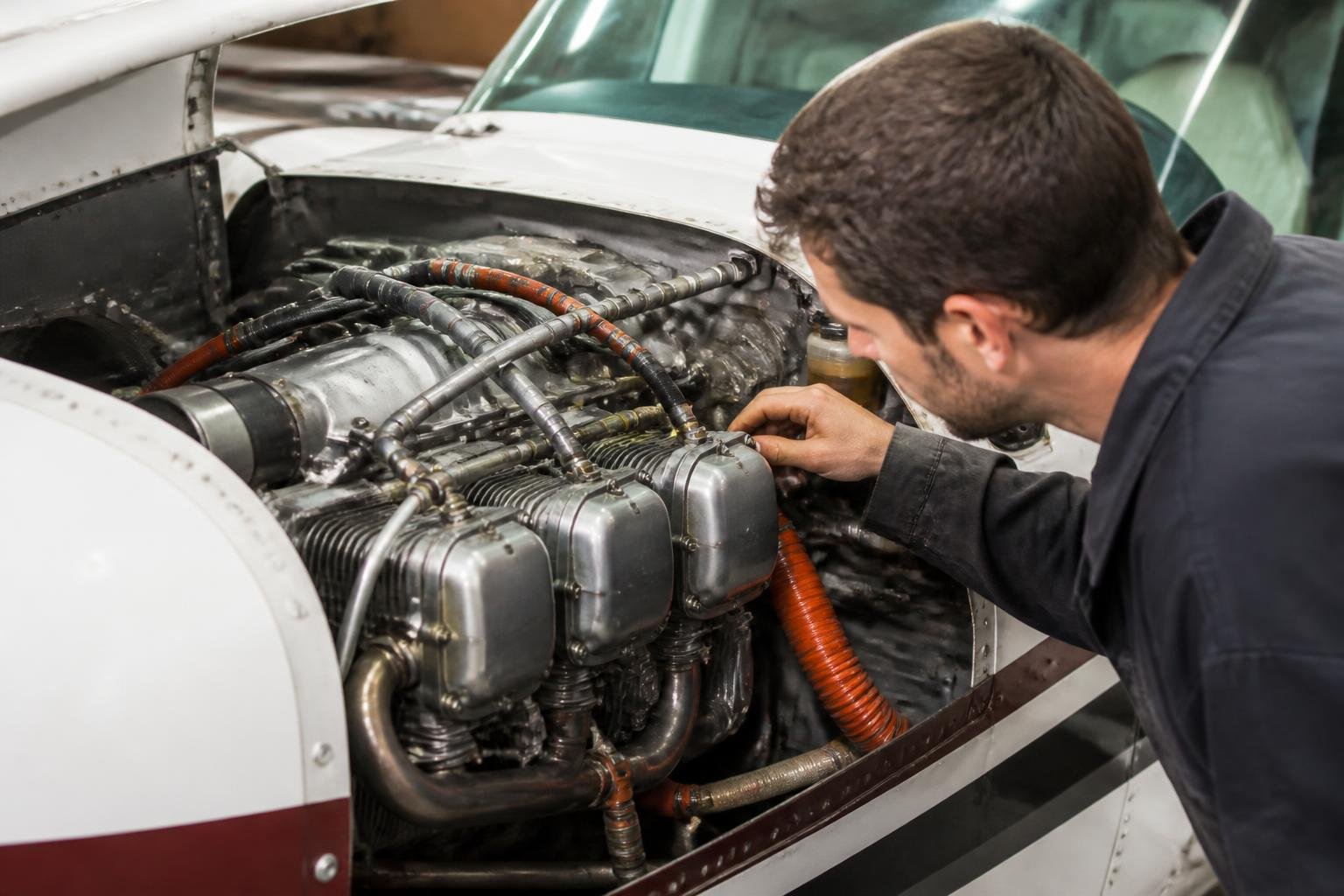
The engine installation deserves particular attention because both the original RV-12 and RV-12iS family can place buyers in different Rotax maintenance environments.
The Rotax 912 ULS uses carburetors and is a well-established 100 hp engine in the light-aircraft market. Maintenance review should include carburetor condition and synchronization, fuel-system condition, cooling components, gearbox history and the applicable calendar-based maintenance tasks.
The Rotax 912 iS Sport is fuel injected and uses electronic engine management. It introduces different electrical and diagnostic considerations while retaining the geared, liquid-and-air-cooled architecture associated with the 912 family.
Rotax publishes separate operating and maintenance manuals for the 912 A/F/S family and the 912 iS family. That makes correct engine identification important before evaluating maintenance compliance.
Regardless of version, a buyer should review:
- Engine serial number and total time.
- Scheduled and calendar-based maintenance history.
- Oil and filter-change records.
- Coolant and cooling-system condition.
- Fuel hoses, fittings and routing.
- Gearbox inspection or service history where applicable.
- Periods of extended inactivity and preservation practices.
- Propeller condition and evidence of strikes or abnormal vibration.
Low hours alone do not guarantee a low-risk engine. An aircraft that has flown consistently with strong records may be easier to assess than one that accumulated very few hours but spent long periods inactive.
Removable Wings and Airframe Inspection
The removable wings are one of the RV-12’s most distinctive ownership features. They can make storage and transport easier, but the system also deserves careful inspection on a used aircraft.
Check the attachment points, hardware, electrical connections and evidence of wear from repeated installation and removal. Ask how often the wings were removed and whether the aircraft was regularly transported by trailer.
The rest of the all-metal airframe should be inspected for deformation, corrosion, loose or damaged fasteners, skin damage and evidence of previous repairs. Pay particular attention to landing-gear attachment areas, the lower fuselage, control surfaces and locations exposed to moisture.
For kit-built examples, workmanship is an additional part of the buying equation. Riveting quality, wiring, hose routing, control-system installation, finish work and adherence to the plans can vary from one builder to another.
A polished aircraft can still contain poor workmanship, while a cosmetically modest example can be exceptionally well constructed. Builder documentation and a knowledgeable physical inspection are much more useful than appearance alone.
Van’s RV-12 Maintenance Cost
Van’s RV-12 maintenance cost depends on engine configuration, certification category, utilisation, local labour rates and the quality of previous maintenance.
Routine ownership is relatively straightforward compared with many larger aircraft, but that does not make the RV-12 maintenance-free. Typical recurring attention includes the engine, cooling system, fuel system, brakes, tyres, wheel bearings, control system, battery, avionics and airframe inspection.
Calendar-driven work deserves particular attention on Rotax installations. A low-hour aircraft can still require meaningful maintenance because age-sensitive components do not stop aging when the aircraft is parked.
Before purchase, review current Van’s safety and service information for the specific RV-12 version and current Rotax service information for the installed engine. Determine what applies to the aircraft and whether the records show completion.
Parts availability and technician experience should also form part of the ownership decision. Before buying, identify someone locally who is comfortable with both the RV-12 airframe and the installed Rotax engine.
Van’s RV-12 Operating Cost: Build Your Own Budget
There is no meaningful universal Van’s RV-12 operating cost. Fuel prices, insurance, hangar rent, annual utilisation and maintenance rates vary too much between owners and countries.
A better approach is to divide the budget into three groups.
Fixed Costs
- Hangar or storage.
- Insurance.
- Registration and administration.
- Annual or condition-inspection expenses as applicable.
- Avionics database subscriptions where required.
Flight-Hour Costs
- Fuel.
- Oil and routine consumables.
- Tyres and brake wear.
- Engine reserve.
- Propeller reserve.
Maintenance Reserve
Keep a separate reserve for unscheduled work. Batteries, avionics, hoses, sensors, brakes, electrical components and other items do not fail according to a convenient hourly budget.
Annual utilisation also changes the apparent hourly cost dramatically. An aircraft flown 30 hours per year spreads its insurance, storage and inspection costs across far fewer hours than one flown regularly.
Use your expected annual utilisation rather than the number of hours you hope to fly.
Van’s RV-12 Pre-Buy Inspection Checklist
A Van’s RV-12 pre-buy inspection should be carried out by an independent person familiar with RV aircraft, Rotax engines and the regulatory category of the aircraft being considered.
Start with documents where possible. Reviewing them before travelling can reveal enough information to decide that a candidate is either worth inspecting or worth leaving alone.
- Confirm the aircraft model, serial number and certification status.
- Verify whether it is an original RV-12 or RV-12iS.
- Identify the exact Rotax engine model and serial number.
- Review airframe, engine and propeller logs for continuity.
- Review Van’s applicable safety and service information.
- Review applicable Rotax service bulletins and maintenance requirements.
- For kit-built aircraft, inspect builder logs and construction photographs where available.
- Compare the current weight-and-balance report with installed equipment.
- Inspect rivets, skins, wing attachment areas and evidence of structural repair.
- Inspect landing gear, brakes, wheels and signs of hard landings.
- Check controls, pushrods, hinges, stabilator and trim operation.
- Inspect fuel-system hoses, fittings, tank condition and evidence of leakage.
- Inspect cooling-system hoses and components.
- Review engine inactivity and preservation history.
- Inspect propeller blades, hub and spinner for damage.
- Test avionics, transponder, ADS-B and autopilot where fitted.
- Review modifications and supporting documentation.
- Investigate accident, incident or repair history.
- Obtain written findings before finalising the purchase.
A pre-buy inspection is not simply a pass-or-fail event. Its real value is turning unknowns into information: what needs immediate attention, what can wait and what should affect the price.
Avionics and Electrical System
Many RV-12 aircraft have modern glass panels, but avionics should be evaluated as systems rather than screen sizes.
Confirm exactly which displays, transponders, radios, GPS equipment, autopilot components and backup instruments are installed. Check software and database support and compare the panel with the aircraft’s documentation.
The engine installation also affects the electrical review. A fuel-injected 912 iS installation has different electrical dependencies from a carbureted 912 ULS installation. Make sure the inspector understands the system being examined rather than applying assumptions from another RV-12 configuration.
Older avionics can remain perfectly useful if they support the intended mission. Likewise, an expensive modern panel does not compensate for poor construction, weak maintenance records or an uncertain engine history.
Documents to Review Before Buying an RV-12
The paperwork is especially important on an aircraft that may have been kit-built or operated under an experimental category.
Before making an unconditional offer, review as applicable:
- Registration documentation.
- Airworthiness certificate.
- Operating limitations.
- Airframe logbooks.
- Engine logbooks.
- Propeller records.
- Current weight-and-balance report.
- Equipment list.
- Builder records for kit-built aircraft.
- Modification documentation.
- Inspection history.
- Applicable service and safety information.
For an amateur-built aircraft, good builder documentation can be particularly valuable. Photographs and construction logs allow an inspector to understand areas that may no longer be visible after completion.
Van’s RV-12 Price: What Actually Determines Value?
There is no single reliable Van’s RV-12 price. Asking prices, auction starting prices, current bids and completed sale prices describe different stages of a transaction and should not be treated as interchangeable.
For the RV-12, value is particularly sensitive to:
- Original RV-12 versus RV-12iS configuration.
- Certification category.
- Factory-built versus kit-built provenance.
- Build quality.
- Engine type and time.
- Maintenance history.
- Avionics and autopilot equipment.
- Current empty weight and useful load.
- Paint and interior condition.
- Damage or repair history.
- Completeness of records.
A lower asking price can be attractive until overdue Rotax work, avionics issues, undocumented modifications or poor build quality are added to the first-year budget.
Equally, an expensive glass panel should not be allowed to dominate the valuation if the aircraft’s underlying condition or documentation is weak.
A Current Van’s RV-12 for Sale
For a real-world example, buyers can review the Van’s RV-12 currently available on CollectAirs. The live listing describes a 2023 aircraft in Madrid with a Rotax 912 ULS, Sensenich two-blade ground-adjustable propeller, Dynon SkyView HDX avionics and approximately 200 hours of airframe and engine time.
Those details are specific to that aircraft. They are useful for applying the buyer checks in this guide, but they should not be treated as specifications for every RV-12.
Compare its weight, engine records, propeller condition, avionics, maintenance documentation and certification status against other RV-12 aircraft for sale rather than comparing only the headline price.
How to Compare RV-12 Aircraft for Sale
A simple comparison worksheet can prevent attractive photographs or avionics from distracting from the factors that actually drive ownership quality.
| Item | Aircraft A | Aircraft B |
|---|---|---|
| RV-12 version | ||
| Certification category | ||
| Engine model | ||
| Engine time | ||
| Airframe time | ||
| Current empty weight | ||
| Useful load | ||
| Propeller | ||
| Avionics | ||
| Build provenance | ||
| Service information status | ||
| Damage or repair history | ||
| Records |
This makes it much easier to understand why two apparently similar RV-12 aircraft may deserve very different valuations.
RV-12 Alternatives Worth Comparing
The RV-12 competes with a broad range of two-seat light aircraft. Depending on the buyer’s priorities, alternatives may include aircraft such as the Flight Design CTLS, Tecnam P2008, Remos GX, Bristell models and other Rotax-powered light aircraft.
The useful comparison is not which aircraft has the longest specification sheet. Compare the factors that affect your actual ownership experience:
- Useful load with realistic fuel.
- Cabin comfort.
- Cruise performance.
- Fuel consumption.
- Runway requirements.
- Parts availability.
- Maintenance expertise.
- Certification category.
- Storage requirements.
- Acquisition cost.
The RV-12’s removable wings and strong kit-builder ecosystem can be particularly attractive to some buyers. Another aircraft may make more sense for someone prioritising higher cruise speed, larger baggage capacity or a different certification framework.
Who Should Buy a Van’s RV-12?
The RV-12 is a strong fit for buyers who normally fly with one passenger or alone, value relatively economical Rotax operation and want an aircraft that is equally comfortable with local flying and modest cross-country trips.
It is particularly appealing when ease of access, visibility, modern avionics and flexible storage matter more than high payload or long-range capability.
It is less suitable for an owner who regularly needs more than two seats, heavy baggage capability or significantly higher cruise performance.
The best RV-12 purchase is usually not the aircraft with the newest screen or the lowest advertised price. It is the example whose certification, build quality, engine history, useful load and maintenance records fit the mission with the fewest unanswered questions.
Van’s RV-12 Buyer FAQ
What engine does a Van’s RV-12 use?
The original RV-12 was designed around the 100 hp Rotax 912 ULS. The redesigned RV-12iS has been offered with either the Rotax 912 ULS or the fuel-injected Rotax 912 iS Sport. Confirm the engine installed in the individual aircraft.
How many seats does the RV-12 have?
The RV-12 is a two-seat aircraft with side-by-side seating.
How much fuel does an RV-12 carry?
Van’s lists a 20 US gallon fuel capacity for the current RV-12iS. Buyers evaluating an older or modified aircraft should confirm its installed and usable fuel capacity from the applicable documentation.
What is Van’s RV-12 fuel burn?
Fuel burn varies with engine version, altitude and power setting. Current Van’s performance data for the 912 iS configuration shows that typical cruise settings can fall broadly in the four-to-five-gallon-per-hour region, with lower or higher consumption depending on RPM and altitude. Use the applicable POH for flight planning.
What is Van’s RV-12 cruise speed?
Cruise speed depends on engine, power setting, altitude, loading and propeller setup. Van’s publishes a 144 mph top-speed figure for the current RV-12iS, but normal cruise should be taken from the applicable performance tables rather than treated as the same number.
What should I check before buying an RV-12?
Priorities include certification status, builder provenance where applicable, current weight and balance, Rotax engine history, service-information compliance, wing attachment areas, landing gear, controls, fuel and cooling systems, propeller condition, avionics and complete records.
Is a Van’s RV-12 inexpensive to own?
It can offer comparatively modest fuel use and straightforward systems, but total ownership cost still depends on hangarage, insurance, annual utilisation, engine maintenance and the condition of the individual aircraft. Build a budget from local costs rather than relying on a generic hourly estimate.
Sources & Further Reading
- Van’s Aircraft — RV-12iS Official Model Information
- Van’s Aircraft — RV-12 and RV-12iS Builder Documentation
- Van’s Aircraft — RV-12iS Pilot’s Operating Handbook
- Van’s Aircraft — RV-12iS Safety and Service Information
- FAA — Light-Sport Category Aircraft
- FAA — Amateur-Built Kit Evaluation List
- FAA — Light-Sport Aircraft Buyer’s Guide
- Rotax / EASA — Rotax 912 Series Type and Maintenance Documentation Reference
- CollectAirs — Current Van’s RV-12 Auction
Specifications and performance figures in this guide are model-level references. Individual RV-12 aircraft can differ by version, engine installation, certification, equipment, modifications and national operating requirements. Always use the approved documentation for the aircraft being evaluated.

Comments
Join the conversation
Share your thoughts about this article
No comments yet
Be the first to share your thoughts!