
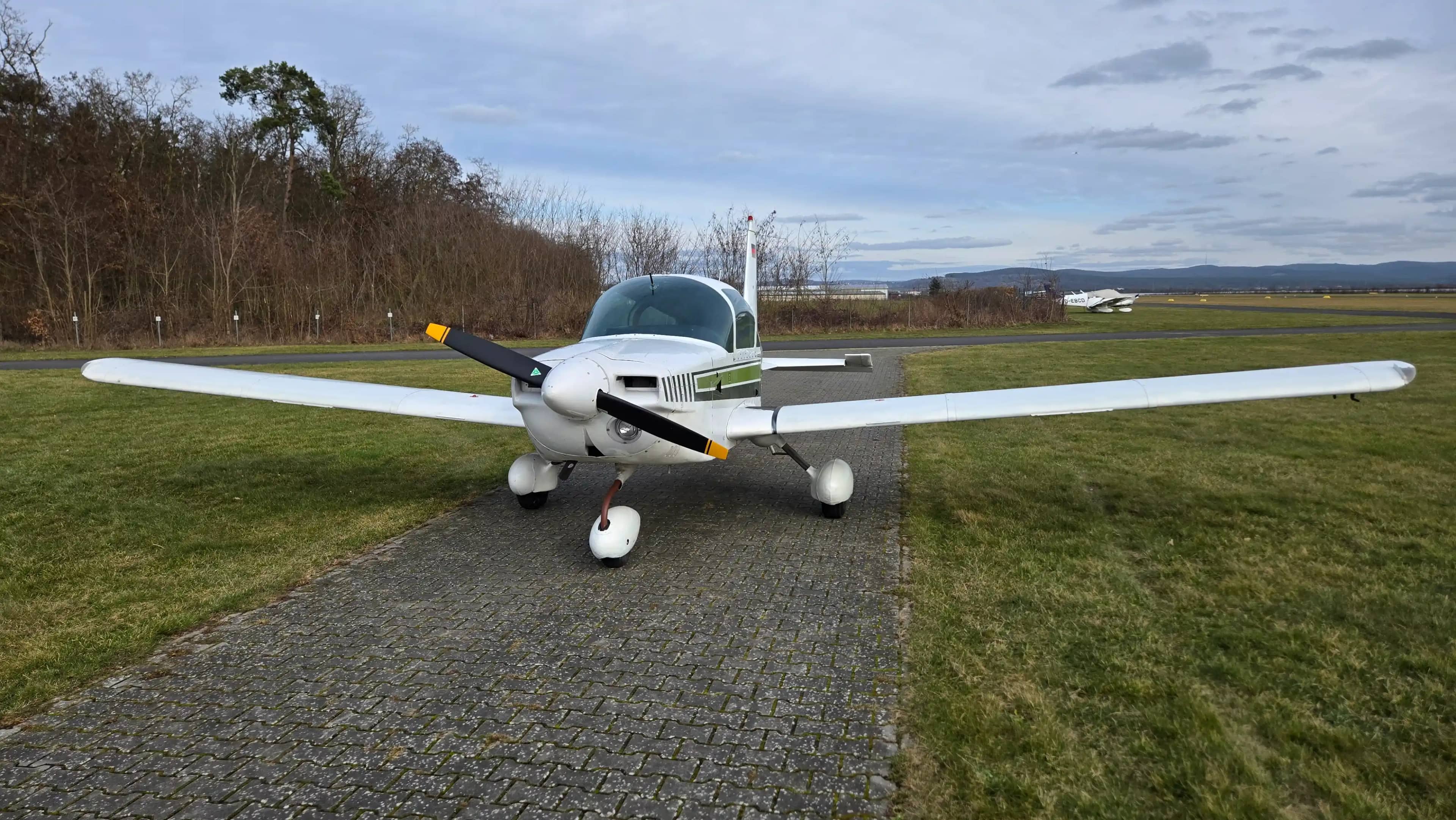
 Aschaffenburg
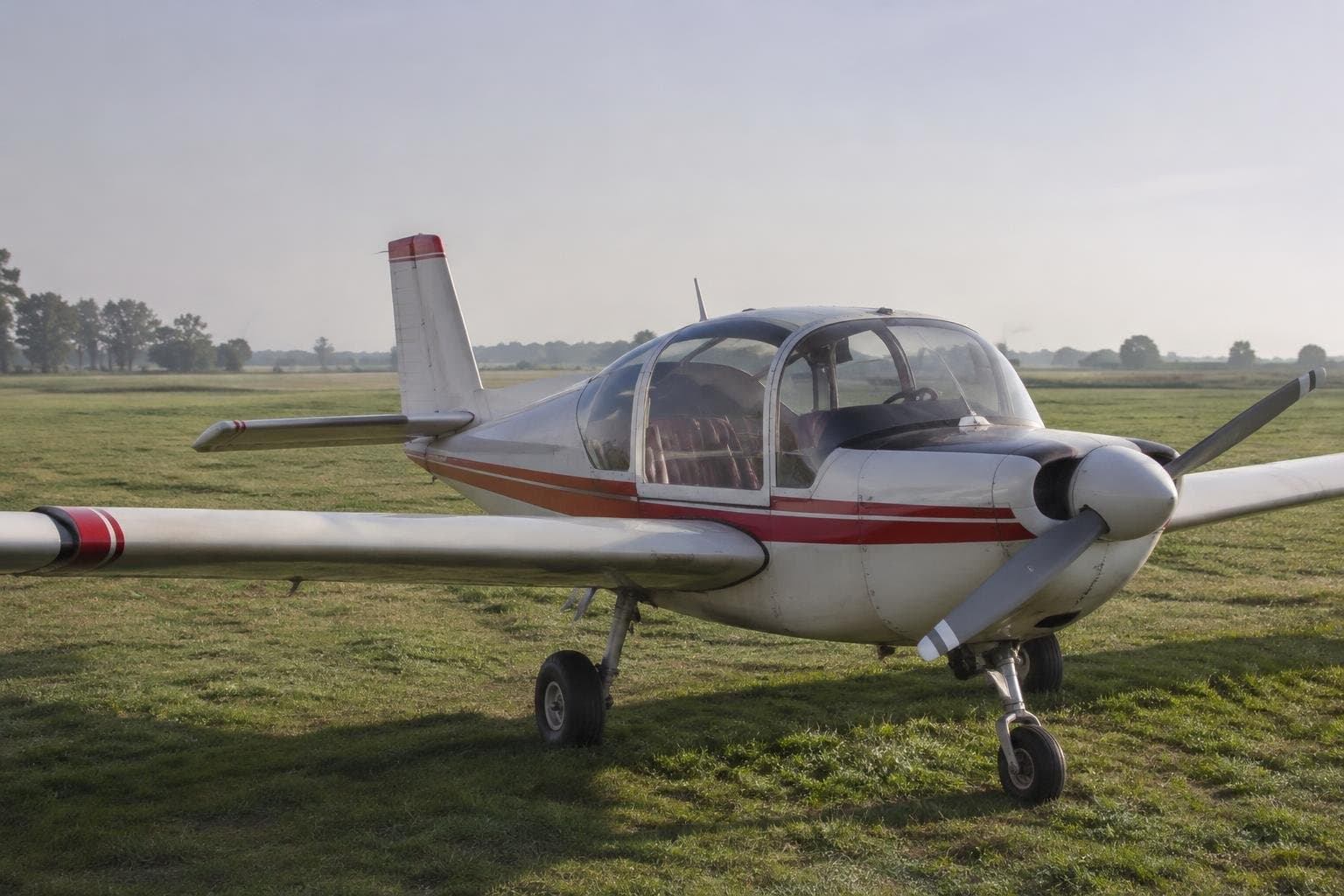
Is the MS 885 Super Rallye right for your flying?
The MS 885 Super Rallye is worth shortlisting if you value low-speed handling and want a light aircraft for local flying, modest touring loads and occasional short-field use within approved limits. Its four seats give you flexibility, but the useful load of the individual aircraft determines how much fuel, baggage and passenger weight you can carry together. This Morane-Saulnier MS 885 buyer’s guide starts with the factor that matters most: a sound airframe, coherent records and accessible maintenance are worth more than a low asking price.
Start with two trips you actually expect to make. For a local flight, write down the usual occupants and fuel load. For a tour, add baggage, fuel for the route and reserves, and any alternate you need to plan for. If a grass strip is central to the purchase, include its slope, surface, usable length and obstacles. An aircraft that works well for two people on a dry morning is not necessarily suitable for the same strip with more passengers on a warm afternoon.
Screen for deal-breakers before travelling. Gaps in records that prevent you from verifying identity, major repairs or mandatory maintenance can be more serious than an overdue cosmetic refurbishment. Unresolved structural corrosion needs an independent assessment and a credible repair path. And if no suitably qualified shop can take on the aircraft, the purchase price tells you little about how soon or how often you will fly it.
How to identify an MS 885 within the Rallye family
Rallye is a family name, and Super Rallye in an advertisement is not proof that the aircraft is an MS 885. Ask for a clear photograph of the airframe data plate and compare the manufacturer, model designation and serial number with the registration and airworthiness documents and the opening entries in the airframe logs. A difference in punctuation may be clerical; a conflicting model or serial number needs to be resolved before you rely on the advertised specifications or pay a deposit.
Identify the installed engine and propeller separately. Compare their data-plate designations and serial numbers with their records and the entries documenting their installation. Then check the combination against the applicable type certificate data and any approved changes. An engine from the correct family does not establish that its particular suffix, propeller or installation is approved. Ask the seller to explain discrepancies and have your mechanic verify the explanation against the records.
Approved modifications can change equipment weight, operating limitations or performance assumptions. Request the approval and any applicable flight manual supplement, then confirm that the current weight-and-balance report and equipment list reflect the work. Do not use a neighboring Rallye variant’s gross weight, fuel capacity or takeoff data because the cabin looks similar or a listing groups the two models together.
MS 885 Super Rallye specs and real-world performance
Use the table as a document request list as much as a reference. The type certificate data establish approved configurations and limits; the applicable approved flight manual and supplements supply operating procedures and performance data. The candidate’s current loading records tell you what it can actually carry. Where a figure is not verified here, obtain it from those documents rather than borrowing a number from another Rallye.
| Item | Reference or figure to record | What to verify |
|---|---|---|
| Seats | Four in the standard layout | Installed seats and restraints, approved seating and loading limits |
| Engine and rated power | Continental O-300 series; 145 hp (108 kW) rated power for the standard installation | Exact engine suffix, propeller combination and applicable operating limits |
| Maximum takeoff weight | Record the approved limit in kg or lb | Applicable type data, flight manual and any approved change for the aircraft |
| Fuel capacity | Record total and usable capacity separately in litres or US gal | Installed tanks, applicable manual or supplement, and placards |
| Cruise | Record documented cruise in knots true airspeed | Power setting, altitude, temperature and any mixture assumptions attached to the figure |
| Takeoff and landing | Record documented ground roll and obstacle distance separately in metres or feet | Weight, pressure altitude and temperature or density altitude, runway surface and slope, wind, configuration and obstacle height specified in the manual |
Calculate useful load from the applicable maximum takeoff weight and the aircraft’s current documented empty weight, using the weight-and-balance report’s definitions for oil and unusable fuel. Then check the center of gravity using the aircraft’s loading stations and approved envelope. Two loads with the same total mass can give different results if passengers move to the rear or baggage is added behind them. Check the baggage compartment limit separately and verify that the center of gravity remains within limits as fuel burns.
For example, suppose a candidate has a verified useful load of 300 kg. Two occupants at 82 kg each and 18 kg of baggage total 182 kg. Add 80 L of usable avgas at an illustrative 0.72 kg/L, or about 58 kg, and the total load is about 240 kg, leaving 60 kg of mass margin. A third person weighing 75 kg would exceed the limit on that loading plan. This is arithmetic, not an MS 885 capacity claim: the tank capacity, fuel mass, reserve requirement, baggage limit and center of gravity still need separate checks.
On a short runway, compare the right performance figure with the distance you actually have. Ground roll does not tell you whether the aircraft will clear a boundary obstacle, and landing distance from a stated height is not the same as the distance after touchdown. Use the documented corrections and their limits for the planned weight, wind, runway condition and density altitude. If the charts do not cover a wet or soft grass surface, do not assume a dry hard-runway figure plus an arbitrary percentage is adequate. If you cannot establish a defensible margin, treat that runway as outside the purchase mission until you can.
What the automatic slats mean for pilots and owners
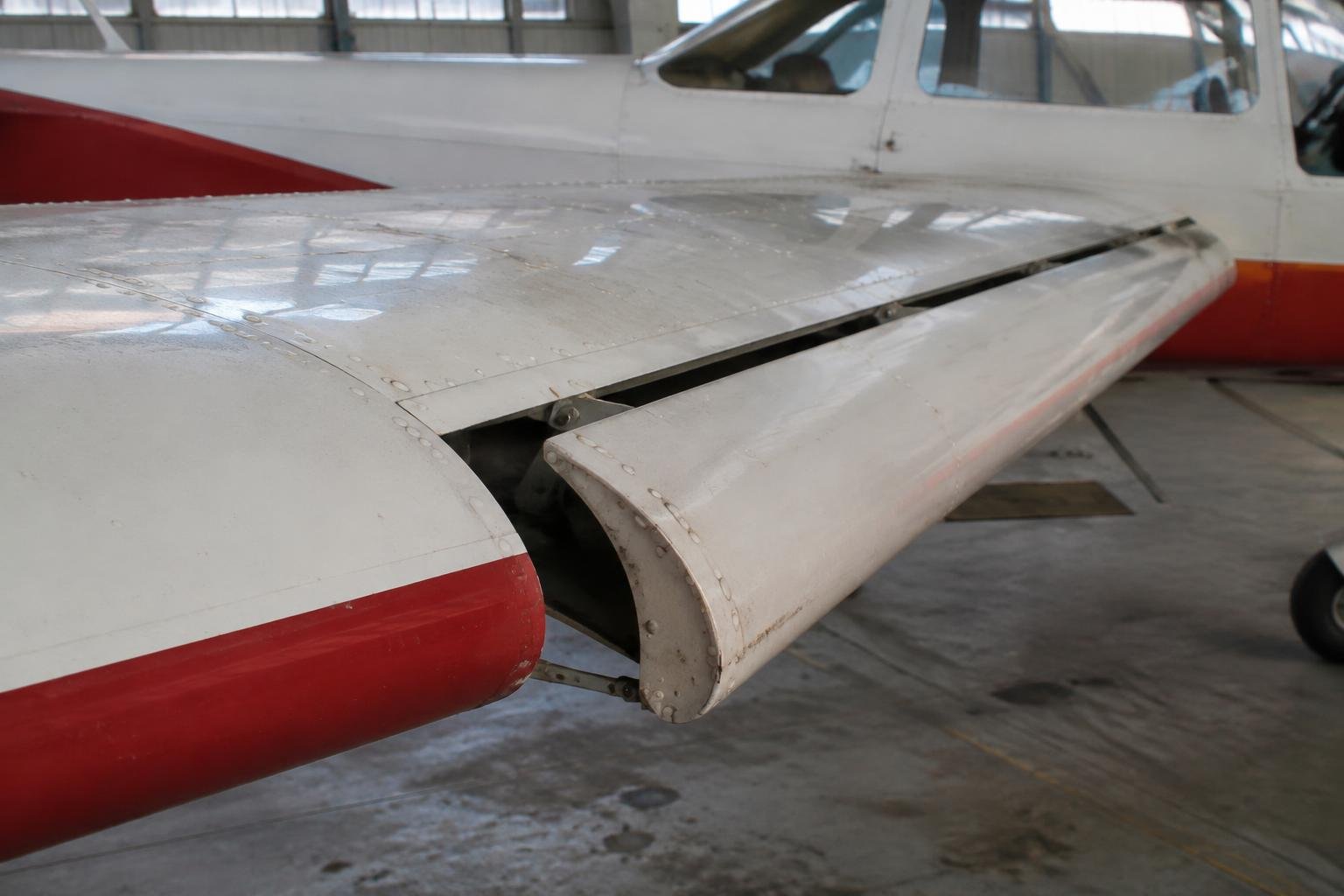
The automatic leading-edge slats deploy in response to airflow at higher angles of attack. Together with the flaps, they contribute to the Rallye’s low-speed handling, but they do not remove the need for disciplined approach speeds, configuration changes and go-around decisions. A type-familiar instructor can help you recognize normal slat behavior, understand the feel of the aircraft at low speed and practise the approved procedures at a suitable airfield before you try a more demanding strip.
Separate low-speed handling from usable runway performance. Soft ground can increase rolling resistance, and grass condition can affect both acceleration and braking. A takeoff that gets the wheels off early does not by itself demonstrate the climb performance needed beyond the boundary. If the aircraft is intended for regular grass operations, ask how the strip drains, how often it becomes soft and what realistic departure options remain if the surface deteriorates.
During the pre-buy, ask the mechanic to assess slat alignment, freedom of movement and track condition against the applicable maintenance data. Look for an explanation of any binding, uneven wear or evidence of previous work rather than accepting that an unfamiliar feel is normal for the type. A demonstration flight is useful only after the records and condition checks support it and the aircraft can legally be flown. Use a qualified, type-familiar pilot and agree on what you want to observe. A demo can inform the checkout decision; it cannot resolve a maintenance discrepancy.
Evaluating the MS 885 Continental O-300
Start with the exact designation and serial number of the MS 885 Continental O-300. Match them to the engine logs and approved installation before ordering parts, asking for an overhaul quote or assigning value to the seller’s time figure. Record total time where traceable, time since overhaul, the overhaul date and the hours flown in each recent year. Request the overhaul release and work scope so you can distinguish a documented overhaul from a narrower repair or top-end job.
Low hours since overhaul can be useful evidence if the paperwork is complete and the engine has been used consistently. They are much less informative after long periods of inactivity. See whether the logs document preservation during storage, how the engine was returned to service and what maintenance followed. Ask the mechanic to interpret compression trends alongside borescope findings, oil analysis where there is a meaningful history, and the contents of the filter or screen as fitted. One favourable test does not erase a long gap in the record, and one isolated number is not a diagnosis.
The budget also depends on what surrounds the engine. Include exhaust condition, cooling baffles and seals, mounts, hoses and the fuel system in the inspection scope. Review the propeller’s identity, service history and any documented strike or repair, and verify that required follow-up was completed. For any suspect item, ask whether it can be evaluated in place or whether the next meaningful finding requires removal or specialist work.
Have the shop check applicable airworthiness directives for the engine, propeller and relevant accessories, including recurring actions. If overhaul is a realistic first-year possibility, request a current written quote for the installed configuration. Ask whether it includes accessories, removal and installation, freight and taxes, and what happens if major parts are rejected at teardown. A slot on the shop calendar and an estimate for parts lead times are as relevant to the purchase as the headline overhaul figure.
Morane Rallye pre-buy inspection: airframe and systems
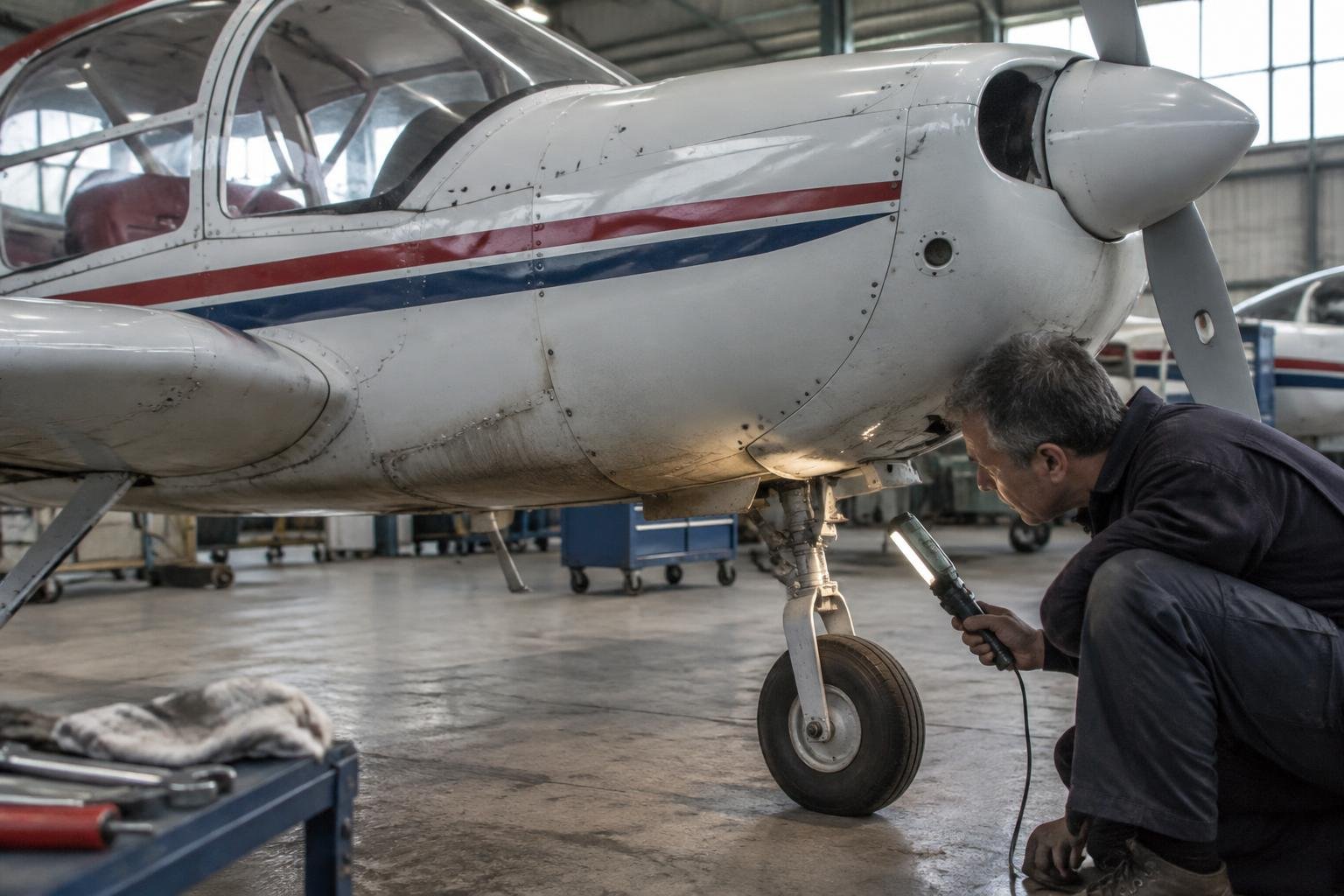
Hire an independent mechanic with Rallye experience and agree on a written scope before the aircraft is opened. Specify which panels may be removed with the owner’s consent, whether the review includes installed-equipment approvals and directive compliance, and who authorizes further work if the initial findings merit it. If an area is inaccessible within the agreed scope, ask the mechanic to say so in the report. An uninspected area should not be interpreted as a clean finding.
- Structure and corrosion: Check accessible wing-root, lower-fuselage and tail areas for corrosion, blocked drainage, trapped moisture and evidence of earlier repairs. Fresh paint or sealant is not proof of trouble, but it is not a substitute for seeing what is underneath or verifying the repair record.
- Landing gear and surrounding structure: Examine the gear attachments, nosewheel assembly and adjacent structure for clues to heavy use or a hard landing. Have the mechanic correlate distorted skin, unusual fasteners or local repairs with the logs and approved repair data rather than drawing conclusions from appearance alone.
- Flight controls and high-lift devices: Check slat tracks, flap mechanisms, control hinges and the condition and rigging of the controls against applicable maintenance data. Separate ordinary wear from discrepancies that require adjustment, replacement or a more detailed structural look.
- Fuel, electrics and avionics: Inspect the accessible tanks, lines and fittings, look for evidence of leaks, and assess the electrical system and accessible wiring. Verify avionics functions that matter to your mission and match installed equipment to the equipment list and approval records. A unit that powers up has not necessarily passed a functional check.
Ask for a written report that separates potential airworthiness concerns, near-term maintenance costs and cosmetic work. Each material finding should state what was observed, what still needs investigation and, where practical, who can quote the remedy. A cracked trim panel and a structural repair with missing approval paperwork should not be rolled into one negotiation figure. Resolve or properly scope the latter before making a firm commitment.
Records, airworthiness directives and registration
Read the airframe, engine and propeller records as a single timeline. Compare component changes, dates and hours across the logs, and follow significant repairs through to the release or return-to-service documentation. Check ownership and registration records, including the seller’s authority to transfer the aircraft and any title or lien checks relevant to the jurisdiction. Missing records do not all have the same consequence: a gap that prevents verification of a recurring directive is different from a missing invoice for cabin trim.
For airworthiness directives, verify applicability by model, serial number and installed equipment, including replacement components and accessories where relevant. Ask for the method and date or hours of compliance and the next due point for recurring requirements. Cross-check repair and modification approvals, supplements and placards against the physical aircraft, and make sure the latest weight-and-balance report and equipment list reflect the configuration you are buying.
A pre-buy answers a buyer’s questions under a negotiated scope. An annual or equivalent inspection follows the applicable regulatory requirements and is performed and recorded by someone with the relevant privileges. An appraisal estimates value on a stated basis. A clean pre-buy report does not renew an inspection, and a recent annual does not tell you whether the sale price reflects the cost of the work ahead.
For a cross-border purchase, ask the destination registry or a qualified local specialist to confirm type acceptance, eligibility of installed modifications and the requirements for registration and airworthiness documentation before making a binding commitment. Establish who will arrange deregistration, any required export airworthiness documents, proof of ownership and customs or tax filings. Agree on the timing and legal basis for any ferry flight or transport. A valid certificate in the seller’s country does not by itself establish that the destination authority will accept the aircraft as configured.
Ownership costs and parts support
Build an annual budget from local quotes rather than a generic operating-cost figure. Fixed costs include insurance, hangarage and recurring inspections; ask how much of the inspection quote covers only the inspection itself and how findings are billed. Hourly costs include fuel, oil, routine maintenance and reserves for engine and propeller work. Use a fuel-burn assumption that reflects your expected flying, realistic annual hours, and the fuel price at the fields you are likely to use.
Show fixed and variable costs separately, then divide fixed costs by realistic annual flight hours if you want an all-in hourly estimate. Run a low-utilization case as well. Flying fewer hours reduces fuel spending but does not remove calendar-driven costs, and an engine reserve accumulated over future hours will not pay for a repair due shortly after purchase. Keep a first-year cash allowance separate from the long-term reserves.
Continental engine support and Rallye airframe support are separate questions. An engine shop willing to work on an O-300 may not be able to source an applicable slat, gear or airframe part or carry out the associated repair. Ask the shop that would maintain your aircraft what it can handle in-house, which suppliers it uses and whether currently identified parts can be obtained with documentation acceptable in your registry. Confirm workshop availability as well as parts lead times: a modest repair can still ground the aircraft for months if either is in short supply.
Get an insurance quote on the proposed aircraft and pilots before committing. Confirm the hull value basis, intended runway use, and any training, minimum experience or checkout conditions, then check that an acceptable instructor is available. Budget for the checkout and initial maintenance rather than assuming the purchase price is the amount needed to start flying.
What a used MS 885 is worth and how to set a bid ceiling
Start with verified comparable transactions where available. Keep confirmed completed sales, published auction results, asking prices and appraisals in separate columns. For an auction result, check whether a sale was confirmed, whether the reserve was met and whether the published amount includes a buyer’s premium. An unsold high bid is not a completed transaction. An appraisal can be useful, particularly in a thin market, but check its date, assumptions and inspection basis before weighting it alongside a recorded sale.
Adjust comparisons for engine history, corrosion, log continuity, avionics and documented repairs. An old engine overhaul with little recent activity and incomplete paperwork should not be valued like a well-documented engine with regular use simply because the hours are similar. Likewise, a properly approved and documented repair is not the same as unexplained skin work. Avionics add value only to the extent that the installation is approved and functional and the equipment serves your intended operation.
Set the bid ceiling from the lower of what the aircraft is worth to you, given the evidence, and what your all-in budget permits. Account for the inspection, known rectification, auction or transaction fees, taxes, registration and ferry or transport. If fees or taxes depend on the bid, calculate them at the intended ceiling. Keep a separate allowance for unresolved but bounded findings and avoid counting a defect twice if it is already reflected in your valuation. Where the potential cost cannot be bounded, insist on more evidence or set a walk-away price you can stick to. A discount cannot establish a missing approval or guarantee that a structural repair is feasible.
Alternatives to consider before committing
Compare another Rallye variant if the MS 885 falls short on payload, climb or engine support. Do not assume that a higher power rating will fix the loading problem: a different engine or equipment fit may alter both empty weight and balance. Use the other aircraft’s current loading records and applicable flight manual to test the same trip. If short-field work is the deciding factor, compare performance at the weight you expect to depart with, not the lightest or most favourable published example.
A Cessna 172 or Robin DR400 of a suitable variant is also worth comparing for touring and local ownership. Bring your actual passenger and baggage assumptions, check cabin access and seating fit, and compare approved field performance on the surfaces you intend to use. Then call the shops that would maintain each candidate. The best-supported type in your area may differ from the one with the widest support in another country.
Compare the best documented examples you can reasonably buy before deciding that a cheaper project is better value. A project can suit a buyer with a capable shop, a defined scope and time to wait for parts and approvals. If your priority is regular flying, compare the cost to reach your required condition and the downtime along the way. Better records are valuable because they make both numbers easier to estimate.
From shortlist to offer: the buyer's decision checklist
- Proceed when the identity and configuration are verified, the aircraft meets your loading and field-performance needs, the independent findings are acceptable, and a qualified shop can support it on a realistic schedule. Confirm the insurance and registration path before making the offer binding.
- Renegotiate when the issue is defined and costable, such as a documented near-term replacement, a repair with an approved path and a credible quote, or equipment that does not function as represented. Agree on who does the work, the required sign-off and the timing, or adjust the price and take responsibility knowingly.
- Walk away if the seller will not permit meaningful independent checks, identity or major approval questions remain unresolved, corrosion cannot be properly assessed, or the aircraft cannot legally be transferred or supported as intended. Also walk if the candidate misses the mission even after the sensible loading trade-offs.
Request complete records before booking the inspection, commission the independent pre-buy before committing, and obtain written prices for the findings before bidding. If a deal depends on further inspection, documentation or registration acceptance, make sure the transaction terms actually allow for that condition. In an auction with binding bids, resolve those items beforehand rather than assuming they can be negotiated after the sale.

Comments
No comments yet
Be the first to share your thoughts!