
 Aschaffenburg
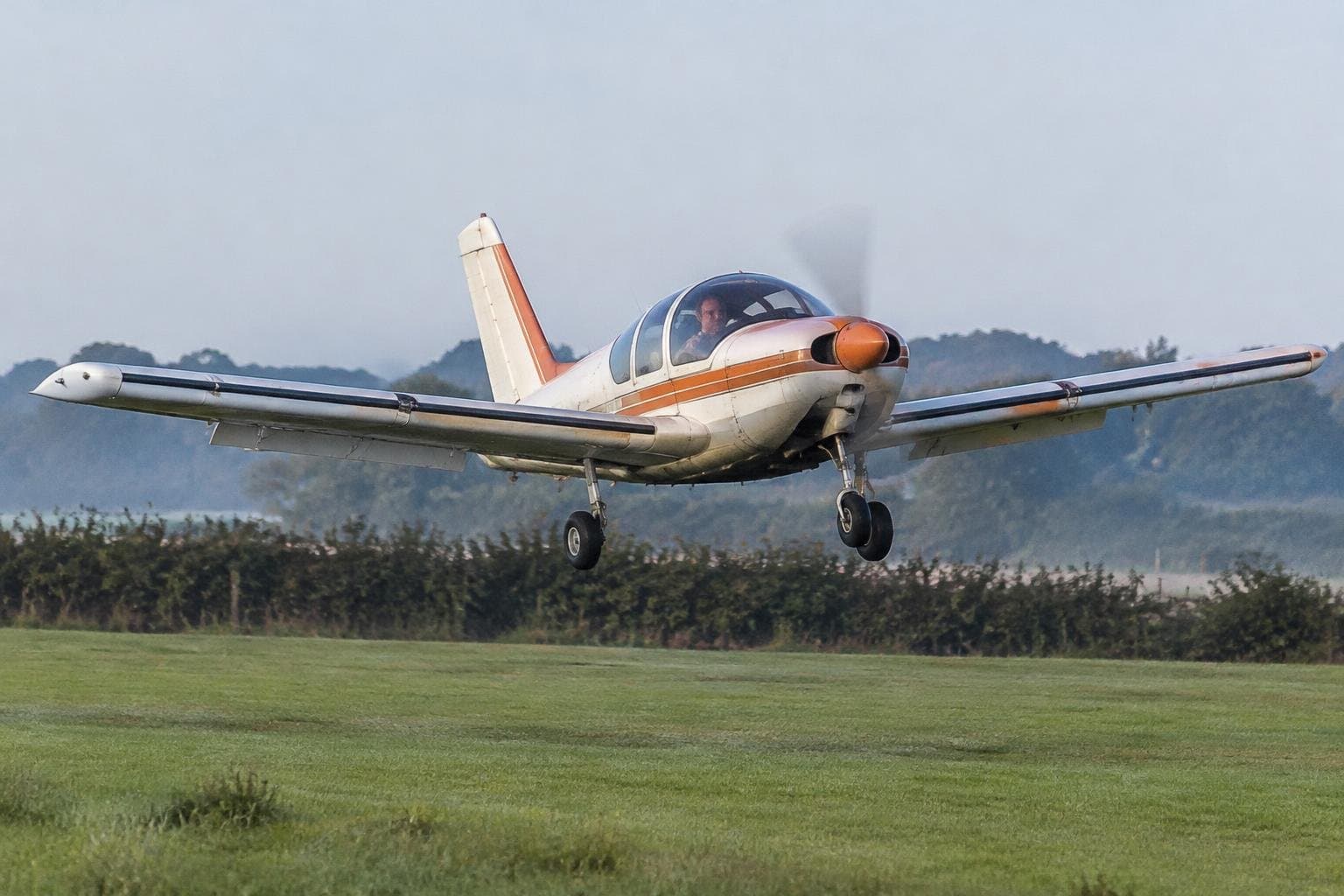
What Makes the Morane-Saulnier Rallye a Grass-Strip Aircraft?
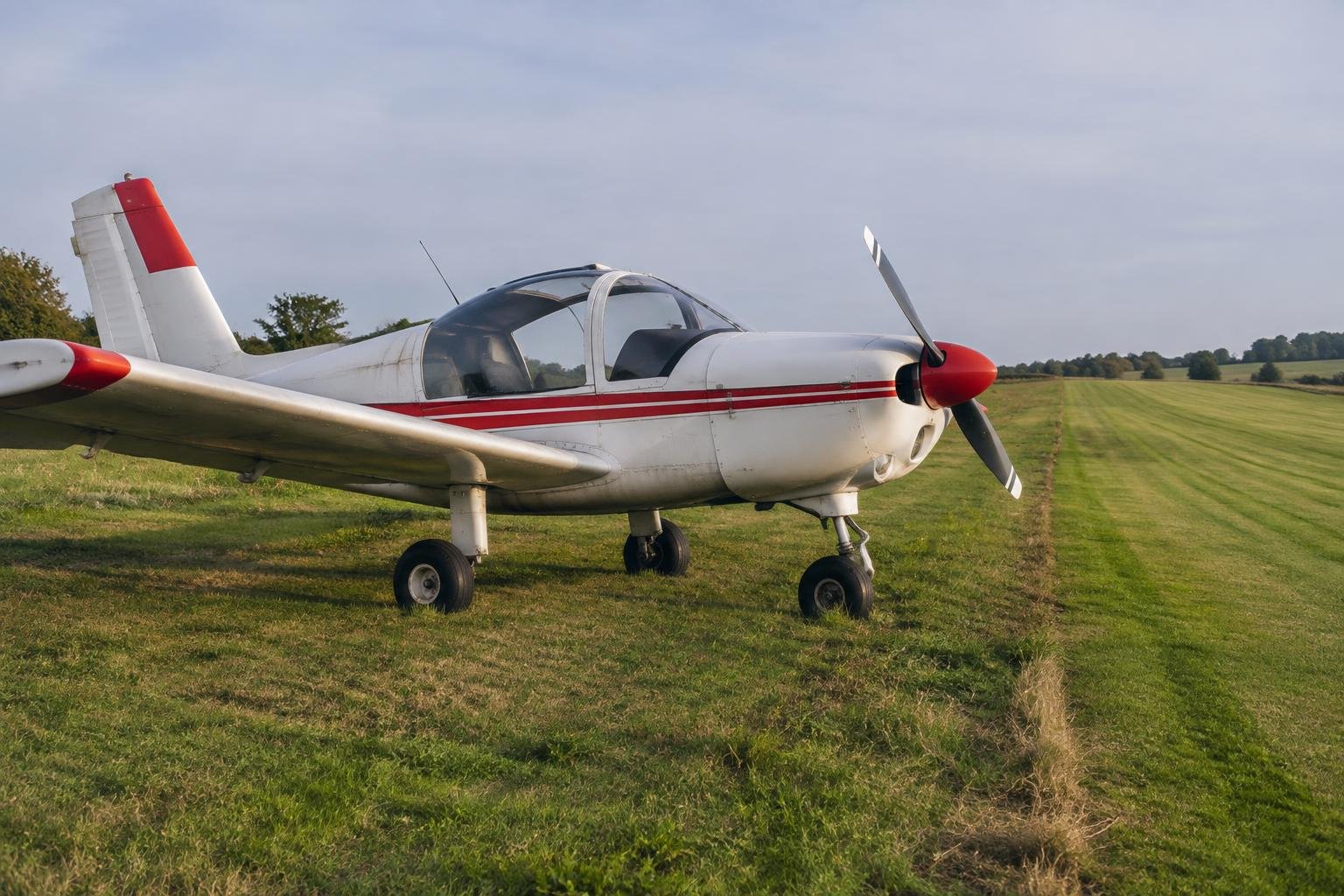
The Rallye’s automatic leading-edge slats give it useful low-speed capability, but usable short-field performance comes from the aircraft and runway together. A maintained grass strip with firm turf and clear approaches is a different proposition from a strip of the same length with soft ground, an uphill departure and trees beyond the fence. Before buying, check whether the specific Rallye can land and depart on the strips you intend to use, at the loads you actually expect to carry.
Short takeoff and landing, or STOL, describes a mission, not a universal runway-length figure. The Morane-Saulnier Rallye STOL reputation reflects a wing designed to work at high angles of attack. It does not establish how quickly a particular aircraft will accelerate on turf, how much distance it will need to clear an obstacle, or how effectively it will brake after touchdown. Those are separate questions, and one of them will usually make the decision for you.
Start by writing down a normal trip rather than an ideal demonstration: who will be aboard, how much baggage they bring, how much fuel is needed with reserves, and when the aircraft must leave again. Then identify the least forgiving strip you expect to use regularly. A familiar local field might be easy when you are alone on a cool morning but much more restrictive with a passenger, overnight bags and fuel for the return leg. If an intended strip only works when you leave behind the load that makes the trip worthwhile, the aircraft is not meeting the mission.
It also pays to separate runway suitability from willingness to operate. A strip may fit the aircraft on firm, dry days but lack the drainage or maintenance needed for dependable year-round access. If you are buying a Rallye to reach that field on a schedule, establish how often you can divert to a longer runway or postpone. The slats are a reason to consider the type; the combination of documented performance, actual field conditions and a workable alternative is what makes it a practical purchase.
How the Rallye’s Automatic Leading-Edge Slats Work
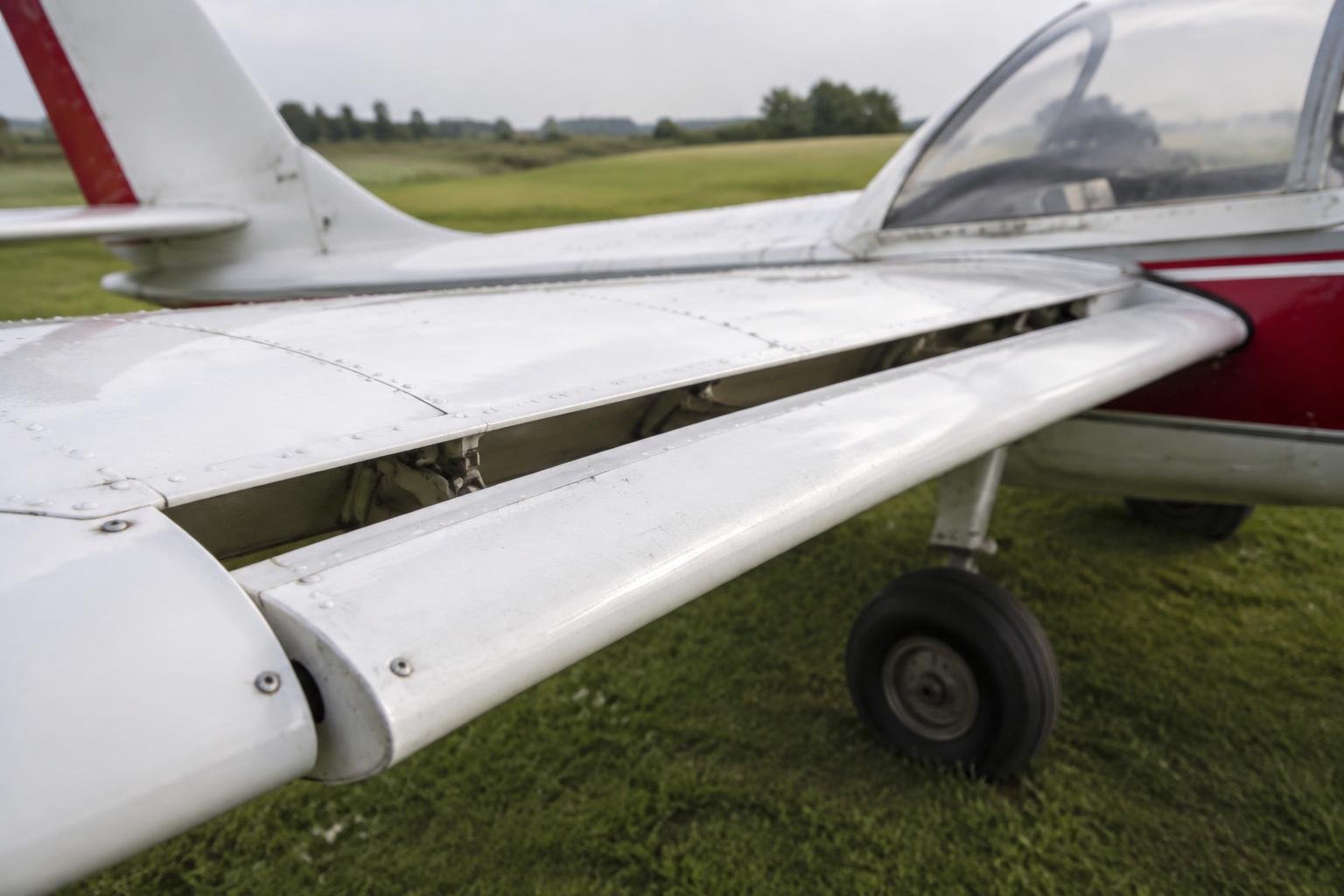
The Rallye’s slats are movable surfaces at the front of the wing. They deploy aerodynamically as the wing reaches a higher angle of attack, rather than in response to a fixed indicated airspeed. Angle of attack is the angle between the wing’s chord line and the airflow approaching it. The pressure distribution around the leading edge changes as that angle increases, allowing the slats to move forward. Weight, manoeuvring load and configuration can change the angle of attack required at a given airspeed, so the speed at which a pilot notices the slats extend is not a reliable operating reference.
An extended slat opens a slot between itself and the main wing. Air passing through the slot helps the flow stay attached over the upper surface of the wing at an angle where it would otherwise be more prone to separating. That delay in separation lets the wing develop useful lift at higher angles of attack. In practical terms, the slats help explain why the Rallye can fly slowly; they do not make the wing immune to a stall or tell the pilot where the aeroplane sits relative to its operating limits.
Leading-edge slats and trailing-edge flaps do different jobs. The automatic slats chiefly help the wing tolerate higher angles of attack before flow separation limits lift. The pilot-selected flaps change the wing’s camber and affect both lift and drag; the correct setting depends on the phase of flight and the approved procedure. A takeoff and a landing may call for different flap settings, and the setting that produces the most drag is not necessarily the one that gives the best takeoff result. Slat extension is not a substitute for selecting and verifying the prescribed configuration.
Most importantly, being able to lift off and being able to climb clear of an obstacle are not the same thing. A favourable low-speed lift characteristic cannot replace adequate acceleration and climb performance after liftoff. On arrival, it cannot replace a stable approach at the approved speed or recover runway lost to a long float. Use the speeds and methods in the applicable flight manual. A pilot who knows the Rallye can show you what normal slat operation looks and feels like, but neither that familiarisation nor a visible slat position changes the performance data you should plan with.
MS 885 Short-Field Performance: How to Read the Figures
Start with the exact model designation and serial number of the aircraft, not the name on the cowling or in an advertisement. Check the applicable type certificate data to establish which variant you are looking at and to identify the relevant configuration references. Then match the aircraft’s fitted engine and propeller to its records and confirm the applicability of the approved aircraft flight manual, including its revision status and any approved supplements. A modification can be entirely legitimate without making performance data for a visually similar Rallye applicable.
The type certificate data help identify the variant and its certification basis; the applicable approved flight manual and supplements are where you look for the performance figures and the conditions behind them. Obtain readable copies of the actual charts, notes and procedures. A photo of a table without its footnotes can conceal the difference between a hard surface and grass, zero wind and a stated wind component, or one flap setting and another. If a supplement changes the way performance is calculated for the installed configuration, resolve that before using the base figures.
Record takeoff and landing separately, and keep each ground roll distinct from its corresponding total distance. Takeoff ground roll ends at liftoff; the total takeoff distance includes the airborne segment to the stated obstacle height. Landing ground roll starts at touchdown; the total landing distance starts at the stated height on approach and ends at a stop. Read the source’s exact obstacle height and units rather than assuming they match those used in another manual. A total distance to a stated height is also not a climb profile for every obstacle farther along the departure path.
Use a worksheet like this one when reviewing a candidate. It deliberately contains no example performance numbers: no aircraft-specific approved chart has been established here, and a blank is less misleading than a figure borrowed from another Rallye.
| Entry | Source and weight | Configuration | Surface, wind and atmosphere |
|---|---|---|---|
| Takeoff ground roll | Manual or supplement, revision and chart; planned takeoff weight | Applicable engine and propeller; prescribed takeoff flap and procedure | Surface and condition; wind basis; altitude and temperature or other atmospheric basis as specified |
| Total takeoff distance | Applicable chart and stated obstacle height; planned takeoff weight | Takeoff setup and any specified speed or climb technique | Confirm assumptions for this entry and any permitted corrections |
| Landing ground roll | Applicable chart; planned landing weight | Prescribed landing flap, touchdown and braking assumptions | Surface and condition; wind basis; altitude and temperature or other atmospheric basis as specified |
| Total landing distance | Applicable chart and stated obstacle height; planned landing weight | Landing setup and specified approach speed or procedure | Confirm assumptions for this entry and any permitted corrections |
Do not transfer MS 885 short-field performance figures to another Rallye simply because both have leading-edge slats. Variants can differ in weight, power, propeller and approved procedures. Even when comparing two manuals, check that the figures represent the same kind of distance under comparable conditions. If the applicable manual gives hard-surface figures only, and no approved supplement addresses the relevant grass condition, record the grass result as unavailable. An approved correction for firm, dry grass, if provided, does not establish a figure for wet or soft turf. An owner’s previous results may help you ask better questions, but they do not fill an approved-data gap.
What Changes When the Runway Is Grass?
Grass is not a single runway condition. Firm, short turf offers a more predictable rolling surface than long grass, soft ground, standing water or ruts. A field can look neatly mown from the air while still being soft underneath, particularly after rain. Conditions can also vary along the same runway: the part that must support acceleration near the start may be very different from the part where the aircraft will need to brake. Ask about recent rainfall, drainage, mowing and any sections the operator has marked as unusable rather than relying on a general description of the strip.
On takeoff, the issue is how much rolling resistance opposes acceleration. Soft soil can let the tyres sink and deeper grass can add drag. The effect matters before the aircraft has achieved the speed and configuration needed to lift off and climb. On landing, the main concern with wet grass is reduced wheel-braking effectiveness and potentially poorer directional control. It is entirely possible for a firm but wet strip to look acceptable from a rolling-resistance standpoint and still offer poor stopping performance. Extra drag from vegetation or soft ground is not a dependable substitute for braking.
Read the runway gradient and wind together for each usable direction. An upslope can work against takeoff acceleration, while a downslope can work against stopping on landing. The direction with a headwind may be the one with the less favourable slope or the worse obstacles. Higher density altitude, as on a hot day or at an elevated strip, can reduce the climb margin and increase the true airspeed associated with a given indicated airspeed. Use the atmospheric inputs the manual calls for and do not assume that a favourable wind will cancel out an unfavourable surface or gradient.
Finally, establish the distances actually available. A fence-to-fence measurement is not necessarily usable runway, and a displaced threshold can make landing distance shorter than the physical strip. Verify how that displacement affects each operation rather than assuming it removes the same distance for takeoff. Check the location and height of fences and trees, and examine the ground beyond the runway for rising terrain. An obstacle beyond the boundary can matter even if the aircraft clears the fence. Use aircraft-specific grass corrections where documented and only within their stated conditions. There is no universal percentage that turns a hard-runway figure into a dependable wet- or soft-grass result.
From Flight Manual Figures to a Strip Decision
Consider a prospective owner planning a two-person overnight visit to a private grass strip. This is a worksheet example, not a claimed MS 885 performance result. Use measured occupant and bag weights, the latest equipment list and empty-weight and balance record for the candidate, and fuel quantities verified for each leg. The outbound fuel load must cover the planned flight and reserves; if there is no fuel at the strip, confirm what must remain for the next leg or plan a fuel stop elsewhere. Calculate arrival and departure weights separately and check centre of gravity at the relevant loading and fuel states. A lighter return load may still have a different balance, and a legal loading is not by itself proof of adequate runway performance.
For the arrival, suppose the operator confirms firm, short grass, but the threshold in the intended direction is displaced. Record the verified landing distance available from that threshold and check the actual approach path. At the calculated landing weight, use the applicable chart to obtain the landing ground roll and the total distance from the height specified in the manual. Compare the ground roll against the usable stopping distance remaining after the expected touchdown area and the total figure against the verified landing distance available. Do not count the distance before the displaced threshold or make the comparison work by assuming a touchdown at the first blade of usable grass. If the approach obstacles require a path that the chart does not represent, the published total alone does not establish suitability.
Now plan the departure independently. Suppose the forecast calls for a warmer afternoon and showers before the return. Recheck the runway with the operator, use the expected departure weight and applicable atmospheric inputs, and confirm the usable distance from the actual start position. Compare takeoff ground roll against available usable surface, and the total distance to the manual’s reference height against the distance available to reach that height as constrained by the actual obstacle and terrain picture. If trees or rising ground require a different or longer climb assessment, do not extend the chart by guesswork. The fact that the aircraft could land in the morning says nothing conclusive about its ability to depart later.
Where the manual covers the expected conditions, leave a conservative margin for imperfect technique, changing wind and surface condition, and variation in the performance achievable by the individual aircraft. Treat that margin as an allowance on applicable data, not a way to validate conditions the data do not cover. If the only applicable grass figures are for firm, dry turf and the runway becomes wet or soft, do not extrapolate a result or assume that an extra allowance will make the calculation valid. Reassess immediately before use, especially if conditions have changed since the field report.
If the answer is marginal, reconsider the loading while keeping legal weight and balance and the required fuel reserves, use a longer runway, or defer the trip. Work out that alternative before arrival so that leaving the aircraft overnight is an option rather than a surprise. Before judging a demanding strip, arrange type familiarisation with a Rallye-experienced instructor at a suitable field. Use that time to learn the sight picture, speed control, approved short-field procedures and normal slat behaviour. It is a better setting to find out what you can reproduce consistently than a narrow runway with no room to correct a poor approach.
Pre-Buy Checks for a Rallye Intended for Grass
Commission an independent pre-buy inspection with a mechanic familiar with the type, or one who can obtain and work from the applicable maintenance data. Ask for findings that distinguish observed condition from items that could not be verified. An aircraft that has routinely operated from grass may be well suited to the work, but its operating history is a reason to inspect the relevant areas closely, not a substitute for checking them. Define the scope before the visit, including whether the inspection will require access beyond what a walk-around provides.
- Ask the inspector to check both slats, their guides and attachments, freedom of movement through the specified travel, and signs of wear, binding, distortion or prior work. Compare condition, alignment and permissible play with the applicable maintenance data. Observing a slat move by hand is not enough to establish that the guides and attachments are within limits.
- Inspect the landing gear, wheels, tyres and brakes for condition and evidence of rough-field service. Ask specifically about wear, leaks, alignment and repairs where applicable. Check propeller condition and clearance in the approved configuration, including whether the fitted tyres and gear condition affect that clearance. Look for blade damage and follow up on any evidence or record of a suspected propeller strike.
- Check for corrosion, deformation and previous repairs in vulnerable airframe areas and around landing-gear attachments. Dirt, moisture and old coatings can obscure what matters. Have the inspector distinguish superficial findings from anything that needs further access, measurements or a review of approved repair documentation before you proceed.
- Review the logbooks and supporting records for approved modifications, configuration changes and applicable airworthiness directives. Cross-check the recorded engine and propeller against what is fitted, and confirm that required supplements are present. A records discrepancy may affect both maintenance planning and the applicability of the performance chart you intend to use.
Review ownership support separately from the inspection verdict. Find out who nearby will maintain the type, how that shop sources parts for the slat and landing-gear systems, and whether it can obtain the correct technical data for the serial number and installed equipment. Ask which parts routinely require lead time or specialist work rather than assuming that all Rallye variants share the same spares. Make the availability of current weight-and-balance information, the applicable flight manual and supplements part of the purchase review. A pre-buy inspection informs the transaction; it does not replace the inspections, approvals or records required to operate the aircraft under the applicable rules.
Is the Rallye Right for Your Short-Field Mission?
The strongest case for a Rallye is regular use of maintained grass strips where the candidate aircraft has documented margins at the loads you normally carry. It is a poorer fit if the mission depends on frequent heavy departures from soft or obstructed strips, or fields whose dimensions, surface condition and obstacle environment you cannot verify. The dividing line is not whether a Rallye has landed there before. It is whether you can substantiate both halves of the trip in the conditions you expect and still have a practical alternative when those conditions change.
Compare alternatives using the same trip, not the shortest takeoff roll quoted for each type. Start with how much of the candidate aircraft’s useful load remains after fuel for the planned mission and reserves. Then compare documented grass performance at realistic weights, with equivalent distance definitions and runway assumptions. Include local maintenance support: a type with better documentation for your field and a shop that knows it may be more useful than one with a more impressive demonstration but less support close to home.
Before committing, put the candidate aircraft’s approved performance data and independent inspection findings beside the details of the most limiting strip you intend to use. Keep the loading and runway assessment with those records so you can see which assumptions drive the decision. If the numbers depend on unverified grass conditions, the paperwork does not match the fitted configuration, or the inspection leaves a material issue unresolved, settle that point before treating the strip as part of the aircraft’s mission.
Comments
No comments yet
Be the first to share your thoughts!