

 Bad Vöslau
 Kirn
Kirn


 Florida

Technical review: October 2026. PT6 maintenance intervals, component limits and engine-program terms vary by exact engine model, dash number, installation and current approved documentation. Always verify the latest applicable revision for the individual engine.
PT6 TBO is an important part of evaluating a turboprop, but it is not a complete description of engine condition or remaining ownership cost. A buyer should consider the exact PT6 variant, total time, time since overhaul, hot-section history, cycles, calendar exposure, component status, operating environment, maintenance records and any engine-program coverage.
The objective is not to turn those numbers into a simplistic “hours remaining” value. It is to understand what has already been done, what remains scheduled, what other limits may intervene and how confidently the engine’s history can be verified.
PT6 Engine Time: Quick Reference
| Term | Meaning | Why a buyer cares |
|---|---|---|
| TSN | Total Time Since New | Shows accumulated operating time since the engine entered service |
| TSO | Time Since Overhaul | Shows operating time accumulated after the documented overhaul event |
| TSHSI | Time Since Hot Section Inspection | Shows time accumulated since the relevant hot-section inspection or work |
| TBO | Time Between Overhauls | Provides an overhaul-planning interval for the applicable engine configuration |
| Cycles / starts | Recorded operating events in addition to flight hours | Can affect component tracking and maintenance planning where applicable |
| Calendar exposure | Elapsed time independent of flight hours | Some inspections, components or maintenance requirements may be calendar-driven |
These figures are related but not interchangeable. A recently completed hot section does not reset time since overhaul, and low TSO does not automatically mean that every engine component has substantial remaining life.
What Is a PT6 Engine?
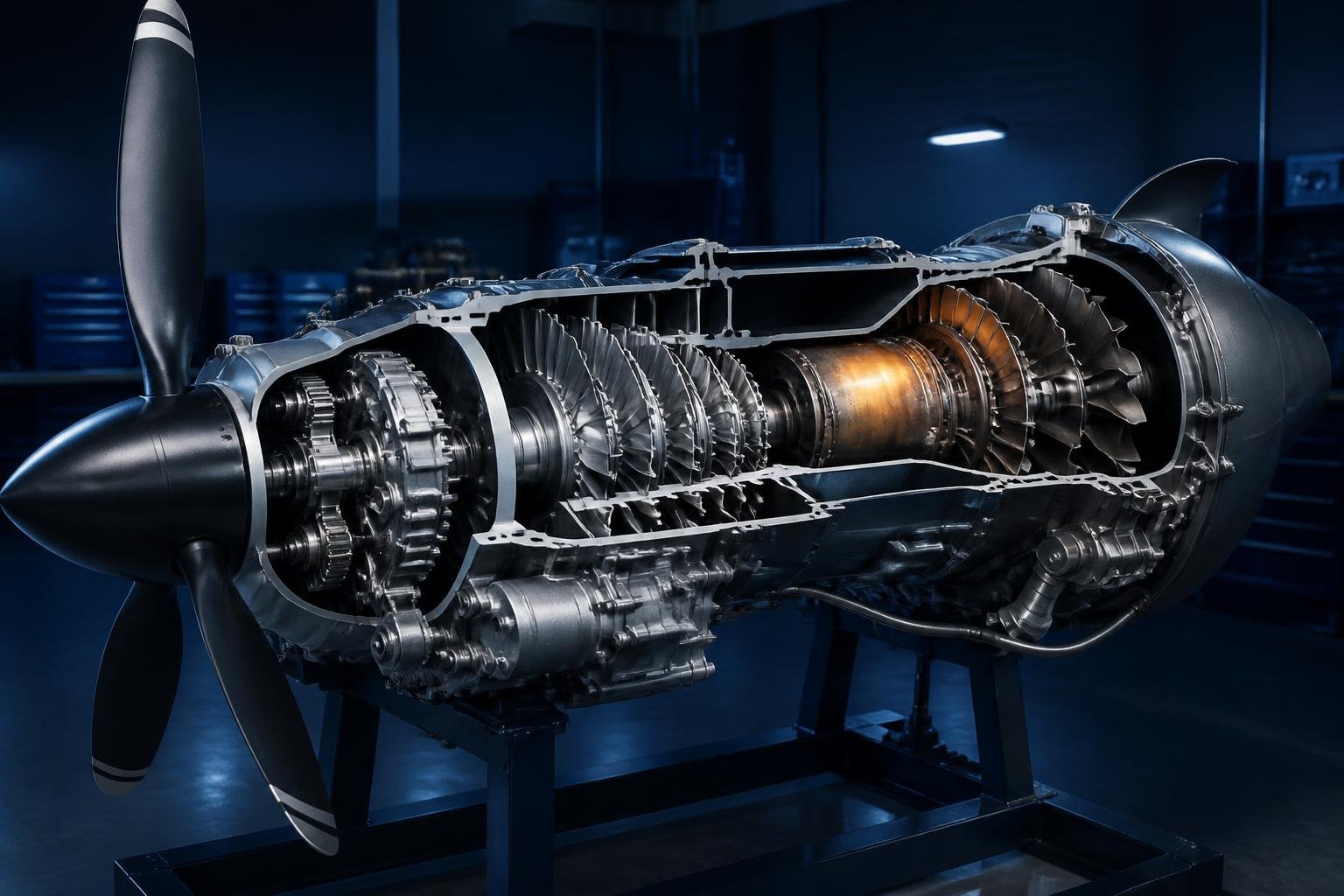
The Pratt & Whitney Canada PT6 family uses a free-turbine architecture. In broad terms, the gas-generator section compresses air, supports combustion and drives its own turbine, while a separate power turbine extracts energy from the gas flow and drives the propeller through a reduction gearbox.
PT6 engines are installed across a wide range of aircraft, from compact owner-flown turboprops to utility aircraft and larger twins. That broad application is exactly why the family name alone is not enough for maintenance planning.
Before interpreting any maintenance number, identify:
- The exact PT6 model and dash number.
- Engine serial number.
- Approved power rating.
- Aircraft installation.
- Installed position on a twin.
- Current maintenance and service-information revision applicable to that engine.
Two PT6 engines can belong to the same broad family while having different overhaul intervals, hot-section schedules, component limits or approved maintenance programmes.
PT6 TBO: What Does It Actually Mean?
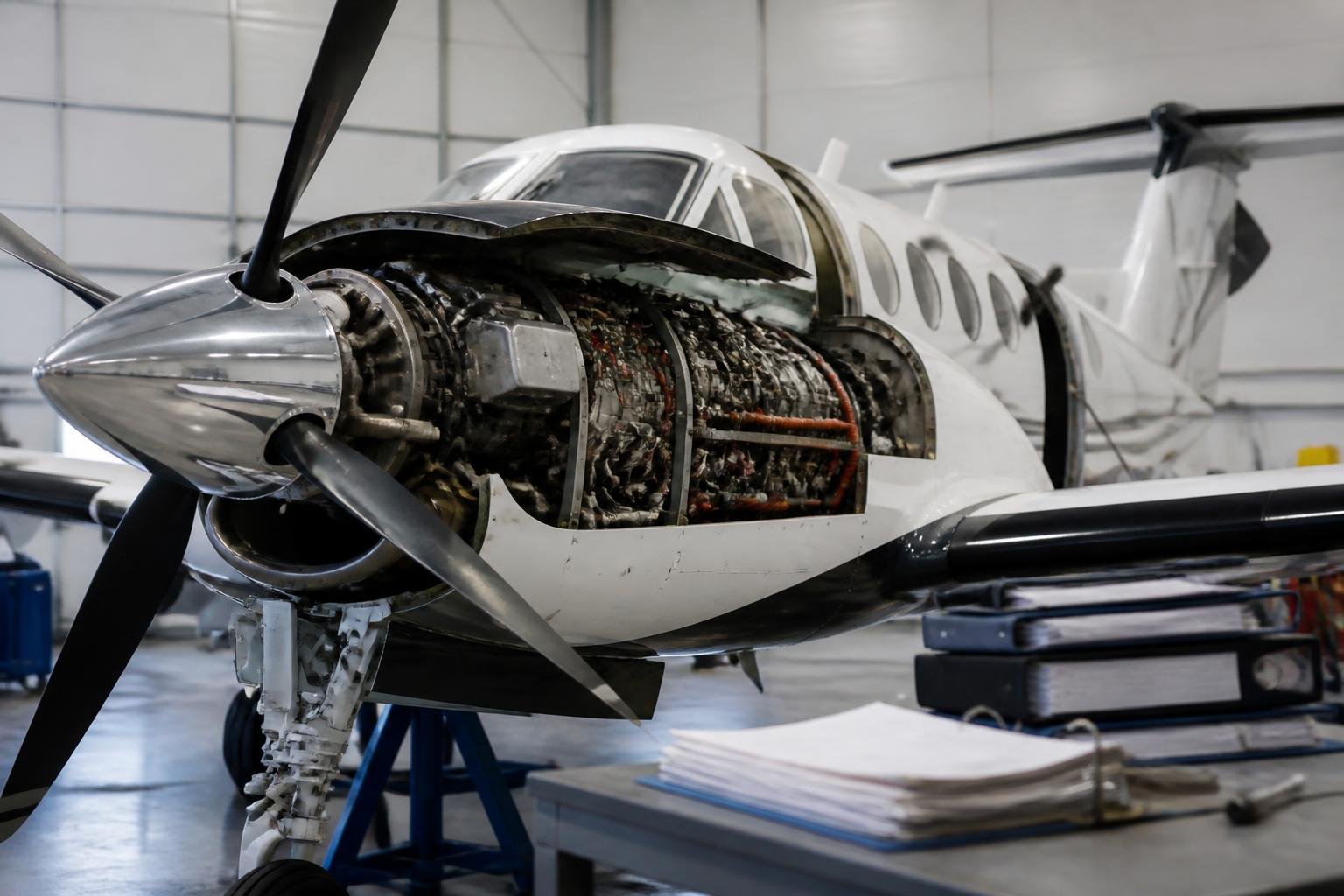
TBO means Time Between Overhauls. It is an overhaul-planning interval established for a particular engine configuration under the applicable manufacturer and maintenance framework.
There is no single PT6 TBO number that can safely be applied to the entire family. Pratt & Whitney has revised intervals on particular engine series over time; the current interval therefore has to be checked against the exact engine and current technical documentation.
A buyer should ask:
- Which published interval is being used?
- Does it apply to this exact model and dash number?
- What is the documented TSO?
- When was the overhaul completed?
- What shop performed it?
- What approved scope and release documentation support it?
- Do any calendar, cycle or component limits occur sooner?
A calculation such as “TBO minus TSO” can be useful for initial screening, but it is not a prediction that the engine will operate without maintenance until that number reaches zero.
What Is a PT6 Hot-Section Inspection?
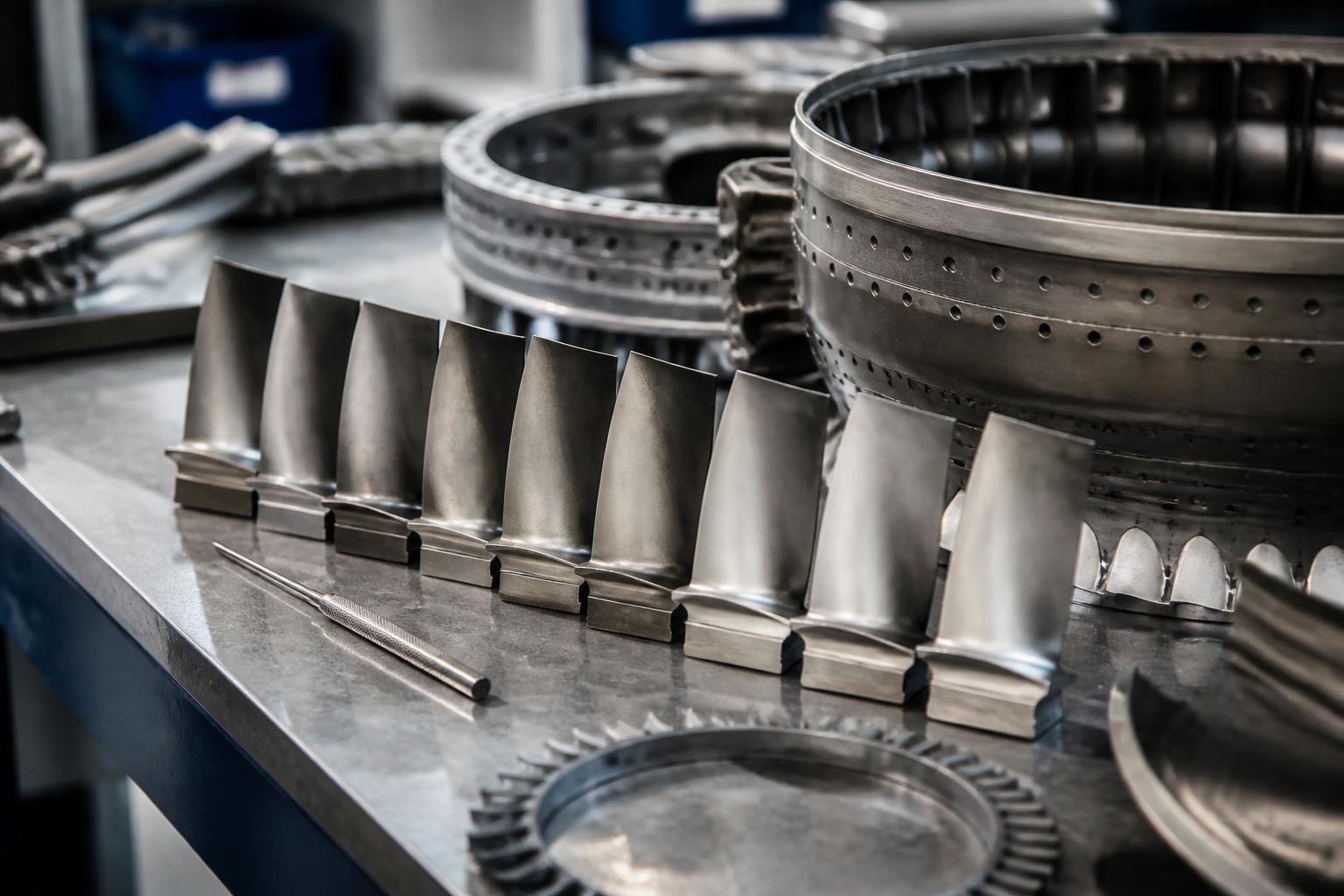
A hot-section inspection, commonly shortened to HSI, focuses on specified engine areas exposed to high combustion temperatures.
The exact work scope depends on the engine model and applicable maintenance instructions. It may involve inspection and measurement of combustion- and turbine-section components, together with repair or replacement when findings require further action.
The important buying question is not simply whether an advertisement says “hot section done.” Review what actually happened.
Ask for:
- The work order.
- Maintenance release.
- Inspection findings.
- Parts replaced or repaired.
- Component traceability where applicable.
- Any recommendations or deferred follow-up work.
An HSI can provide valuable information about internal condition, but it is not the same as a complete overhaul and should not be marketed or valued as though it resets every engine-maintenance consideration.
Hot Section vs Overhaul vs Repair
| Maintenance event | General purpose | Buyer question |
|---|---|---|
| Scheduled inspection | Checks defined items at an applicable maintenance point | What was inspected and what were the findings? |
| Hot-section inspection | Examines designated high-temperature engine areas | What parts were inspected, repaired or replaced? |
| Repair | Corrects a specific defect or restores an item within approved limits | What defect was addressed and what approved data governed the repair? |
| Overhaul | Performs a wider engine work scope under applicable overhaul data | What modules and components were included and what release supports the event? |
| “Refurbishment” | Commercial wording with potentially variable scope | What technical work was actually performed? |
Terms such as “fresh,” “rebuilt,” “zero-time” or “refurbished” should always lead back to the underlying documentation. The label itself does not establish technical scope.
Worked Example: How a Buyer Should Read PT6 Time
Consider a hypothetical turboprop listing that reports:
- 1,200 hours since overhaul.
- 350 hours since hot-section work.
- Complete cycle history.
- Engine-program enrollment.
- No major engine discrepancies stated by the seller.
It would be tempting to take the applicable published TBO, subtract 1,200 hours and call the result “engine life remaining.” That is only the first step.
A buyer should instead work through the following questions:
- Verify the engine. Confirm model, dash number, serial number and rating.
- Verify the interval. Determine the current applicable overhaul interval from the correct technical documentation.
- Verify the overhaul. Review date, facility, approved scope, work order and release.
- Review the HSI. Determine whether the event 350 hours ago was inspection only or included substantial repair or parts replacement.
- Check cycles and calendar dates. Establish whether another requirement comes due before the theoretical TBO point.
- Review condition evidence. Consider available trend data, oil analysis, borescope reports and recent maintenance findings.
- Verify program coverage. Determine whether enrollment is current and transferable, and what costs are actually covered.
Only after those steps can the buyer create a defensible maintenance reserve. The result is a planning estimate—not an appraisal of engine value and not a guarantee of future reliability.
How to Read PT6 Engine Records
Start with identity and chronology.
Confirm that the engine model, serial number and installation match the records. On twin-engine aircraft, make sure left- and right-engine records have not been mixed during summaries or component changes.
| Record item | Why it matters |
|---|---|
| Engine model and serial number | Establishes the correct maintenance data and engine identity |
| Total time and applicable cycles | Supports operating-history and component tracking |
| Overhaul report | Shows when, where and under what scope the overhaul occurred |
| Hot-section report | Shows findings, repairs and parts disposition |
| Work orders and releases | Document what maintenance was actually completed |
| Component records | Support time and life-limit tracking where applicable |
| Trend data | Provides operating-condition history beyond accumulated hours |
| Oil / borescope reports | Add condition evidence when available and appropriately interpreted |
Differences between aircraft total time and engine total time are not automatically a problem. Engines can move between aircraft, be exchanged or be installed after overhaul. The important question is whether every transition is documented coherently.
Missing pages, unexplained time jumps, incompatible serial numbers or vague “since overhaul” summaries deserve specialist review before the buyer assigns value to the engine status.
Beyond TBO: Cycles, Calendar Time and Operating History
Hours are only one measure of engine exposure.
An aircraft flying numerous short sectors can build a different cycle and thermal history from an aircraft accumulating the same annual hours on long cruise legs. Starts, cycles and calendar time may therefore be relevant alongside flight hours depending on the engine and components involved.
Operating environment matters as well. Consider:
- High-temperature operation.
- Dusty or contaminated environments.
- Coastal exposure.
- Frequent precipitation.
- Unpaved-field use.
- Long periods of inactivity.
- Documented preservation during storage.
Engine trend monitoring can help identify changes over time. Oil analysis and borescope inspections can add further condition evidence when used appropriately. None should be treated as a stand-alone declaration of engine health.
PT6 Engine Programs: What Does “On Program” Mean?
An hourly engine program can make maintenance expenditure more predictable, but coverage is contractual rather than universal.
Pratt & Whitney Canada offers its Eagle Service Plan (ESP™) for eligible PT6A engines. P&W describes ESP as a pay-per-hour program covering defined scheduled and unscheduled engine-maintenance events and states that eligible coverage can transfer with the aircraft sale, subject to program terms.
Before assigning value to any engine program, verify:
- Which engine is enrolled.
- Current payment status.
- Transferability.
- Buyer eligibility.
- Hourly rate and escalation provisions.
- Minimum-use requirements if applicable.
- Covered scheduled events.
- Covered unscheduled events.
- Accessories and components included or excluded.
- Shipping, removal and installation treatment.
- Existing deficiencies or prior-condition exclusions.
“On program” is therefore not a substitute for reviewing the engine itself. It is an additional contractual asset whose value depends on the actual agreement.
Estimating PT6 Maintenance Exposure
Separate future costs into distinct categories rather than combining them into one unsupported hourly number.
| Exposure | What to investigate |
|---|---|
| Hot-section work | Applicable interval, previous findings and likely scope |
| Overhaul | Current interval, TSO, calendar position and current shop pricing |
| Life-limited components | Exact component status and remaining approved life |
| Unscheduled repair | Recent trends, discrepancies and realistic contingency |
| Removal / installation | Aircraft labour and associated materials |
| Transport | Engine shipping and logistics |
| Downtime | Loss of aircraft availability during maintenance |
Use current written quotations whenever the transaction is large enough for the estimate to affect purchase price or financing. Historical overhaul prices are poor substitutes for a current engine-specific quote.
PT6-Powered Aircraft: Real-World Examples
PT6 maintenance questions become easier to understand when applied to actual aircraft.
For a high-performance owner-flown example, buyers can review the Daher Socata TBM 850 on CollectAirs. The TBM 850 uses a Pratt & Whitney Canada PT6A-66D, making its engine time, hot-section history, overhaul position and maintenance records central to the acquisition decision.
A larger utility and executive example is the Pilatus PC-12 NG on CollectAirs, which uses a PT6A-67P. Its engine belongs to the same broad PT6 family but should not be assigned TBM maintenance assumptions simply because both engines carry the PT6A name.
Another owner-flown turboprop example is the Piper Meridian / M500 on CollectAirs, powered by a PT6A-42A. Its engine records illustrate the same buyer principle: establish the exact engine and then evaluate the maintenance status against the documentation applicable to that installation.
For a wider category overview, buyers can also review the CollectAirs turboprop buyer guide.
Inventory changes over time. These aircraft are included as current marketplace examples, not as permanent evidence of availability, condition or market value.
PT6 Due-Diligence Checklist Before Buying
A PT6 records review should begin early enough to influence the offer, deposit and pre-buy scope.
- Confirm engine model, dash number, rating and serial number.
- Verify total time, TSO and TSHSI.
- Review hours, cycles and relevant calendar dates.
- Obtain overhaul and hot-section work scopes.
- Review maintenance releases and recent work orders.
- Check component and life-limit tracking where applicable.
- Review trend-monitoring data when available.
- Review recent oil-analysis and borescope information when relevant.
- Identify unresolved or recurring discrepancies.
- Verify applicable Airworthiness Directive compliance.
- Review relevant manufacturer service information.
- Confirm any engine-program status directly from current documentation.
- Investigate the aircraft’s operating and storage environment.
- Use an independent specialist familiar with the exact PT6 variant.
A listing or seller summary is useful for screening an aircraft, but the underlying records should support every engine-time claim used in the purchase decision.
How Sellers Should Present PT6 Engine Time
Clear engine documentation helps qualified buyers evaluate the aircraft faster.
A useful listing summary can include:
- Exact engine model and serial number.
- Total time since new.
- Time since overhaul.
- Time since hot-section inspection.
- Dates of major engine events.
- Applicable cycle information.
- Known upcoming maintenance.
- Engine-program status.
That summary should lead back to original logbooks, work orders and releases. Avoid unsupported phrases such as “zero-time,” “fresh engine” or “X hours remaining” unless the technical basis is clearly explained.
PT6 TBO FAQ
What does PT6 TBO mean?
PT6 TBO means Time Between Overhauls. The applicable interval depends on the exact engine variant and current maintenance documentation, so there is no single TBO that applies to every PT6 engine.
Does a hot-section inspection reset TBO?
No. A hot-section inspection and an overhaul are different maintenance events. A completed HSI does not automatically reset time since overhaul.
What does TSHSI mean?
TSHSI means Time Since Hot Section Inspection. It indicates the operating time accumulated since the relevant hot-section event.
Is “time remaining to TBO” the same as engine life remaining?
No. It is a planning calculation based on an applicable overhaul interval and TSO. Calendar requirements, cycles, component limits, condition findings and unscheduled maintenance can affect the engine before that calculated point.
Does low TSO mean the engine is in good condition?
Not by itself. Overhaul documentation, operating history, trend data, inspections, calendar exposure and component status also need to be considered.
What does “PT6 engine on program” mean?
It means the engine may be enrolled in a contractual maintenance program covering specified events under defined terms. Buyers should verify enrollment, payment status, transferability and exclusions directly from current program documentation.
The Practical Takeaway
PT6 TBO is a planning reference, not a verdict on engine condition or aircraft value.
A strong turboprop purchase combines the applicable interval with documented overhaul and hot-section history, cycles, calendar exposure, component status, trend information, operating history and any engine-program coverage.
The best buyer question is therefore not simply:
“How many hours are left?”
It is:
“What maintenance exposure is supported by the records for this exact engine?”
That framing produces a far more useful pre-buy scope, maintenance reserve and purchase decision.
Sources & Further Reading
- Pratt & Whitney — PT6 Turboprop Engines & Services
- Pratt & Whitney — Eagle Service Plan (ESP™) for PT6A Engines
- Pratt & Whitney — Example of PT6A TBO and HSI Interval Revision
- Current Pratt & Whitney maintenance manuals, service information and technical publications applicable to the exact PT6 engine.
- Applicable FAA, EASA or national Airworthiness Directive database for the aircraft’s registration jurisdiction.
- Individual engine logbooks, shop reports, maintenance releases and component records.
PT6 intervals, program terms and maintenance requirements can change. Verify the latest applicable technical publications and contractual documents before using engine-time figures for pricing, financing or maintenance planning.
Evaluating a PT6-powered turboprop? Review the TBM 850, Pilatus PC-12 NG or Piper Meridian / M500 on CollectAirs and compare their engine-time documentation against the PT6 due-diligence checklist above.

Comments
No comments yet
Be the first to share your thoughts!