
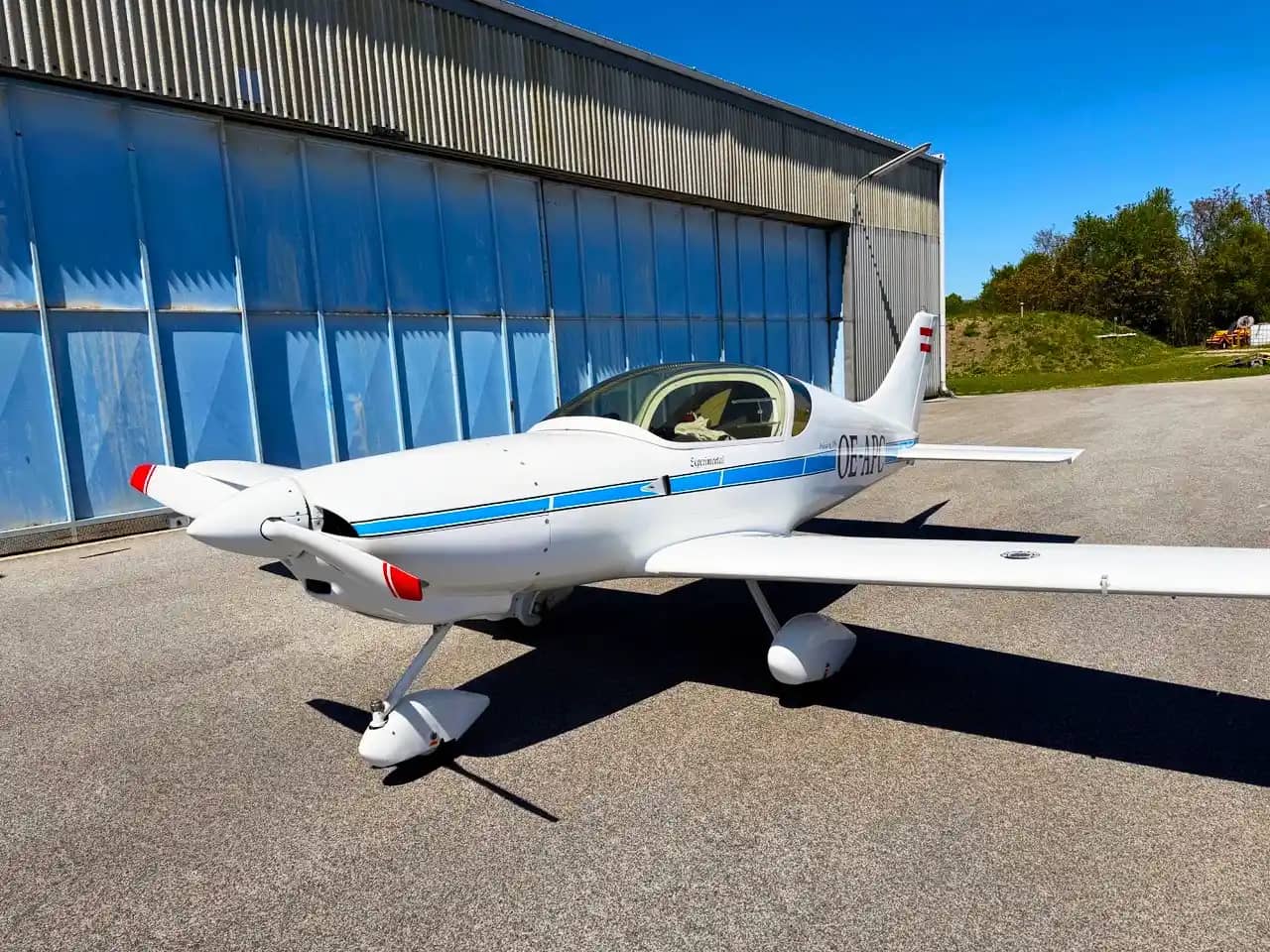
 Bad Vöslau
 Kirn
Kirn
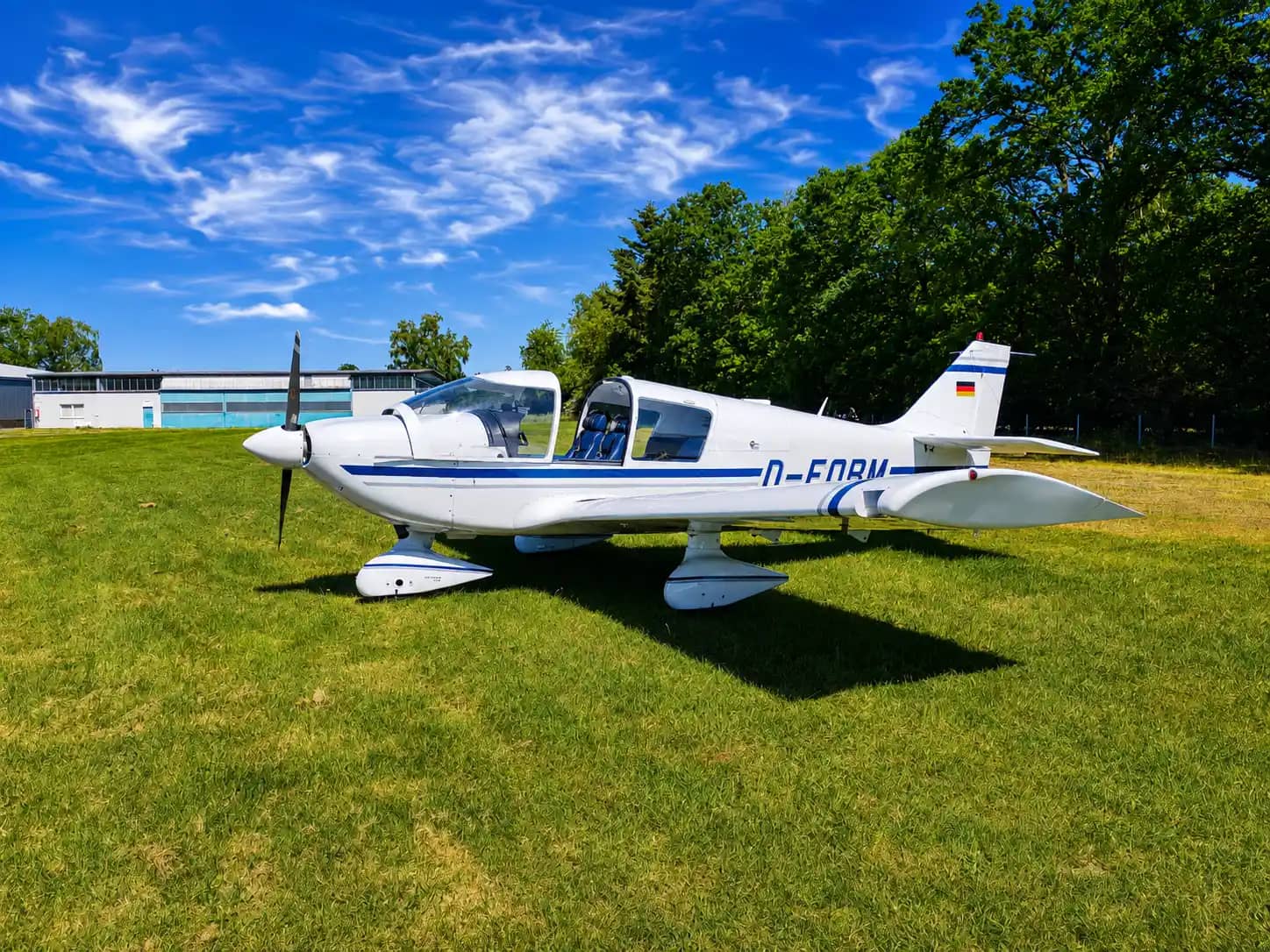

 Florida

The Rotax 912 iS is a 100 hp, fuel-injected four-stroke aircraft engine with electronic engine management, redundant electronic fuel injection and ignition, a reduction gearbox and liquid- and air-cooled architecture. For a buyer, its appeal is modern engine management and efficient light-aircraft operation. The ownership question is whether the particular engine and aircraft installation have been maintained, documented and supported correctly.
Rotax currently publishes a 2,000-hour TBO for the 912 iS Sport. That figure is important, but it should never be used alone to judge a used aircraft. Calendar age, serial-number applicability, operating history, scheduled maintenance, fuel and electrical-system condition, storage history and unresolved diagnostic faults can all matter before the hour meter reaches TBO.
This guide gives buyers practical maintenance-planning references and explains what to verify before purchasing a Rotax 912 iS-powered aircraft. It does not replace the current Rotax Technical Documentation, aircraft-manufacturer instructions or the requirements applicable to the individual engine serial number and aircraft.
Rotax 912 iS Maintenance at a Glance
| Planning point | Rotax reference | What a buyer should verify |
|---|---|---|
| Initial inspection | First 25 hours on applicable new or overhauled engines | Evidence that the initial inspection was completed and entered in the records. |
| Recurring inspection | 100 hours or 12 months, whichever requires attention first under the applicable schedule | Date and engine time of the last inspection and when the next one becomes due. |
| Additional scheduled work | 200-hour interval tasks where applicable | Whether the 200-hour items were performed in addition to the normal recurring inspection. |
| Extended scheduled work | 600-hour interval tasks where applicable | Whether the engine is approaching a larger scheduled-maintenance event. |
| TBO | 2,000 hours on the current 912 iS Sport product reference | Verified total engine time, exact engine variant and serial-number applicability. |
| Calendar TBO | Earlier Rotax 912 iS maintenance documentation lists 2,000 hours or 15 years for specified serial-number ranges | Confirm the current calendar limitation from the latest applicable Rotax documentation for the exact engine. |
Important: these figures are maintenance-planning references, not a substitute for the current Maintenance Manual Line, Service Instructions, Service Bulletins or aircraft-specific maintenance program. Rotax documentation can be revised, and the aircraft manufacturer may add installation-specific requirements.
Rotax’s official 912 iS Sport product page currently lists a 2,000-hour TBO. The official technical-documentation library contains the manuals, instructions, service bulletins and service letters used to establish the requirements applicable to a particular engine.
What the Rotax 912 iS Is
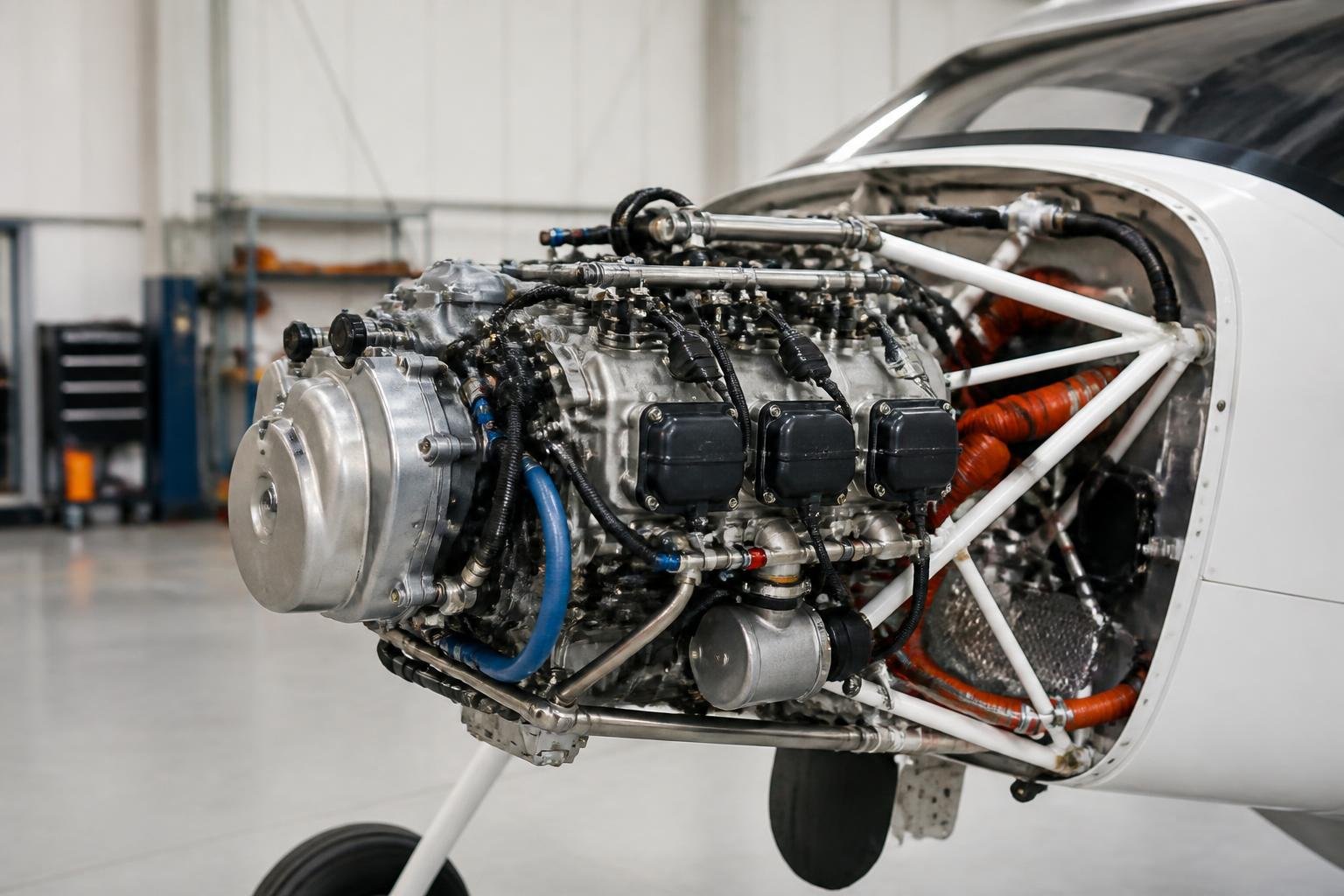
The 912 iS belongs to the fuel-injected branch of the Rotax 912 family. Rotax describes the current 912 iS Sport as a four-stroke engine with four liquid- and air-cooled cylinders, redundant electronic fuel injection and ignition, electronic engine management and a propeller speed-reduction gearbox.
That makes it different from the carburetted 912 variants many light-aircraft owners already know. Instead of carburettor synchronisation being a central part of the ownership conversation, a 912 iS buyer needs to pay closer attention to:
- Electronic engine-management history.
- Fuel-pump and fuel-delivery condition.
- Sensors and wiring.
- Electrical supply and grounding.
- Diagnostic fault history.
- Aircraft-specific cooling and fuel-system installation.
The engine badge alone does not establish the maintenance condition. The same 912 iS can be installed in very different aircraft with different fuel routing, cooling, wiring, annunciation and maintenance access.
Before evaluating the engine, confirm the exact model, serial number, aircraft installation, propeller and current technical-documentation applicability.
Scheduled Maintenance Intervals Buyers Should Understand
A used-aircraft buyer does not need to perform the maintenance schedule personally, but should understand where the engine sits in that schedule.
First 25 Hours
Rotax 912 iS maintenance documentation has specified an initial inspection after the first 25 hours of operation for applicable new and overhauled engines. For a buyer evaluating a relatively new engine or one that has undergone overhaul, verify that the initial inspection is recorded.
100 Hours or Annual
The recurring 100-hour inspection is one of the most important maintenance-planning references. Rotax documentation also requires annual attention when the engine does not accumulate 100 hours within the relevant year.
For a buyer, this means a low-hour aircraft can still have maintenance due because calendar time continues even when flight hours do not.
Ask:
- When was the last 100-hour or annual inspection completed?
- What was the engine time at that inspection?
- Was the aircraft flown regularly afterward?
- Are there any outstanding discrepancies?
200-Hour Tasks
The maintenance schedule also includes additional work at 200-hour intervals. These are not a replacement for the recurring inspection; they are additional tasks required at the relevant interval under the applicable maintenance schedule.
An aircraft approaching a 200-hour milestone may therefore carry more near-term maintenance exposure than another aircraft with similar calendar age but a different engine-time position.
600-Hour Tasks
Further scheduled tasks can appear at the 600-hour interval. Buyers should identify whether an aircraft is approaching one of these larger scheduled events rather than assuming every 100-hour inspection has the same scope and cost.
Why Revision Status Matters
Do not rely on a printed checklist that has been sitting in a maintenance folder for years. Rotax maintains an official technical-documentation library containing manuals, service bulletins and service letters. The maintenance provider should establish which current documents apply to the engine and serial number.
TBO and Calendar Age: What 2,000 Hours Really Means

Rotax currently publishes a 2,000-hour TBO for the 912 iS Sport.
TBO means time between overhaul. It is an overhaul-planning limit under the applicable maintenance framework; it is not a guarantee that an engine will remain trouble-free until hour 2,000, and it does not mean an engine with fewer hours is automatically in better condition.
Earlier Rotax Maintenance Manual Line documentation for applicable 912 iS and 912 iS Sport serial-number ranges listed 2,000 hours or 15 years, whichever came first. Because applicability can depend on engine variant, serial number and document revision, a buyer should verify the current limit for the actual engine rather than copying “2,000 h / 15 years” from an advertisement.
| Example engine | Why the hour figure can mislead |
|---|---|
| 350 hours, 12 years old | Low hours do not remove calendar-age, storage and hose/component concerns. |
| 1,400 hours, regularly flown | Higher hours may come with better continuity and predictable maintenance records. |
| 500 hours with several years of inactivity | Storage and preservation history may matter more than the low total time. |
| Engine after major work | Buyer must establish exactly what work was performed and how the recorded time basis is defined. |
Do not calculate remaining engine value by simply subtracting the current hour reading from 2,000. Review calendar status, maintenance continuity, condition and the cost of upcoming work.
Fuel Injection System: What Buyers Need to Check
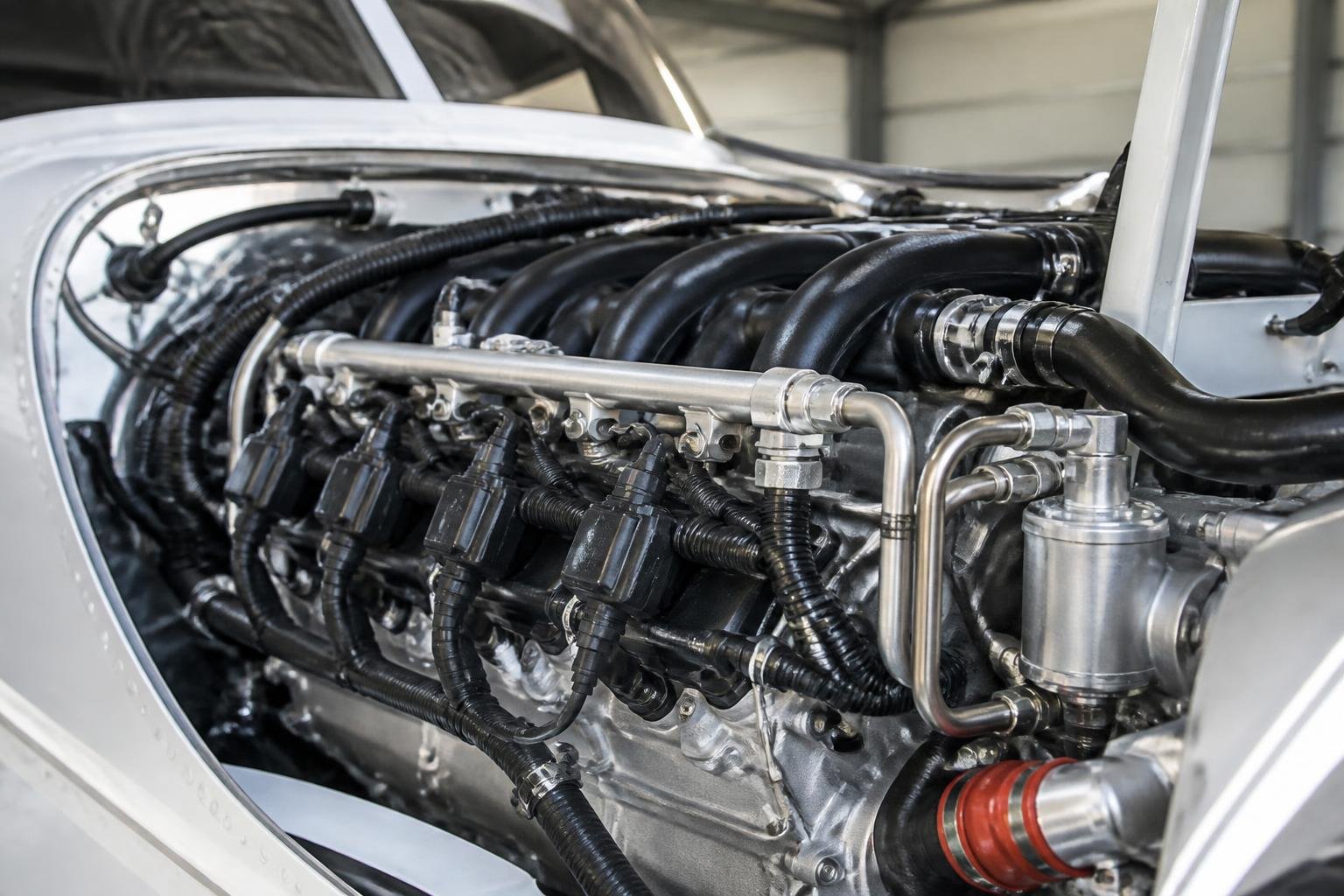
The 912 iS uses electronically managed fuel injection rather than carburettors. That removes some carburettor-specific maintenance concerns but increases the importance of the complete fuel-delivery and electronic-control installation.
During a pre-buy inspection, evaluate the fuel system as an integrated aircraft installation:
- Fuel pumps and their maintenance history.
- Fuel lines and hose condition.
- Filters.
- Fittings and clamps.
- Heat protection.
- Supply and return routing.
- Evidence of chafing or leaks.
- Undocumented alterations.
Fuel-system changes deserve particular attention. A replacement pump, modified fuel line or altered tank arrangement should be supported by appropriate documentation for the aircraft's certification category.
Hard starting, irregular running, abnormal fuel-pressure indications or intermittent warnings should be diagnosed rather than dismissed as “normal for the type.”
Electrical System and Diagnostics

The 912 iS uses redundant electronic fuel injection and ignition and depends on its engine-management and electrical architecture for normal operation. Electrical-system condition is therefore not merely an avionics issue.
A pre-buy review should consider:
- Battery age and condition.
- Charging-system history.
- Ground connections.
- Harness routing and strain relief.
- Connector security and contamination.
- Heat or chafing damage.
- Engine-monitor warnings.
- Stored or recorded faults.
- Non-standard electrical modifications.
Ask whether appropriate Rotax diagnostic equipment has been used during recent troubleshooting and whether diagnostic reports are available. A history of repeated component replacement without a documented diagnosis can be more concerning than one clearly identified and corrected fault.
Buyer Maintenance-Planning Worksheet
Before deciding what a 912 iS-powered aircraft is worth to you, build a simple maintenance forecast.
| Buyer question | Evidence to request | Why it affects the purchase |
|---|---|---|
| When is the next 100-hour/annual inspection? | Last inspection date and engine time | An inspection may become due soon even on a low-hour aircraft. |
| Is a 200-hour task approaching? | Current engine hours and maintenance history | Additional scheduled work may increase near-term cost. |
| Is a 600-hour event approaching? | Current hours and applicable maintenance schedule | Larger scheduled tasks may need to be budgeted. |
| How much TBO remains? | Verified engine time, model, serial number and current Rotax data | Defines only part of the engine's remaining maintenance horizon. |
| What calendar limits apply? | Installation date, engine serial number and current manual | Calendar age can create maintenance exposure before hour limits are reached. |
| Are faults unresolved? | Diagnostic reports and maintenance entries | Intermittent electronic faults can create troubleshooting cost and downtime. |
| Has the engine sat unused? | Flight history and preservation/storage records | Low utilisation can create different risks from normal regular operation. |
| Is competent support nearby? | Named maintenance provider and diagnostic capability | Distance to specialist support can materially affect downtime and cost. |
| Are parts immediately available? | Ask the current shop about known lead times and open orders | A small fault can become a long grounding period if support is limited. |
This worksheet is more useful than asking only whether the engine is “low time.”
Records to Request Before Travelling to Inspect the Aircraft
A buyer can eliminate substantial uncertainty before paying for travel or inspection.
Request:
- Engine data-plate photograph.
- Engine logbook pages showing total time and recent maintenance.
- Airframe records needed to reconcile engine installation and times.
- Latest 100-hour or annual inspection entry.
- Evidence of applicable 200- and 600-hour work where relevant.
- Service Bulletin and Service Instruction compliance information.
- Invoices for major engine, fuel or electrical work.
- Diagnostic reports where available.
- Storage or preservation records after long inactivity.
- Details of unresolved discrepancies or deferred work.
For a broader approach to record continuity and maintenance red flags, see the CollectAirs Aircraft Logbook Inspection Guide.
Pre-Buy Inspection Checklist for a 912 iS Aircraft

Choose an independent inspector familiar with both the Rotax 912 iS and the aircraft in which it is installed. Engine expertise alone may not be enough because cooling, electrical and fuel-system architecture are partly airframe-specific.
- Verify engine model and serial number.
- Reconcile engine hours with airframe and maintenance records.
- Confirm current maintenance status against applicable Rotax documentation.
- Review scheduled and calendar-driven tasks.
- Inspect fuel lines, pumps, filters, fittings and routing.
- Inspect electrical connectors, grounds, harnesses and charging-system condition.
- Review recorded engine-management warnings and diagnostic history.
- Inspect cooling-system components and evidence of leakage.
- Review gearbox and propeller-interface history.
- Identify undocumented modifications.
- Check periods of inactivity and preservation history.
- Estimate the cost and timing of known upcoming maintenance.
A pre-buy inspection is buyer-directed due diligence. It is not automatically an annual inspection, airworthiness determination or appraisal. For the wider aircraft-level process, use the CollectAirs Aircraft Pre-Buy Inspection Checklist.
912 iS vs Carburetted Rotax 912 Variants
The practical difference is broader than “fuel injection versus carburettors.”
| Area | 912 iS | Carburetted 912 variants |
|---|---|---|
| Fuel metering | Electronic fuel injection | Carburettors |
| Engine management | Electronic engine-management system | More mechanically oriented fuel delivery |
| Buyer inspection emphasis | Sensors, pumps, electrical supply, wiring and diagnostics | Carburettor condition, synchronisation and associated mechanical systems |
| Troubleshooting | Diagnostic capability becomes particularly important | Different mechanical and carburettor-specific diagnostic workflow |
Neither system is automatically the better used-aircraft purchase. The better choice is the engine installation with complete records, correct maintenance, good condition and accessible support.
The Van's RV-12 Buyer's Guide provides a useful example because the RV-12 family can expose buyers to both carburetted Rotax 912 ULS and fuel-injected 912 iS ownership environments.
A Real-World Rotax 912 iS-Powered Aircraft
A model-level engine guide becomes more useful when compared with actual aircraft records.
The 2020 Flight Design CTLSi 600 Grand Touring currently listed on CollectAirs uses a 100 hp Rotax 912 iS2 Sport and currently shows 275 hours since new on the engine, airframe and propeller.
That aircraft illustrates how a buyer should approach a 912 iS installation: do not stop at “275 hours” and “2,000-hour TBO.” Review the maintenance history, calendar age, upcoming scheduled work, aircraft-specific fuel and electrical installation, documentation and current airworthiness-review status before placing a value on the remaining engine life.
This same process should be applied to any Rotax-powered aircraft, regardless of how attractive the engine-hour figure appears in the advertisement.
Rotax 912 iS Buyer Red Flags
- Engine hours cannot be reconciled across records.
- The seller cannot identify the exact engine serial number.
- 100-hour or annual inspection history is incomplete.
- 200- or 600-hour tasks appear to have been overlooked.
- Repeated warnings are described as intermittent but no diagnosis is documented.
- Electrical modifications are poorly documented.
- Fuel-system changes have no supporting paperwork.
- Long inactivity is not supported by preservation or condition checks.
- The maintenance provider lacks meaningful 912 iS diagnostic capability.
- The aircraft has no realistic local support pathway after purchase.
None of these findings automatically makes an aircraft unsuitable, but each one should change the scope of investigation and potentially the purchase price or decision.
Who Should Consider a 912 iS-Powered Aircraft?
A 912 iS-powered aircraft can suit private owners, syndicates, clubs and flight schools that value modern electronic fuel injection, efficient light-aircraft operation and the broad Rotax support ecosystem.
It is particularly attractive when:
- A qualified Rotax maintenance provider is accessible.
- The aircraft has strong documentation.
- Diagnostic capability is available locally.
- The buyer understands that calendar maintenance matters as well as hours.
- The fuel and electrical installation is well documented.
It may be less attractive when the aircraft is based far from appropriate technical support or when repeated electronic or fuel-system issues have been addressed through undocumented parts replacement rather than diagnosis.
Final Buying Framework
When evaluating a Rotax 912 iS-powered aircraft, work through the decision in this order:
- Identify the engine: exact model, serial number and aircraft installation.
- Verify time: reconcile engine hours through the maintenance records.
- Check the maintenance schedule: identify the most recent 25-, 100-, 200- or 600-hour work where applicable.
- Confirm TBO and calendar status: use current Rotax documentation for the specific engine.
- Review diagnostics: investigate warnings, fault history and electrical issues.
- Inspect the installation: fuel, cooling, wiring, gearbox and propeller interface.
- Map future cost: identify work likely within the next 12–24 months.
- Confirm support: know who will maintain and diagnose the engine after purchase.
The strongest used 912 iS purchase is not automatically the engine with the fewest hours. It is the engine whose time, calendar status, maintenance history, diagnostics and installation condition can all be understood and supported.
Want to evaluate a documented Rotax 912 iS-powered aircraft? Review the Flight Design CTLSi 600 Grand Touring currently on CollectAirs, compare its engine time and available maintenance records, and arrange an independent pre-buy inspection before bidding.
Sources & Further Reading
- Rotax — 912 iS Sport / iSc Sport Official Engine Information
- Rotax — Official Technical Documentation Library
- Rotax — Maintenance Manual Line for 912 i series; verify the current edition and revision in the official technical-documentation library.
- Rotax — Operator's Manual for the 912 i series; verify the current revision applicable to the engine.
- Rotax — Service Bulletins, Service Instructions and Service Letters applicable to the engine serial number.
- CollectAirs — Aircraft Pre-Buy Inspection Checklist
- CollectAirs — Aircraft Logbook Inspection Guide
- CollectAirs — Van's RV-12 Buyer's Guide
- CollectAirs — 2020 Flight Design CTLSi 600 Grand Touring
Technical note: Rotax documentation is revised over time. Maintenance intervals, calendar limits, TBO applicability and mandatory actions must be confirmed from the current documents applicable to the exact engine model and serial number. This article is a buyer-planning guide, not maintenance instructions.

Comments
No comments yet
Be the first to share your thoughts!