
 Bad Vöslau
 Kirn
Kirn
 Florida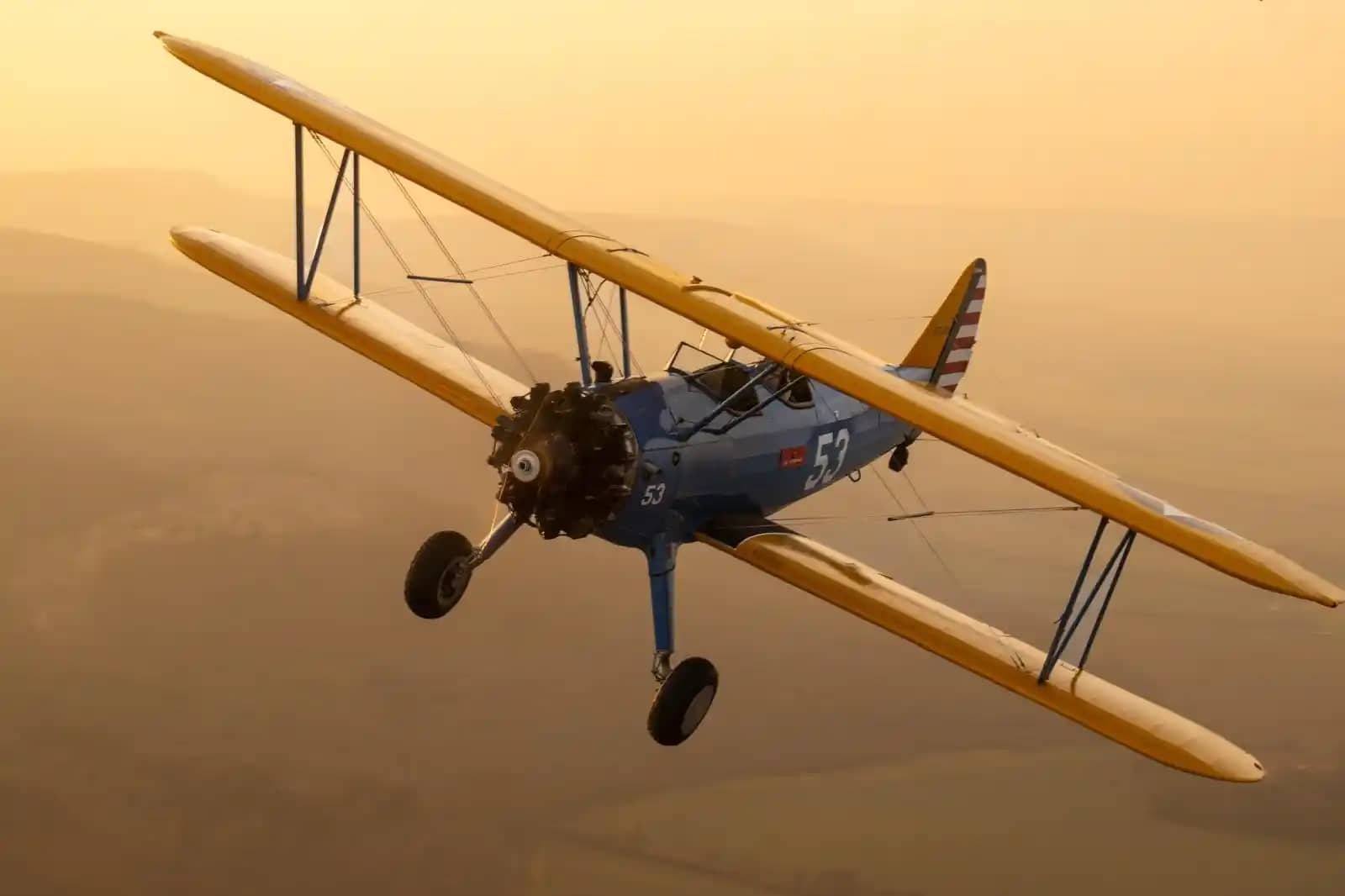
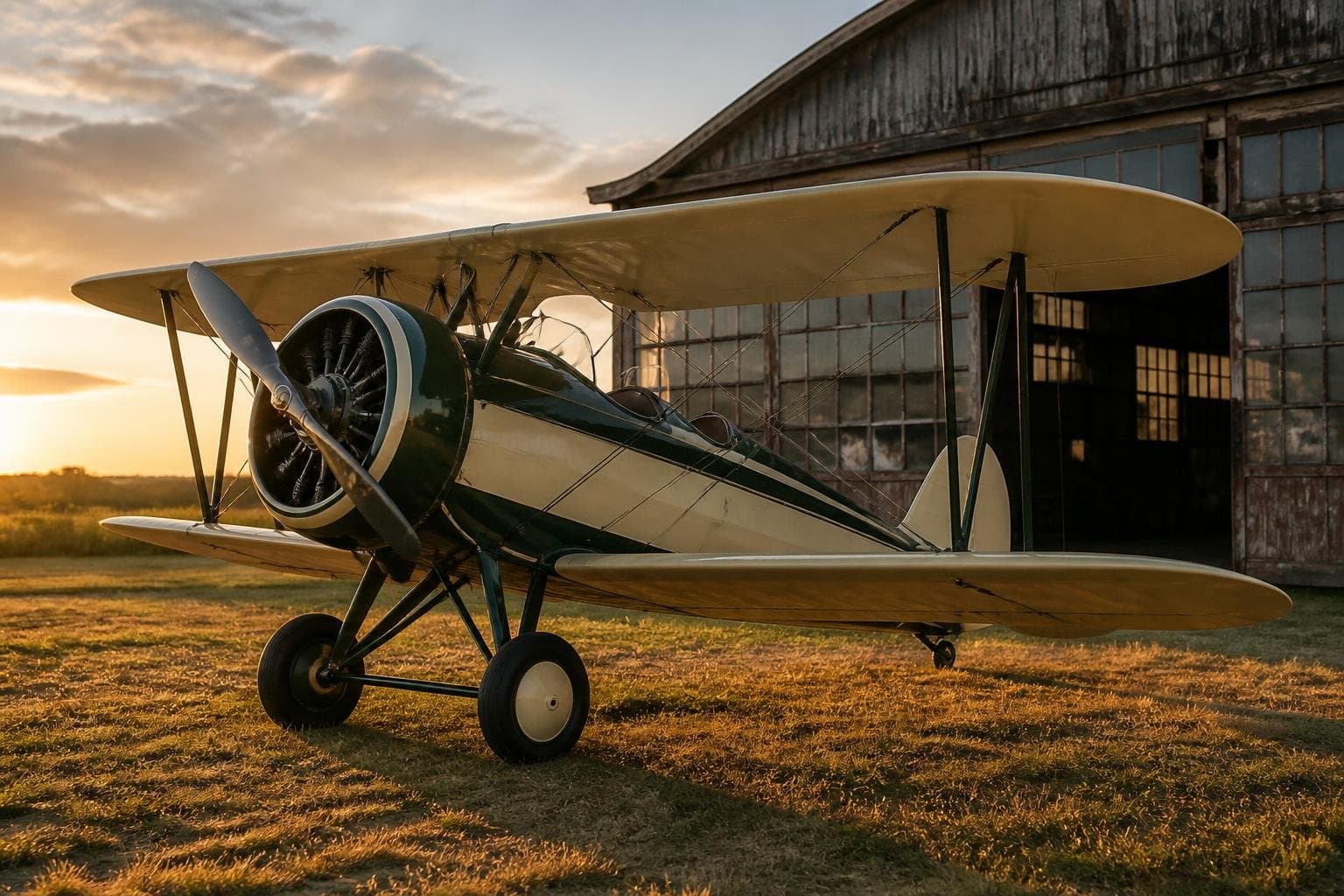
A Stearman PT-17 pre buy inspection should establish far more than whether a restored biplane presents well on the ramp. A buyer needs to understand the aircraft’s identity, restoration standard, structural condition, maintenance history and practical path to legal, insurable operation. On a fabric-covered, wood-winged historic aircraft, the most expensive defects may be concealed. An independent inspection by people experienced with vintage biplanes, fabric systems, wood structure and radial engines should be completed before price negotiations become final.
What a Restored Stearman PT-17 Buyer Is Really Evaluating
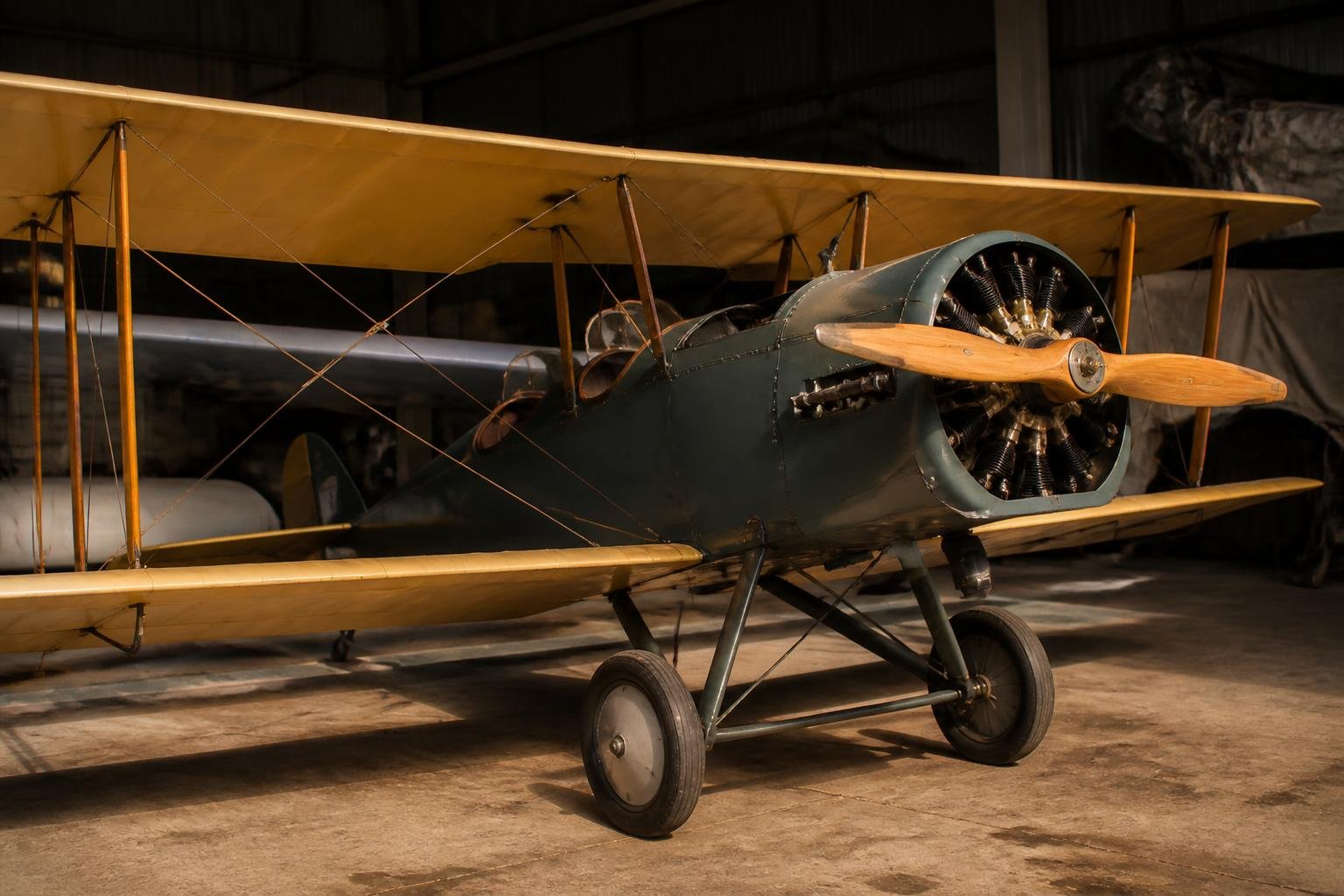
A restored Stearman can be an engaging historic aircraft and a capable platform for open-cockpit flying, but the word “restored” has no single technical meaning. One aircraft may have received a carefully documented, structure-up restoration with traceable materials and specialist workmanship. Another may have a fresh finish over older work, incomplete records or unresolved maintenance issues. The inspection must distinguish cosmetic presentation from evidence of sound restoration practice.
Buyers are also evaluating identity and authenticity. The PT-17 designation is commonly associated with the Boeing-Stearman primary trainer family, yet individual aircraft may have complex military and civilian histories, replacement components, later engines, modified systems and varied equipment. Originality can influence historic interest, while sensible, documented modifications may improve usability. Neither is automatically preferable; the right balance depends on the intended mission.
Define that mission early. A regularly flown warbird requires a different standard of evidence from an aircraft intended principally for display, occasional taxi operation or a long-term restoration project. A beautiful biplane with uncertain wing condition, limited inspection access and interrupted records should not be valued as though it has the same operational certainty as a thoroughly documented flying example.
Commission specialist inspection before treating asking terms as settled. Historic value may justify careful preservation of original material, but operational suitability depends on condition, compliance, parts support, qualified maintenance access, storage and the buyer’s willingness to manage an aircraft with conventional landing gear, open cockpits and vintage systems.
Confirm the Aircraft’s Identity, Variant and Civilian Configuration
Begin with the aircraft’s data plate, serial number, registration documents and logbooks. The identifying information should be consistent across the airframe records, registration history, maintenance documents and any restoration file. A discrepancy is not necessarily disqualifying on an aircraft with a long history, but it requires a clear, documented explanation before purchase.
The Boeing-Stearman family includes aircraft produced for military training and civilian use, with PT-17 commonly referring to aircraft associated with the Continental R-670 radial-engine installation. Do not assume that a current paint scheme, military-style markings or seller description proves original military configuration. Establish what is known about the individual airframe, its civilian conversion history and the basis for its present configuration.
Record the installed engine and propeller model and serial numbers, then compare them with the maintenance records and approved equipment documentation. Equipment changes may include fuel-system work, brakes, electrical additions, radio installation and modern avionics. Such changes may be reasonable, but buyers should determine whether they are documented through the applicable type certificate data, approved data, supplemental approvals, field approvals or the relevant national process.
Registration, airworthiness and operating requirements are jurisdiction-specific. A buyer importing an aircraft, moving it between registers or operating it outside its present country should obtain advice from a qualified local aviation professional. Historic status, permit arrangements, maintenance release requirements and insurance conditions can vary substantially.
Plan a Stearman PT-17 Pre-Buy Inspection With the Right Specialists
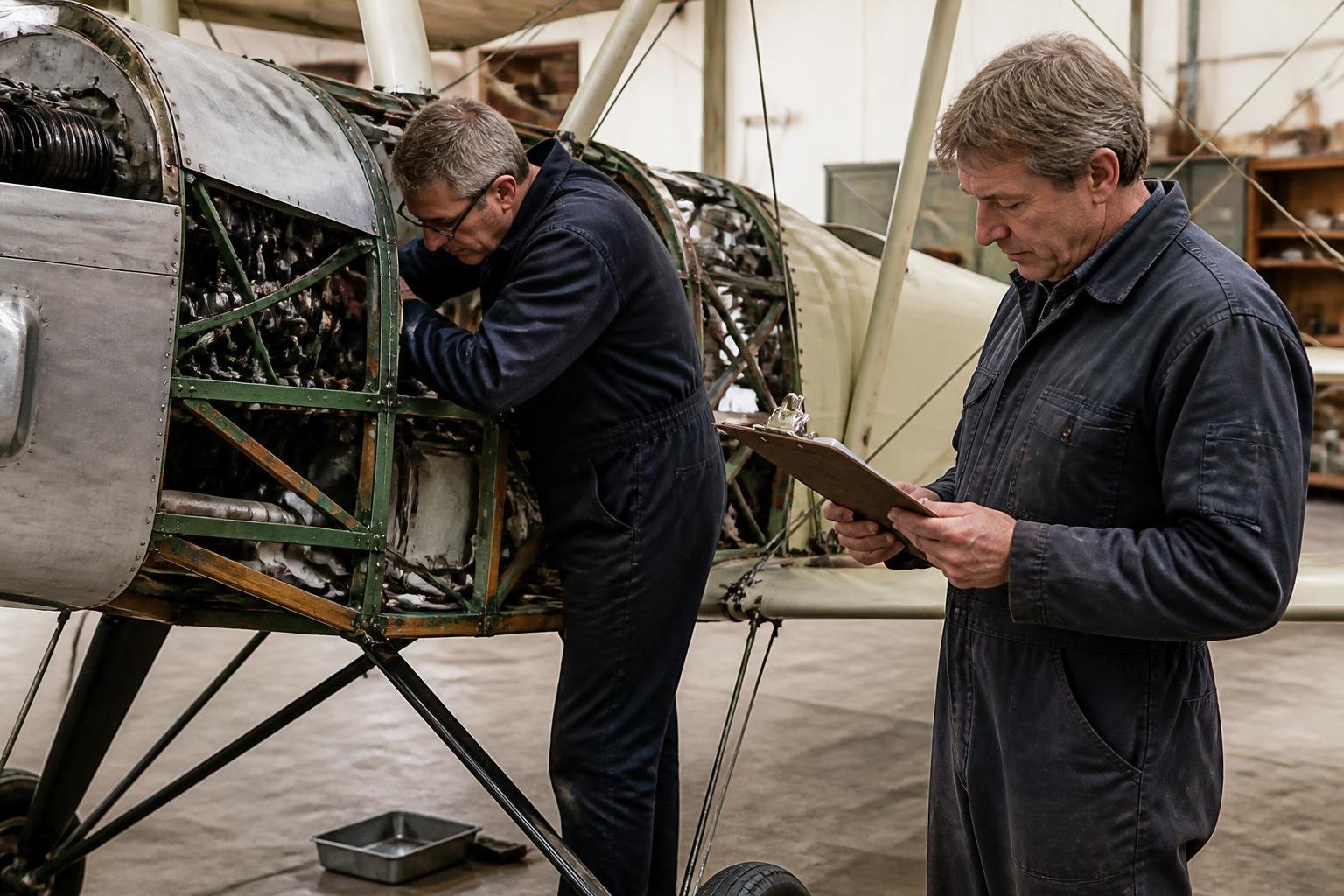
A proper Stearman PT-17 pre buy inspection is best led by an independent mechanic, inspector or restoration professional with direct vintage-biplane experience. General piston-aircraft familiarity is useful but may not be enough for evaluating fabric-covered steel tube, wood wings, wire-braced bays and a seven-cylinder radial installation. Independence matters: the buyer’s inspector should work to a written scope agreed by the buyer, not merely repeat a seller’s recent maintenance assessment.
A pre-buy inspection is not an annual inspection, an airworthiness determination or a guarantee against future defects. Its purpose is to identify condition concerns, record gaps and foreseeable costs so the buyer can make an informed decision. The scope should state which areas will be opened, what records will be examined and which checks are limited by access, time or owner permission.
Include a wood-structure and fabric-covering specialist where the aircraft’s restoration history, wing provenance or visible condition warrants it. A radial-engine specialist should review the Continental installation and records. Ideally, logbooks and restoration material are reviewed before travel so the physical inspection can focus on unanswered questions rather than basic document sorting.
- Request a written inspection scope and a list of required access panels, tools and documents.
- Have the inspector photograph material findings and inaccessible areas.
- Separate immediate safety or compliance concerns from planned cosmetic or preservation work.
- Rank discrepancies by urgency, cost uncertainty and impact on intended use.
- Obtain specialist estimates before assigning a value adjustment to major findings.
The final report should say what was observed, what was represented in records, what could not be verified and what further work is recommended. That distinction is particularly valuable when negotiating a historic aircraft with decades of prior maintenance.
Inspect the Welded Steel-Tube Fuselage and Tail Structure
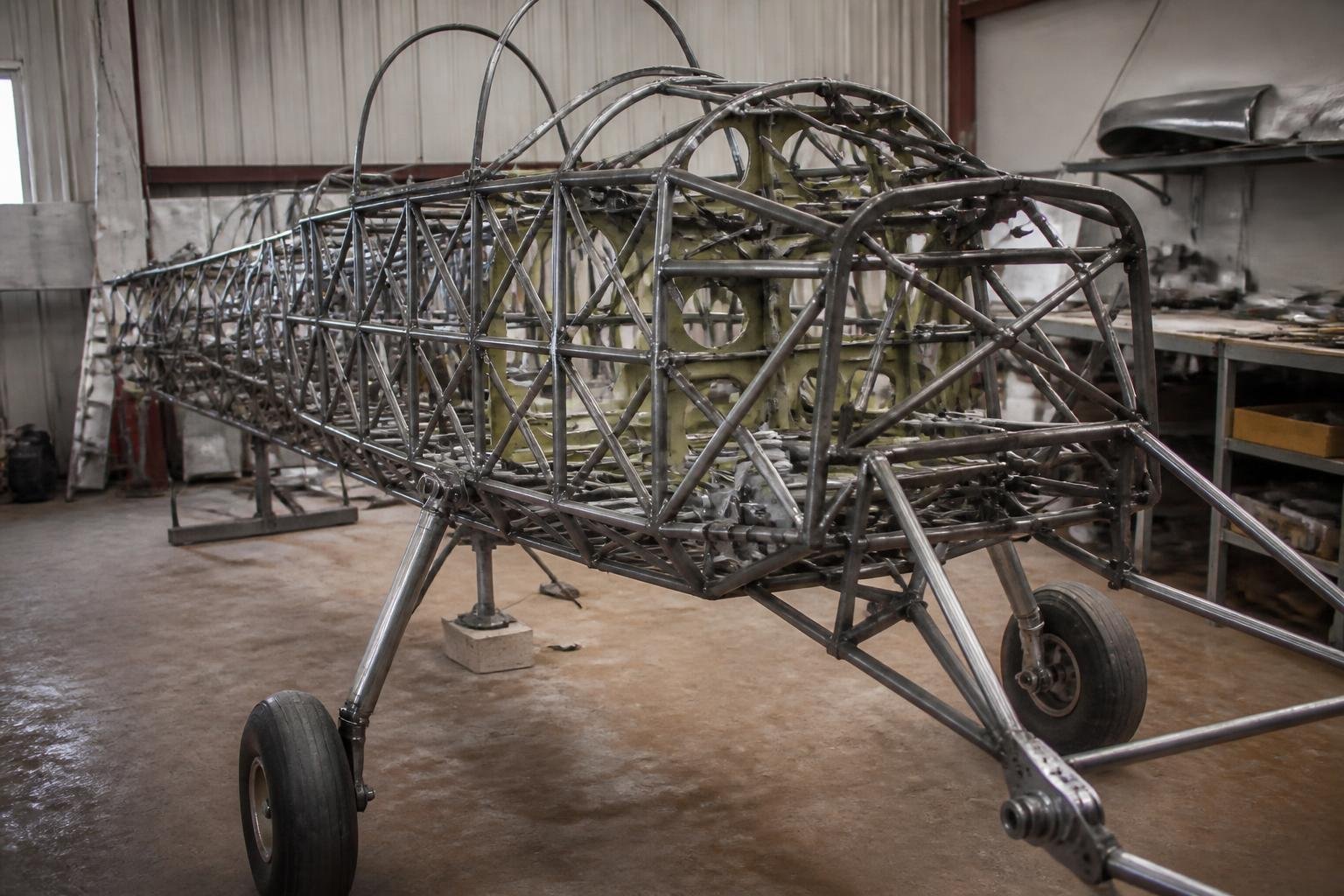
The Stearman’s fabric-covered welded steel-tube fuselage is robust in concept, but corrosion can develop where moisture, dirt or degraded internal protection are allowed to remain. Fabric can conceal tube condition, so inspection access is central to a credible evaluation. Examine existing inspection openings and accessible bays, using lighting, mirrors or borescopes where practical.
Focus on lower longerons, joints, fittings, landing-gear attachment areas, cockpit structure, tail-post region and cabane-area tubes. Moisture traps deserve close attention. Corrosion may be visible as blistering, staining, scale, disturbed finish or residue around drainage paths, but the absence of external clues does not prove the tubes are sound. Ask how the interior has been preserved, where drainage is provided and when the structure was last viewed with fabric removed.
Inspect welds for evidence of prior repair, poor workmanship, overheating or localized damage. Repairs must be assessed in context by someone qualified to judge the applicable data and repair method. Look for uneven geometry, mismatched fittings, unusual reinforcement and paint differences that may indicate earlier structural work. Such evidence is not inherently unacceptable; undocumented or poorly explained work is the concern.
Ground loops, hard landings and handling incidents can leave clues in landing-gear alignment, tail structure, cabane fittings, wing alignment and control rigging. Check for distorted brackets, elongated holes, cracked finish around fittings and differing dimensions side to side. Good access, internal preservation and a coherent repair history are more persuasive than a uniformly glossy exterior.
Assess Fabric Covering Beyond Its Colour and Finish
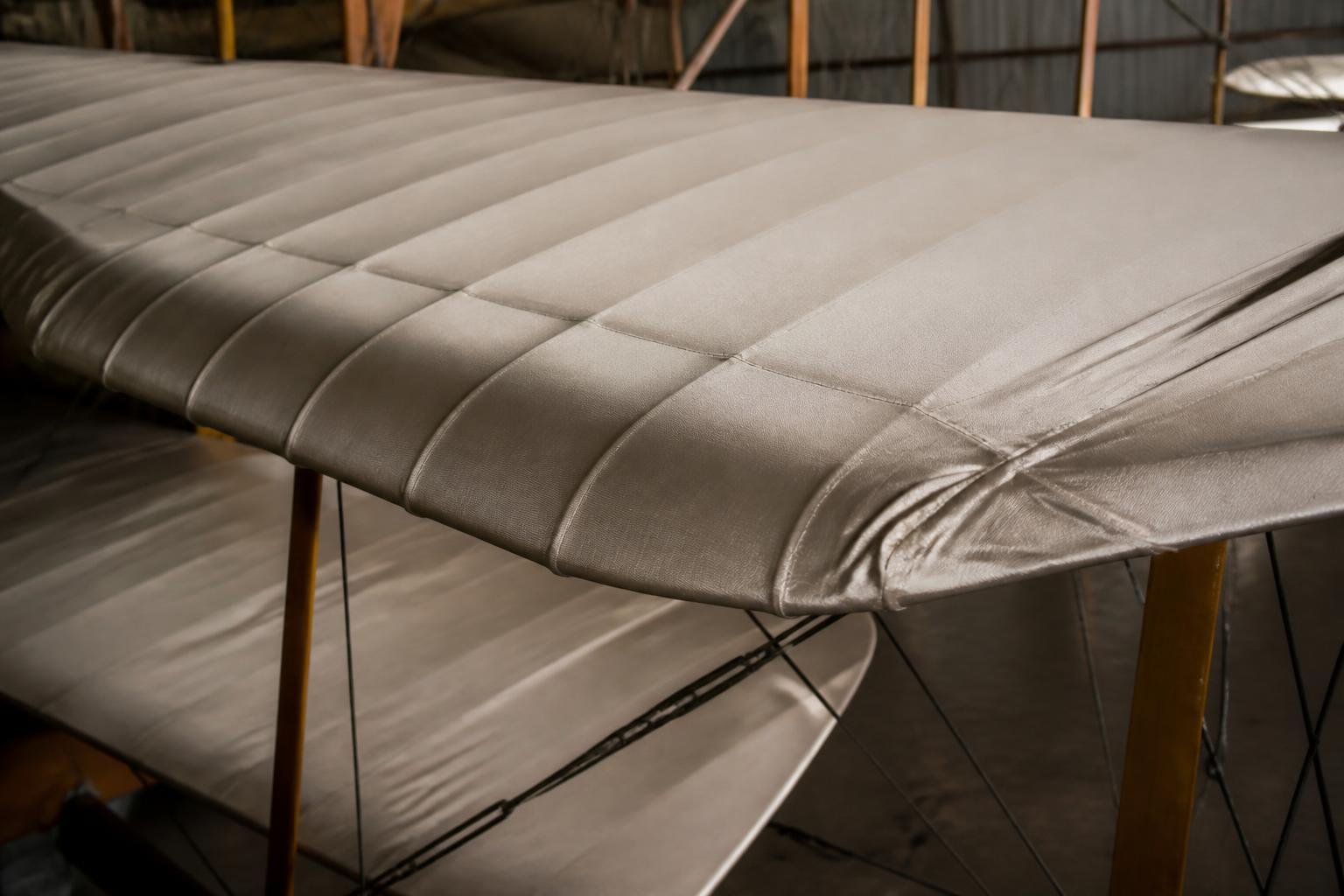
Fabric finish strongly affects a restored Stearman’s appearance, yet colour and gloss reveal little about the covering system’s condition. Identify the fabric system, materials used, date of covering and the documentation supporting the process. An inspection should consider whether the system was installed and maintained in accordance with applicable approved or accepted practices for that aircraft and jurisdiction.
Assess fabric tautness, finish adhesion, cracking, brittleness, chafing, punctures and localized repairs. Pay attention to edges, seams, lacing areas, inspection rings, access-panel boundaries and places where structure lies close beneath the fabric. Gentle, appropriate inspection by a specialist can identify concerns that should not be judged solely by pressing on a surface. Avoid destructive testing without the owner’s consent and a plan for approved repair.
Staining, mildew-like marks, lifting finish or residue near lower surfaces can point to moisture exposure, fuel or oil leaks, or conditions that deserve further investigation. Fabric itself does not corrode, but moisture retained beneath it can affect steel fittings, tubes and hardware. A buyer should ask about hangarage, outdoor storage, climate, ultraviolet exposure and periods of inactivity.
Review the quality of visible repairs and access provisions. Neat patches are not automatically problematic when properly documented; repeated patches, unexplained local distortion or inaccessible critical areas merit specialist attention. The practical question is not simply how old the fabric is, but whether its condition, installation history and service environment support the buyer’s intended use.
Examine Wood Wings, Spars and Ribs Methodically
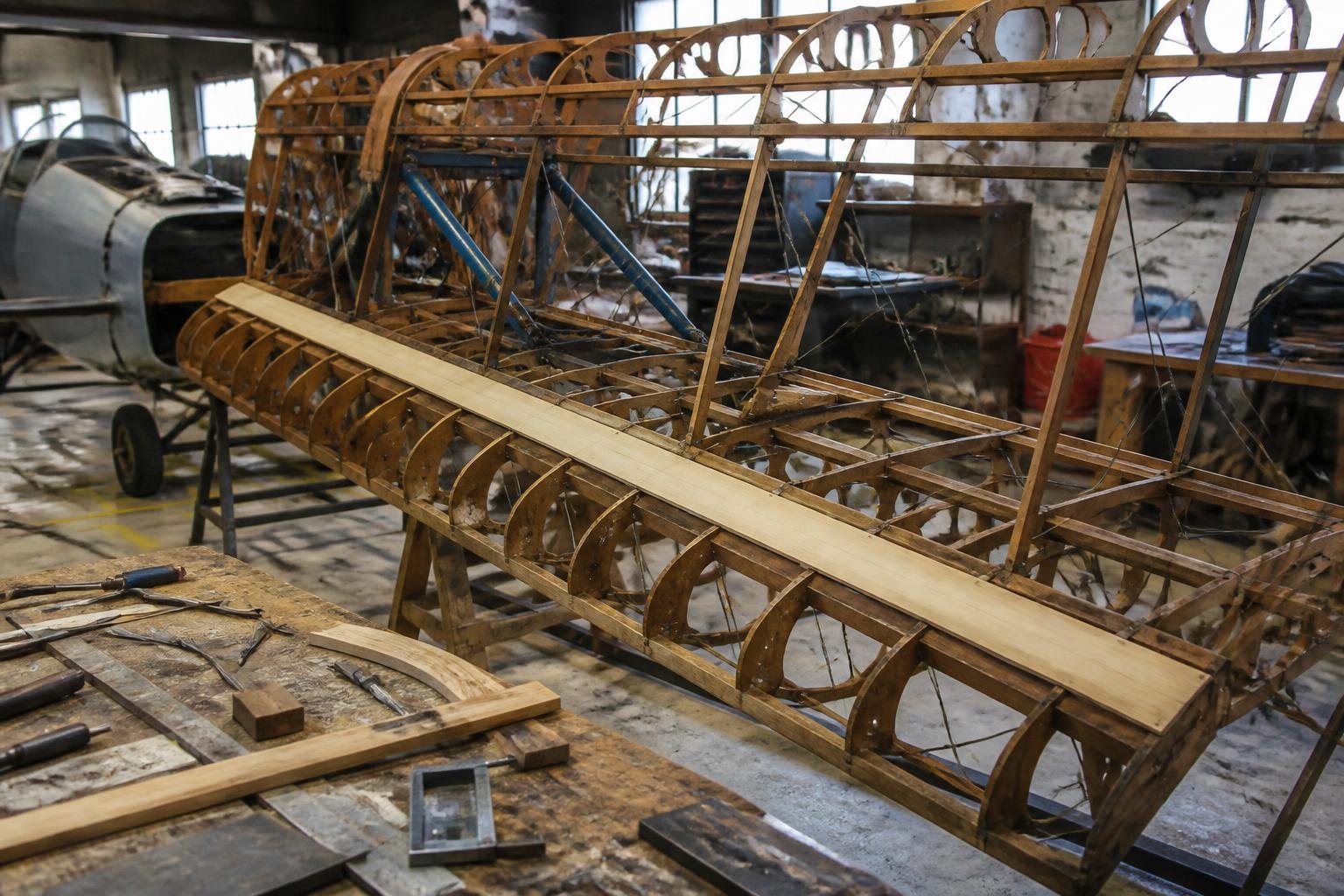
Wood wings are among the most consequential areas in a Stearman purchase. Establish whether each wing is original, rebuilt or a replacement assembly, who performed the work and what records, photographs and material traceability survive. A reconstructed wing can be entirely appropriate when professionally built and documented; age alone does not define condition.
Wood structure requires inspection methods suited to the design and available access. Examine spars, glue joints, ribs, compression members, drag and anti-drag wire arrangements, leading-edge areas and wing-root structure. Inspectors look for discoloration, softening, splitting, delamination, failed glue joints, insect damage, mechanical damage and evidence of retained moisture. The significance of any finding depends on its location and extent, so interpretation should be left to an experienced wooden-aircraft specialist.
Wing-root fittings and attach bolts deserve careful scrutiny because they join wood, steel hardware and the broader airframe. Look for corrosion at interfaces, deteriorated protective treatment, worn holes, fretting and signs that fittings have moved. Concealed repairs near leading edges or rib stations may require borescope examination or a controlled opening of fabric, where justified and agreed in advance.
Moisture assessment is useful when performed and interpreted correctly, but a single reading is not a complete structural verdict. Compare locations and investigate suspicious readings in the context of storage history, ventilation and visible condition. Rigging geometry also matters. Unequal measurements, unusual wire adjustment or evidence of prior overload can point to a history worth resolving through records and detailed examination.
- Confirm wing construction and restoration provenance.
- Review photographs taken before the wings were covered.
- Inspect spars, ribs and critical fittings through approved access where possible.
- Ask whether prior fabric openings, spar repairs or fitting replacements are documented.
- Have unusual findings reviewed before assuming they are cosmetic or routine.
Check Flying Wires, Fittings, Rigging and Control Systems
On a wire-braced biplane, flying wires, landing wires, strut fittings and cabane connections are structural items, not decorative period details. Examine wire condition for corrosion, broken strands, damaged plating, fretting and evidence of improper handling. Review service history and any replacement evidence rather than relying on appearance alone, particularly if the aircraft has operated in humid, coastal or outdoor-storage environments.
Inspect turnbuckles, clevises, pins, safetying and attachment hardware for correct condition and security. Hardware should not show elongation, cracking, corrosion or ad hoc substitutions. Strut and cabane fittings should be assessed for cracking, movement, corrosion and alignment. A specialist can determine whether rigging tensions and geometry are plausible for the aircraft and whether adjustment patterns suggest previous alignment problems.
Follow control cables through pulleys, fairleads and cockpit routing. Look for fraying, corrosion, rubbing, pulley wear and restricted travel. Control-surface hinges, horn attachments, balance condition and travel should be reviewed against the applicable aircraft data. Records of rigging work and post-restoration flight testing help establish that the completed aircraft was evaluated after major work, but they do not replace present-condition inspection.
Review the Continental R-670 Radial Engine and Propeller Installation
The Continental R-670 is a seven-cylinder radial engine, and its installed configuration should be evaluated as an individual powerplant rather than as a generic model. Confirm the engine data plate, serial number, overhaul source, overhaul date, hours since overhaul and the records supporting major work. Calendar time matters alongside operating hours: an engine that has accumulated little time over many years may still require close attention to seals, corrosion risk, preservation history and accessory condition.
Review cylinder condition, available compression trends, oil analysis history and maintenance entries. No single compression reading or brief ground run can establish the health of an older radial. Inspect for oil leaks, condition of ignition components and leads, hoses, clamps, fuel and oil plumbing, exhaust integrity and accessory installation. Identify any recurring maintenance themes in the records, such as cylinder work, magneto attention, oil consumption concerns or repeated leaks.
Assess the engine mount, mount hardware, cooling arrangement, baffling and evidence of vibration or heat damage. The propeller deserves its own records review: confirm model, serial traceability, hub condition, overhaul history and applicable maintenance requirements. Any sign consistent with a propeller strike, sudden stoppage or nose-over event requires careful documentary and specialist follow-up.
A supervised ground run can reveal starting behavior, oil pressure response, ignition checks, leaks, vibration and obvious temperature-management concerns. It remains only a limited snapshot. Do not use a smooth short run to dismiss incomplete overhaul records, long storage intervals or structural questions around the installation.
Evaluate Landing Gear, Brakes and High-Stress Areas
Tailwheel aircraft accumulate their own pattern of operational wear. Inspect main-gear attachments, axle alignment, gear-leg condition and adjacent fuselage fittings. Check shock cords for condition, age evidence and replacement history. Degraded cords can affect stance and handling, while unusual alignment or localized damage may indicate earlier hard landings or ground-handling incidents.
Review wheels, tyres, bearings, brake components, lines and master-cylinder condition as applicable to the installed configuration. Confirm that modifications are documented. Examine the tailwheel assembly, steering hardware, springs, chains and attachment area for wear, cracks, excessive play and non-standard repairs.
Ask directly about propeller-strike, nose-over, ground-loop and crosswind history. A candid, documented event followed by appropriate repair is easier to assess than unexplained evidence of damage. Scuffed lower surfaces, repaired wing tips, bent hardware, asymmetry and unusual replacement parts should be reconciled with logs and restoration photographs.
Audit Logbooks, Restoration Records and Supporting Documents
Records are a major part of a restored PT-17’s value and risk profile. Seek continuous airframe, engine and propeller records where available, while recognizing that very old aircraft may have legitimate early gaps. The key is to identify exactly where continuity ends, what evidence bridges the gap and whether later restoration work is documented well enough to support confidence in the current aircraft.
A strong restoration file may include invoices, work descriptions, dated photographs, parts lists, correspondence, inspection entries and detail on wood, fabric, welding, engine and propeller work. Photographs taken before fabric was installed can be especially useful because they show tube condition, wood structure, fittings and workmanship that are no longer visible. Invoices alone establish purchase of materials, not necessarily installation quality, but they add useful context.
Audit component serial numbers, approvals and traceability. Review inspection entries, maintenance releases where applicable, recurring discrepancies, repairs after damage, current weight-and-balance information and the installed equipment list. Compare dates and airframe times across records. Contradictory times, unexplained serial changes, missing signatures or vague entries deserve clarification.
Do not treat a neat logbook set as proof that every historical claim is verified. Instead, use records to build a timeline and test it against the aircraft. If the restoration description says the wings were rebuilt, the file should help identify when, by whom, to what method and with what subsequent inspection history.
Research Airworthiness Directives, Alterations and Compliance Status
Buyers should identify applicable airworthiness directives, recurring requirements and maintenance references for the airframe, engine, propeller and installed components. Compliance status should be independently verified against the relevant authority’s requirements and the aircraft’s current registration basis. A statement that an aircraft is “AD complied” is useful only when supported by records showing the applicable directives, method of compliance, dates and recurring due items.
Review type certificate data, manufacturer material where available and approved maintenance references. Major repairs and alterations should have appropriate supporting paperwork. Pay close attention to modern avionics, fuel-system changes, brake modifications, electrical work and any configuration that differs from historical documentation. Such changes may be beneficial, but undocumented changes can complicate maintenance, transfer and insurance.
National authority requirements for vintage aircraft differ. A prospective owner should confirm what is required for registration transfer, continuing airworthiness, inspections, maintenance certification and any intended cross-border operation. The buyer’s inspector can identify technical questions, but regulatory interpretation may require a local maintenance organization, authority liaison or aviation legal specialist.
Turn Inspection Findings Into a Purchase Decision
Convert the inspection report into categories: safety-critical or compliance-critical defects; condition issues requiring near-term correction; planned preservation work; and cosmetic preferences. Do not allow a polished restoration to blur that ranking. A wood-wing concern, undocumented structural repair or unclear engine overhaul history can have a much larger consequence than tired cockpit trim or aged paint.
Ask specialists for realistic scope, cost and downtime estimates on material discrepancies. Vintage-aircraft work can involve scheduling constraints, limited parts, custom fabrication and specialist labor. The buyer’s budget should include not just rectification but insurance, hangarage, transport if required, recurrent maintenance, fuel, training and an allowance for discoveries made after deeper access is obtained.
Documented restoration quality can support value because it reduces uncertainty, but it does not eliminate the need for current inspection. Consider conditional purchase terms, an escrow structure where appropriate and clear responsibility for agreed corrective work. A PT-17 suits buyers who value historic operation, have access to suitable maintenance support and understand that preservation-minded ownership is a continuing commitment rather than a one-time restoration purchase.
A Practical Final Checklist Before Completing the Purchase
Before completing the transaction, confirm that the physical inspection and records review are complete, material discrepancies have been independently considered and the purchase documentation reflects any agreed conditions. Ensure that registration transfer requirements are understood in the relevant jurisdiction and that insurance and suitable hangar arrangements are available before delivery.
- Complete an independent airframe, wood-wing, fabric, engine and propeller review.
- Resolve or price all major discrepancies using specialist input.
- Confirm identity, serial numbers, registration documents and compliance evidence.
- Review restoration photographs, invoices and maintenance records for continuity.
- Plan transport, storage, insurance, familiarisation and an operating budget.
- Treat listing descriptions and seller statements as seller-provided information pending verification.
Finally, arrange appropriate familiarisation with a qualified instructor or experienced operator before flying an unfamiliar Stearman. A disciplined pre-purchase process will not make an historic biplane maintenance-free, but it can establish whether the aircraft’s condition, documentation and ownership demands match the buyer’s plans.
Comments
No comments yet
Be the first to share your thoughts!