
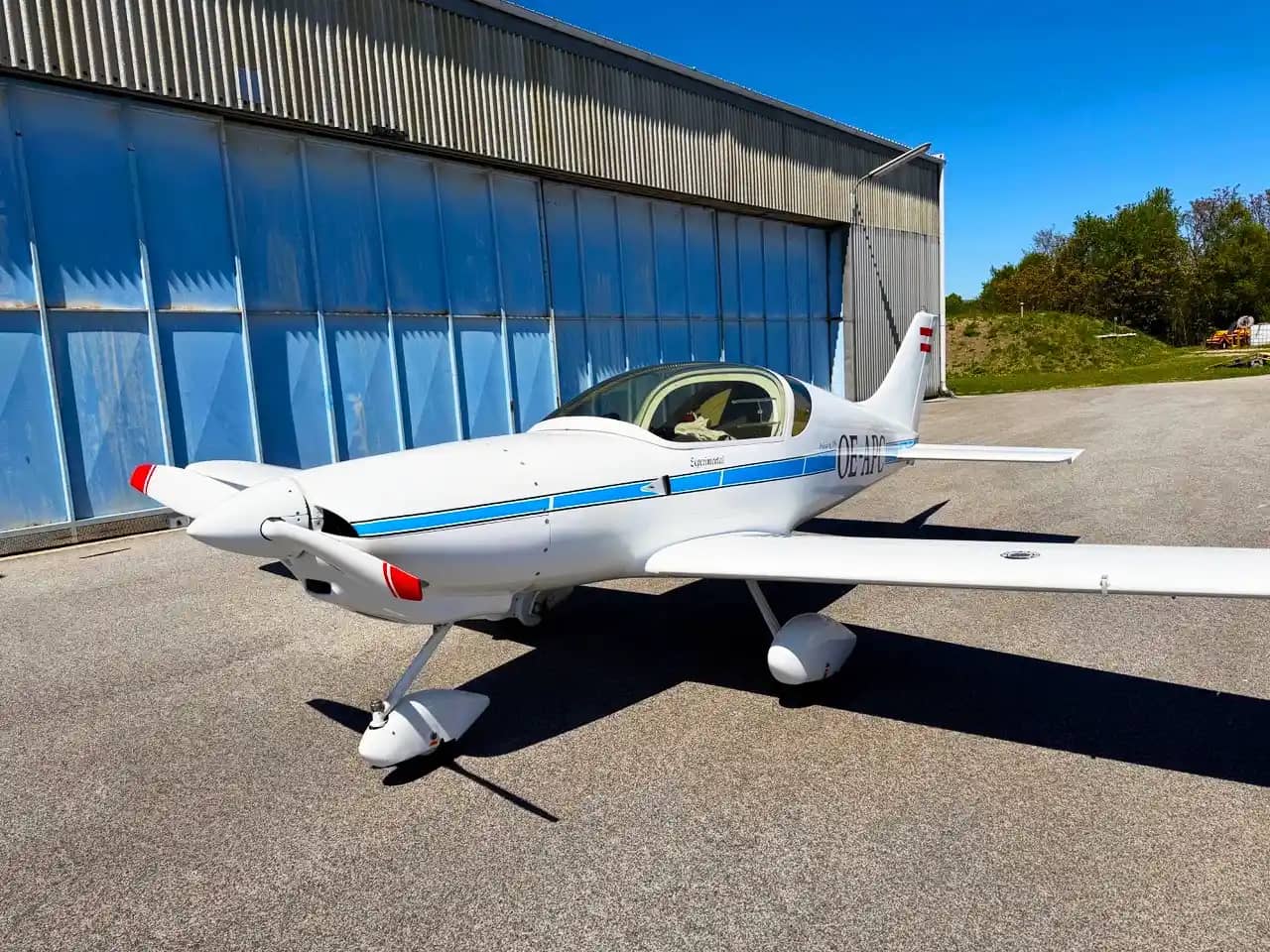
 Bad Vöslau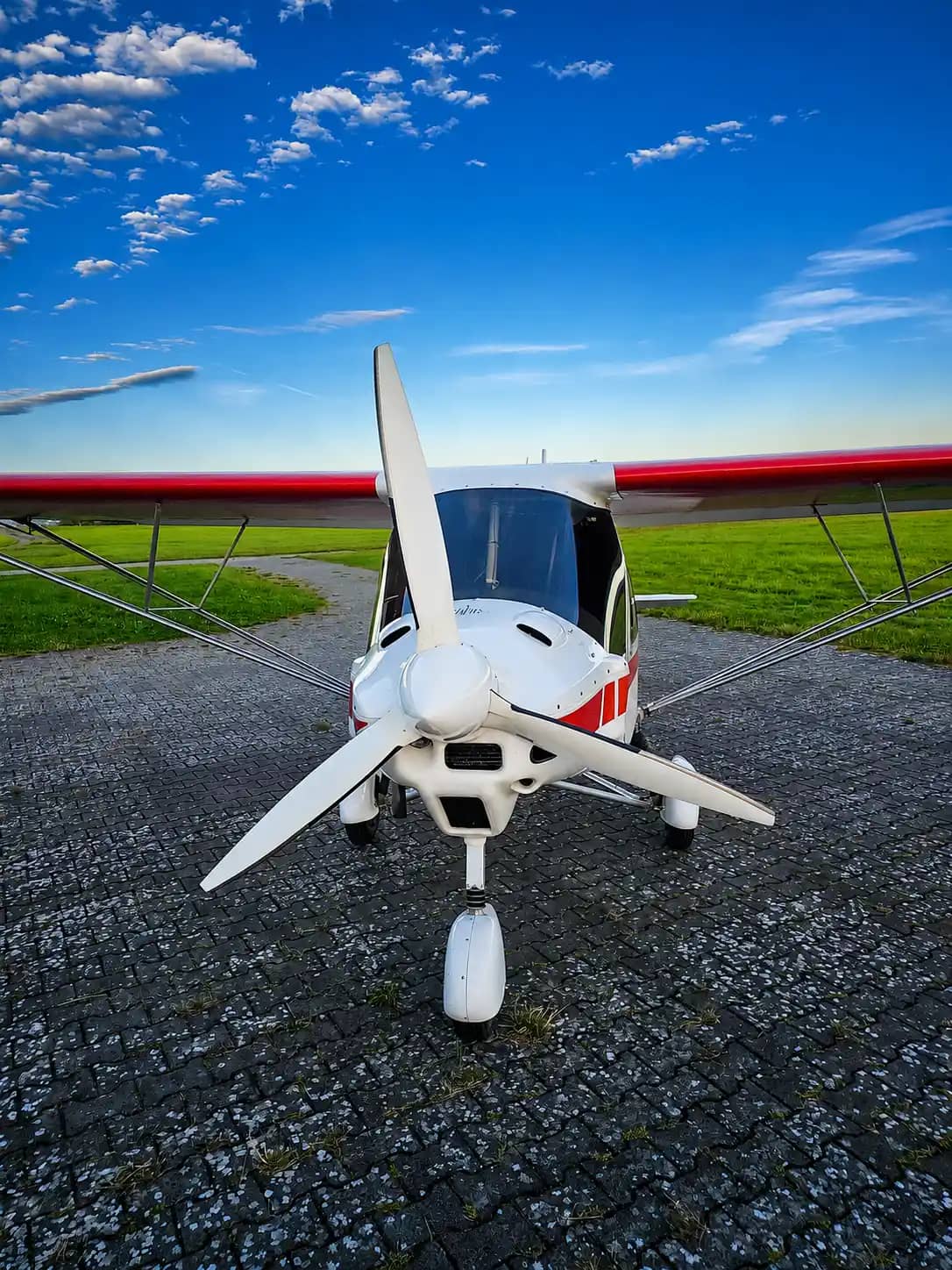
 Kirn
Kirn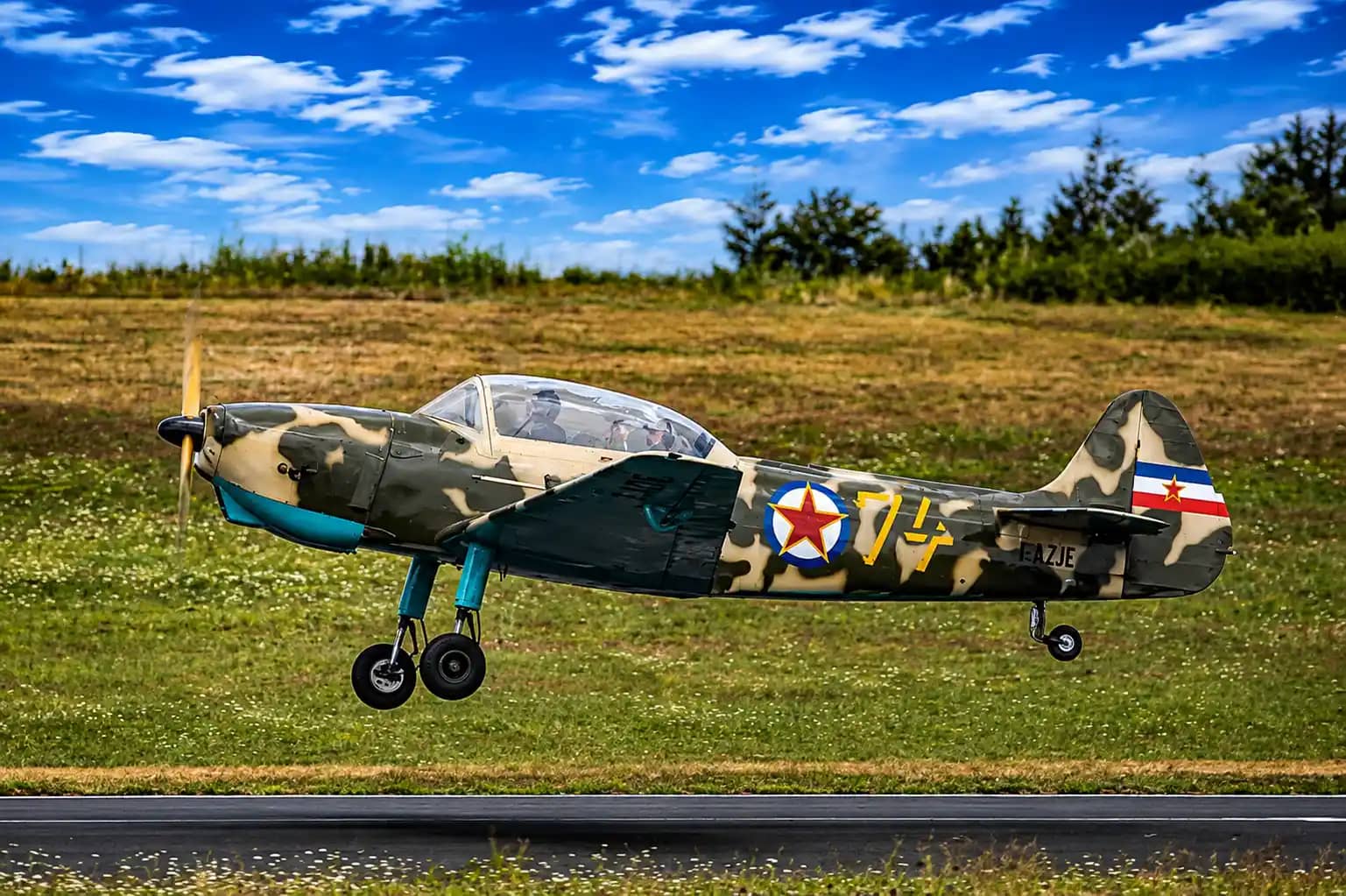
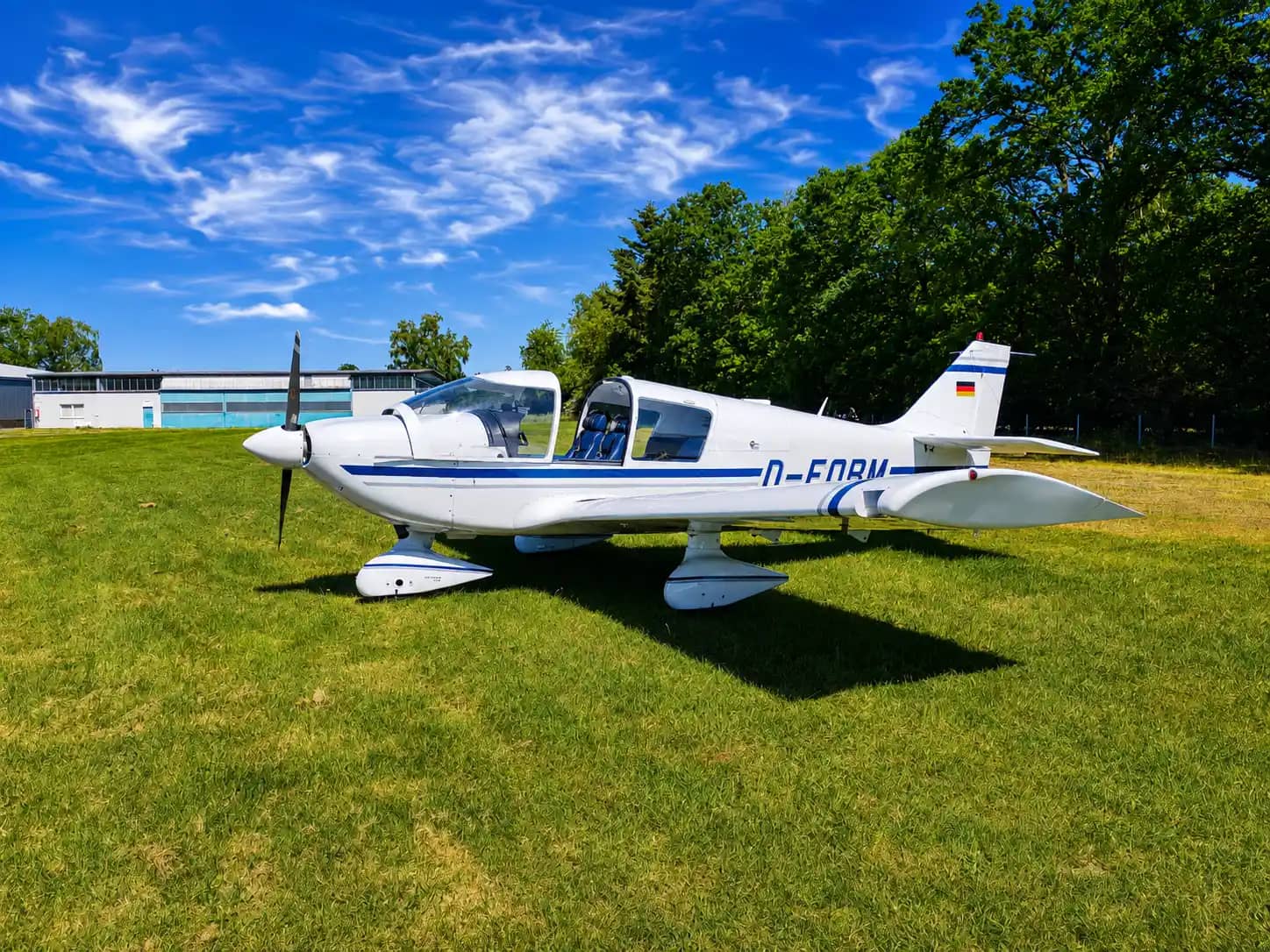
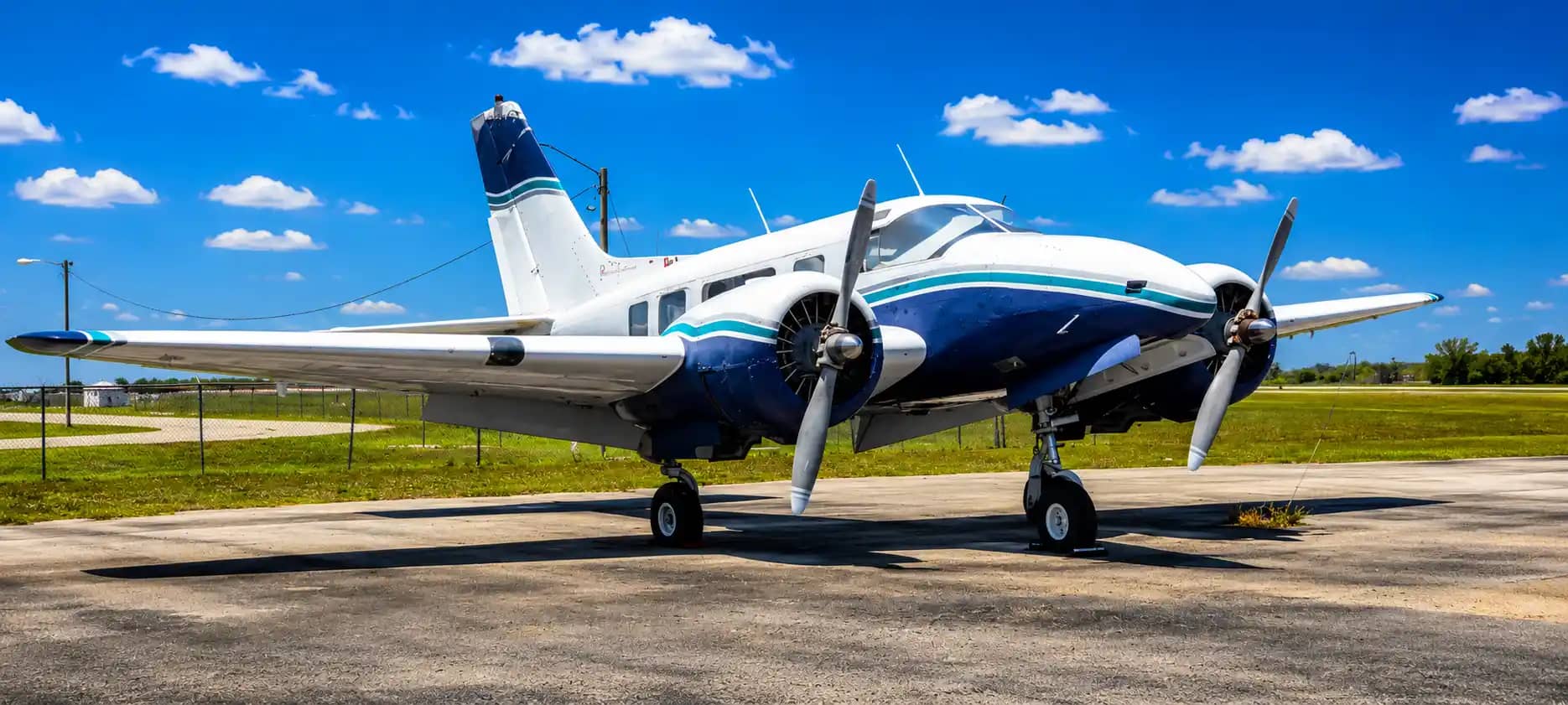
 Florida

The RV-12 vs Ikarus C42 comparison is more useful when treated as a mission and ownership decision rather than a search for one universally better aircraft. Both are two-seat, Rotax-powered light aircraft aimed at training, recreation and economical touring, but their layouts and ownership ecosystems are quite different.
The Van’s RV-12iS is an all-metal low-wing aircraft with removable wings and a strong kit-built and factory-built Light Sport background. The Ikarus C42 is a high-wing European ultralight family with extensive use in flight schools, clubs and private touring. The RV-12 generally offers higher cruise performance and more fuel capacity, while the C42 places greater emphasis on low weight, short-field capability and the established European ultralight environment.
For a buyer, the right choice depends on the individual aircraft’s certification, useful load, engine installation, maintenance history, local support and the type of flying that will actually be done.
RV-12 vs Ikarus C42: The Short Comparison
For a reasonably consistent technical comparison, the table below uses the current Van’s RV-12iS with the Rotax 912 iS and the Ikarus C42 C with the Rotax 912 iS as reference configurations. The C42 CS is also worth noting because it is the faster touring-oriented version of the C42 family.
| Item | Van’s RV-12iS | Ikarus C42 C |
|---|---|---|
| Wing layout | Low wing | High wing with struts |
| Construction | All-metal semi-monocoque airframe | Light tubular structure with fabric-covered flying surfaces and composite fairings |
| Seats | 2, side by side | 2, side by side |
| Reference engine | Rotax 912 iS Sport, 100 hp | Rotax 912 iS, 100 hp |
| Maximum weight reference | 1,320 lb / approx. 599 kg | 560 kg |
| Reference empty weight | Approx. 775 lb / 352 kg average | Approx. 291 kg with 912 iS |
| Approx. useful load from manufacturer reference | Approx. 545 lb / 247 kg before aircraft-specific variations | Approx. 269 kg |
| Fuel capacity | 20.2 US gal / approx. 76.5 L | 65 L |
| Baggage limit | 75 lb / 34 kg, subject to CG | Use aircraft-specific approved baggage and loading limits |
| Published cruise reference | Approx. 103 KTAS at 7,500 ft and 5,000 rpm with 912 iS | 89 kt at approx. 65% power with 912 iS |
| Typical published fuel flow | Approx. 3.8 US gph at 7,500 ft / 5,000 rpm | Approx. 12–14 L/h / 3.2–3.7 US gph in typical 912 iS cruise |
| Published range reference | Up to 547 nm at the stated 5,000 rpm reference condition* | Approx. 325 nm for C42 C |
| Landing gear | Fixed tricycle | Fixed tricycle |
| Wing storage feature | Quick-removable wings | Wing-folding arrangement exists on some earlier C42 configurations; check exact model |
*The manufacturers did not derive these figures under identical conditions. Van’s published range also excludes allowances for items such as taxi, take-off, climb, descent and reserve. Use the table for comparison and screening, not flight planning.
The first practical takeaway is clear: the RV-12iS has the stronger published cruise and range numbers in these representative configurations. The C42 C counters with a lighter airframe, a larger manufacturer-reference payload figure and notably short published take-off distances. Neither advantage automatically makes one aircraft the better purchase.
Airframe Layout: Low-Wing RV-12 vs High-Wing C42
The two designs do not share the same wing arrangement. This is one of the most important corrections to make when comparing them.
The RV-12iS is a low-wing aircraft. Its occupants sit side by side ahead of the main wing spar beneath a large canopy. Van’s uses a conventional all-metal fuselage with removable constant-chord wings attached to a central spar structure.
The Ikarus C42 is a high-wing aircraft supported by external wing struts. Its construction uses lightweight structural members, fabric-covered surfaces in several areas and composite or glass-fibre fairings.
That difference affects the everyday ownership experience. The RV-12 gives the pilot a broad canopy view and a low-wing cockpit feel. The C42’s high wing provides a different sight picture, particularly downward and laterally, and its doors and cabin arrangement can be attractive in frequent training or recreational use.
For buyers, neither wing layout should be treated as inherently superior. Sit in both aircraft, assess entry and exit, visibility in the circuit, access for passengers and the way each cockpit fits the intended flying.
Performance: Where the RV-12 and C42 Differ Most
The largest measurable difference between the two types is cross-country performance.
The current RV-12iS POH lists, with the Rotax 912 iS and wheel pants, a cruise reference of 103 KTAS at 7,500 ft and 5,000 rpm. At 5,500 rpm the detailed cruise table shows approximately 117 KTAS at 7,500 ft. Fuel flow at those conditions is approximately 3.8 and 4.8 US gallons per hour respectively.
The C42 C POH lists 89 kt at approximately 65% power with the Rotax 912 iS. The more aerodynamically refined C42 CS increases that reference to approximately 92 kt. Typical C42 912 iS cruise fuel consumption is listed at roughly 12–14 litres per hour.
That gives the RV-12 a meaningful speed advantage for longer trips. A pilot regularly flying two- or three-hour sectors may value that difference much more than an owner whose normal flight is a 45-minute local trip.
The C42’s advantage becomes more visible closer to the ground. With the 912 iS, its POH gives an approximate take-off roll of 112 m and about 244 m to clear a 15 m / 50 ft obstacle at sea level, 15°C and maximum take-off mass.
For the RV-12iS at 1,320 lb, Van’s performance tables at approximately 60°F / 16°C and sea level show a take-off ground roll of about 750 ft / 229 m and approximately 1,397 ft / 426 m over a 50 ft obstacle.
Those figures were generated under different test assumptions, including different runway surfaces, so they are not a direct contest. They do, however, illustrate the designs’ different priorities: the RV-12 is the faster cross-country aircraft in these configurations, while the C42 has particularly strong low-speed and short-field characteristics.
Range and Fuel Burn
Both aircraft can be economical compared with larger traditional general-aviation singles because 100 hp Rotax installations are common to both families.
With the 912 iS, Van’s publishes a 20.2 US gallon fuel capacity for the RV-12iS. At 7,500 ft and 5,000 rpm, the current POH shows approximately 103 KTAS and 3.8 US gallons per hour, with a published range reference of 547 nm.
The C42 C carries 65 litres of fuel in the current manufacturer configuration. Its POH lists typical 912 iS cruise fuel consumption of approximately 12–14 L/h and a maximum-range reference of about 325 nm. The C42 CS extends the manufacturer reference to approximately 380 nm.
The result is not simply “RV-12 uses more fuel.” At comparable touring settings, the two can have broadly similar fuel consumption, but the RV-12 converts that fuel into more cruise speed and carries a larger fuel supply. That is why its published cross-country range is stronger.
For a buyer flying mainly local missions, the difference may have little financial value. For regular touring, the combination of greater speed and more fuel becomes much more relevant.
Payload and Useful Load
Useful load is where brochure comparisons can become misleading.
The current RV-12iS POH gives an average empty weight of approximately 775 lb against a 1,320 lb maximum weight. On that reference aircraft, the nominal useful load is therefore around 545 lb, or approximately 247 kg. The actual licensed empty weight of each aircraft controls the real figure.
Van’s also limits baggage to 75 lb, subject to centre-of-gravity requirements. Its manufacturer example describes enough useful load for two 185 lb occupants, full fuel and 50 lb of baggage in a suitably equipped aircraft.
For the C42 C with the 912 iS, Comco publishes an empty-weight reference of 291 kg and a maximum take-off mass of 560 kg, producing a manufacturer-reference maximum payload of 269 kg. The C42 CS with the same engine is slightly heavier at approximately 294 kg and therefore has a lower reference payload of about 266 kg.
On paper, the C42 therefore has the stronger payload figure in these representative configurations. In practice, neither figure should be used to buy an aircraft without checking its current weighing report.
Avionics, upholstery, batteries, propellers, repairs and optional equipment all change empty weight. Compare the aircraft you are actually considering, not a factory example.
Cabin, Visibility and Everyday Practicality
The RV-12 and C42 both seat two people side by side, but they feel different in use.
The RV-12’s canopy and low wing create a more conventional sport-aircraft cockpit. Van’s places the seats ahead of the main wing spar and quotes a 43-inch cabin width for the current RV-12iS.
The C42 uses large side doors and a high-wing layout. That arrangement is popular in training and sightseeing because entry, outside reference and downward visibility can be convenient, although the exact impression is best judged in person.
The RV-12 also has an unusual storage advantage: its wings can be removed rapidly. Van’s states that two people can remove or reinstall them in less than five minutes, allowing trailer transport or more flexible hangar storage.
That feature matters only if the owner intends to use it. If both aircraft will live fully assembled in a conventional hangar, cabin access, baggage layout and local maintenance may matter more.
Training and Recreational Flying
Both aircraft can serve training and recreational roles where certification and local regulations allow, but the C42 has a particularly established flight-school presence in Europe. Comco itself lists flight training as a core application for the C42 C and C42 CS.
The C42’s high-wing configuration, low-speed handling environment and short-field performance can make it attractive for frequent circuits, grass-field operation and club flying.
The RV-12 is also used extensively for training, particularly in S-LSA form, and Van’s redesigned the RV-12iS landing-gear attachment with training operations in mind. Its glass-panel options and higher cruise speed can make it attractive to schools or owners wanting a stronger bridge between basic training and touring.
For a buyer focused primarily on repeated circuits and local instruction, the additional cruise performance of the RV-12 may not be worth paying for. For someone who wants one aircraft to train in and then travel with regularly, the RV-12’s touring performance becomes more useful.
Maintenance: Different Airframes, Similar Engines
Engine maintenance can be relatively familiar between the two types when both use Rotax 912-series engines. Airframe maintenance is where the comparison diverges.
RV-12 Maintenance
The RV-12iS is an all-metal riveted aircraft. On a used example, inspect rivet quality, skins, landing-gear attachment areas, removable-wing fittings, control systems, canopy hardware, fuel-system installation and electrical work.
Build provenance deserves extra attention if the aircraft was kit-built. Builder logs, photographs and construction records can be extremely useful. An attractive panel or low engine time does not compensate for questionable workmanship or poorly documented modifications.
Certification category also affects maintenance privileges. A factory-built S-LSA and an experimental aircraft can have different maintenance and modification rules.
C42 Maintenance
The C42 needs a different inspection approach. Its POH specifically calls for checks of the fabric covering, wing spar and strut connections, control linkages, glass-fibre fairings and airframe attachment points.
Fabric condition deserves particular attention. Look for tears, chafing, ultraviolet degradation and previous repairs. Structural tubes, struts, wing attachment hardware and landing gear should be examined for deformation, wear or evidence of hard landings.
For both aircraft, Rotax maintenance history should include the correct engine model, scheduled work, calendar-sensitive components, hoses, cooling-system condition, gearbox history where applicable and applicable service information.
Operating Cost: Which Is Cheaper to Own?
There is no responsible universal hourly-cost figure for either aircraft because hangarage, insurance, labour rates, certification category and annual utilisation vary widely. There are, however, some useful model-specific cost differences.
| Cost factor | RV-12 | Ikarus C42 |
|---|---|---|
| Fuel | Approx. 3.8 US gph at one representative 912 iS touring setting | Approx. 12–14 L/h / 3.2–3.7 US gph typical 912 iS cruise |
| Engine support | Rotax 912 network | Rotax 912 network |
| Airframe inspection | Metal structure, rivets, removable-wing fittings and build quality | Fabric, tubular structure, wing struts, attachments and composite fairings |
| Certification complexity | Can vary significantly between S-LSA, E-LSA and amateur-built examples | Often tied to national European ultralight rules |
| Potential age-related expense | Builder quality, avionics, electrical work and modification history | Fabric condition, rescue system, structural attachments and national compliance |
| Storage flexibility | Removable wings can reduce storage constraints for some owners | Conventional hangarage usually more relevant on later C42 C/CS examples |
Fuel expenditure can be quite close if both aircraft use a 912 iS and are operated economically. The ownership-cost difference is more likely to come from the airframe, certification category, insurance and condition of the individual aircraft.
A C42 with good fabric, strong records and nearby ultralight support can be extremely straightforward to own in Europe. An RV-12 with excellent build documentation, current maintenance and a strong local Van’s community can offer the same confidence in a different ownership framework.
Do not choose either aircraft on fuel burn alone.
Certification and Regulatory Differences
The regulatory side of this comparison can matter more than a 10-knot speed difference.
Van’s offers the RV-12iS through both kit-built and factory-built routes. In the United States, RV-12 aircraft may appear under S-LSA, E-LSA or amateur-built frameworks depending on the aircraft. Other countries can apply different acceptance and registration arrangements.
The Ikarus C42 is strongly associated with European national ultralight systems. Comco’s current C42 C lists LTF-UL 2019 and BCAR S approval references, but an older C42 or an aircraft registered in another country may operate under a different weight and regulatory basis.
Before comparing purchase prices, establish whether the aircraft can be registered and flown under the buyer’s licence in the intended country. Also determine who can maintain it, who can sign the required inspections and whether any modification or weight increase transfers with the aircraft.
Pre-Buy Inspection: What Is Different?
The basic pre-buy principles are the same, but the priorities are not identical.
| RV-12 priorities | Ikarus C42 priorities |
|---|---|
| Builder provenance where kit-built | Exact C42 variant and national approval |
| Rivet and skin workmanship | Fabric condition and repairs |
| Removable-wing attachment points | Wing spars, struts and attachment hardware |
| Landing-gear attachment and nose gear | Landing gear and shock-absorber condition |
| Fuel-system installation | Fuel tank, valve and system condition |
| Electrical and avionics installation quality | Glass-fibre fairings and structural tubes |
| Modification and builder records | Fabric, rescue-system and maintenance status |
| Current weight and balance | Current empty weight and approved MTOW |
On both types, inspect the engine and propeller records independently from the airframe. A low-time Rotax does not automatically mean low ownership risk if the aircraft has spent long periods inactive or has overdue calendar-based maintenance.
Current RV-12 and Ikarus C42 Examples on CollectAirs
For buyers who want to apply this comparison to actual aircraft, CollectAirs currently has examples of both types available.
The Van’s RV-12 currently listed on CollectAirs is a 2023 aircraft in Madrid. Its listing describes a Rotax 912 ULS, approximately 200 hours, Dynon SkyView HDX avionics and a single-owner history. Those details belong to that individual airframe and should not be treated as generic RV-12 specifications.
Buyers can also review the Ikarus Comco C42 currently listed on CollectAirs. That aircraft has its own weight approval, engine, fuel configuration, maintenance history and modifications, which should be compared against its actual documentation rather than against the standard C42 C figures above.
Looking at both live aircraft is useful because it shows why the model comparison is only the first step. The actual purchase decision comes down to the configuration, condition and records of the individual aircraft.
RV-12 or Ikarus C42: Which One Fits Your Mission?
The RV-12 is the stronger fit if your priorities are faster cross-country travel, greater published range, an all-metal airframe, removable wings and access to the Van’s owner and builder ecosystem.
The Ikarus C42 is the stronger fit if your priorities are a high-wing cockpit, strong European ultralight familiarity, short-field capability, a lighter airframe and local access to C42 instructors, clubs and maintenance support.
For frequent touring, the RV-12’s additional speed is meaningful. At representative published cruise conditions, it can travel materially faster than a C42 C without a dramatic increase in fuel flow.
For flight-school work, local recreation, grass strips and shorter trips, the C42’s low-speed and runway performance may matter more than cruise speed.
Payload does not automatically favour the faster aircraft. Manufacturer figures for a 560 kg C42 C with a 912 iS show more reference payload than the average-weight RV-12iS example, although the actual empty weight of the aircraft being purchased always decides the result.
The final choice should therefore be made in this order: regulatory eligibility, individual-aircraft condition, useful load, local maintenance support, mission fit and only then headline performance.
RV-12 vs Ikarus C42 FAQ
Is the Van’s RV-12 high-wing or low-wing?
The RV-12 and RV-12iS are low-wing aircraft. The Ikarus C42 is a high-wing aircraft. This is one of the fundamental design differences between the two types.
Which is faster, the RV-12 or Ikarus C42?
In the representative 100 hp configurations discussed here, the RV-12iS has the higher published cruise performance. Van’s detailed 912 iS performance data shows approximately 103 KTAS at 7,500 ft and 5,000 rpm, while the C42 C POH lists about 89 kt at approximately 65% power. The C42 CS increases that figure to around 92 kt.
Which has better range?
The RV-12iS has the stronger manufacturer-published range reference, helped by its 20.2 US gallon fuel capacity. Van’s lists up to 547 nm under a specified cruise condition, while Comco lists approximately 325 nm for the C42 C and 380 nm for the C42 CS with their 65-litre tanks. These are not identical test conditions and should not be used directly for flight planning.
Which uses less fuel?
Fuel consumption can be similar when both use a Rotax 912 iS. Van’s data shows about 3.8 US gph at one representative 7,500 ft cruise setting, while Comco lists approximately 12–14 L/h, or about 3.2–3.7 US gph, for typical C42 912 iS cruise. The RV-12 generally trades slightly higher consumption at faster settings for more speed.
Which has more useful load?
Using current manufacturer reference weights, the C42 C with a 912 iS has a published maximum payload of about 269 kg. The RV-12iS POH gives a 775 lb average empty weight and 1,320 lb gross weight, equivalent to a nominal useful load of approximately 247 kg. Actual aircraft can differ significantly, so use the current weight-and-balance report for any aircraft being considered.
Which is better for grass strips?
The C42 has particularly strong published short-field performance and is widely used from European grass airfields. That can make it attractive for this mission. The actual decision still depends on surface condition, tyre and propeller configuration, obstacles, density altitude and the aircraft’s approved operating data.
Which is better for touring?
The RV-12 generally offers the stronger touring performance because of its higher cruise speed and greater published range. The C42 can still be an effective touring aircraft where lower speed is acceptable and its high-wing layout, local support and ultralight operating framework suit the owner better.
Which is cheaper to own?
There is no universal answer. Fuel consumption can be close, especially with 912 iS engines. The larger ownership differences come from certification, insurance, storage, airframe condition and maintenance requirements. On an RV-12, build quality and experimental or S-LSA status may matter; on a C42, fabric condition, ultralight approval and local type support can have greater influence.
Sources & Further Reading
- Van’s Aircraft — RV-12iS Pilot’s Operating Handbook, current performance, weight, fuel and airframe data.
- Van’s Aircraft — RV-12iS official model information and construction documentation.
- COMCO IKARUS — C42 C Technical Data.
- COMCO IKARUS — C42 CS Technical Data.
- COMCO IKARUS — C42 C / C42 CS Pilot Operating Handbook.
- CollectAirs — Van’s RV-12 current aircraft listing.
- CollectAirs — Ikarus Comco C42 current aircraft listing.
Manufacturer figures above describe specific reference configurations and were not necessarily measured under identical conditions. Individual aircraft can differ because of version, engine, propeller, empty weight, modifications and national approval. Always use the approved documentation for the aircraft being evaluated.
Compare available two-seat light aircraft on CollectAirs and review each aircraft’s actual weight, engine configuration, maintenance records and operating status before deciding which platform better suits your mission.

Comments
No comments yet
Be the first to share your thoughts!