
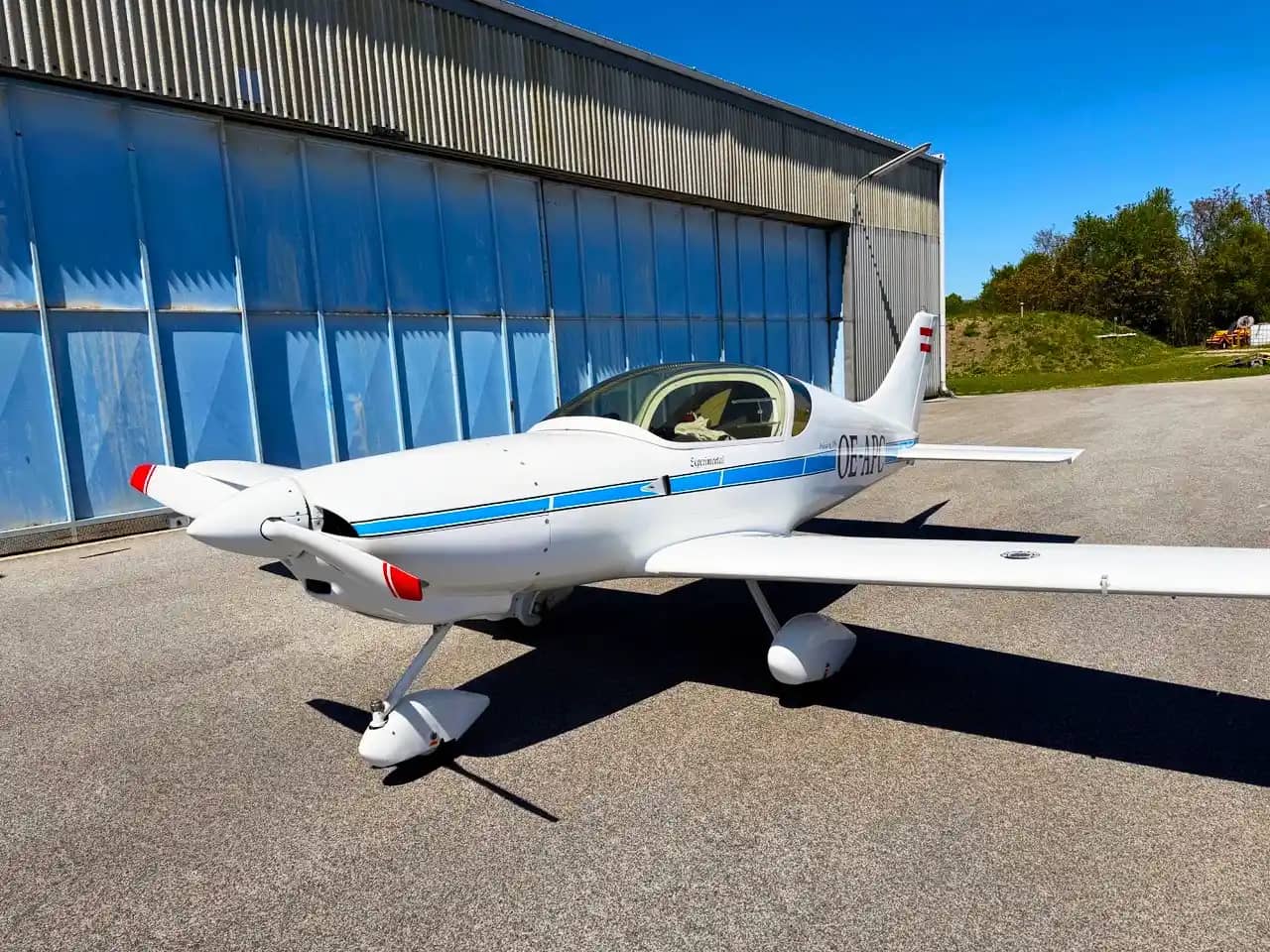
 Bad Vöslau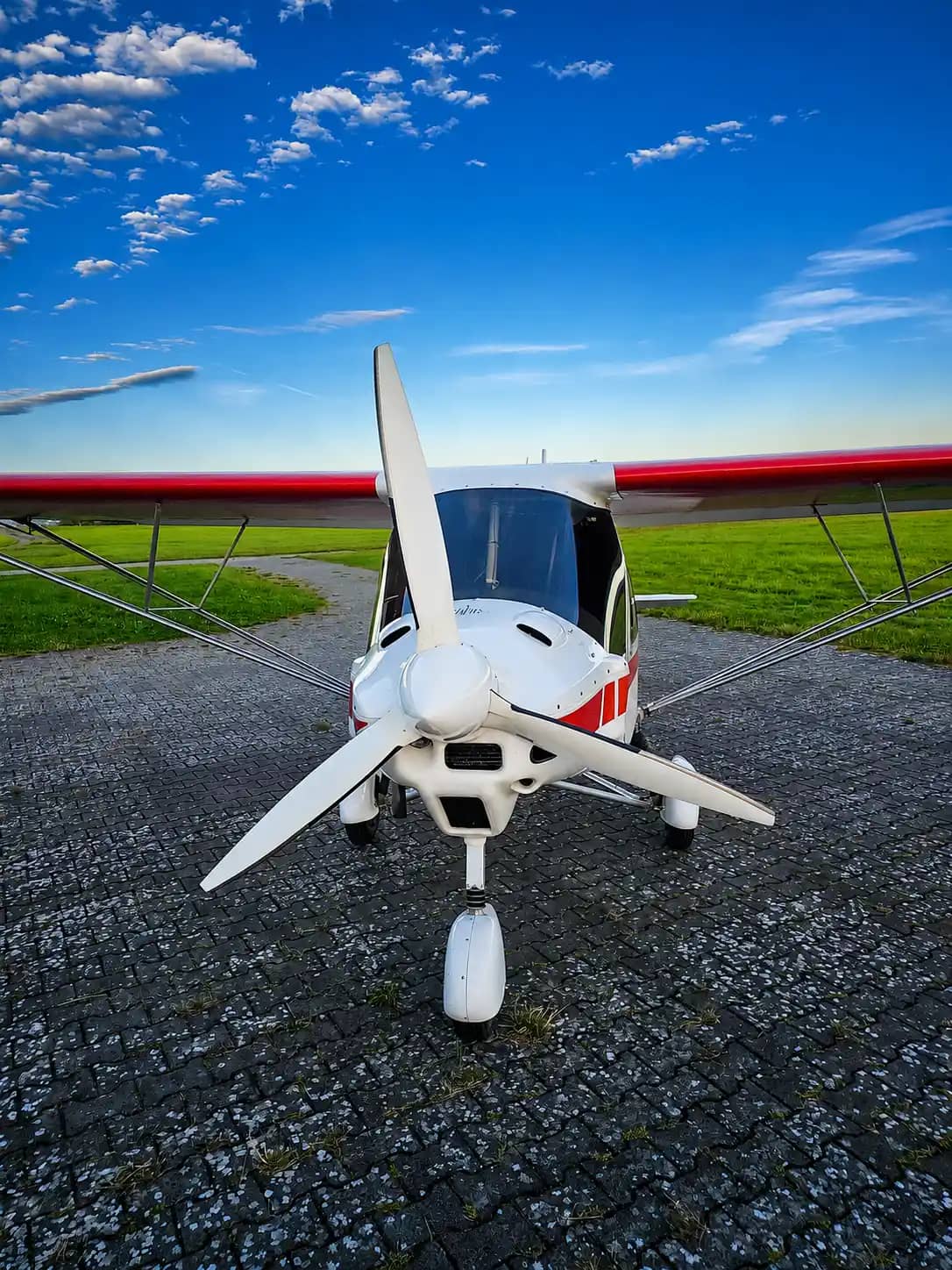
 Kirn
Kirn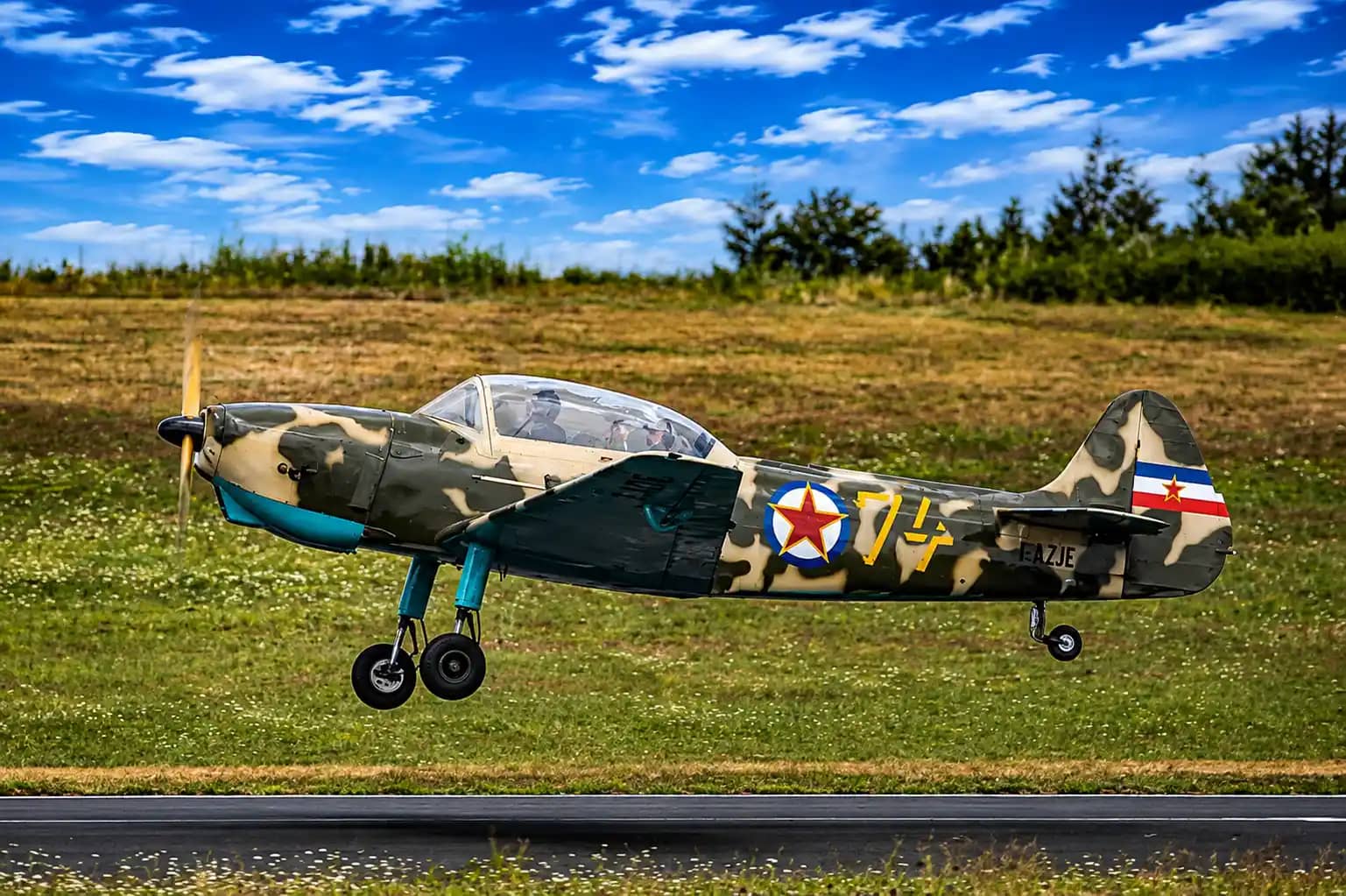
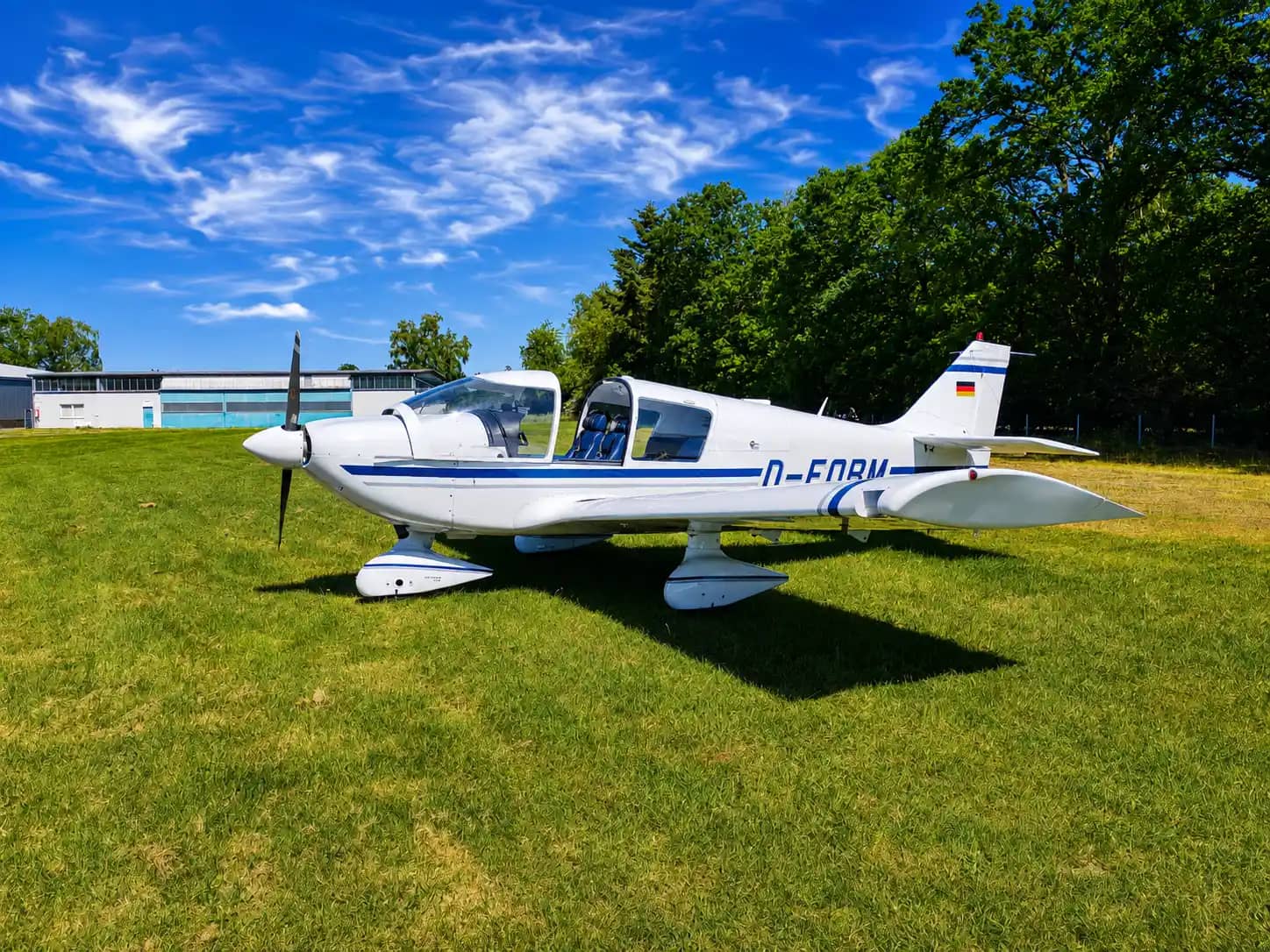
 Florida
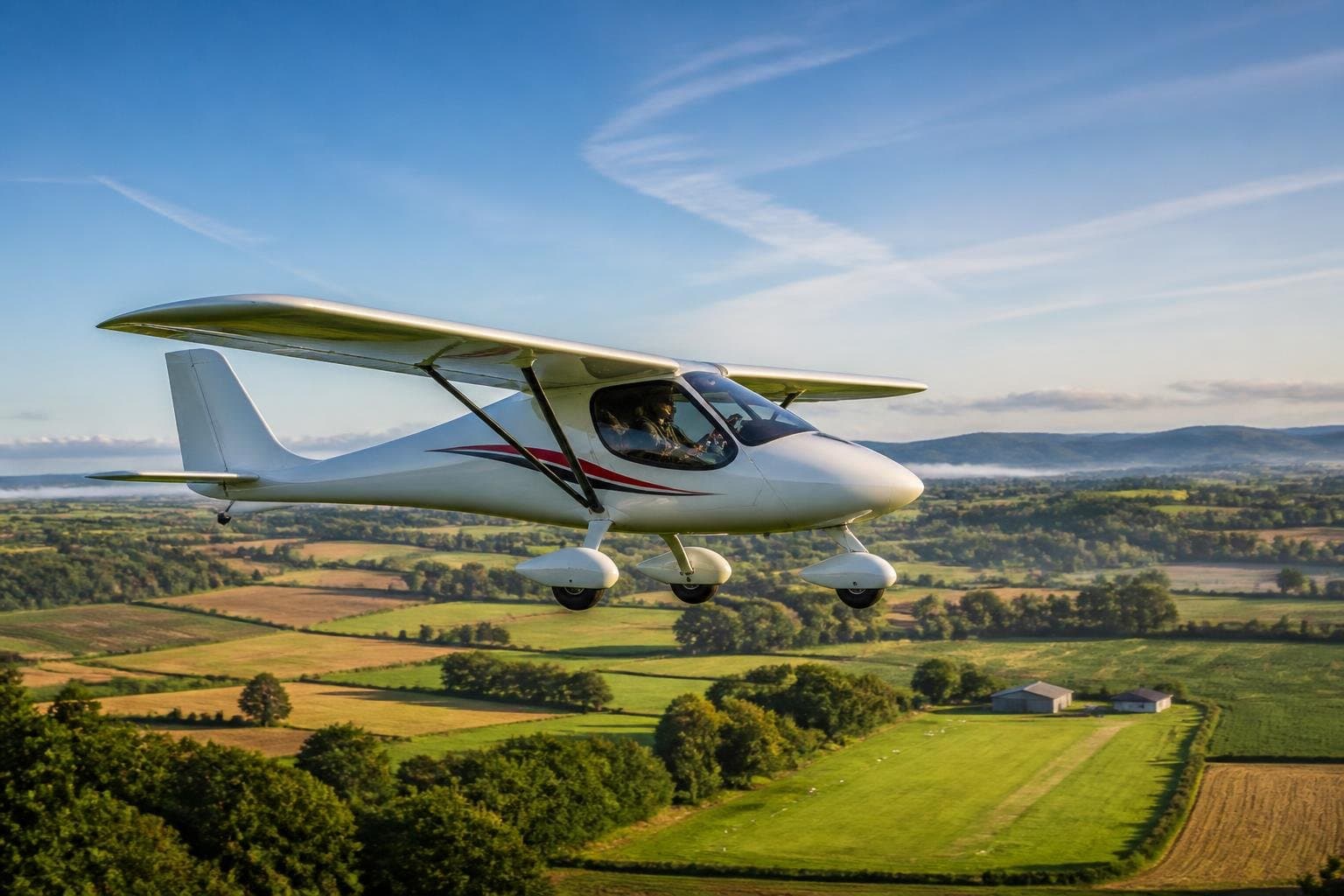
A 600 kg ultralight can combine low operating weight with useful two-seat touring capability, but the phrase is easy to misunderstand. There is no single Europe-wide “600 kg ultralight certificate.” The European legal framework allows certain aircraft to remain under national regulation, and each country can implement that opportunity differently.
For a buyer, that means a model advertised at 600 kg in Germany may not automatically qualify under the same category in France, Italy or another European state. The aircraft’s actual approval basis, approved MTOW, current empty weight and intended state of registration matter more than the number printed in a sales advertisement.
This guide explains the European legal framework, shows how selected national systems differ, provides a practical useful-load worksheet and outlines the documentation and pre-buy checks to complete before purchasing.
What Does “600 kg Ultralight” Actually Mean?
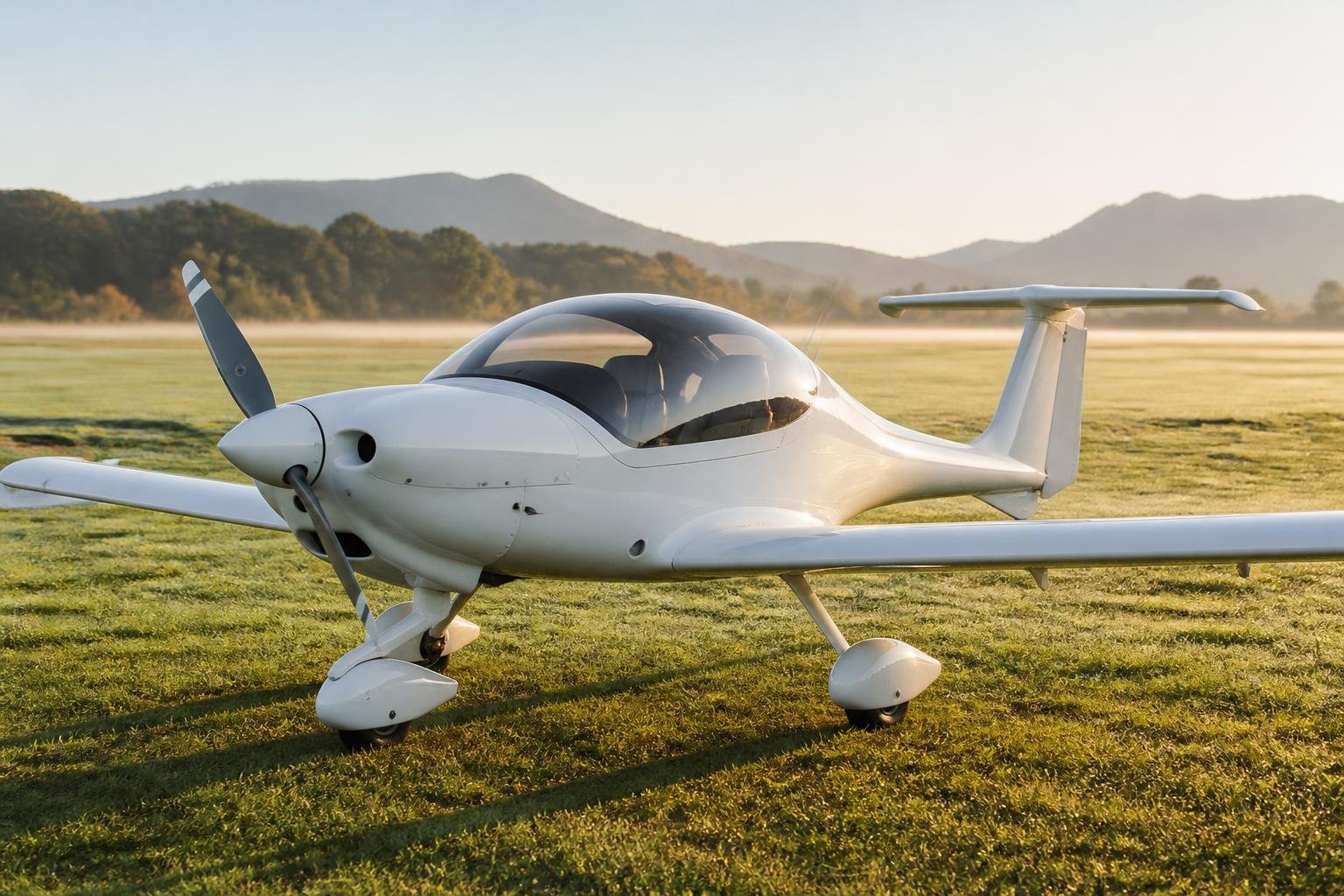
The key distinction is between design capability and legal approval.
An aircraft manufacturer may design an airframe capable of operating at 600 kg MTOW. That does not automatically make every example of that model a 600 kg ultralight. One aircraft may be approved under a national ultralight system, another may operate at a lower national weight limit, and another version of essentially the same design may fall under an EASA certification route instead.
Before comparing performance or price, establish:
- The aircraft’s current state of registry.
- Its legal category.
- The exact approved MTOW shown in its current documentation.
- The approval or certification basis.
- Whether that approval can be accepted in the country where you intend to register it.
Buyer takeaway: “600 kg” describes a weight threshold. It does not by itself establish whether an aircraft is legally an ultralight, microlight or EASA-certified light aircraft.
The EU Legal Basis: Regulation (EU) 2018/1139 Article 2(8)

The regulatory mechanism behind many modern 600 kg national ultralight frameworks is Article 2(8) of Regulation (EU) 2018/1139.
Article 2(8) allows an EU Member State to decide that certain aircraft remain outside the main EASA regulatory framework for design, production, maintenance and operation.
For a land aeroplane, the relevant criteria include:
- No more than two seats.
- A measurable stall speed or minimum steady flight speed in landing configuration not exceeding 45 knots CAS.
- A maximum take-off mass recorded by the Member State of no more than 600 kg.
For aircraft intended for operation on water, the Article 2(8) ceiling can be up to 650 kg.
The important word is “may.” A Member State can use this opt-out mechanism, but it does not have to adopt the full 600 kg limit or implement the same national approval system as another country.
That is why “600 kg ultralight in Europe” is not one regulatory category.
Official legal text: Regulation (EU) 2018/1139, Article 2(8).
600 kg Ultralight Rules: Selected European Markets
The table below illustrates why national verification is essential. It is a buyer-oriented overview, not a substitute for current national rules.
| Market | Practical position | Buyer implication |
|---|---|---|
| Germany | Germany operates a national UL approval system with aircraft approved up to 600 kg. The DAeC approval database includes multiple 600 kg UL types under the German LTF-UL framework. | Check the exact Gerätekennblatt, approved MTOW and whether the individual aircraft has been approved at the higher weight. |
| France | France did not simply create a universal 600 kg two-seat ULM class. Official French guidance shows a 500 kg base limit for relevant two-seat ULM classes, with additional allowances such as 25 kg for a recovery parachute and 45 kg for water operation where applicable. | A foreign 600 kg aircraft should not be assumed to qualify as a French ULM at 600 kg. |
| Italy | ENAC formally notified use of the Article 2(8) opt-out for aircraft in the 450–600 kg range, with the updated exemption taking effect from September 30, 2021. | Verify the aircraft’s exact Italian VDS or other national acceptance route rather than relying only on its foreign 600 kg approval. |
| United Kingdom | The UK is no longer an EU Member State, but it is a useful nearby-market comparison. Current CAA rules define qualifying microlight landplanes up to 600 kg and amphibian/floatplanes up to 650 kg. | A UK microlight status does not automatically establish acceptance under an EU national UL system after import. |
Germany: the DAeC Luftsportgeräte-Büro publishes national type-approval records, including aircraft explicitly listed at 600 kg. The current database also shows how variants within one model family can carry different approved weights. For example, later C42 C and C42 CS approvals are shown at 560 kg rather than 600 kg.
German approval information: DAeC Luftsportgeräte-Büro — Musterzulassungen.
France: DGAC guidance demonstrates particularly clearly why the 600 kg figure is not universal. The national ULM system uses different mass limits and allowances depending on class and equipment.
French official guidance: DGAC — ULM regulatory framework.
Italy: ENAC has published its formal Article 2(8) opt-out notification relating to aircraft between 450 and 600 kg.
Italian official guidance: ENAC — Article 2(8) opt-out notification.
United Kingdom: the current CAA definition can be reviewed at UK CAA — Microlights.
Buyer takeaway: a foreign registration document showing 600 kg is evidence about that aircraft’s current approval. It is not proof that another country will register it in the same category or at the same weight.
MTOW, Empty Weight and Useful Load
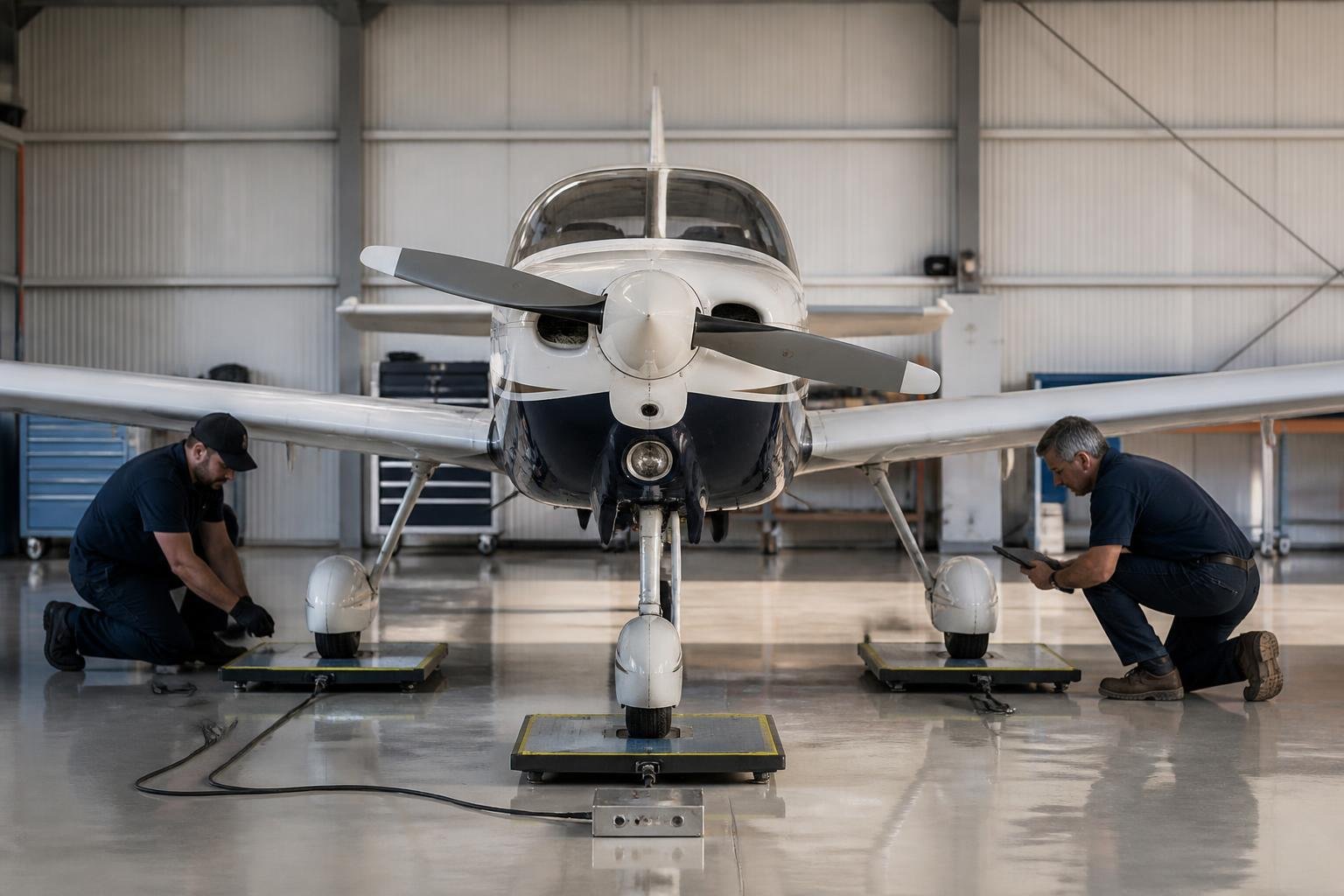
Maximum take-off mass (MTOW) is the maximum permitted mass at take-off under the aircraft’s approved documentation. It is not the amount the aircraft can carry.
The first calculation a buyer should make is:
Useful load = approved MTOW − current measured empty weight
That useful load must then accommodate occupants, usable fuel, baggage and other carried equipment.
For example:
| Example | Mass |
|---|---|
| Approved MTOW | 600 kg |
| Measured empty weight | 360 kg |
| Useful load | 240 kg |
| Planned fuel mass | 70 kg |
| Remaining for occupants and baggage | 170 kg |
This is why the number “600 kg” can sound more useful than it actually is. A highly equipped aircraft may carry considerably more avionics, interior trim, autopilot hardware, recovery-system equipment and other options than a basic factory example.
The current weighing report matters more than a brochure empty weight.
600 kg Ultralight Buyer Worksheet
Complete this worksheet for every aircraft you seriously consider.
| Buyer check | Aircraft being evaluated |
|---|---|
| Current country of registration | __________ |
| Current legal category | __________ |
| Approved MTOW | __________ kg |
| Current measured empty weight | __________ kg |
| Calculated useful load | __________ kg |
| Pilot + passenger | __________ kg |
| Planned fuel | __________ L / __________ kg |
| Baggage and carried equipment | __________ kg |
| Remaining weight margin | __________ kg |
| Intended registration country | __________ |
| Same approval basis accepted there? | Yes / No / Not yet confirmed |
| Import or re-registration path confirmed? | Yes / No |
| Local maintenance support confirmed? | Yes / No |
If the aircraft fails the worksheet on legal eligibility or practical loading, there is little value in continuing to compare cruise speed or avionics.
Real-World Payload: Why Equipment Matters
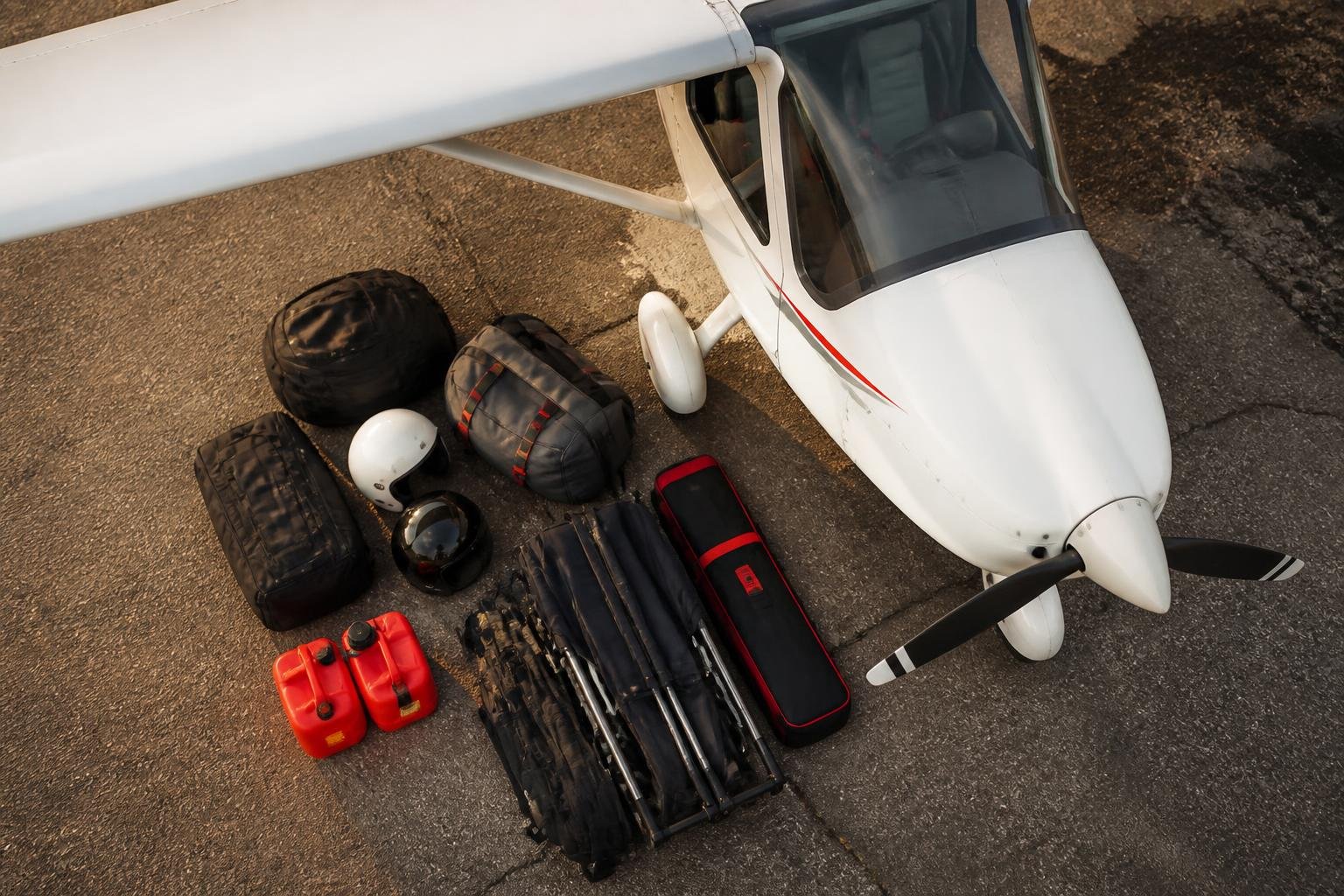
Two aircraft with the same approved MTOW can have very different usable payloads.
Common weight additions include:
- Glass-panel avionics.
- Autopilot servos.
- Additional radios or transponders.
- Ballistic recovery systems.
- Cabin trim and upholstery.
- Wheel fairings.
- Lighting systems.
- Larger batteries.
- Repairs and repainting.
- Modified fuel systems.
Touring buyers should calculate a realistic trip using the actual weights of both occupants, baggage and the fuel reserve they intend to carry.
An aircraft with a 600 kg MTOW but a high equipped empty weight may offer less useful two-person touring capability than a lighter aircraft approved at a lower MTOW.
A 600 kg Aircraft Is Not Necessarily an Ultralight
This distinction is important enough to illustrate with real marketplace examples.
The 2020 Flight Design CTLSi 600 Grand Touring currently listed on CollectAirs has a 600 kg weight basis, but the listing identifies the aircraft as an EASA-certified CTLSi-ELA registered in Germany. It is therefore not being presented as a German microlight simply because the number 600 kg appears in its specifications.
By contrast, the Ikarus Comco C42 currently available on CollectAirs is a German light aircraft example with a documented 540 kg approved MTOW. Its listing includes the MTOW approval documentation and illustrates how an individual aircraft’s national approval can differ from the latest factory model specification.
Buyer takeaway: read the approval documents first and the marketing description second.
Choosing a 600 kg Ultralight for Your Mission
Once legal eligibility and useful load have been confirmed, compare the aircraft against the mission you will genuinely fly.
| Mission | What matters most |
|---|---|
| Local recreation | Handling, visibility, low operating burden, local maintenance and sensible fuel capacity. |
| Training | Instructor/student payload, landing-cycle durability, insurance, parts support and easy maintenance access. |
| Two-person touring | Actual useful load, cabin comfort, baggage allowance, fuel capacity, cruise performance and weather flexibility. |
| Grass-strip flying | Take-off and landing performance, tyre and gear suitability, propeller clearance and realistic soft-field margins. |
| Cross-border ownership | Registration acceptance, licence privileges, insurance territory and documentation quality. |
For a model-specific example of how useful load, engine configuration and national approval interact, see the Ikarus C42 Buyer's Guide.
If comparing modern touring-oriented aircraft, the Flight Design CTLSi 600 Buyer's Guide explains why aircraft-specific weight and approval basis matter even within one model family.
Airframe, Engine and Equipment Checks
Construction type changes the inspection priorities.
| Construction | Buyer inspection focus |
|---|---|
| Composite | Impact history, structural repairs, bonding, surface abnormalities and documented repair methods. |
| Metal | Corrosion, cracking, fasteners, repairs, drainage and areas exposed to moisture. |
| Tube and fabric | Tube condition, corrosion, fabric integrity, attachment points, UV exposure and repair/re-covering history. |
Engine records should be reviewed with equal care. Confirm total time, calendar age, maintenance intervals, overhaul status where applicable, service information and storage history.
For aircraft using the Rotax 912 iS, the Rotax 912 iS Maintenance Buyer's Guide covers TBO, scheduled inspections, fuel injection, diagnostics and electrical-system considerations in more detail.
Avionics should be assessed for both functionality and supportability. A large display is not automatically valuable if its software, databases or replacement parts are difficult to support.
If a ballistic recovery system is installed, verify its approval, service status, repack or replacement date and inclusion in the current weight-and-balance documentation.
Pre-Buy Checklist for a Used 600 kg Ultralight
A pre-buy inspection should combine technical condition with regulatory due diligence.
- ☐ Verify the aircraft identity and serial number.
- ☐ Confirm current registration and legal category.
- ☐ Confirm the exact approved MTOW.
- ☐ Obtain the latest measured weight-and-balance report.
- ☐ Check that installed equipment matches the equipment list.
- ☐ Review airframe, engine and propeller logbooks.
- ☐ Review recovery-system status where fitted.
- ☐ Identify damage and previous repairs.
- ☐ Confirm modifications are supported by appropriate documentation.
- ☐ Check recurring inspections and service-information compliance.
- ☐ Inspect landing gear, controls, brakes and fuel-system condition.
- ☐ Verify engine and propeller status.
- ☐ Review avionics and electrical-system condition.
- ☐ Confirm the intended country will accept the aircraft’s approval pathway.
- ☐ Obtain insurance indications before committing funds.
- ☐ Use an independent, type-aware pre-buy inspector.
For a more detailed technical framework, use the CollectAirs Aircraft Pre-Buy Inspection Checklist.
Buying a 600 kg Ultralight Across European Borders
Cross-border purchase risk is concentrated in five areas:
1. Eligibility
Ask the receiving authority or recognised national body whether the exact aircraft model, approval basis and configuration can be accepted before signing an unconditional purchase agreement.
2. Deregistration and New Registration
Establish the required sequence. An aircraft should not be deregistered without understanding what documentation the new registry needs to accept it.
3. Technical Documentation
Request:
- Registration certificate.
- National approval or permit documentation.
- Flight manual and operating limitations.
- Current weight-and-balance report.
- Equipment list.
- Maintenance records.
- Modification and repair approvals.
4. Tax and Import Position
VAT, customs and proof of Union/free-circulation status depend on the aircraft, seller, buyer and countries involved. Do not treat a seller’s informal “VAT paid” statement as sufficient evidence.
5. Insurance and Delivery
Confirm coverage for the aircraft category, pilot privileges, territory, ferry flight or road transport and the moment responsibility transfers between seller and buyer.
For a full transaction sequence, see Buying an Aircraft Across EU Borders: A Practical Buyer Checklist.
Common 600 kg Ultralight Buying Mistakes
- Assuming 600 kg is an EU-wide ultralight standard.
- Assuming a model approved at 600 kg somewhere is approved at 600 kg everywhere.
- Using factory empty weight instead of the individual aircraft’s measured weight.
- Ignoring fuel mass when comparing payload.
- Paying a deposit before confirming registration eligibility.
- Assuming an EASA-certified 600 kg aircraft is automatically an ultralight.
- Assuming a foreign UL licence or operating privilege transfers automatically.
- Ignoring modifications when evaluating national acceptance.
- Buying based on cruise speed before confirming practical two-person payload.
- Treating a recent annual inspection as a substitute for a buyer-directed pre-buy.
Ownership Costs Beyond Purchase Price
A lightweight aircraft can still produce significant ownership costs. Budget for:
- Insurance.
- Hangarage or storage.
- Annual or national inspection requirements.
- Engine maintenance.
- Propeller maintenance.
- Tyres and brakes.
- Batteries and electrical components.
- Flexible hoses and fuel-system components.
- Recovery-system service where installed.
- Avionics lifecycle costs.
- Registration or permit fees.
- Import and re-registration work.
A cheaper aircraft with uncertain approval, poor documentation or weak local support can quickly become more expensive than a better-documented example with a higher purchase price.
600 kg Ultralight Buyer Decision Framework
| Finding | Interpretation | Next step |
|---|---|---|
| Aircraft is accepted in your intended national category | Regulatory pathway appears viable | Continue technical due diligence |
| Foreign approval exists but local acceptance is unclear | Registration risk remains | Confirm with receiving authority before deposit |
| Useful load supports your real mission | Aircraft may fit operational needs | Check CG, runway performance and maintenance support |
| Useful load works only with major fuel or baggage compromise | The headline MTOW is not translating into practical utility | Compare a lighter-equipped example or another model |
| Weight-and-balance report is outdated | Actual useful load is uncertain | Resolve weighing/documentation before purchase |
| Modifications are poorly documented | Technical and registration risk increase | Obtain specialist regulatory and engineering review |
| Records and national approval are clear | Lower documentation uncertainty | Proceed to independent pre-buy inspection |
Final Takeaway
The most important fact about a 600 kg ultralight in Europe is that the number alone does not determine the aircraft’s legal category.
Article 2(8) of Regulation (EU) 2018/1139 allows Member States to keep qualifying aircraft of up to 600 kg for land operation within national regulatory systems, but countries have implemented that opportunity differently.
For a buyer, the correct sequence is:
- Confirm the aircraft’s current legal category.
- Confirm its approved MTOW.
- Confirm that your intended country will accept the aircraft and approval route.
- Calculate useful load using the current measured empty weight.
- Check the aircraft against your real mission.
- Review maintenance and modification records.
- Complete an independent pre-buy inspection.
Want to compare a real European ultralight? Review the Ikarus Comco C42 currently available on CollectAirs and check its documented MTOW, long-range fuel configuration, maintenance records and approval information against the buyer worksheet above.
You can then compare it with aircraft such as the Flight Design CTLSi 600 Grand Touring to see why two aircraft associated with similar weight figures can belong to very different regulatory categories.
Sources & Further Reading
- EUR-Lex — Regulation (EU) 2018/1139, Article 2(8)
- DAeC Luftsportgeräte-Büro — German UL Type Approvals
- French DGAC — ULM Regulatory Guidance
- ENAC — Italian Article 2(8) Opt-Out Notification
- UK CAA — Microlight Definition
- CollectAirs — Ikarus C42 Buyer's Guide
- CollectAirs — Aircraft Pre-Buy Inspection Checklist
- CollectAirs — Buying an Aircraft Across EU Borders
- CollectAirs — Rotax 912 iS Maintenance Buyer's Guide
- CollectAirs — Ikarus Comco C42
- CollectAirs — Flight Design CTLSi 600 Grand Touring
Regulatory note: national ultralight and microlight rules can change. Verify the current requirements directly with the relevant authority or delegated national organisation before relying on a weight limit, licence privilege, registration pathway or import assumption.
Comments
No comments yet
Be the first to share your thoughts!