
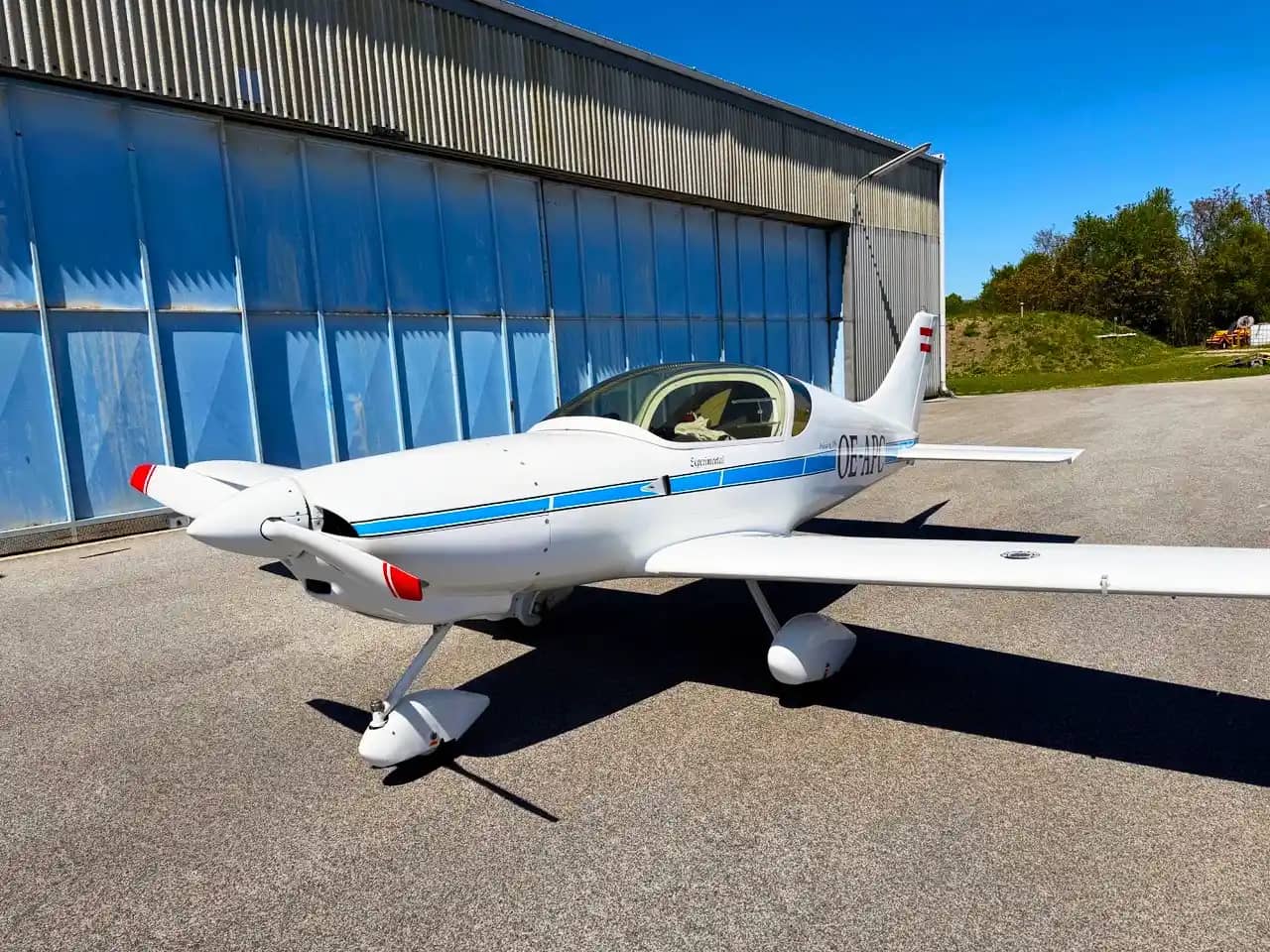
 Bad Vöslau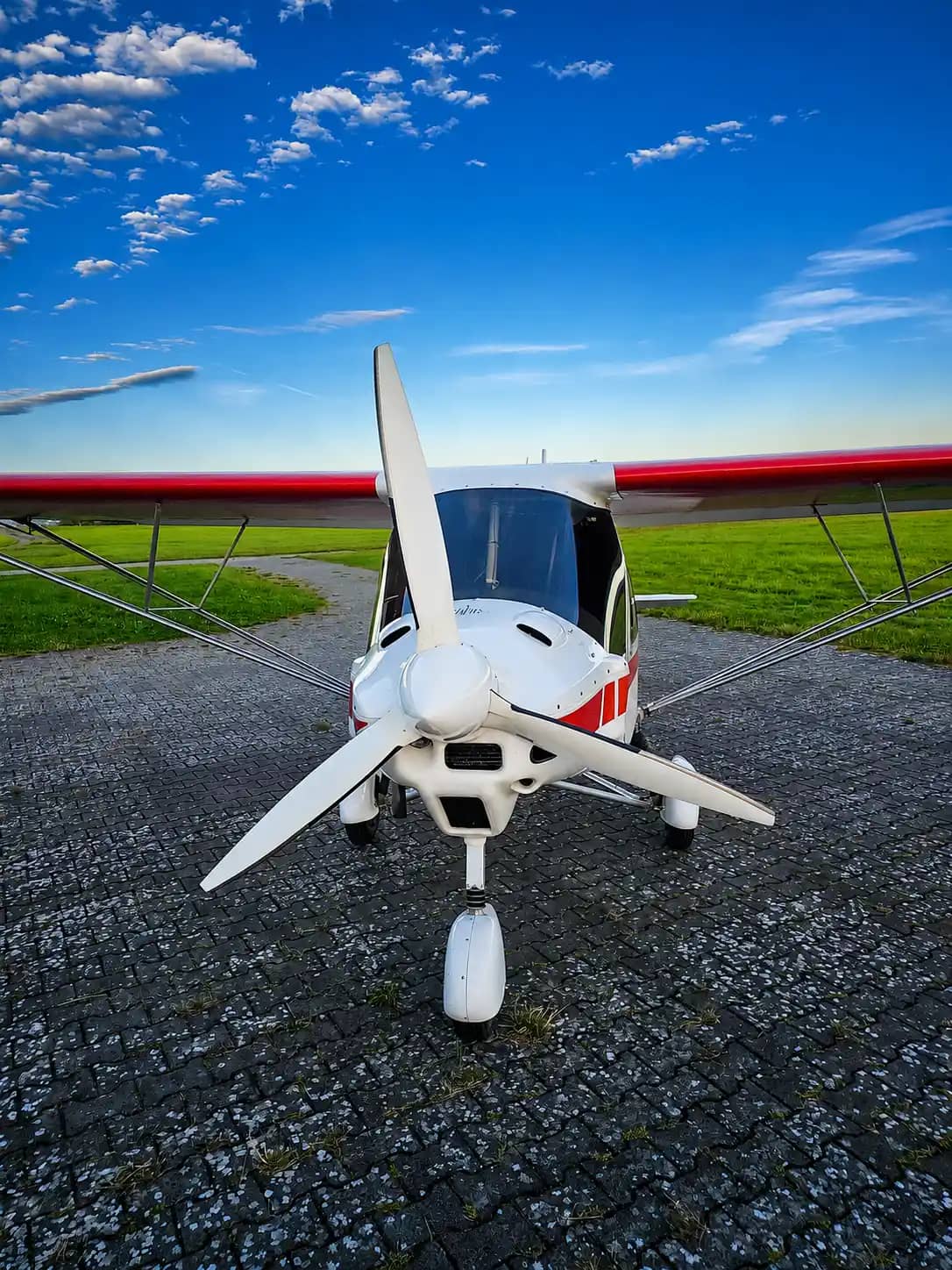
 Kirn
Kirn
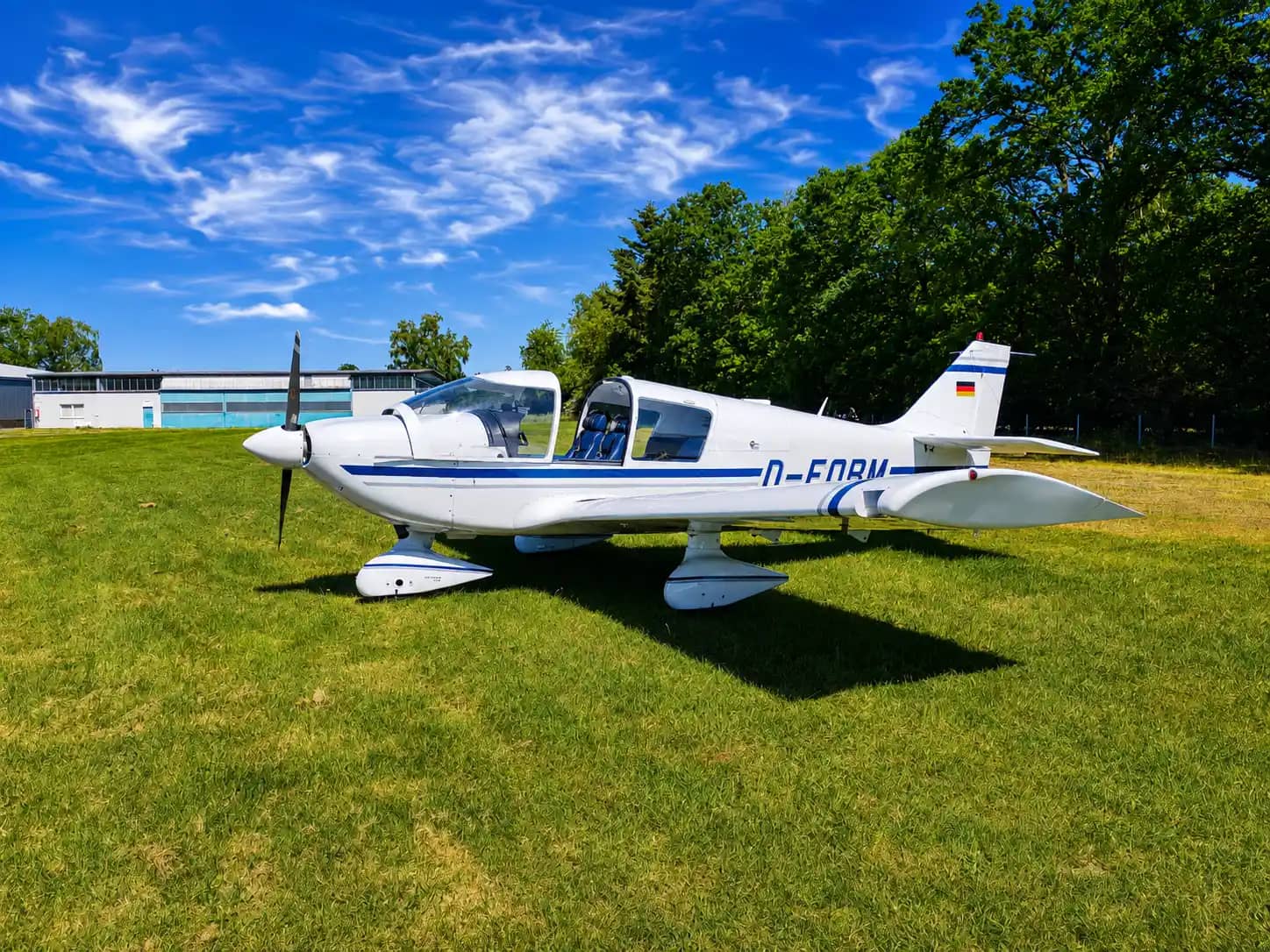
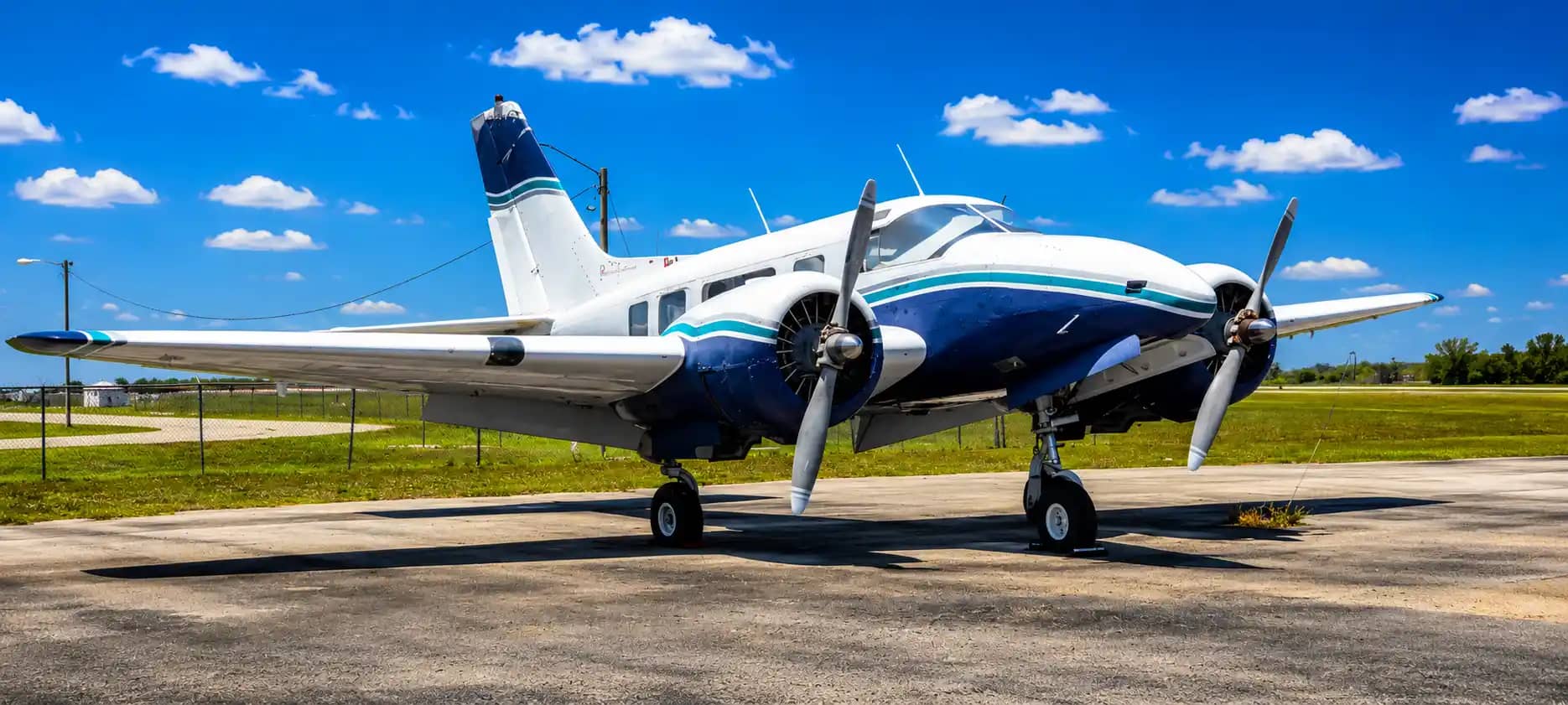
 Florida
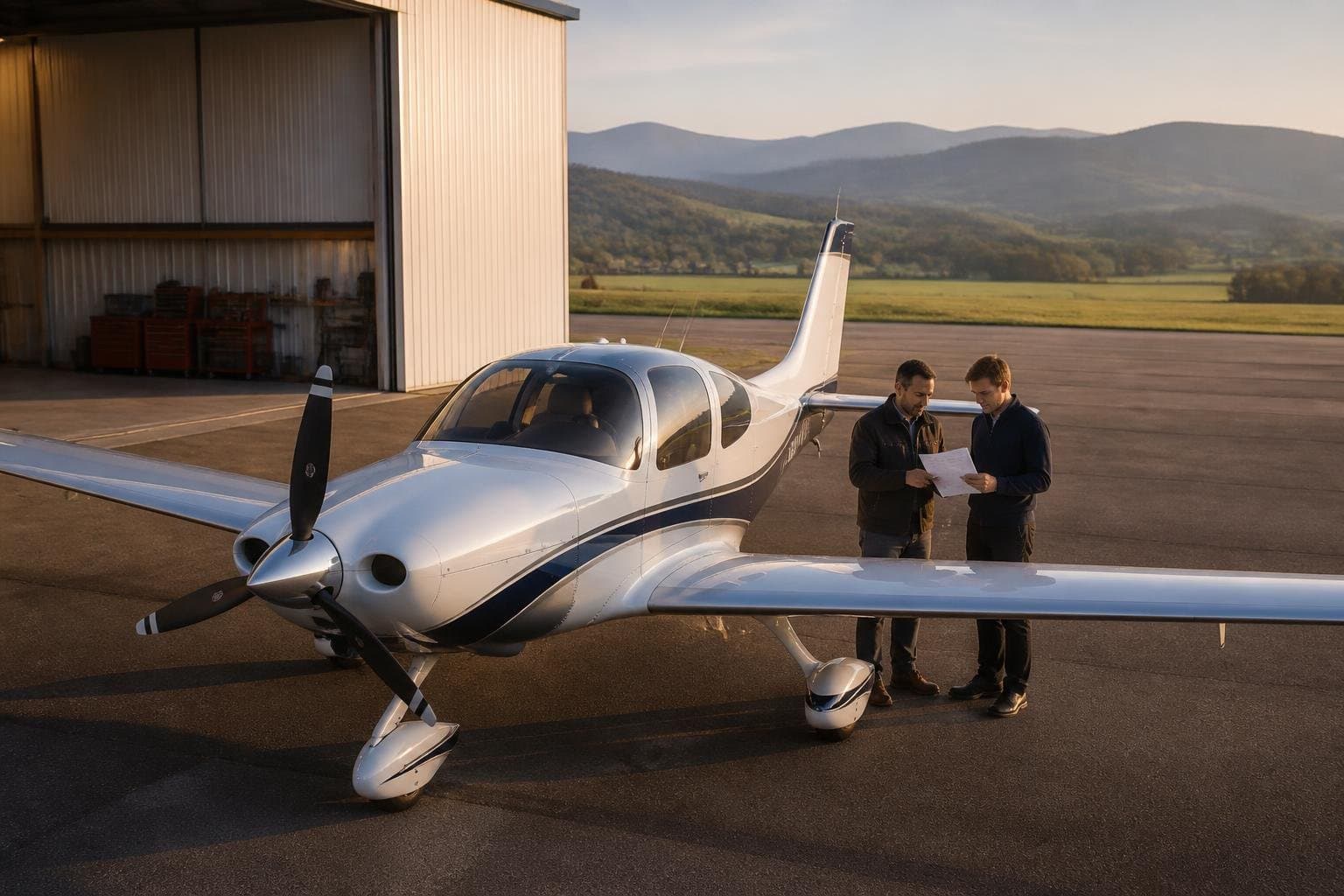
Last reviewed: September 2026. Registration, VAT, customs and airworthiness requirements can change and depend on the countries and transaction involved.
Buying an aircraft in Europe is rarely just a matter of agreeing a price and collecting the keys. A cross-border purchase can involve technical due diligence, ownership and title checks, VAT and customs status, registration, insurance and delivery—sometimes across several different jurisdictions.
The aircraft may be registered in one country, physically located in another, owned by a company in a third and intended to operate from somewhere else entirely. The safest approach is to establish that structure before making a deposit non-refundable or moving the aircraft.
This guide sets out a practical European aircraft purchase process, from the first document review through registration and delivery. It is a transaction framework rather than country-specific legal or tax advice; the final requirements should always be confirmed for the actual aircraft, buyer, seller and states involved.
Buying an Aircraft in Europe: A Six-Step Process
| Stage | What to establish | Who may help |
|---|---|---|
| 1. Pre-offer | Aircraft identity, current registration, location, ownership, VAT/customs status and intended operating base | Buyer, registry adviser, tax adviser |
| 2. Conditional agreement | Price, deposit, inspection rights, title condition, included equipment and delivery terms | Aviation lawyer or experienced transaction adviser |
| 3. Due diligence | Technical condition, logbooks, title, liens or security interests, tax evidence and modification records | Independent inspector, lawyer, tax adviser |
| 4. Closing | Bill of sale, payment, title releases, invoice, records handover and risk transfer | Buyer, seller, escrow provider where appropriate |
| 5. Registration and airworthiness | Deregistration where required, new registration, Certificate of Airworthiness and ARC status | National aviation authority, CAMO/CAO or relevant airworthiness professional |
| 6. Delivery | Insurance, ferry authority, pilot qualifications, customs procedures and route planning | Insurer, ferry pilot, customs adviser |
Getting this sequence right matters. Resolving a tax or registration problem before closing is normally easier than resolving it after the aircraft has changed ownership and moved to another country.
Start With Registration, Location and Operating Base
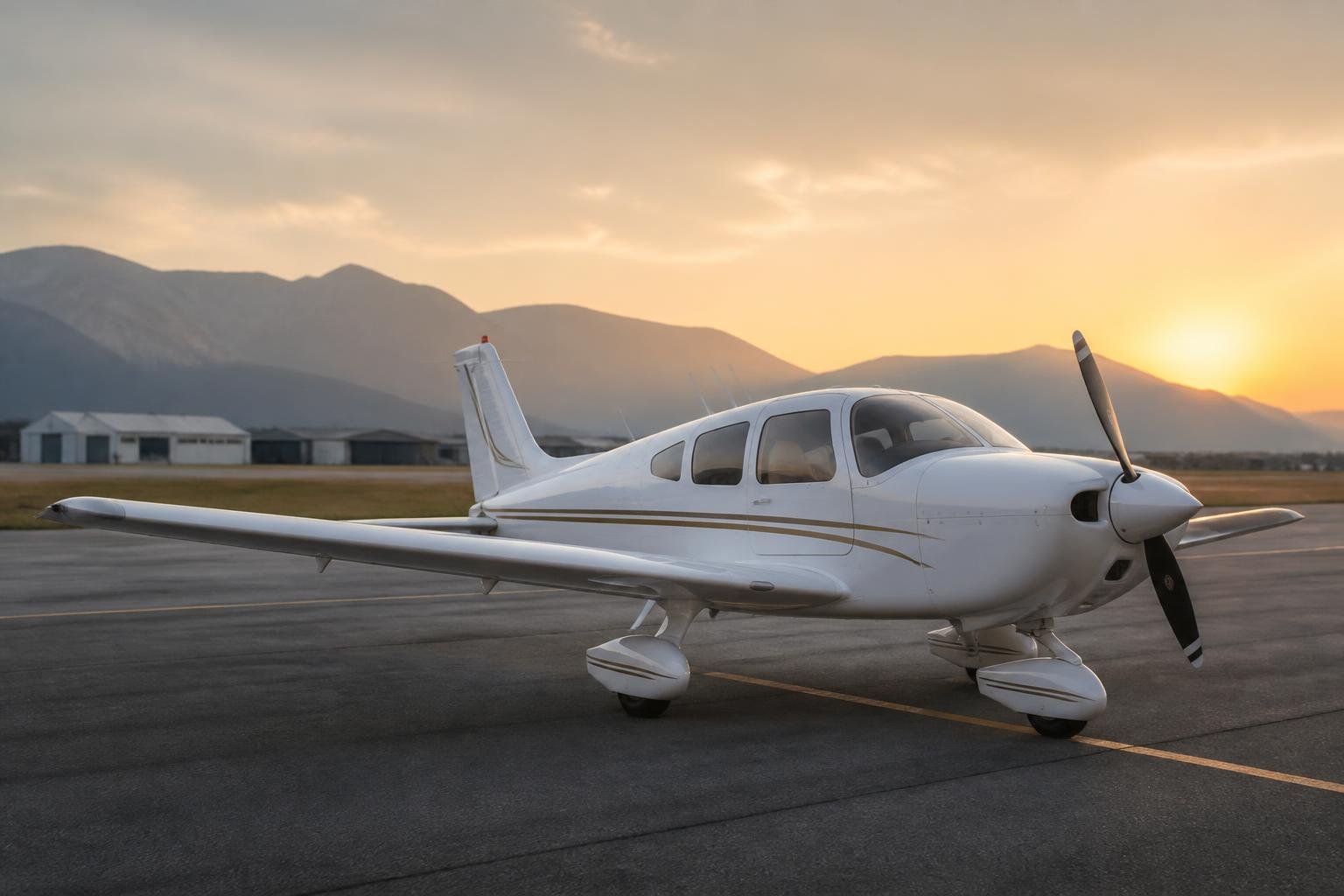
Before comparing paperwork in detail, establish five basic facts:
- Where is the aircraft physically located?
- Who is the legal seller?
- Where is it currently registered?
- Where will it normally be based after purchase?
- On which national register does the buyer intend to place it?
These questions influence the order of almost everything that follows. Aircraft registration remains a national responsibility; EASA does not operate a single European aircraft register.
The planned home base is also part of the buying decision. Check hangarage, runway suitability, fuel availability, local maintenance capability and insurance before acquiring an aircraft that may be difficult or expensive to support locally.
Ownership structure should reflect reality. Private ownership, co-ownership, company ownership and leasing arrangements can all be legitimate, but they may create different tax, accounting, registry and operational-control consequences. Do not choose a structure simply because it is assumed to provide a particular tax result.
Registration Transfer Within the EU
EASA creates a common framework for airworthiness across EU Member States, but registration itself remains national.
Under the current continuing-airworthiness rules, when an aircraft registration is transferred from one EU Member State to another, the applicant first informs the former Member State where the aircraft will be registered and then applies to the new Member State for a new Certificate of Airworthiness.
A useful point for buyers is that the existing Airworthiness Review Certificate, or ARC, generally remains valid until its expiry when registration is transferred within the Union. The owner or operator should ensure that the competent authority in the new Member State has entered the new registration on the existing ARC and validated the change where required.
This can make an intra-EU transfer considerably different from importing an aircraft from a third country.
The receiving authority may still require ownership evidence, the former Certificate of Airworthiness, registration documents, identification information and other national application material. Check the exact list before closing so that original documents are not released or surrendered prematurely.
Importing an Aircraft From Outside the EU
An aircraft arriving from the United Kingdom, United States, Switzerland or another non-EU regulatory environment requires a different airworthiness and customs analysis from a normal transfer between EU Member States.
For a used aircraft imported onto an EU Member State register from a third country, EASA rules require an application for a new Certificate of Airworthiness and an airworthiness review under the applicable continuing-airworthiness framework. The receiving authority will also expect historical records sufficient to establish the aircraft’s production, modification and maintenance standard.
Depending on the regulatory route, relevant material can include:
- Previous registration and deregistration evidence.
- Airworthiness-status information from the former State of Registry.
- Airframe, engine and propeller records.
- Modification and repair documentation.
- Current weight-and-balance information.
- Applicable flight manual and supplements.
Do not assume that a valid foreign airworthiness certificate automatically converts into an EU certificate.
What About an Export Certificate of Airworthiness?
An EASA Export Certificate of Airworthiness is not the standard document for transferring registration between two EU Member States.
EASA uses Form 27 for Export Certificates of Airworthiness, principally where an aircraft is exported to a state whose bilateral or similar arrangements with the EU call for that document.
For an intra-EU registration transfer, the normal route instead centres on the former Certificate of Airworthiness, a valid ARC and the application to the new Member State for its Certificate of Airworthiness.
For an export outside the EU or an import from a third country, confirm the exact documentary requirements with the receiving authority before agreeing the closing and delivery sequence.
VAT, Customs and Free-Circulation Status

VAT can be one of the largest financial variables in a European aircraft purchase, but there is no single VAT answer that applies to every sale.
The analysis depends on matters including:
- Whether the buyer and seller are private individuals or taxable businesses.
- The countries in which they are established.
- Where the aircraft is located and where it will move.
- Whether the aircraft is already in EU free circulation.
- Whether the transaction is domestic, intra-EU or an import.
- Whether a special VAT scheme applies.
- The intended business or private use.
EU customs rules describe goods in free circulation as goods that have completed the applicable import formalities and been released into EU customs territory. For an aircraft previously imported from outside the EU, evidence of this status can therefore be commercially important.
Do not rely solely on an advertisement saying “VAT paid.” Ask what documents support that statement. Depending on the aircraft’s history, useful evidence may include invoices, customs declarations, import documents and records of prior transactions.
Intra-EU Aircraft Transactions
Intra-EU VAT treatment depends heavily on who is buying and selling and how the transaction is structured. For taxable businesses, cross-border acquisitions of goods can fall under the intra-EU acquisition rules, with VAT generally accounted for in the destination Member State under the applicable system.
Private transactions and transactions involving dealers can produce different outcomes.
The EU VAT Directive also contains special rules for new means of transport. For VAT purposes, the special aircraft definition applies to aircraft above the relevant take-off-weight threshold and, where applicable, considers factors such as time since first entry into service and flight hours. This is a specialised area and should be checked against the actual aircraft rather than assumed from the word “new” in a listing.
Second-Hand and Margin-Scheme Transactions
EU VAT rules include a margin scheme for qualifying second-hand-goods transactions. Where a dealer legitimately applies such a scheme, VAT is treated differently from a conventional VAT invoice and input-VAT recovery may also differ.
The presence of the words “margin scheme” or similar wording on an advertisement should therefore prompt a review of the actual invoice structure with a tax adviser.
Aircraft Imported From Outside the EU
Importation into the EU is generally a taxable event for VAT purposes. Customs formalities also determine when non-Union goods are released for free circulation.
Import duty, tariff classification, origin, VAT, customs relief and the Member State of importation can all affect the result. Civil-aircraft customs treatment can involve specific provisions, so the duty position should be checked rather than guessed from the aircraft’s purchase price or registration.
Complete the customs and VAT analysis before the aircraft is moved across the external EU border.
Confirm Ownership, Title and Authority to Sell
A good pre-buy inspection does not solve an ownership problem.
Establish who legally owns the aircraft and whether the person signing the purchase agreement has authority to sell it. This is particularly important where the registered owner is a company, estate, trust, partnership or group of co-owners.
Reconcile the aircraft serial number, registration history, seller name and available bills of sale. If financing or security interests may exist, determine which national or international records should be searched and what releases will be needed for closing.
The appropriate title search depends on the aircraft, registration, owner and jurisdictions involved. For higher-value or cross-border transactions, an aviation lawyer can determine which searches are appropriate rather than relying only on a registration certificate.
Escrow can be useful where payment, title documents and deregistration must happen in a controlled sequence. Written escrow instructions should define the documents and conditions required before funds are released.
Aircraft Documentation Checklist

Request electronic copies early enough to review them before travelling, while identifying which originals will be required at closing or by the receiving authority.
| Document group | What to review |
|---|---|
| Identity and ownership | Registration certificate, bills of sale, seller authority and previous deregistration documents where relevant |
| Airworthiness | Certificate of Airworthiness or Permit to Fly, ARC status and applicable operating limitations |
| Technical records | Airframe, engine and propeller logbooks, maintenance releases, component status and maintenance programme |
| Configuration | Flight manual, supplements, equipment list, modifications, repairs and current weight and balance |
| Operational documents | Noise certificate, radio documentation and other documents applicable to the aircraft and intended operation |
| Tax and customs | Invoices, VAT evidence, import declarations and supporting customs records |
Look for continuity rather than merely volume. A thick records folder can still contain unexplained time gaps, missing component histories or modifications that do not match the aircraft.
The flight manual and supplements should correspond to the installed equipment. Significant avionics, engine, propeller, fuel-system or structural changes should have the documentation required by the applicable approval basis.
Technical Due Diligence and the Pre-Buy Inspection
A current Certificate of Airworthiness or ARC is not a substitute for an independent buyer’s inspection. Regulatory documents establish a particular regulatory status; a pre-buy asks a different question: what is the aircraft likely to require after purchase?
Select an inspector who understands the specific aircraft type, engine and construction method. Review the records first so that the physical inspection can target known risks.
A useful pre-buy scope can include:
- Logbook continuity and total-time reconciliation.
- Damage and repair history.
- Corrosion or composite-condition inspection as appropriate.
- Applicable Airworthiness Directive status.
- Relevant manufacturer service information.
- Engine condition and overhaul history.
- Propeller and governor status.
- Landing gear and brake condition.
- Fuel-system condition.
- Avionics operation and approval documentation.
- Time- and calendar-limited components.
- Current weight-and-balance accuracy.
Ask the inspector to separate findings into immediate concerns, regulatory or airworthiness items, near-term maintenance and cosmetic observations. That makes the report far more useful when deciding whether to proceed or renegotiate.
Purchase Agreement, Deposit and Closing Conditions
The purchase agreement should turn the due-diligence process into defined conditions rather than vague expectations.
Identify the aircraft by manufacturer, model, serial number and registration. List important installed equipment and any loose items included in the sale, such as covers, tools, spare parts or manuals.
The agreement should address:
- Deposit amount and refund conditions.
- Pre-buy access and inspection deadline.
- Title and ownership condition.
- Material documentation requirements.
- Known damage or defects.
- Who pays for agreed corrective work.
- Closing location and date.
- Risk-of-loss transfer.
- Delivery responsibilities.
- What happens if a condition is not satisfied.
A phrase such as “subject to inspection” is less useful than a contract explaining who performs the inspection, when it must occur and what options the buyer has after receiving the report.
Closing Checklist
By closing, the technical inspection, title position, tax structure and registration plan should already be understood.
A typical closing pack may include, as applicable:
- Executed bill of sale.
- Purchase invoice.
- Acceptance or delivery certificate.
- Required title or security releases.
- Deregistration application or completed deregistration evidence.
- Corporate authority documents.
- Technical-record handover receipt.
- Original aircraft documents.
- Escrow confirmation.
Serial numbers, legal names and dates should be checked before documents are released. Small administrative errors can delay registration long after the seller has already received payment.
Re-Registration and Airworthiness After Closing
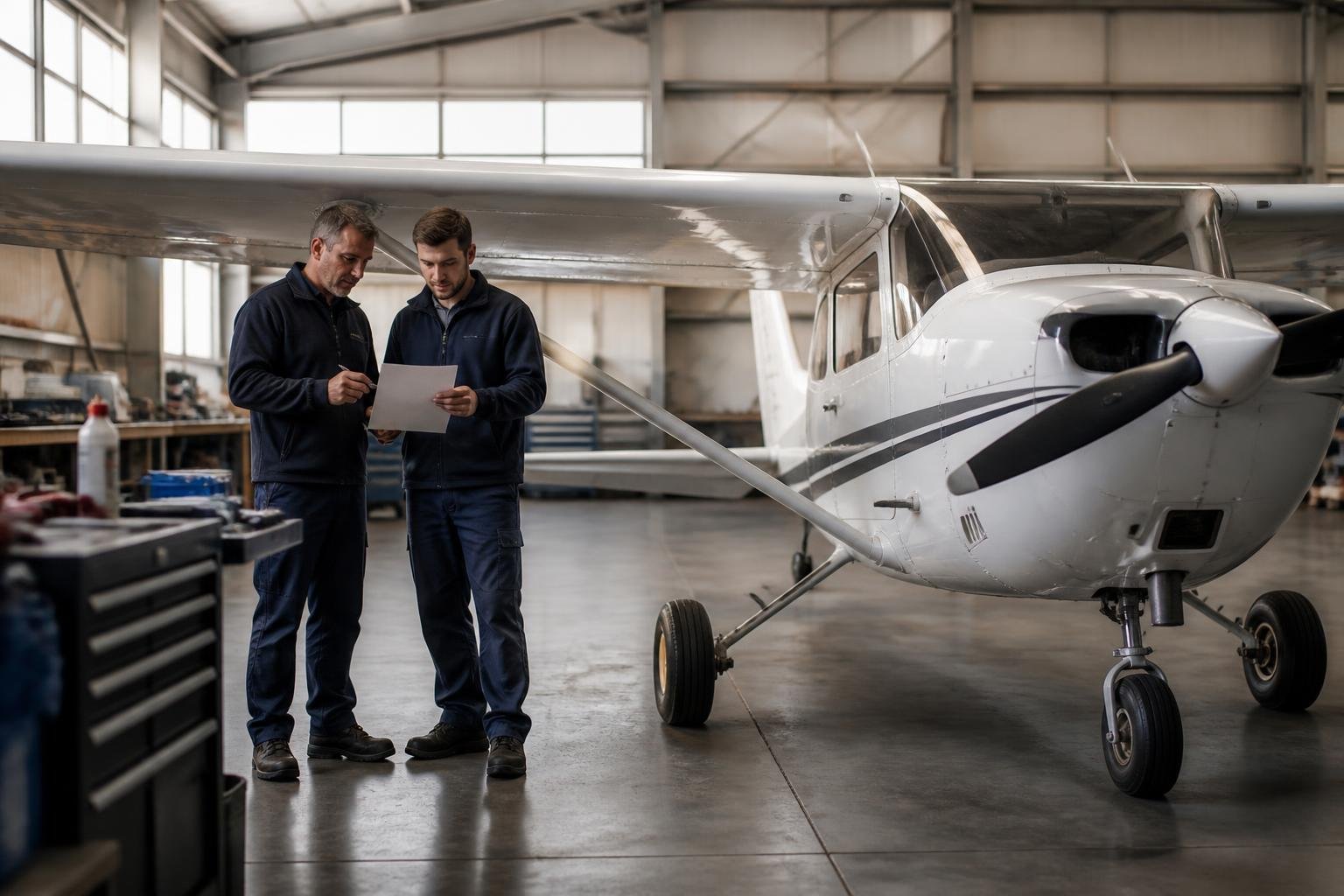
Do not treat deregistration and new registration as one instantaneous event.
For an intra-EU transfer, coordinate the former and new Member State authorities and confirm which originals or certified documents the receiving state needs. Apply for the new Certificate of Airworthiness through the competent authority under the applicable EASA route.
Where the existing ARC remains valid under the transfer rules, confirm that the new registration has been correctly entered and validated as required.
For an aircraft imported from a third country, allow additional time for the receiving authority’s airworthiness process and any required review of the aircraft’s historical records.
Also deal with related items such as nationality markings, radio licensing, emergency-beacon registration and insurer records where applicable.
Ferry Flight and Delivery Planning

A ferry flight is not automatically the cheapest or simplest delivery method.
Before planning one, confirm:
- The aircraft may legally fly under its registration and airworthiness status on the delivery date.
- The insurance covers the aircraft, pilot and route.
- The ferry pilot holds the required licence, ratings and experience.
- The aircraft has suitable range and weather capability.
- Fuel is available along the route.
- Customs and border notifications have been arranged where necessary.
- Required documents are on board.
Weather, terrain and airspace can make a seemingly short European delivery considerably more complex. Build time into the plan rather than designing a closing around a fixed ferry schedule.
For aircraft with uncertain technical status, restricted flight authority or difficult seasonal conditions, road transport, dismantling or another delivery method may be safer and more predictable.
Budget Beyond the Aircraft Price
The purchase price is only one part of the acquisition budget.
| Cost category | Examples |
|---|---|
| Due diligence | Pre-buy inspection, record review, travel, legal and tax advice |
| Transaction | Escrow, registration fees, translation or certified documents |
| Tax and customs | VAT, import VAT and other applicable customs costs |
| Delivery | Ferry pilot, fuel, accommodation, handling or road transport |
| Initial ownership | Insurance, hangarage, training and immediate maintenance |
| Contingency | Discrepancies discovered after opening panels or beginning regular operation |
A cheaper aircraft in another country can still be the more expensive acquisition once travel, technical work, tax treatment and delivery are included.
Shortlisting Aircraft in Europe
Once the intended registration, budget and tax framework are clear, compare actual aircraft using the same due-diligence standard.
Buyers can review aircraft currently available on CollectAirs and compare each listing’s registration, maintenance information, technical documentation and location against the process in this guide.
Before travelling to view a candidate, request enough information to answer the basic questions:
- Who owns it?
- Where is it registered?
- Where is it physically located?
- What is its airworthiness status?
- What records are available?
- What is the stated VAT or customs status, and what supports it?
- What known maintenance or damage history should the inspector investigate?
This can eliminate unsuitable aircraft before substantial travel or inspection costs are incurred.
Common Cross-Border Buying Mistakes
- Assuming EU means one registration system. Registration procedures remain national.
- Accepting “VAT paid” without documentation. Understand what evidence supports the claim.
- Moving the aircraft too early. Registration, customs and insurance should be planned before delivery.
- Treating an ARC or annual inspection as a pre-buy. They answer different questions.
- Ignoring title and seller authority. Technical condition cannot cure a defective transaction.
- Using an Export Certificate of Airworthiness as a default intra-EU assumption. The normal intra-EU transfer route is different.
- Budgeting only for the purchase price. Tax, inspection, registration, delivery and first-year maintenance can be material.
Final Checklist Before You Commit
Before making the transaction unconditional, make sure you can answer these questions:
- Aircraft: Is its identity, configuration and technical condition understood?
- Ownership: Can the seller deliver the required ownership rights and releases?
- Tax: Has VAT and customs treatment been reviewed for the actual transaction?
- Registration: Is there a confirmed route onto the intended register?
- Airworthiness: Are the Certificate of Airworthiness, ARC and technical-record requirements understood?
- Insurance: Will cover be active at the correct point in the transaction?
- Delivery: Can the aircraft be moved legally and practically after closing?
- Budget: Is there enough reserve for immediate findings after purchase?
A successful European aircraft purchase is not simply one where ownership changes hands. It is one where the aircraft arrives with its legal, technical, tax, registration and insurance position understood well enough for the new owner to use and maintain it without avoidable surprises.
Official Sources & Further Reading
- EASA — Easy Access Rules for Continuing Airworthiness, including transfer of registration within the Union
- EASA — Export Certificate of Airworthiness and EASA Form 27
- European Commission — VAT Taxable Transactions, Intra-EU Acquisitions and Imports
- European Commission — Customs Importation and Free Circulation
- European Commission — VAT Special Schemes for Second-Hand Goods
This guide provides general transaction information and does not determine the legal, tax, customs or airworthiness treatment of a particular purchase. Confirm the requirements with the relevant aviation authority and appropriately qualified advisers for the aircraft and jurisdictions involved.
Ready to apply the checklist? Review available aircraft and their documentation on CollectAirs.

Comments
No comments yet
Be the first to share your thoughts!