
 Florida
 Hildesheim
If you are looking for a Robin DR300 for sale, the DR300/125 is a characterful four-seat light aircraft that can suit private touring, club flying and training. Its appeal goes beyond nostalgia: the type combines a light-aircraft feel with useful visibility and practical touring capability. But the purchase decision should be driven by the condition, documentation and exact configuration of the individual aircraft—not by the reputation of the model alone.
Wooden construction is the central ownership consideration. Storage history, moisture protection, repair quality and access to a maintenance organisation familiar with Robin wooden airframes can materially affect both risk and value. A complete maintenance trail, current weight-and-balance data and properly documented modifications are just as important as engine hours or cosmetic presentation.

What the Robin DR300 Is
The DR300 belongs to the French Robin family of light aircraft developed from Jodel design principles. The official EASA type data for the DR300/125 describes it as a single-engine, four-seat, low-wing aircraft with wooden construction and fixed tricycle landing gear. The DR300 family includes several variants, so a buyer should always confirm the exact designation from approved aircraft records rather than relying on a seller’s shorthand description.
For many owners, the strongest mission is two people with baggage and a sensible fuel load, although four-seat operation may be possible when weight and balance allow. Buyers who regularly need four adults, large payload margins, high cruise speed or extensive all-weather capability should compare the DR300 against larger or more modern touring aircraft.
Robin DR300/125 Specifications
The following figures come from the EASA type-certificate data for the DR300/125. They are useful as a model-level reference, but the approved flight manual and current weight-and-balance report for the individual aircraft always take precedence.
| Specification | EASA DR300/125 reference |
|---|---|
| Configuration | Single-engine, four-seat, low-wing aircraft |
| Construction | Wood |
| Landing gear | Fixed tricycle |
| Engine types approved in TCDS | Lycoming O-235-F2B, O-235-F2A or O-235-J2A |
| Maximum take-off mass | 865 kg |
| Wingspan | 8.72 m |
| Length | 6.96 m |
| Height | 2.23 m |
| Wing area | 13.60 m² |
| Main fuel tank | 110 L total / 100 L usable |
| Optional auxiliary tank | 50 L |
| Maximum baggage | 40 kg, subject to weight and balance |
The EASA data also defines aircraft operating limitations and approved configurations. These should not be turned into generic performance promises for a used aircraft. Propeller installation, equipment, empty mass, maintenance condition and modifications can all change the practical ownership picture.
Why the Exact Variant and Records Matter
“DR300” identifies a family, not one fixed specification. The exact engine, propeller, fuel arrangement, maximum authorised mass and installed equipment should be checked against the registration documents, flight manual, logbooks, current weight-and-balance report and modification records.
The DR300/125 is included in EASA Type Certificate EASA.A.367 under CEAPR. EASA also identifies the DR300/125 as a wooden aircraft in the Robin DR300 series with Lycoming power. That makes variant identification particularly important when a used aircraft has accumulated decades of repairs, avionics changes or other modifications.
Mission Fit, Cabin and Handling
The DR300 can work well for local flying, training and touring when payload expectations are realistic. Before buying, sit in the actual aircraft with the people who will regularly use it. Check seating position, harnesses, visibility, ventilation, baggage access and the practical cabin space rather than judging capacity from the four-seat label alone.
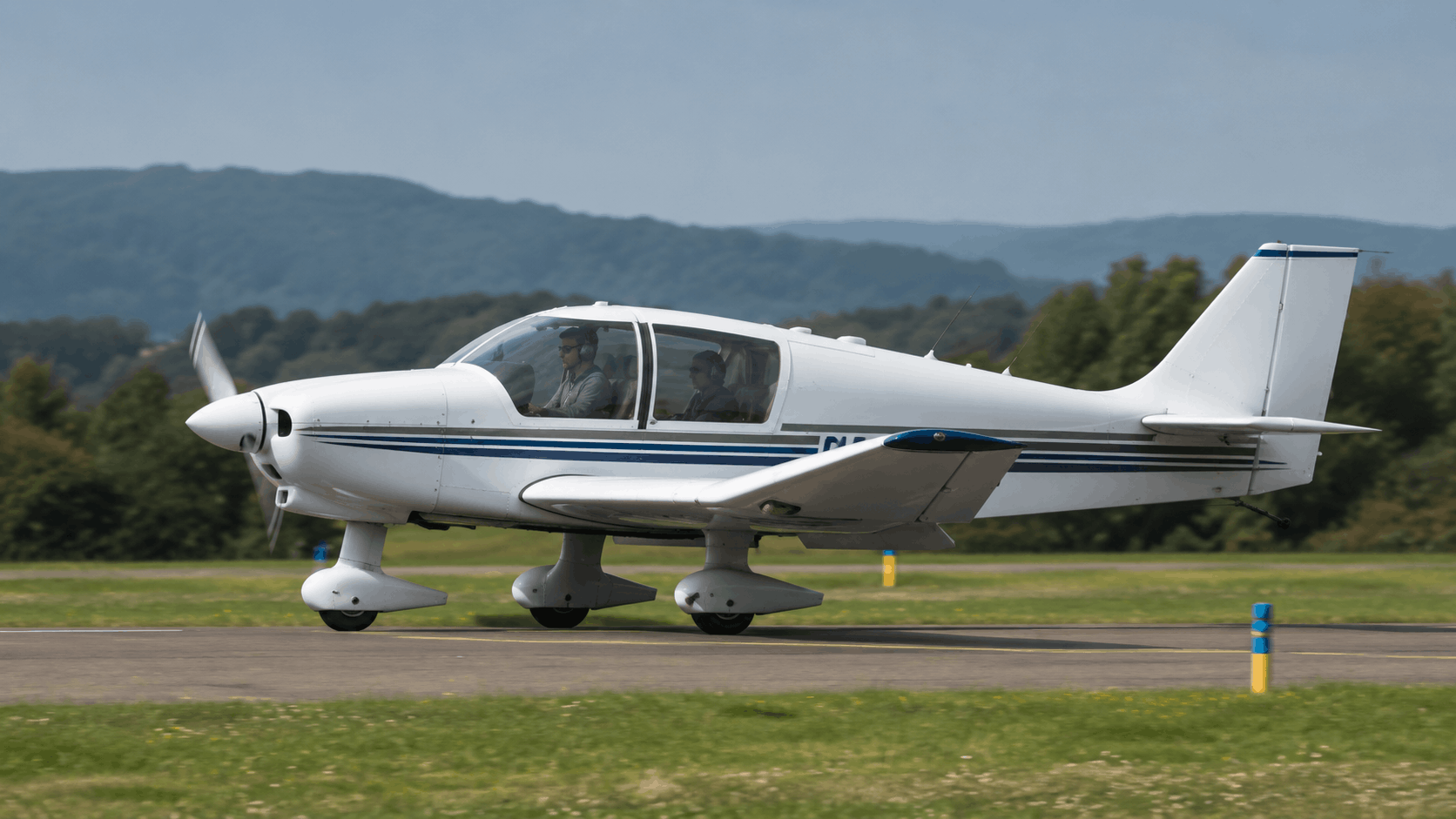
Useful load should be calculated from the current weighing report. Start with the approved maximum mass and actual empty mass, then account for occupants, baggage, fuel and installed equipment. A four-seat aircraft does not automatically provide a practical four-adult, full-fuel mission.
Grass and shorter-field operations also need aircraft-specific planning. Runway surface, slope, temperature, density altitude, wind, loading and pilot proficiency can materially change take-off and landing performance. Use the applicable flight manual rather than generic online figures.
Wooden Airframe: What a Buyer Should Inspect
A Robin pre-buy inspection should be performed by someone familiar with wooden aircraft construction. Storage conditions matter because moisture exposure, ventilation and long periods outside can affect the risk profile even when the exterior looks presentable.
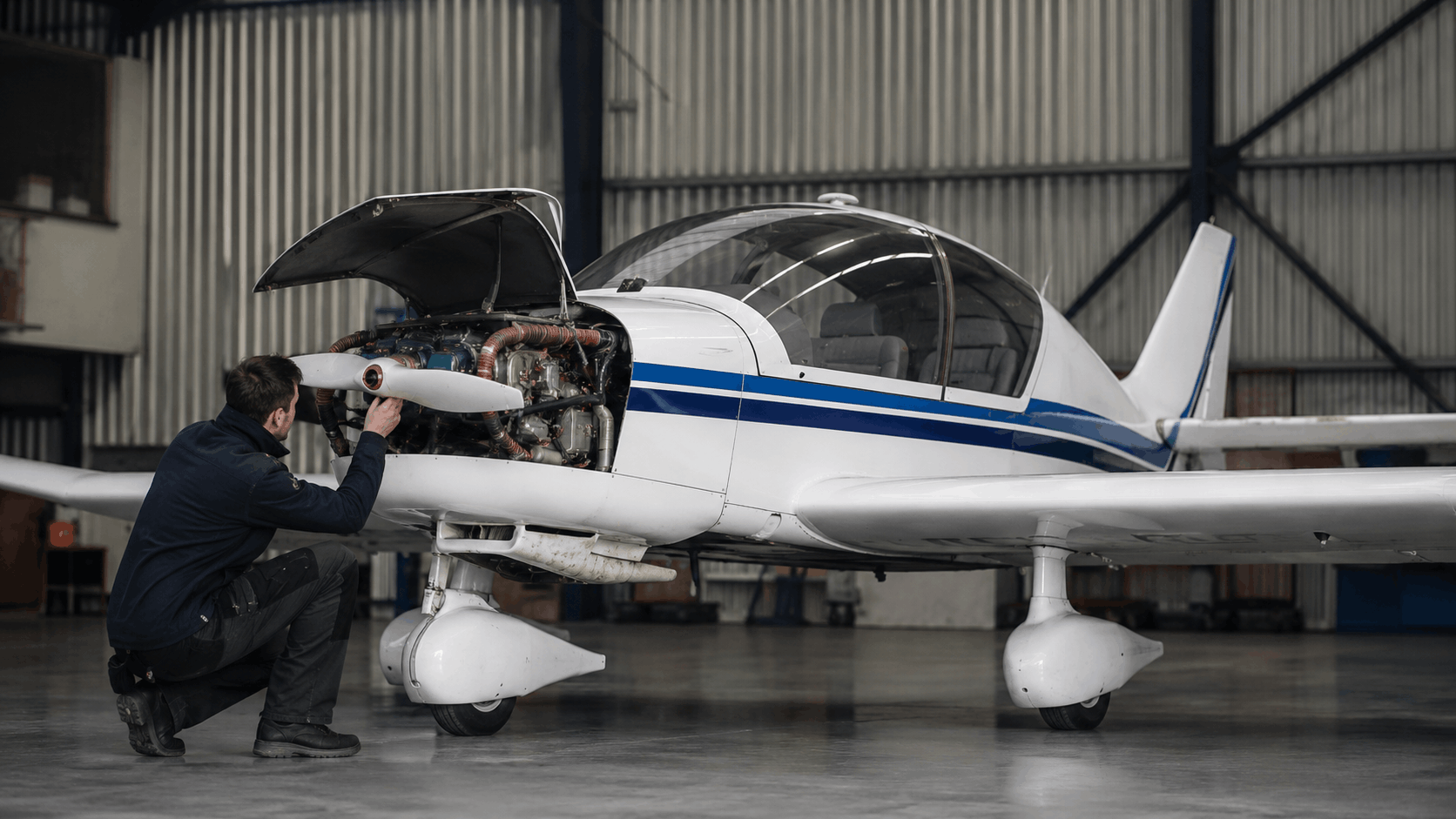
The inspection scope should address accessible wooden structure, joints and attachment points, previous repairs, protective finishes, evidence of water ingress and the condition of fabric-covered or other applicable surfaces. Metal fittings, fasteners and control-system components also require corrosion and condition checks.
Previous structural work is not automatically a reason to reject an aircraft, but it should be traceable. The repair basis, workmanship, approval status and subsequent inspection history should agree with the physical aircraft. Cosmetic restoration should never substitute for structural evidence.
Engine, Propeller and Fuel-System Due Diligence
The EASA type data approves several Lycoming O-235 variants for the DR300/125. Confirm the exact engine installed on the aircraft before using any overhaul interval, operating-cost estimate or maintenance assumption.
Review total time, overhaul history, calendar age, periods of inactivity and maintenance compliance. Lycoming publishes current technical material for the O-235 family, including the O-235/O-290 Operator’s Manual and service instructions. For example, Lycoming Service Instruction 1594 introduces a crankcase inspection applicable to specified O-235 engines during scheduled maintenance. The relevant documents depend on the exact engine model and serial configuration.
The propeller should be checked for model identity, condition, inspection history and any strike or damage record. Fuel-system inspection should cover tanks, caps, vents, selectors, lines, filters and evidence of leakage or contamination. Compression checks, borescope inspection and oil analysis may add useful evidence when interpreted by an experienced engineer, but no single test establishes overall engine condition.
Avionics, Electrical Systems and Upgrades
A practical panel should match the intended mission. For local VFR use, a simple but serviceable installation may be enough. For regular touring, confirm radio, transponder, navigation equipment, lighting and any equipment required for the intended airspace.
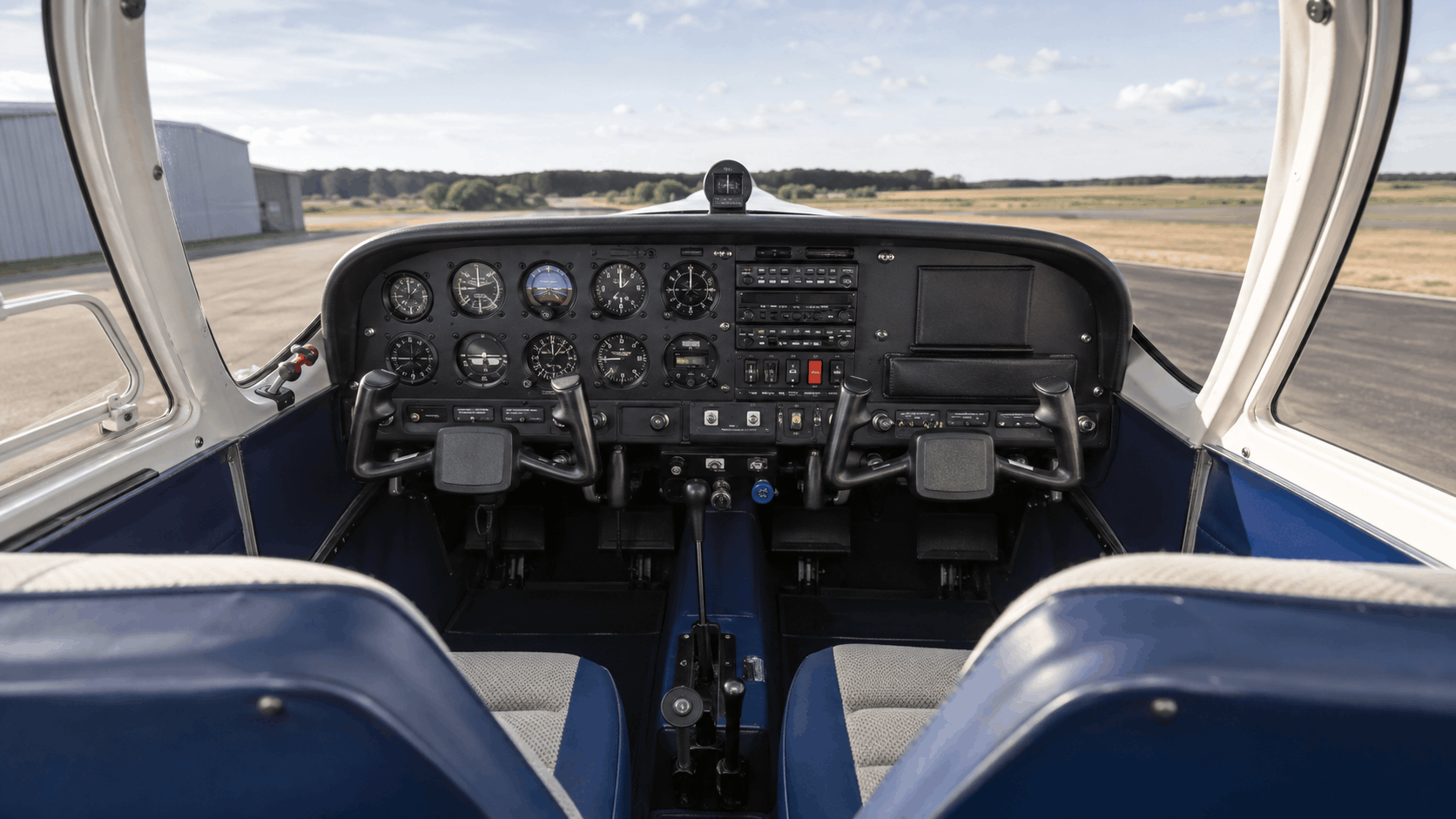
Installation quality and documentation matter more than the number of screens. Check wiring, circuit protection, battery and charging-system history, equipment approvals and whether older avionics remain supported. If upgrades are planned, price the complete installation—including paperwork and downtime—before treating a cheaper aircraft as a bargain.
Robin DR300 Price and Ownership Costs
There is no single reliable Robin DR300 price that applies to every aircraft. Asking prices, opening bids and current auction bids are not market value or a completed sale price. Condition, documentation, engine and propeller status, avionics, paint, interior, location and tax position can all materially change value.
A realistic ownership budget should include the pre-buy inspection, insurance, hangarage, scheduled maintenance, engine and propeller reserves, navigation or avionics costs, training and a contingency for first-year findings. Specialist wooden-airframe labour and transport to an appropriate maintenance organisation can also affect the economics.
Low engine or airframe hours should not be evaluated in isolation. Calendar age, inactivity, preservation, corrosion exposure and maintenance continuity can be more important than a low number on the tachometer.
How to Assess a Robin DR300 for Sale
Start by asking how the aircraft has been used, stored and maintained. Request the complete airframe, engine and propeller records, current weight-and-balance report, applicable flight manual, equipment list, inspection history and documentation for significant repairs or modifications.

- Confirm aircraft model, serial number and registration identity.
- Match engine and propeller identities to their logbooks and data plates.
- Check for gaps or unexplained changes in recorded hours.
- Review wooden-airframe inspection and repair history.
- Confirm current equipment and modification approvals.
- Arrange an independent pre-buy inspection before committing to the transaction.
For a current real-world example, buyers can review the Avions Robin DR300/125 listed on CollectAirs. Its year, hours, equipment, maintenance claims and other listing-specific details should be assessed against the same documentation and inspection criteria used for any other aircraft; they should not be generalised to the DR300/125 model as a whole.
Certification and Cross-Border Buying
For cross-border purchases, confirm registration transfer, deregistration, tax or VAT treatment, insurance, export documentation and any acceptance requirements in the destination country before paying a non-refundable deposit.
The aircraft’s certification basis and pilot qualification are separate issues. Verify what the aircraft is approved to do, what equipment is required, and what training or licensing rules apply in the intended jurisdiction. A modification accepted in one country should not automatically be assumed transferable elsewhere.
Alternatives to the Robin DR300
Alternatives should be chosen by mission rather than brand. Other Robin or Jodel-derived aircraft may appeal to buyers who value similar handling and design character, while more common metal or composite touring singles may offer different payload, maintenance availability, cruise performance or weather capability.
Local support can be decisive. A slightly less attractive aircraft with nearby maintenance expertise and good parts access may be a better ownership proposition than a rarer example requiring long-distance specialist support.
Who Should Buy a Robin DR300?
The Robin DR300 is best suited to an owner looking for a characterful four-seat light aircraft for training, recreation and touring, and who is prepared to manage wooden-airframe maintenance responsibly. It can be a strong fit when the mission, payload and local maintenance network all make sense.
The final decision should answer four questions: does the aircraft fit the real mission, is its structural and mechanical condition understood, are the records coherent, and can the ownership budget absorb both scheduled maintenance and unexpected findings? If those answers are positive, a carefully selected DR300 can remain a practical and rewarding classic touring aircraft.
Sources & Further Reading
- EASA — Type Certificate EASA.A.367, CEAPR DR 200, DR 300 and DR 400 Series
- EASA — Continuing Airworthiness Reference and Aircraft Structure Classification
- Lycoming — O-235 and O-290 Series Operator’s Manual
- Lycoming — Service Instruction No. 1594, O-235 Crankcase Inspection
- CollectAirs — Avions Robin DR300/125, Lot #174
Model-level specifications are based on official type data. Individual aircraft may differ because of approved modifications, equipment, weighing results and maintenance history. Always verify the specific aircraft against its current approved documentation before making operational or purchasing decisions.
Comments
No comments yet
Be the first to share your thoughts!