
 Florida
 Hildesheim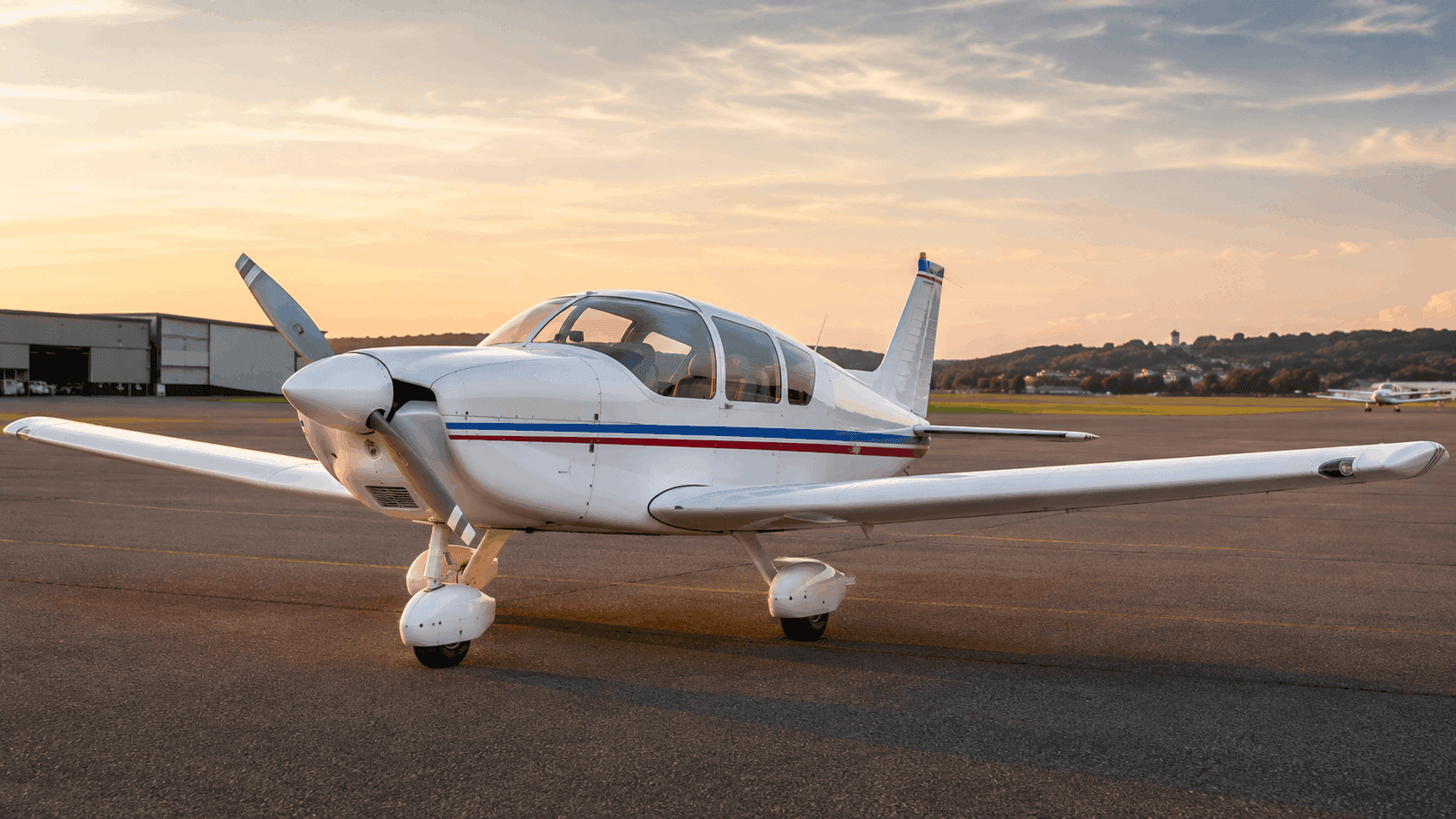
If you are looking for a Robin HR100 for sale, the HR100 family can be an appealing choice for buyers who want a classic French four-seat touring aircraft with genuine cross-country capability. The purchase decision should focus on the exact variant, airframe identity, corrosion history, engine and propeller status, maintenance records, approved equipment and current weight-and-balance data rather than on the model name alone.
One important point is often confused online: the Robin HR100 series is a metal-structure aircraft family, not a wooden-airframe Robin in the tradition of the DR300 and DR400. That changes the pre-buy priorities substantially. Corrosion inspection, wing-spar condition, landing-gear history and documented repairs deserve particular attention.
Robin HR100 at a Glance
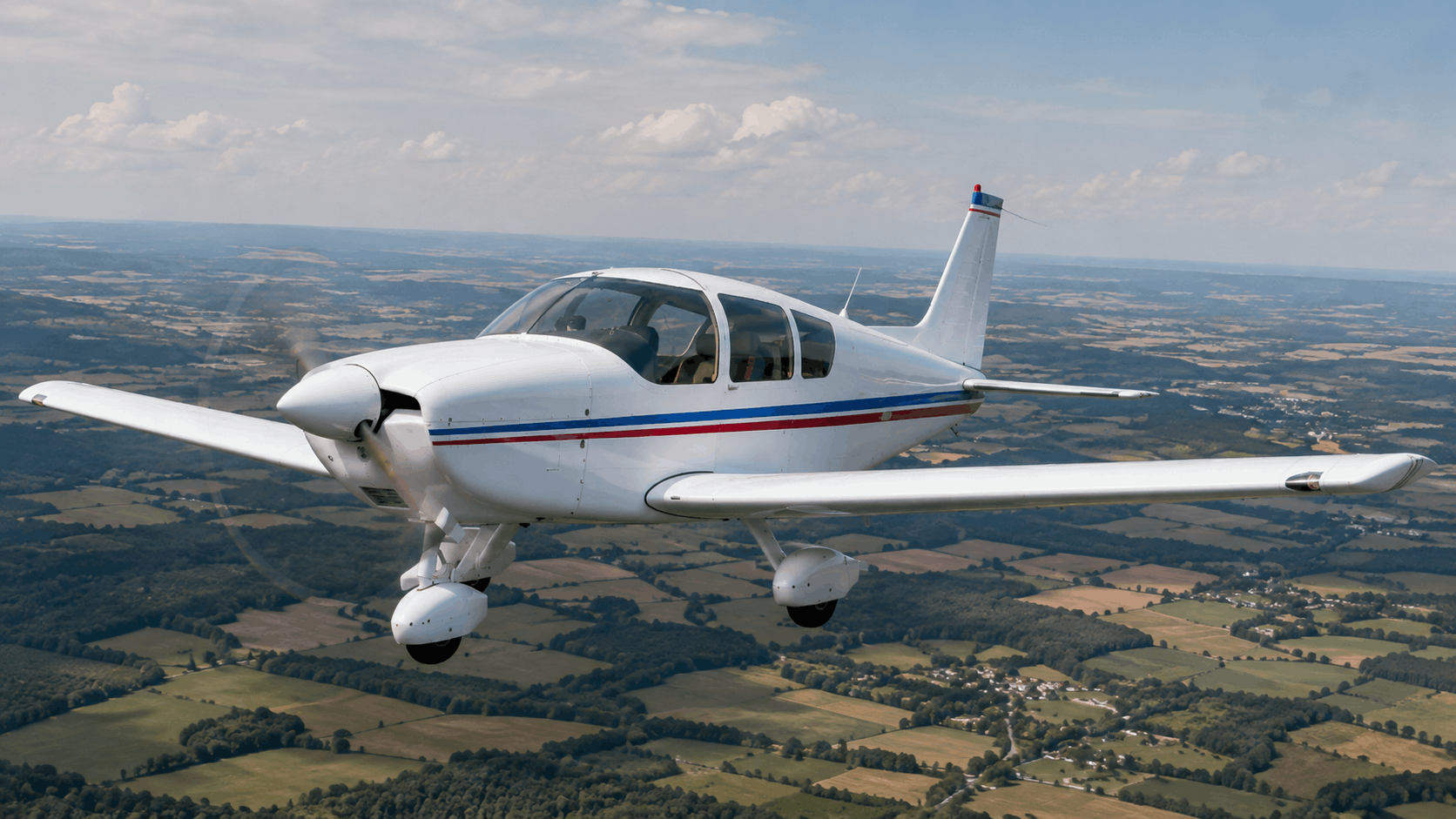
The Robin HR100 series was produced as a family of low-wing touring singles and includes variants such as the HR100/200, HR100/200B, HR100/210, HR100/210D, HR100/250TR and HR100/285. EASA currently lists these aircraft under the CEAPR HR100 and R1000 series type certificate, EASA.A.368.
The family should not be treated as one fixed specification. Engine installation, landing-gear configuration, approved mass, propeller, fuel system and equipment vary between models and individual aircraft. Buyers should establish the exact model and serial number from the data plate, registration documents, flight manual and maintenance records before comparing one HR100 with another.
For the HR100/210D, official European reference data identifies a Continental IO-360-series installation and a maximum take-off mass of approximately 1,250 kg. The exact approved engine and propeller configuration for the individual aircraft must still be confirmed from its records.
Robin HR100/210D: Specifications Buyers Should Verify
Model-level figures are useful for orientation, but the aircraft-specific flight manual and current weight-and-balance report always take precedence. The HR100/210D is a four-seat touring aircraft, and European reference data associates the model with Continental IO-360-D or IO-360-H engine configurations and fixed tricycle landing gear.
| Item | Buyer reference |
|---|---|
| Configuration | Four-seat, single-engine touring aircraft |
| Structure | Metal |
| Engine family | Continental IO-360 series; verify exact installed model |
| Maximum take-off mass | Approx. 1,250 kg for HR100/210D reference configuration |
| Landing gear | Tricycle gear; verify aircraft-specific configuration and maintenance status |
| Fuel system | Verify tank configuration, usable fuel and modifications from approved documents |
| Payload | Calculate from current empty mass and approved MTOM |
Do not transfer fuel capacity, useful load, avionics or endurance figures from one advertised HR100/210D to every aircraft of the type. Those details may be lot-specific or modification-dependent.
Mission Fit and Touring Capability
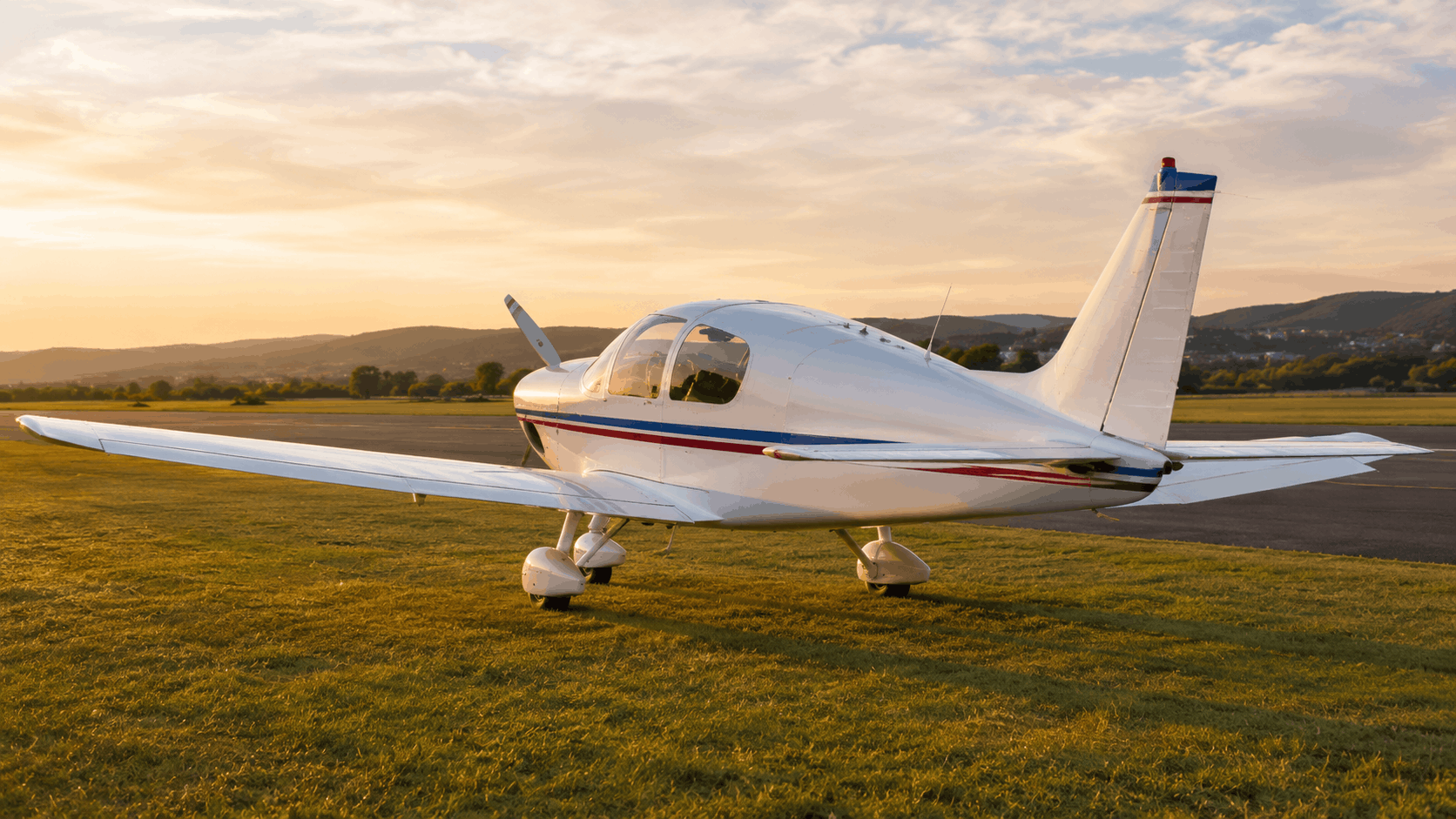
The HR100/210D is best evaluated as a four-seat touring aircraft rather than as a lightweight trainer. Its practical mission depends on the aircraft’s current empty weight, fuel configuration, baggage allowance, runway requirements and operating condition.
For cross-country use, calculate actual payload from the current weighing report. Four seats do not automatically mean four adults, baggage and full fuel can be carried together. Compare realistic occupant and baggage loads against the approved centre-of-gravity envelope and required fuel reserves.
Aircraft with extended-range fuel installations can offer substantial endurance, but fuel capacity should never be considered independently from payload. Extra fuel can consume a large part of the available useful load, so the buyer should assess the missions that will actually be flown rather than simply choosing the aircraft with the largest tanks.
Metal Airframe and Corrosion Inspection
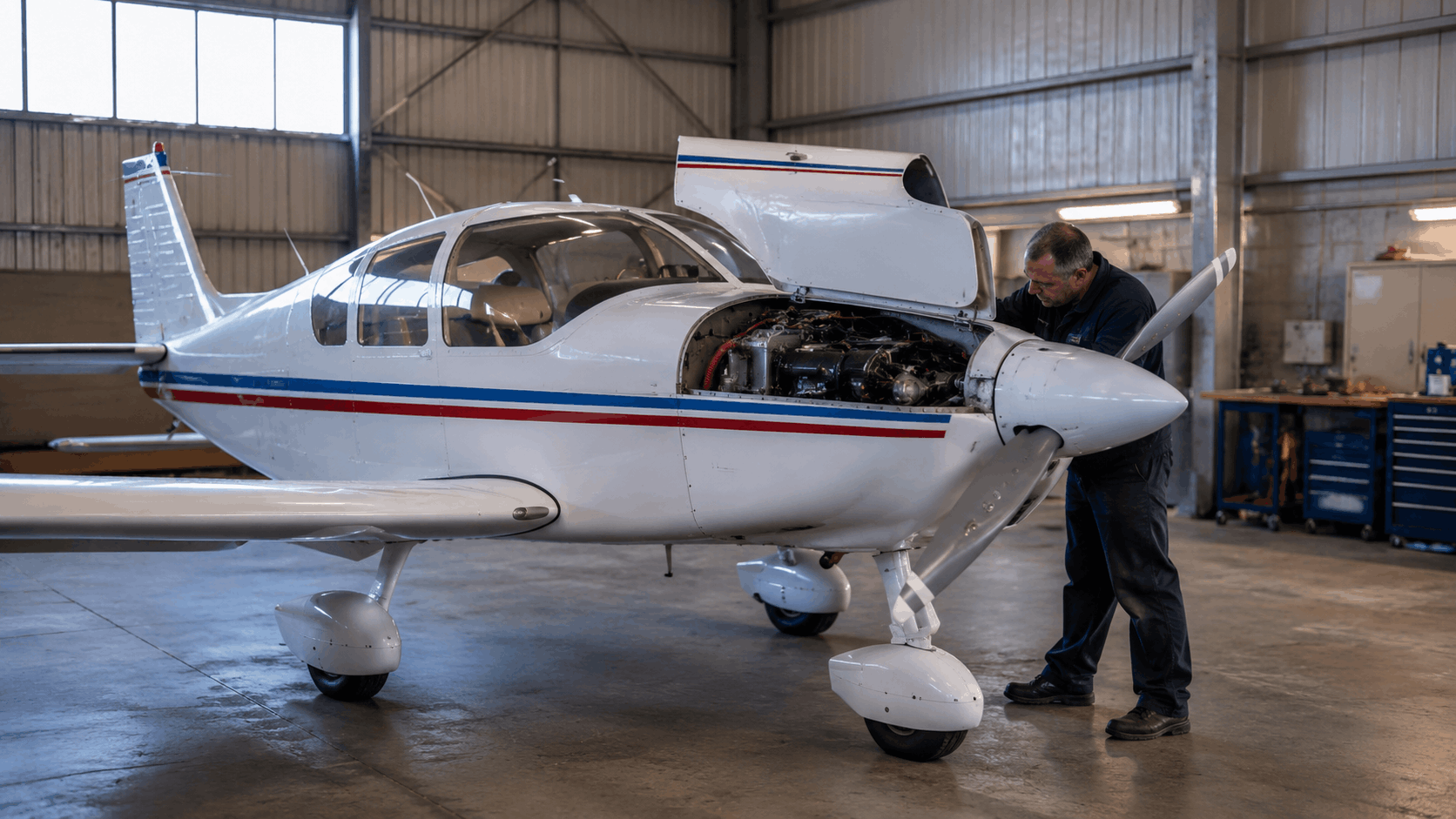
Airframe inspection is one of the most important differences between the HR100 and wooden Robin families. EASA classifies the HR100 series as metal structure, and published airworthiness directives identify corrosion-sensitive structural areas that deserve specific attention.
EASA Airworthiness Directive 2005-0028R1 addresses the HR100 and R1180 series because corrosion had been found in wing-spar webs and boom angles. The directive notes that normal maintenance access may not always reveal developing corrosion. For a buyer, this makes documented compliance and a knowledgeable structural inspection particularly important.
The pre-buy should examine accessible wing structure, spar areas, skins, attachment points, control-system components and evidence of previous corrosion treatment or structural repair. Ask the inspector to reconcile physical findings with logbook entries, repair approvals and applicable service information.
Paint quality alone is not a structural condition report. A clean exterior can coexist with hidden corrosion, while a cosmetically older aircraft may have excellent documented structural maintenance. Evidence matters more than presentation.
Landing-Gear History and Inspection
The landing gear deserves its own review. EASA AD 2007-0171 applies to HR100/210 and HR100/210D aircraft and addresses cracking in the nose-landing-gear oleo support plates. The directive requires inspection because cracking can progress to landing-gear failure.
Buyers should confirm compliance with the applicable inspection requirements and review any prior landing-gear repairs, hard-landing events or take-off incidents. Inspect attachment areas, oleo condition, steering components, wheels, tyres, brakes and evidence of abnormal wear.
If an aircraft has a documented gear repair, the repair itself is not automatically disqualifying. The important questions are what happened, what structure was affected, who performed the repair, which approved data were used and what inspections have followed.
Engine, Propeller and Fuel-System Due Diligence
HR100/210D aircraft are associated with Continental IO-360-series engines. Confirm the exact installed model, serial number, operating hours, overhaul history and applicable maintenance status from the aircraft and engine records before estimating ownership cost.
Low hours since overhaul do not automatically mean low risk. Calendar age, long periods of inactivity, storage conditions, preservation, oil-change history and recurring defects can matter just as much as operating hours.
The propeller should be checked for model identity, overhaul or inspection status, blade condition, tracking and any strike history. Fuel-system review should cover tank configuration, usable fuel, caps, vents, selectors, lines, drains and evidence of leakage or contamination. Any extended-range fuel installation should be traceable to approved aircraft documentation.
Avionics, Electrical Systems and Upgrades
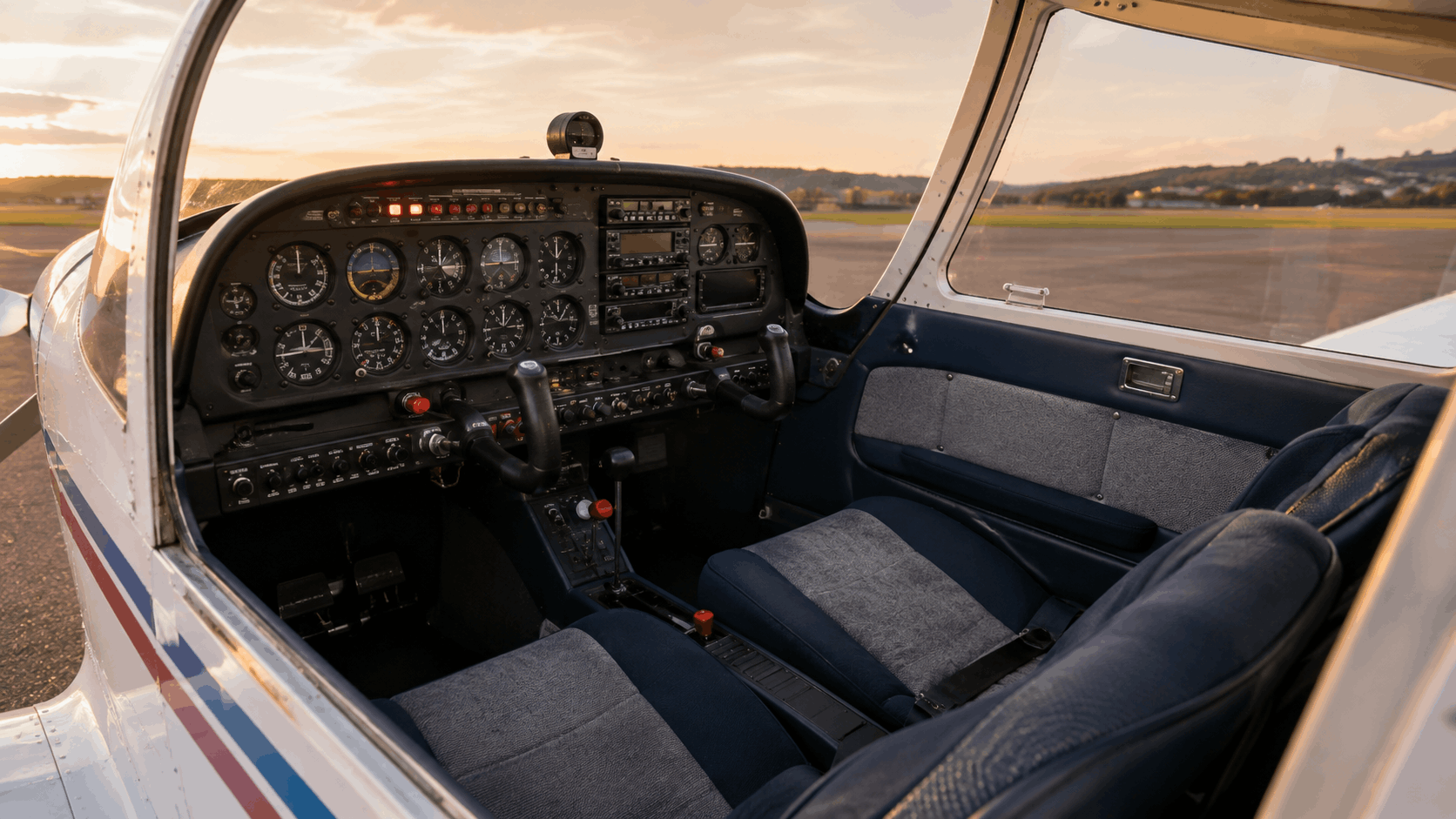
Classic touring aircraft often accumulate avionics changes over decades. Create an inventory of the installed radio, navigation, transponder, audio, engine-monitoring and autopilot equipment, then verify that the installations and associated documentation match the aircraft records.
A modern-looking panel can improve usability but should not dominate the valuation. Wiring quality, circuit protection, antenna installations, charging-system condition, equipment supportability and approval status all matter. Planned upgrades should be priced as complete installations, including labour, documentation and downtime.
Maintenance, Parts and Specialist Support
Before purchase, identify a maintenance organisation that is comfortable supporting the HR100 series, its Continental engine and its structural inspection requirements. Availability of generic piston-engine support does not automatically mean local expertise exists for the airframe.
CEAPR continues to maintain technical publications for the HR100 series, including documentation covering the HR100/210 and HR100/210D. Buyers should determine which current service bulletins, service letters and airworthiness directives apply to the specific serial number and configuration.
Build the ownership budget around hangarage, insurance, scheduled inspection work, engine and propeller reserves, avionics, structural findings and downtime. An older touring aircraft can remain economical when it is well documented and maintained, but deferred structural work can quickly overwhelm a low acquisition price.
Pre-Buy Inspection Checklist for a Robin HR100
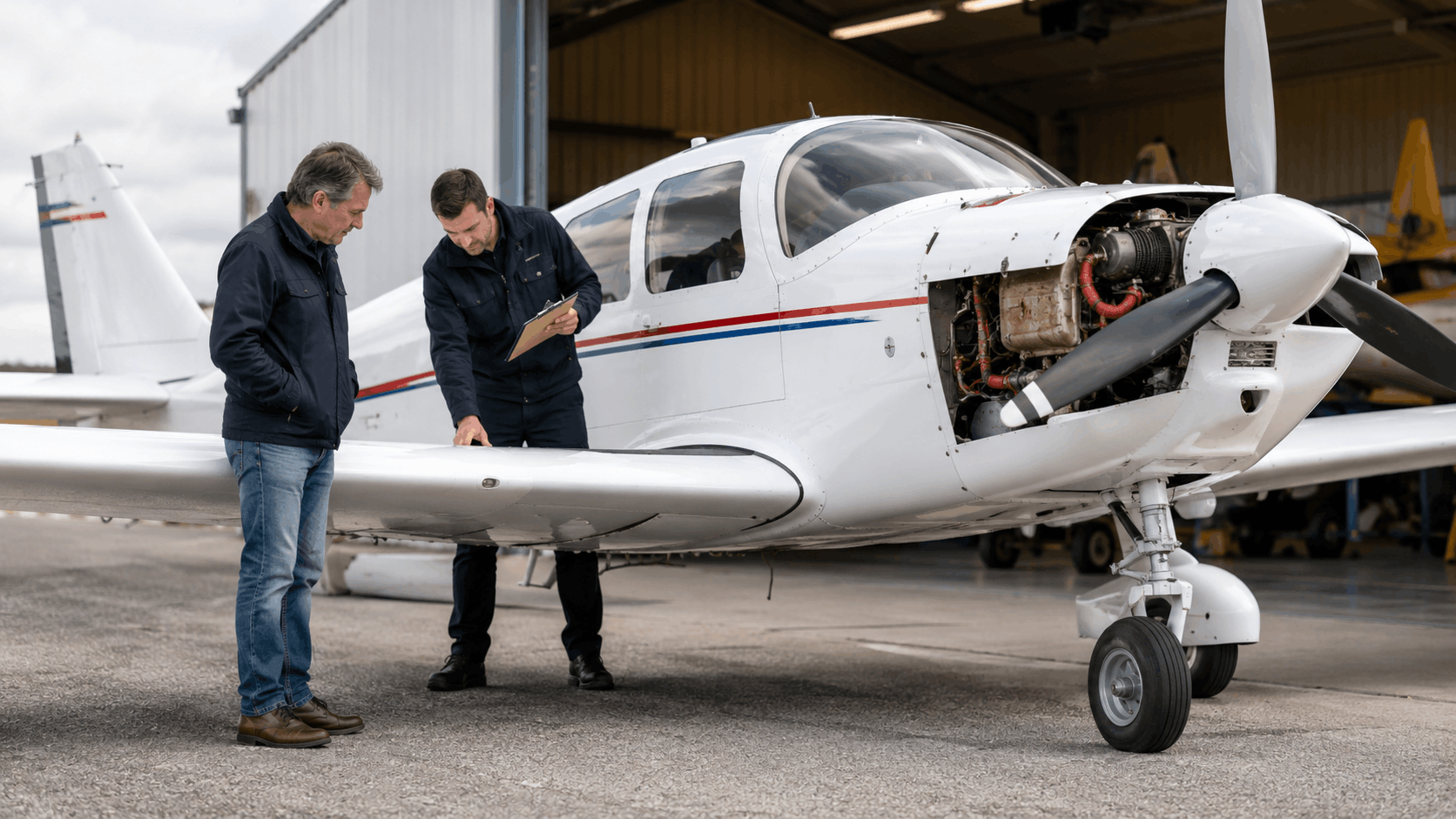
Commission an independent pre-buy inspection with a written scope. The inspector should understand the HR100 series and should review both technical records and the physical aircraft rather than treating a recent annual inspection as a substitute for buyer due diligence.
- Confirm model, serial number, registration and ownership identity.
- Match engine and propeller data plates to their logbooks.
- Review compliance with applicable EASA airworthiness directives and CEAPR service information.
- Inspect wing-spar and corrosion-sensitive areas with particular attention to prior treatment or repair.
- Review nose-landing-gear inspection history and any previous gear damage.
- Check fuel-system configuration and approval of any extended-range installation.
- Verify current weight-and-balance data, equipment list and flight manual.
- Review avionics installation records, electrical condition and modification approvals.
- Document inaccessible areas and any additional inspection recommended before purchase.
Evaluating a Robin HR100 for Sale
When comparing a Robin HR100 for sale, separate model-level information from the facts of the individual aircraft. Current bid, asking price, equipment and seller statements are useful context, but they are not substitutes for verified records or an independent inspection.
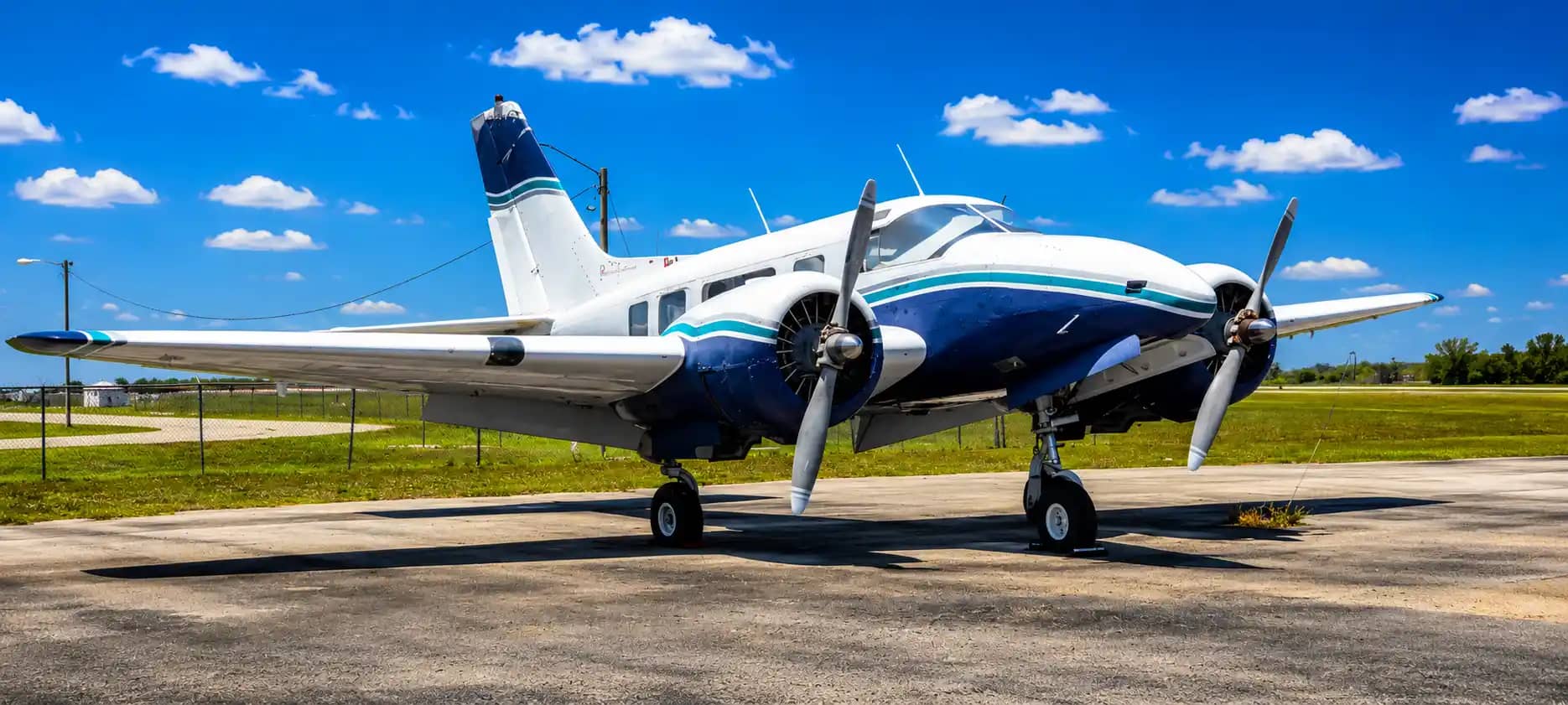
A relevant real-world example is the Robin HR 100 210D currently listed on CollectAirs, Lot #170. The listing describes a four-seat touring aircraft with a Continental-powered configuration, extended-range fuel system, modern Garmin and S-Tec avionics, a previously repaired right landing-gear event and windscreen cracks recommended for replacement. Those are lot-specific claims and should be confirmed against the aircraft records and physical inspection rather than generalized to every HR100/210D.
For any candidate, ask where the aircraft has been based and hangared, how often it has flown, what structural inspections have been completed, whether corrosion has been found or treated, and whether any significant damage or repair history exists. Request documentary evidence before travelling where practical.
Price, Value Drivers and First-Year Budget
There is no single reliable Robin HR100 market value. Asking prices, opening bids, current auction bids, completed sales and professional appraisals answer different questions. A current bid is not a completed sale price and should not be treated as an appraisal.
Value depends on exact variant, structural condition, corrosion history, engine and propeller status, avionics, documented repairs, fuel-system configuration, interior and exterior condition, weight-and-balance accuracy and completeness of records.
Budget beyond the purchase price. Include the pre-buy inspection, travel, insurance, ferry or transport, registration or cross-border costs, immediate discrepancies, upcoming maintenance and a contingency for structural findings. An independent appraisal can help frame value, but it does not replace technical inspection.
Who Should Buy a Robin HR100?
The HR100 is best suited to a buyer who wants a classic four-seat European touring aircraft and is prepared to manage the inspection and maintenance demands of an ageing metal airframe. The strongest candidates combine a clear identity, continuous records, documented structural inspections, a supportable engine and propeller, and an operating mission that fits the actual payload and fuel configuration.
The final decision should answer four questions: does the aircraft fit the real mission, is its structural condition understood, are its records coherent, and can the first-year budget absorb both known and unexpected work? When those answers are positive, a well-selected HR100 can remain a capable and distinctive touring aircraft.
Sources & Further Reading
- EASA — Type Certificate EASA.A.368, CEAPR HR100 and R1000 Series
- EASA — AD 2005-0028R1, HR100/R1180 Wing-Spar Corrosion Inspection
- EASA — AD 2007-0171, HR100/210 and HR100/210D Nose Landing Gear Inspection
- CEAPR — Official Technical Publications List for Robin Aircraft
- CollectAirs — Robin HR 100 210D, Lot #170
Model-level information should always be checked against the current approved documentation for the individual aircraft. Listing details, modifications, equipment and operating status can change and should be verified before purchase or operational use.
Comments
No comments yet
Be the first to share your thoughts!