
 Florida
 Hildesheim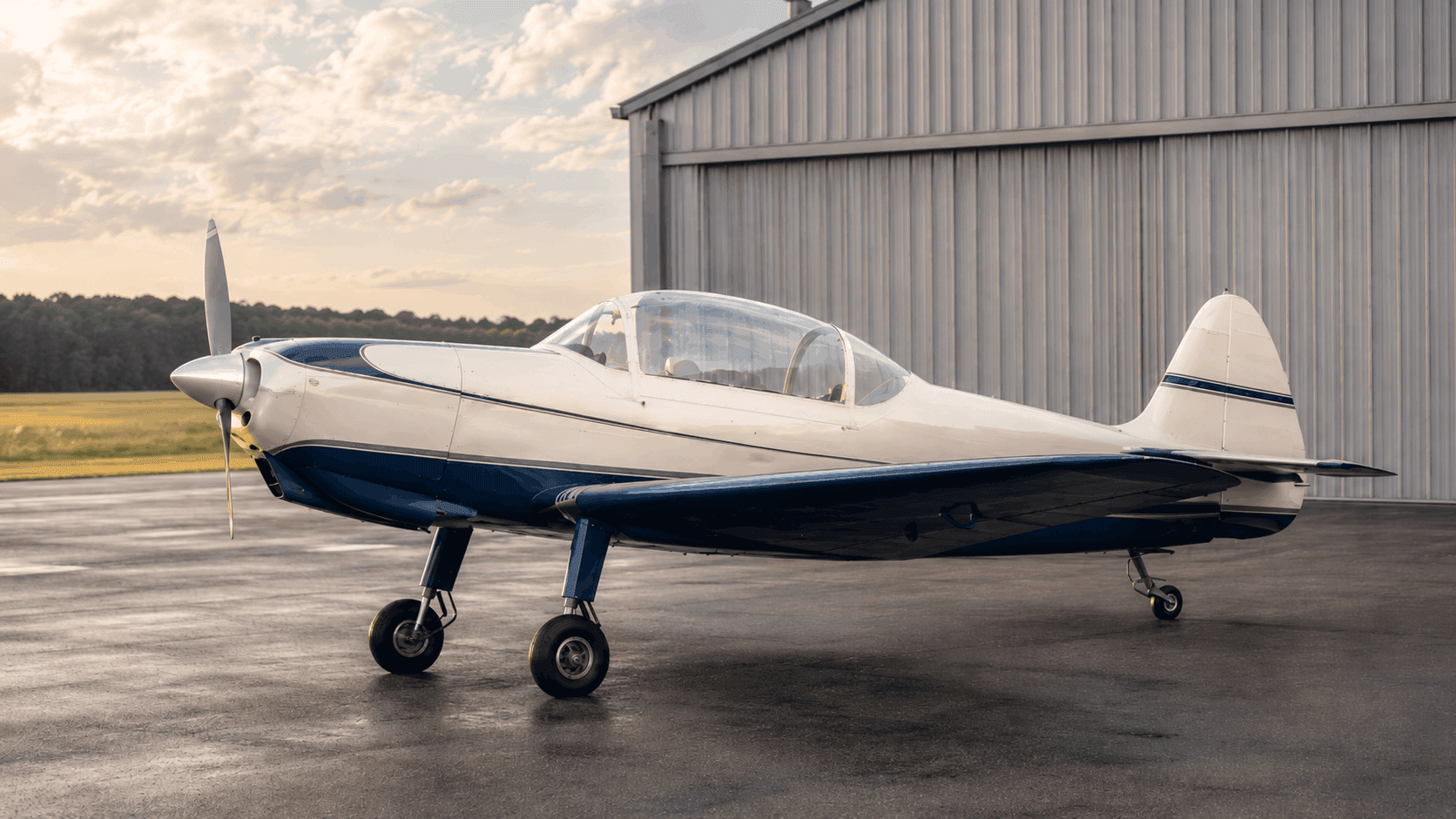
The UTVA Aero 3 is a rare post-war Yugoslav trainer whose appeal lies principally in historical preservation rather than straightforward recreational ownership. A buyer should treat each surviving example as an individual project: confirm identity, completeness, civil status, structural condition, engine support and documentation before assigning value. Acquisition may be possible; lawful, economically supportable operation is a separate question that requires specialist advice in the country of registration.
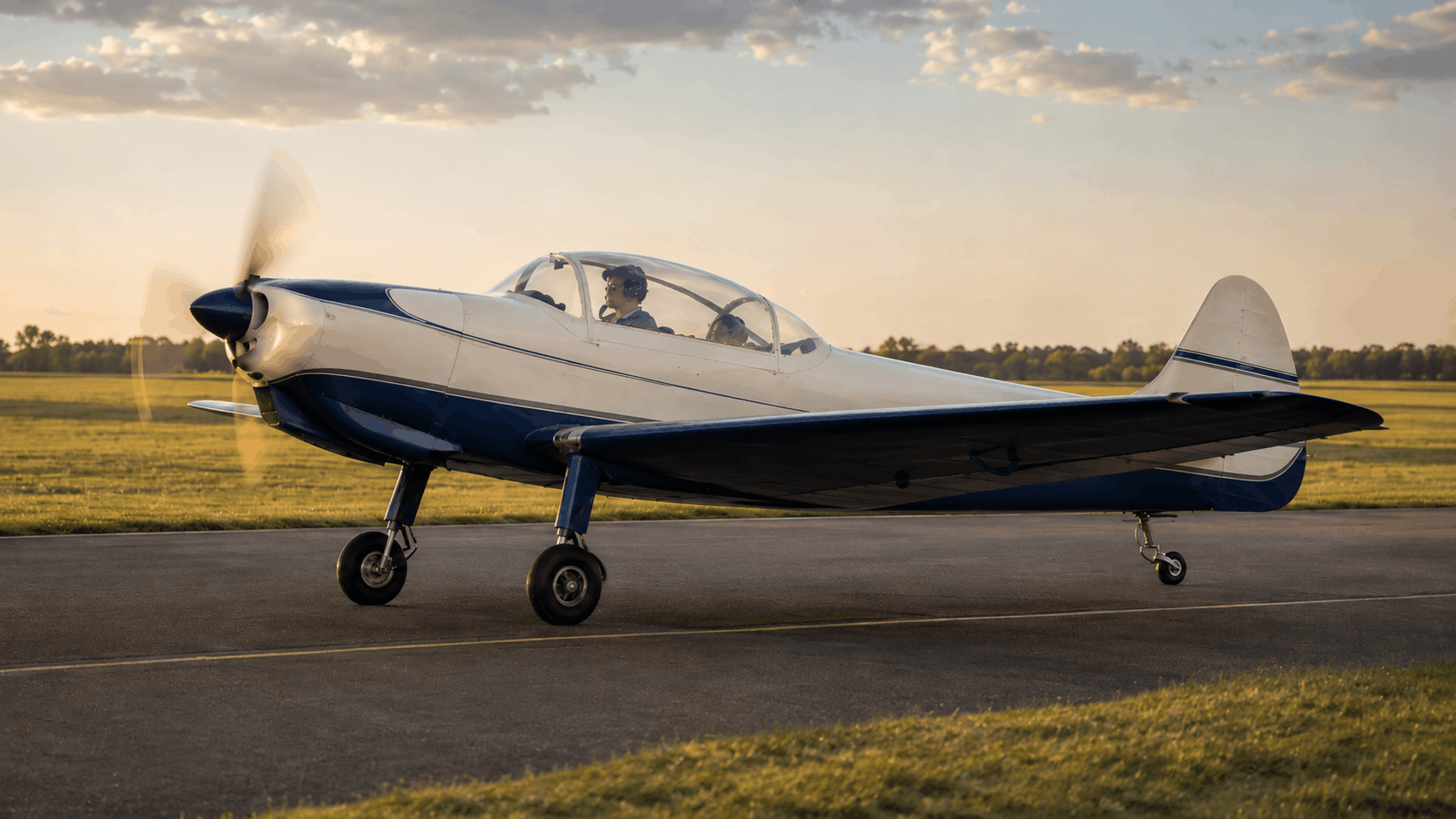
UTVA Aero 3 at a Glance: Buyer Fit and Collectible Appeal
The UTVA Aero 3 sits in a specialised corner of the historic-aircraft market. It represents the post-war development of Yugoslav aviation and has significance as a military training type, but it does not offer the established support ecosystem associated with more numerous Western trainers. That distinction should frame every purchase decision.
This aircraft is best suited to an experienced historic-aircraft owner, a museum, a preservation group, or a technically capable syndicate with access to appropriate engineering and maintenance support. It can also interest a collector focused on regional aviation history. For those buyers, originality, traceable military provenance, completeness and an honest restoration record may matter as much as, or more than, near-term flight hours.
Its ownership proposition can include static exhibition, carefully managed preservation and, where registration, condition and approvals permit, limited recreational flying. A prospective buyer should not assume that a complete-looking aircraft is flyable, that a former military identity creates a civilian certification route, or that the existence of one restored example proves another can be returned to service economically.
- Strong buyer fit: heritage organisations, informed collectors and owner groups with restoration resources.
- Potentially difficult fit: buyers seeking inexpensive tailwheel time, frequent touring, or easy resale liquidity.
- First principle: separate the feasibility of buying the aircraft from the feasibility of registering, insuring, maintaining and operating it.
Searches for a UTVA Aero 3 for sale often produce sparse results, incomplete references and unrelated trainer listings. A broad search for vintage trainer aircraft for sale can be useful, but it should not dilute the need for type-specific research.
Development History and Service Context
UTVA emerged from Yugoslavia’s post-war effort to rebuild domestic aircraft design and manufacturing capability. Training aircraft were an important part of that effort because military and national flying programmes required a progression from elementary flying to more demanding operational types. The Aero 3 belongs in that wider context: it was conceived as a two-seat trainer intended to develop skills beyond the earliest stage of instruction.
Historical summaries can differ on the programme chronology, prototype activity, production total and exact service use. That is not unusual for low-volume Cold War-era aircraft, especially where original records have been dispersed among military archives, factories, museums and later civil operators. A serious buyer should obtain corroboration from aviation museums, national archives, surviving technical documentation and the records attached to the particular airframe instead of relying on a single online profile.
The original training environment was materially different from present-day private flying. Military instructors, controlled airfields, organised maintenance and a defined supply chain supported the aircraft’s intended role. A modern owner must recreate enough of that support through approved maintenance personnel, specialist workshops, parts research and a regulatory pathway. The historical mission explains the design; it does not guarantee a practical civilian mission today.
Survivor numbers should likewise be treated cautiously. A reported production quantity is not the same as a verified surviving population. Aircraft may exist as museum exhibits, derelict airframes, incomplete restoration projects, parts donors or former military hulks without a viable civil identity. For collectibility, an aircraft with a continuous identity and well-supported history is generally more compelling than an anonymous collection of components, even if both are visually similar.
Military provenance can add historical interest, but it must be documented. Restoration history can add value when supported by photographs, invoices, work records, inspection findings and approved releases where applicable. Civilian conversion may improve usability, yet it can also introduce modifications whose status, workmanship and compatibility require close review. Authenticity and operability are related but separate buyer objectives.
UTVA Aero 3 Specs: What Buyers Need to Verify
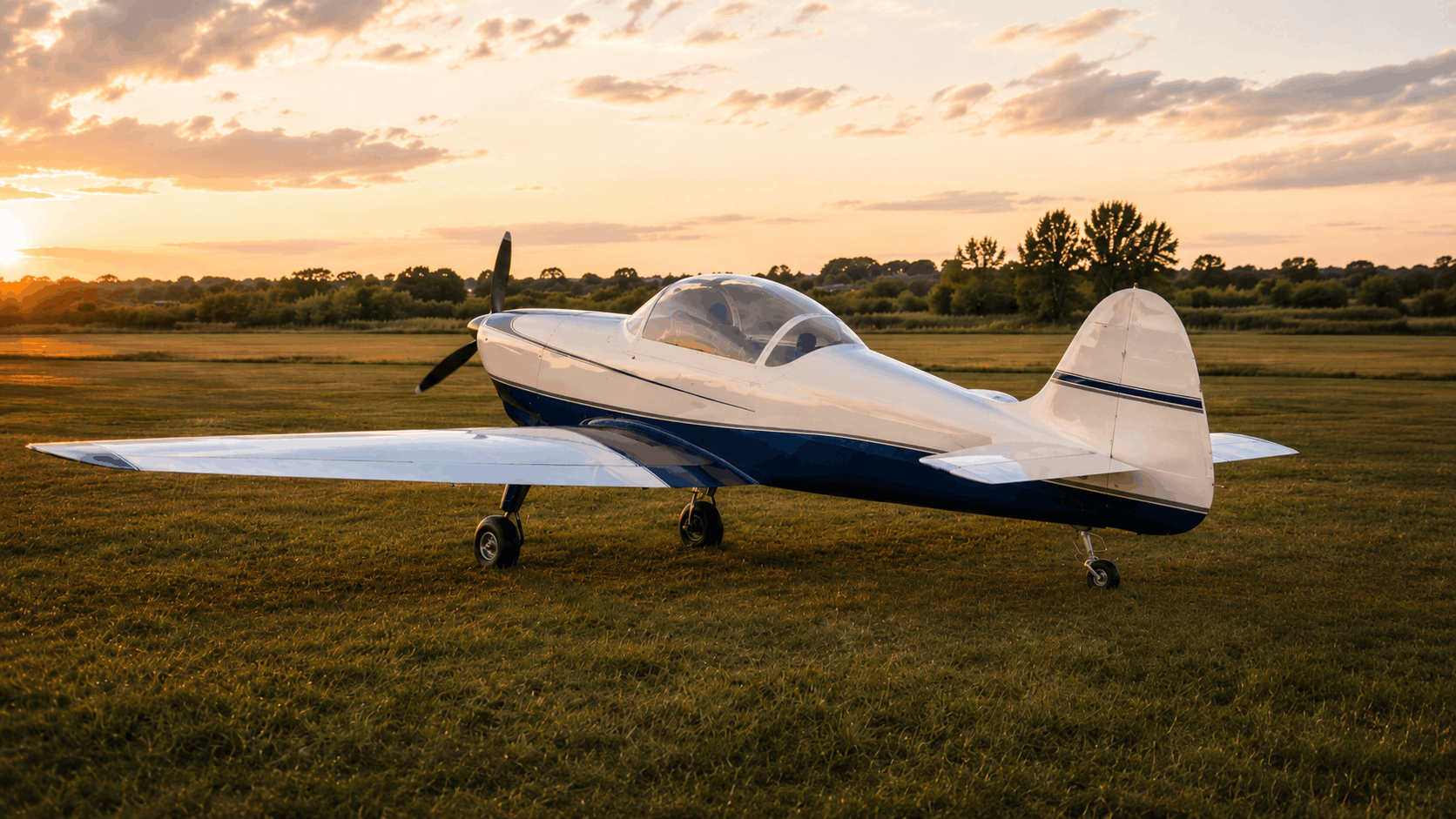
Published UTVA Aero 3 specs should be treated as research leads, not purchase-contract facts. Surviving aircraft may reflect prototype, production or later-modified configurations. Documentation may be incomplete, and a civilian aircraft can carry equipment, instruments, engine components or repairs that differ substantially from historical descriptions.
At a high level, buyers should expect a two-seat training layout, conventional landing gear and a configuration intended for instructional use. Confirm the seating arrangement, wing configuration, control layout and landing-gear arrangement directly from the individual aircraft, its approved records and original technical material. Photographs are useful orientation tools but cannot establish conformity.
| Specification area | Buyer verification method | Why it matters |
|---|---|---|
| Airframe identity and configuration | Manufacturer plate, serial evidence, logs and archive research | Establishes what aircraft is actually being offered |
| Engine installation | Data plate, logbooks, overhaul records and authority-approved documentation | Confirms engine model, installation status and support needs |
| Dimensions, weights and limits | Applicable flight manual, type data and current weight-and-balance record | Supports loading, hangarage and operating analysis |
| Fuel system and capacity | Physical inspection, drawings and current maintenance records | Determines range planning and safety-critical condition |
| Avionics and equipment | Current inventory and installation approvals | Separates modern additions from original model data |
Construction method deserves particular attention. Depending on the individual airframe, buyers may encounter metal structure, fabric-covered surfaces, metal skin, mixed construction or later repair schemes. The inspector should identify corrosion-sensitive zones, moisture traps, inaccessible internal bays, repaired structure, control-cable condition, hinge wear and evidence of unrecorded alteration. A visually tidy exterior does not reveal the condition of spars, fittings, tubing, attachment points or internal preservation.
Engine references are especially vulnerable to error. Confirm the exact installed engine and propeller by data plates, records and applicable approvals. An engine may be original to a historical configuration, a later substitution, an incomplete core, or a preservation-installed unit not suitable for operation. The same discipline applies to propeller model, governor arrangement and fuel-system components.
Useful model data and individual-aircraft equipment must remain separate in the buyer’s file. Build a specification sheet that labels each entry as either published model information, documentary evidence for the particular airframe, or an item still requiring confirmation. That approach is more valuable than repeating unverified figures.
Flying Characteristics, Training Role and Mission Limits
The Aero 3’s original purpose was training, but modern use should be assessed through current condition, legal limitations and pilot competence rather than through its historical role. A former trainer can be an engaging aircraft to fly, yet age, rarity and support constraints normally make it a poor platform for casual utilisation or improvised familiarisation.
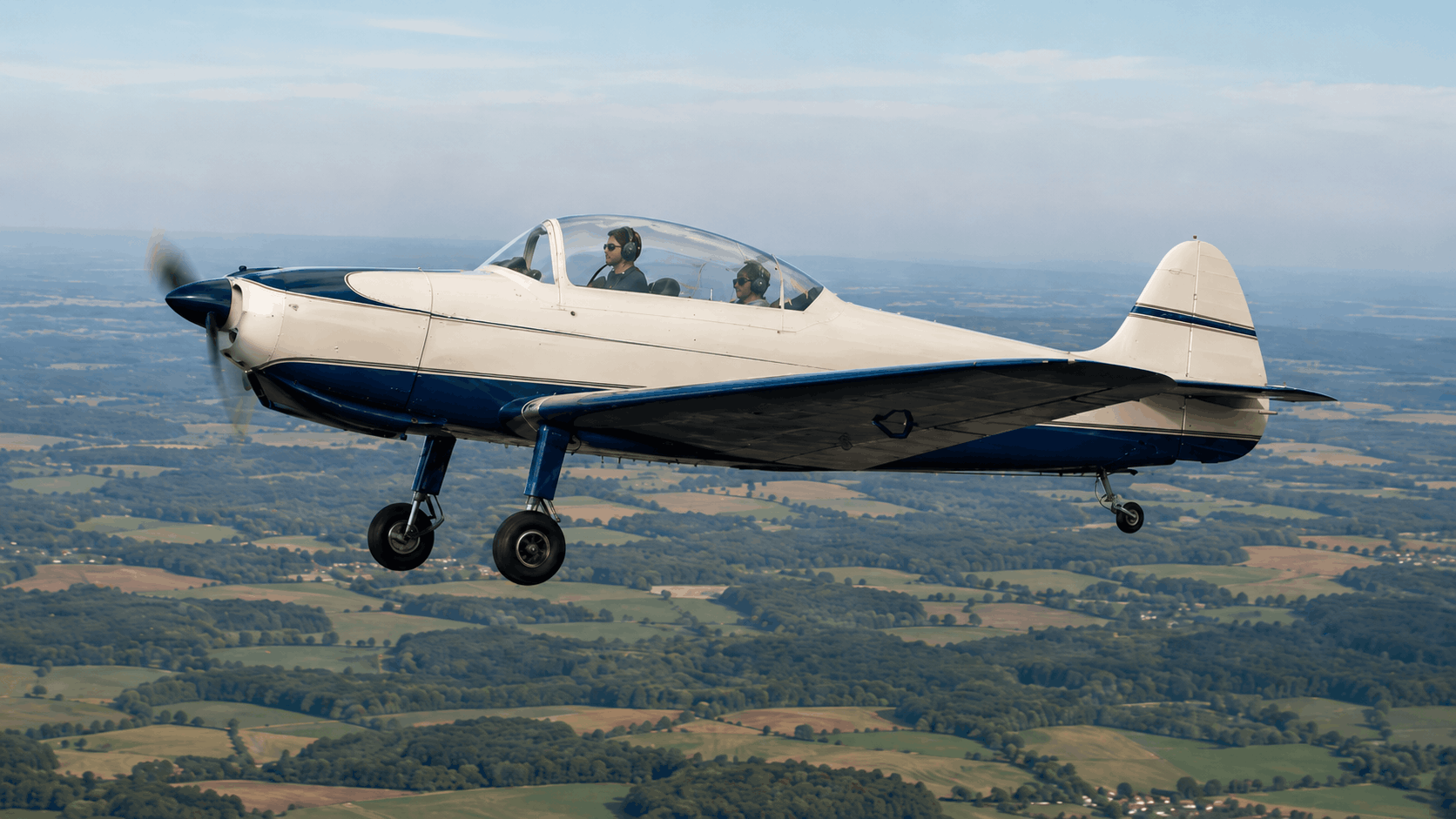
Conventional-gear aircraft demand disciplined ground handling. Tailwheel experience alone may not be enough if the aircraft has unusual geometry, brake behaviour, limited forward visibility or non-standard cockpit controls. A buyer should identify a suitably experienced instructor or mentor before completion, not after delivery. The availability of transition training can be a decisive ownership constraint for rare types.
Expect an analogue, period cockpit with ergonomics designed for a different training environment. Visibility, seating position, ventilation, harness condition, instrument readability and control forces should be evaluated in the actual aircraft. Modern navigation or communication equipment may be fitted, but any installation must be assessed for approval status, electrical capacity and interference with historical integrity.
Cross-country utility may be limited by range, weather capability, passenger comfort, baggage provision, fuel logistics and the consequences of an away-from-base defect. A prospective passenger should not be promised modern touring comfort. The sensible mission may be local heritage flying, carefully planned events and short repositioning flights rather than routine transport.
- Confirm operating limitations and any restrictions on manoeuvres, passengers, weather conditions and areas of operation.
- Do not infer aerobatic approval from military appearance or a training designation.
- Discuss pilot currency, tailwheel qualification, medical requirements and insurer conditions early.
- Do not assume the aircraft is airworthy or flight-ready until the relevant authority, records and inspection evidence support that conclusion.
Insurance underwriters may require minimum experience, supervised checkout, named-pilot limits, hangarage and a defined maintenance programme. These conditions can affect both affordability and the realistic flying mission.
Finding a UTVA Aero 3 for Sale
The market for a UTVA Aero 3 is thin because surviving airframes are scarce and may be held privately, by museums or by restoration organisations. A potential sale can appear internationally, through a specialist contact, as an estate disposition, or as a project whose advertising is incomplete. Patience and a prepared buyer file are advantages.
First determine what is actually offered. A complete aircraft with a traceable identity is not equivalent to a static display, a dismantled restoration project, a collection of airframe components or a parts package. Ask for a detailed inventory that distinguishes installed items, loose items, missing components and items known to be unserviceable. Obtain photographs of data plates, major assemblies and storage conditions, while recognising that images are not condition evidence.
Before travelling, ask for the certification basis or present legal status, ownership chain, logbooks, maintenance records, location, export status and a clear statement of what documents accompany the aircraft. Request information about prior restoration work, engine preservation, missing instruments, corrosion findings and any known damage or repairs. A seller’s openness about uncertainties is more useful than broad assurances.
When reviewing a listing, look for consistency rather than cosmetic promise. Do serial references align across records? Does the airframe appear complete? Are wings, controls, landing gear and engine parts present? Has the aircraft been stored dry and securely? Do dates and stated work scopes make sense? Those questions identify areas for inspection; they do not replace inspection.
A broader search for vintage trainer aircraft for sale can reveal alternatives with more available parts, instructors and regulatory precedent. For a real-world example of the type, buyers can review the Rare UTVA AERO 3 listing on CollectAirs and compare its aircraft-specific records, condition disclosures and included equipment against the due-diligence criteria in this guide. Listing-specific details should not be generalized to every Aero 3.
UTVA Aero 3 Price: Valuation Factors and Transaction Costs
A UTVA Aero 3 price cannot be established from one advertised figure, auction bid or restoration estimate. Rare aircraft have little transparent transaction evidence, and condition differences can be extreme. A low purchase price may represent missing components, uncertain title, extensive corrosion, an unserviceable engine or a static-only future. A higher figure may reflect rare provenance, unusually complete records, a credible restoration and a viable regulatory position.
Start by placing the aircraft in a condition category: project, static exhibit, restored airframe, or documented flying example. Then test that category against evidence. A freshly painted project remains a project if core structure, engine condition and paperwork are unresolved. Conversely, an older restoration may deserve careful attention if it has detailed work records, ongoing preservation and a valid support plan.
- Value drivers: documented provenance, completeness, identity evidence, original components, approved modifications, engine status, spares and records.
- Value detractors: corrosion, missing major assemblies, undocumented repairs, dormant engine history, uncertain title and unsupported conversion work.
- Transaction exposure: crating, recovery, disassembly, transport, import duties or taxes, storage, inspection, restoration, insurance and contingency.
Build a total-acquisition budget rather than a purchase-price budget. International transactions may require currency planning, escrow arrangements, title-transfer steps, export permissions and specialist freight. The party responsible for loading, packing, customs paperwork, risk in transit and damage claims should be written clearly into the contract.
An independent appraisal can provide market context, especially for insurance or estate purposes, but it is not a technical pre-buy inspection and cannot establish airworthiness. Use valuation advice to frame negotiation; use a specialist inspection to decide whether the aircraft should be bought at all.
Pre-Buy Inspection: Airframe, Engine and Documentation
Commission an independent inspector with vintage piston-engine and ex-military aircraft experience. Independence matters: the inspector should report to the buyer, have no financial interest in the sale and be able to state where specialist engineering review is required. For a rare type, a team approach may be appropriate, combining an airframe specialist, engine specialist and regulatory adviser.
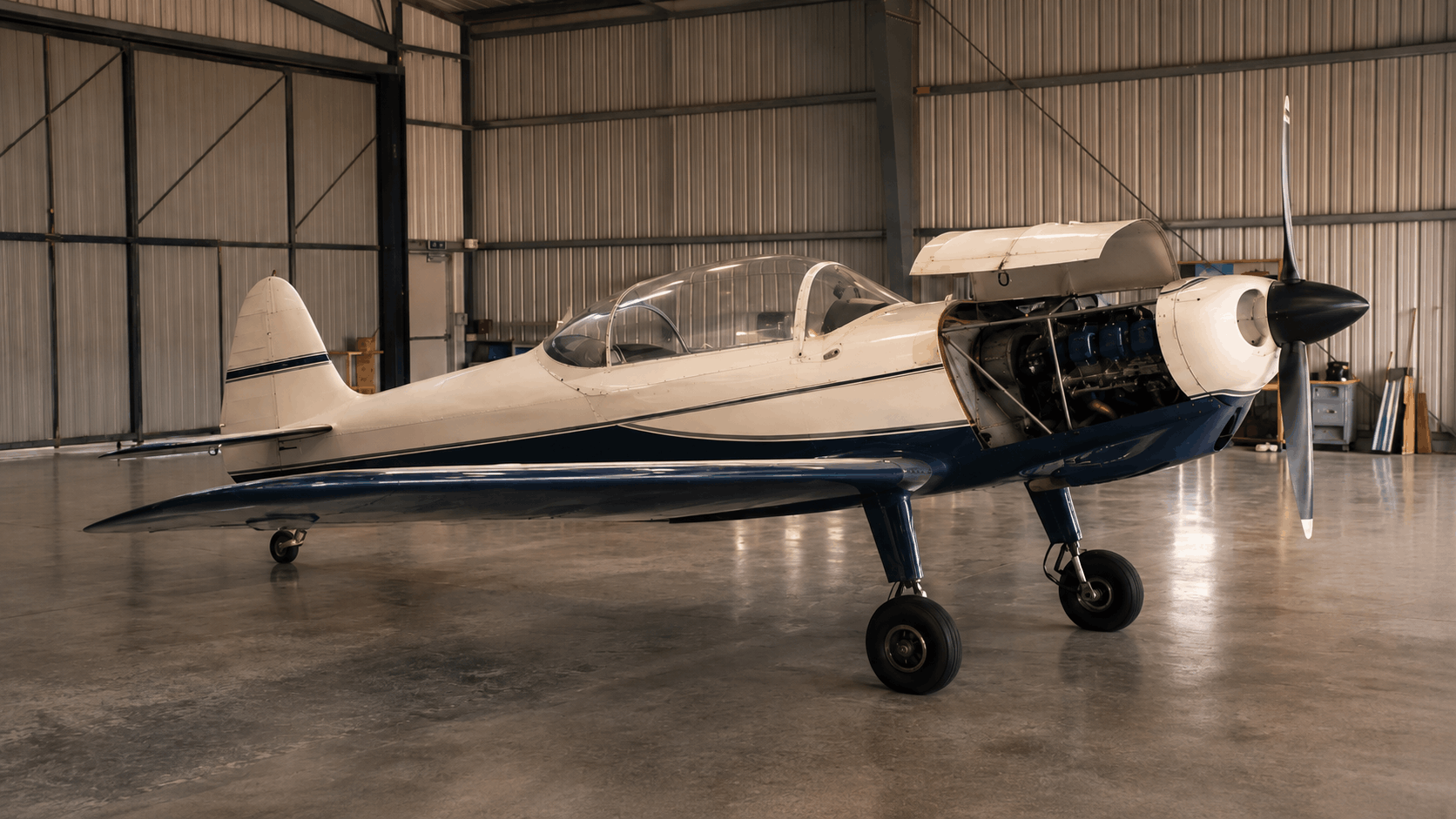
The airframe inspection should examine corrosion, old repairs, structure around spars and attachment points, landing-gear fittings, tail surfaces, control runs, hinges, bearings and evidence of moisture retention. Where fabric is present, assess its age, attachment, finish, damage and documented restoration process. Where metal skin is present, inspect beneath accessible panels rather than judging condition from paint quality.
Engine evaluation should cover preservation methods, overhaul history, run time since overhaul, storage periods, parts traceability and documentation. A ground run can reveal useful information but can also be misleading or inappropriate for a long-dormant aircraft. It does not substitute for deeper assessment. Where condition, access and permissions permit, consider borescope examination, oil and filter review, oil analysis, compression-related checks and inspection of fuel, ignition and cooling systems.
The scope should also include the propeller, brakes, wheels and tyres, fuel tanks and lines, electrical system, instruments, harnesses, canopy or glazing, and flight controls. Verify that discrepancies are recorded rather than verbally explained away. Weight-and-balance records and equipment lists are important because rare aircraft often accumulate undocumented changes over decades.
Documentation review should trace logbook continuity, maintenance releases where applicable, modifications, major repairs, prior registration, current ownership, import history and serial-number evidence. The buyer should receive a written discrepancy list with severity, recommended action, assumptions and an estimated rectification plan. Make the purchase agreement subject to satisfactory inspection, clear title, document delivery and any necessary authority review.
Certification, Registration and Cross-Border Ownership
Private ownership does not automatically create a right to operate an Aero 3. Civil registration category, airworthiness basis and operating limitations vary by jurisdiction. A museum display, an experimental arrangement, a permit-to-fly system and other national pathways can have fundamentally different requirements. Obtain guidance from the competent aviation authority or a suitably qualified local specialist before committing funds to an overseas aircraft.
Determine where the aircraft can be registered, whether its identity and build status are acceptable, what continuing-airworthiness obligations will apply and which modifications need review. An aircraft that is legally displayed in one country may not be straightforward to import or fly in another. Historic status does not remove ordinary obligations concerning ownership, customs, insurance, maintenance and operational compliance.
Import and export can add complexity. Check export permissions, customs treatment, tax exposure, bills of sale, deregistration evidence and any heritage-property restrictions. Confirm transport requirements if the aircraft will travel dismantled. These questions should be answered before a deposit becomes difficult to recover.
Pilot requirements also require local confirmation. Licensing, medical fitness, tailwheel qualifications, type familiarisation and insurer-mandated training differ by country and policy. Establish realistic hangarage, fire protection, security and access to suitable runways before treating an aircraft as an operational acquisition.
Maintenance, Parts Support and Preservation Planning
With a small surviving fleet, parts support is a strategic issue rather than a routine ordering task. Owners benefit from relationships with museums, restorers, historical aviation groups, engine specialists and engineers familiar with legacy documentation. The objective is to understand what can be inspected, repaired, reproduced or approved before an urgent defect grounds the aircraft indefinitely.
Preserve original components where condition and safety allow. When replacements are needed, identify the applicable approval route before fabrication. Replacement manufacture, repair schemes and engineering substantiation can be feasible, but time, cost and authority acceptance are not assumptions. Maintain disciplined records for every decision, material, repair and component change.
Assess support separately for the engine, propeller, tyres, brakes, fuel-system parts, electrical items and instruments. A workable engine supply path does not solve a scarce propeller or brake component. Equally, an aircraft with good airframe structure may still be impractical if vital systems cannot be supported within the intended operating environment.
Hangarage is preservation equipment. A dry, ventilated environment, regular inspections, moisture control, fuel-system management and protective covers can prevent expensive deterioration. The maintenance budget should be condition-based, with a substantial contingency for discoveries during inspection and restoration. Optimistic annual averages are a weak basis for rare-aircraft ownership.
Alternatives and a Practical Buyer Decision Framework
Before pursuing an Aero 3, compare it with other vintage trainers using the criteria that matter to the intended mission: rarity, historical significance, parts support, engineering access, instructor availability, regulatory precedent, operating exposure and resale depth. A more common trainer may offer a more practical route to heritage flying, while the Aero 3 may be the better choice for a collector whose priority is Yugoslav aviation history.
For some buyers, a static-preservation project is the responsible answer. It can protect a scarce airframe, allow meaningful interpretation and avoid the financial and regulatory exposure of returning an uncertain aircraft to flight. A flying restoration is most credible when structure, identity, documentation, support and approval pathways are all established before work begins.
| Decision | Appropriate when |
|---|---|
| Buy | Identity, title, condition, support plan and legal path are well evidenced |
| Negotiate subject to inspection | Potential is credible but material technical or document questions remain |
| Monitor | Asking terms, access to records or project scope are not yet sufficient |
| Walk away | Title, serial identity, structural condition or exportability cannot be resolved |
Sources & Further Reading
- UTVA Aircraft Industry — Official Company History and Aero-3 Overview
- Technical Museum Nikola Tesla — UTVA Aero 3 Museum Record
- Estrella Warbird Museum — UTVA Aero-3 Aircraft History and Reference Specifications
- CollectAirs — Rare UTVA AERO 3, Lot #176
Historical specifications can vary between references and surviving aircraft may differ from original configurations. Buyers should verify all operational, technical and legal details against the records and approved documentation for the individual aircraft.
The right Aero 3 buyer is prepared to preserve a scarce historic aircraft and accepts that ownership may be more demanding than ownership of a common trainer. The sensible next step is to assemble the available documentation, engage an appropriate inspector and compare genuinely matching vintage aircraft listings against the full cost and support requirements of the project.

Comments
No comments yet
Be the first to share your thoughts!