
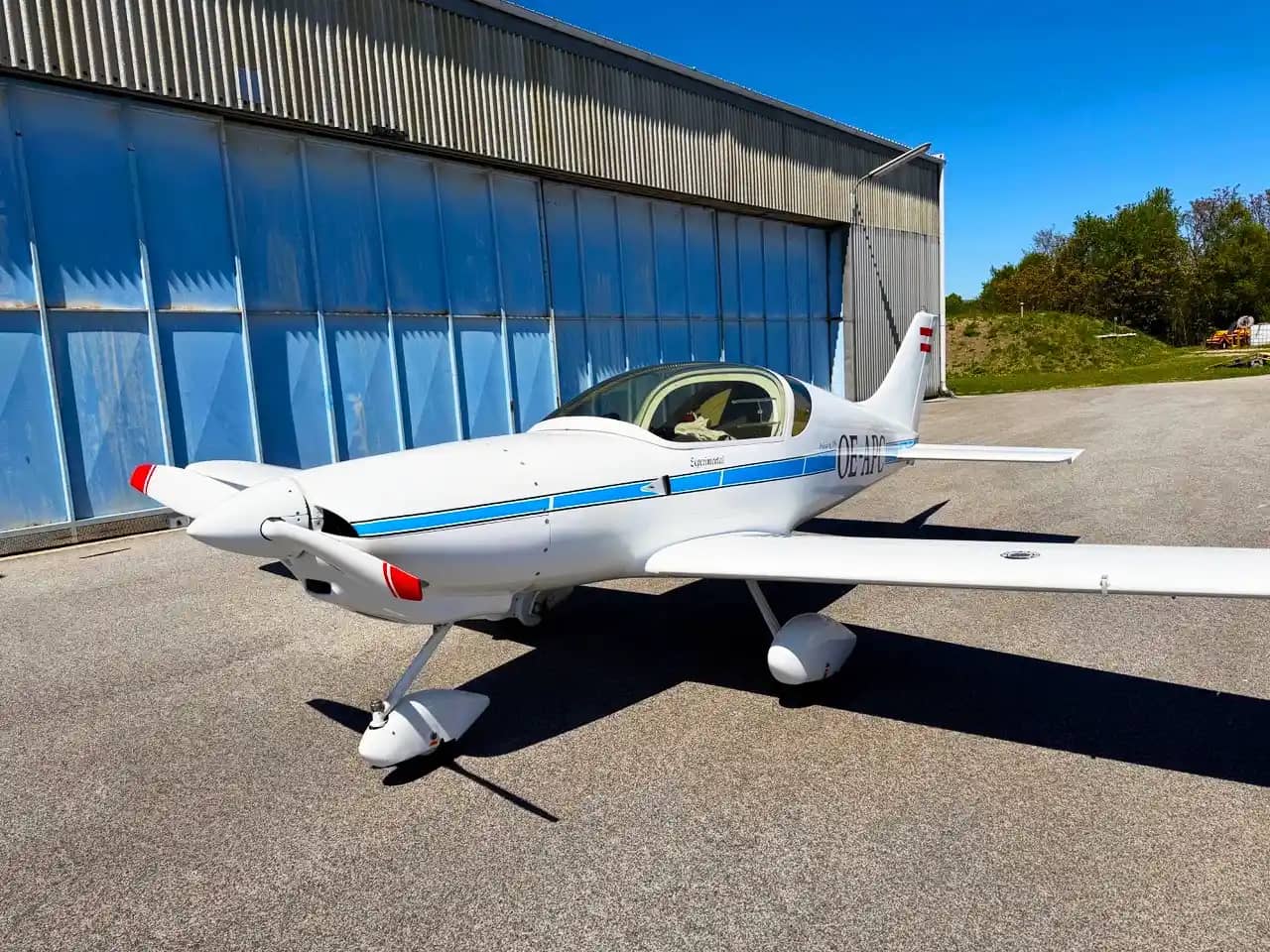
 Bad Vöslau
 Kirn
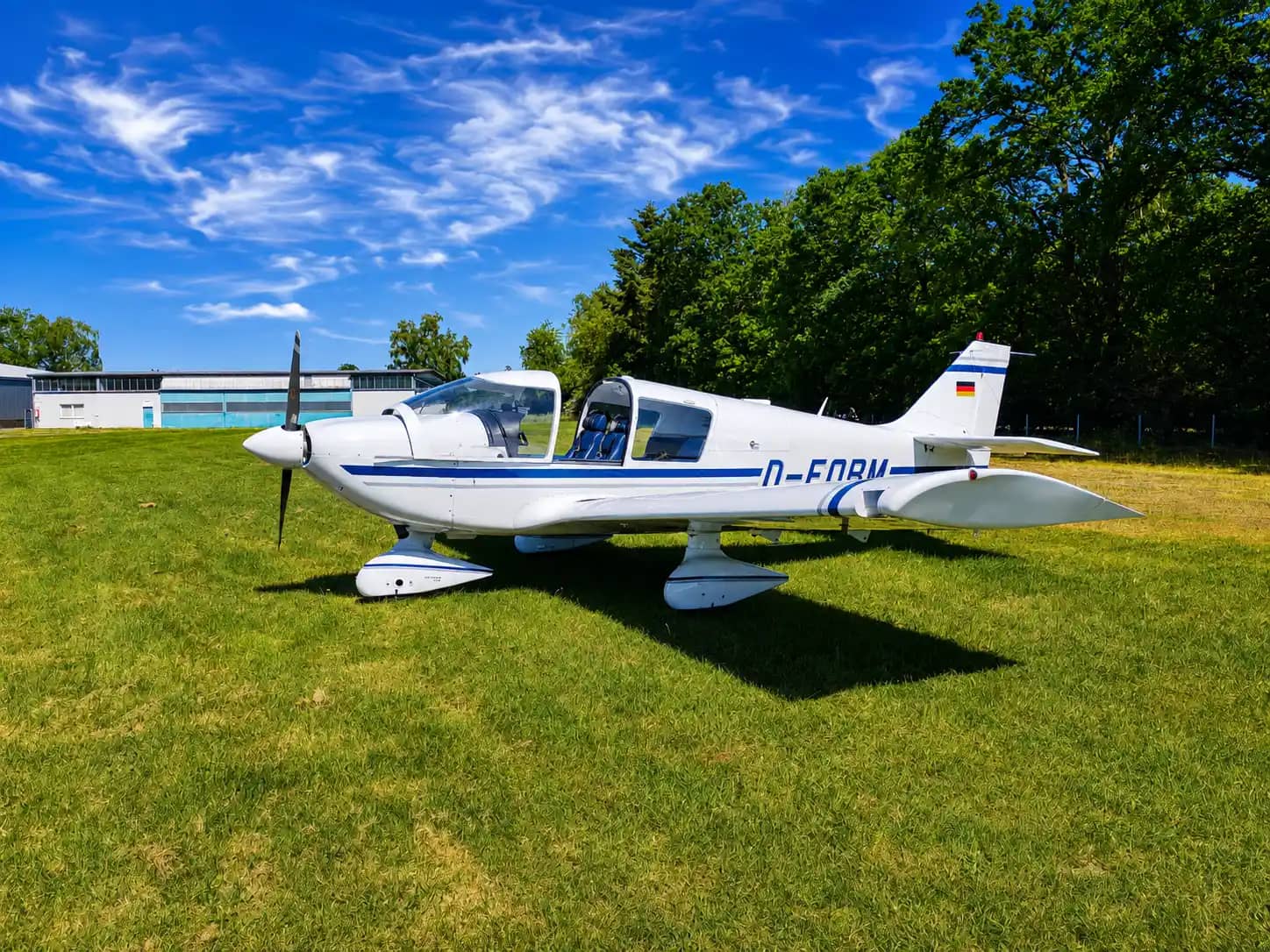
Kirn

 Florida

Flight Design CTLSi 600 at a Glance

The Flight Design CTLSi 600 is a composite, high-wing, two-seat light aircraft aimed at owners who want efficient recreational flying and practical touring without moving into the operating costs of a larger general-aviation aircraft. Flight Design identifies the CTLSi as the fuel-injected member of the CTLS family, using the 100 hp Rotax 912 iS engine.
The attraction is straightforward: modern composite construction, a spacious cabin for a two-seater, broad visibility and relatively economical operation. The trade-off is that useful load, regulatory status and aircraft-specific configuration matter considerably. Two adults, full fuel and baggage may not fit within the loading envelope of every example.
A Flight Design CTLSi for sale should therefore be evaluated as an individual aircraft rather than as a generic specification sheet. Confirm the aircraft's approval basis, empty weight, weight-and-balance data, installed equipment, maintenance history and support network before deciding whether it fits your mission.
- Best suited to: efficient private ownership and two-seat touring.
- Main buying question: can the individual aircraft legally carry the people, fuel and baggage you intend to take?
- Core diligence point: verify the aircraft's actual certification and maintenance documentation rather than assuming every CTLSi 600 is identical.
If you are evaluating a real example now, see the 2020 Flight Design CTLSi 600 Grand Touring currently listed on CollectAirs.
Understanding the CTLSi 600 Name, Variant and Regulatory Status

Names used in advertisements can hide important distinctions. Flight Design uses CTLSi for CTLS-family aircraft equipped with the fuel-injected Rotax 912 iS, while the aircraft's actual certification and operating basis are established by its approved documentation.
EASA's type-certification documentation for the CT family identifies CTLSi-ELA as a marketing name associated with specified engine options and makes clear that aircraft documentation, serial number and approved configuration matter. Buyers should therefore avoid assuming that the word “600” by itself establishes the legal category, permitted operation or maintenance regime of a particular aircraft.
Depending on the aircraft and jurisdiction, apparently similar CT aircraft may operate under different certification or national frameworks. Those differences can affect approved maximum mass, maintenance requirements, licence privileges, inspections and future registration or transfer.
| Document to verify | Why it matters |
|---|---|
| Registration and airworthiness documentation | Establishes the aircraft's current legal and operating basis. |
| Applicable POH, AFM or operating limitations | Defines approved limitations, procedures and performance references. |
| Current weight-and-balance report | Determines the real loading capability of the aircraft. |
| Engine and propeller records | Establishes times, maintenance history and component identity. |
| Maintenance and service-compliance records | Shows whether applicable scheduled and manufacturer-required work has been addressed. |
Flight Design maintains official service documents for the CT series, including safety alerts, service bulletins, service letters and notifications. Buyers should review the documents applicable to the exact model and serial number rather than relying on a generic checklist.
Specifications That Matter to Prospective Owners

The CTLSi is a fixed-tricycle-gear, high-wing composite two-seater. Flight Design's current CTLS information lists the fuel-injected Rotax 912 iS as the CTLSi engine option and provides model-level weight, geometry and performance information.
Those manufacturer figures are useful for understanding the type, but a buyer should base the purchase decision on the individual aircraft's current documentation.
Useful load is usually the most important calculation. Start with the documented empty weight and subtract it from the aircraft's approved maximum take-off mass. Then account for occupants, planned fuel, baggage and any equipment that is not already included in the recorded empty weight.
A heavily equipped aircraft with a large avionics installation, autopilot, ballistic recovery system or additional interior equipment may offer less payload flexibility than a lighter example of the same type.
- Request the latest weight-and-balance report.
- Use actual occupant and baggage weights.
- Calculate the mission with the fuel reserve you realistically intend to carry.
- Check baggage-area limits as well as total useful load.
- Use the aircraft's applicable POH or AFM for runway and performance planning.
For buyers specifically researching the 600 kg category, the most important point is that a published maximum mass does not replace aircraft-specific approval documentation.
The Rotax 912 iS: Engine, Fuel System and Operating Characteristics
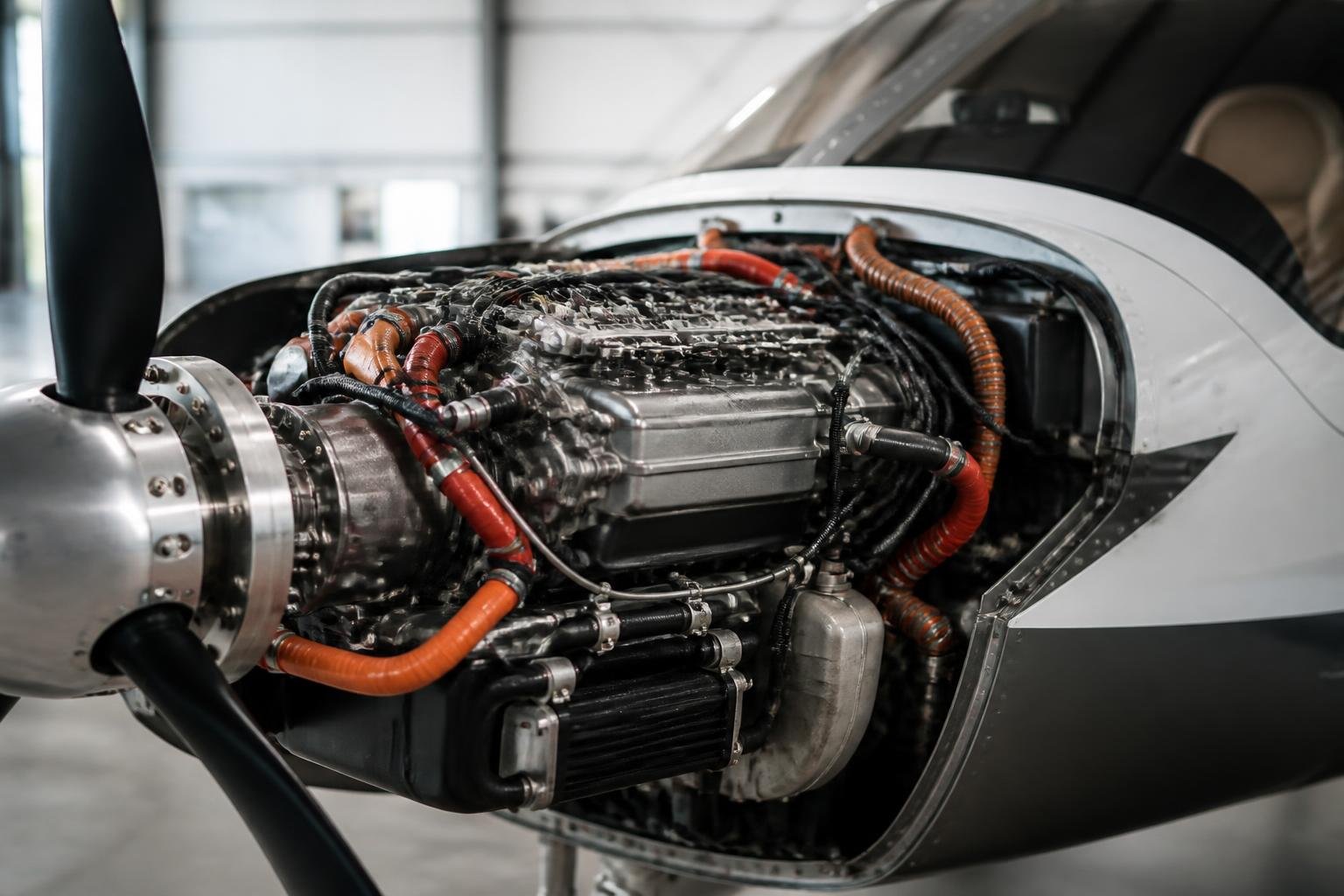
The Rotax 912 iS Sport is a 100 hp four-stroke engine with electronic fuel injection and ignition, liquid- and air-cooled cylinders, electronic engine management and a propeller reduction gearbox. Rotax currently publishes a 2,000-hour TBO for the 912 iS Sport, subject to the applicable maintenance documentation and engine status.
Compared with a carburetted Rotax 912 installation, the 912 iS changes some of the inspection priorities. Electronic engine management and fuel injection make electrical-system condition, sensors, wiring, grounds, charging performance and fuel-system health particularly important.
During records review, identify:
- Engine model and serial number.
- Total time and calendar age.
- Scheduled maintenance history.
- Applicable Rotax service information.
- Fuel-system maintenance.
- Cooling-system maintenance.
- Gearbox history where applicable.
- Periods of extended inactivity.
- Recorded engine-management or electrical faults.
Rotax publishes current technical information through its official 912 iS Sport product and technical-documentation resources. The documentation applicable to the individual engine should take precedence over generic maintenance advice.
A low-hour engine is not automatically a low-risk engine. Calendar-based work, storage history, hose condition, electrical issues and incomplete maintenance records can still create near-term costs.
Cockpit, Avionics and Electrical-System Evaluation

CTLSi aircraft can be found with different avionics configurations, so terms such as “glass cockpit” or “fully equipped” are not enough for a buying decision. Identify the exact displays, radios, transponder, navigation equipment, autopilot and backup instruments installed in the aircraft.
Compare the panel with the equipment list and maintenance records. Confirm software and database support where relevant and investigate undocumented equipment changes or unexplained wiring modifications.
The electrical review deserves particular attention on a 912 iS installation because engine management depends on the electrical architecture. Inspectors should review:
- Battery age and condition.
- Charging-system performance.
- Wiring and connectors.
- Ground connections.
- Circuit protection.
- Fuel-pump electrical supply.
- Backup or redundant provisions applicable to the installation.
- Any history of warning indications or intermittent electrical faults.
Flight Design's CTLS service-document library includes CTLSi-specific technical information, including notifications relating to the Rotax 912 iS installation. This makes serial-number and configuration-specific document review especially valuable.
Mission Fit: Where the CTLSi 600 Works Best
The CTLSi 600 is strongest as an efficient two-seat aircraft for recreational flying, regional touring and regular owner-operated trips. Buyers who normally fly alone or with one passenger can benefit from carrying less aircraft, engine and fuel than a larger four-seat design requires.
The practical limit is often loading flexibility. If your normal trip involves two adults, substantial baggage and a long fuel requirement, calculate that mission using the aircraft's actual weight-and-balance data before treating the CTLSi as a good fit.
- Good fit: two-seat touring, local recreation and efficient private ownership.
- Potential compromise: frequent full-fuel trips with two heavier occupants and significant baggage.
- Look elsewhere if: the mission regularly requires four seats, much greater payload or a substantially larger cabin.
Runway suitability should also be evaluated from the applicable aircraft documentation and realistic operating conditions. Grass, obstacles, density altitude, wind and pilot proficiency all affect the practical margin.
Ownership Costs, Support and Parts Planning
There is no universal CTLSi ownership-cost figure. Annual cost depends on utilisation, storage, insurance, local labour rates, regulatory framework, engine status and the condition of the individual aircraft.
A practical ownership budget should include:
- Fuel and oil.
- Routine scheduled maintenance.
- Engine and propeller reserves.
- Calendar-driven maintenance.
- Tyres and brakes.
- Battery and electrical components.
- Insurance.
- Hangar or storage.
- Avionics subscriptions where applicable.
- Unscheduled maintenance contingency.
Support matters as much as theoretical maintenance cost. Before buying, identify a maintenance provider familiar with the CT airframe and Rotax 912 iS installation. Flight Design currently provides manufacturer support, spare-parts information and CT-series technical documentation, but local access and lead times still deserve investigation.
Airframe and Composite Inspection Priorities
Composite construction changes what a buyer and inspector should look for. A clean paint finish alone does not establish structural condition, and an apparently minor impact can require more investigation depending on location and construction.
Review the aircraft's records for:
- Known damage.
- Composite repairs.
- Repainting.
- Ground-handling incidents.
- Hard landings.
- Insurance repairs.
- Modifications affecting structural areas.
The physical inspection should consider the wing and fuselage skins, attachment areas, control surfaces, landing gear, fairings and other accessible structure. Suspected structural damage or poorly documented repair work should be assessed by someone experienced with composite aircraft.
For a deeper explanation of the inspection methods and documentation issues involved, read our Composite Aircraft Pre-Buy Inspection Guide.
Pre-Buy Inspection Checklist for a Used CTLSi 600
A credible CTLSi pre-buy inspection should be independent of the seller and tailored to the individual aircraft's engine, equipment and regulatory basis.
- Confirm model, serial number and registration status.
- Obtain complete airframe, engine and propeller records.
- Verify current weight-and-balance documentation.
- Identify the exact Rotax 912 iS engine and maintenance status.
- Review applicable Flight Design and Rotax service information.
- Inspect the composite structure and documented repair areas.
- Check landing gear, brakes, controls and attachment areas.
- Review fuel-system condition.
- Assess battery, charging, wiring and engine-management electrical systems.
- Test avionics and autopilot functions where appropriate.
- Review propeller identity, condition and maintenance history.
- Investigate damage, import and registration history.
- Obtain written inspection findings before committing funds.
A pre-buy inspection is buyer-directed due diligence. It does not automatically replace an annual inspection, ARC, maintenance release or other regulatory requirement.
Our broader Aircraft Pre-Buy Inspection Checklist covers records, compliance, physical condition, transaction costs and inspection planning in more detail.
How to Assess a Flight Design CTLSi for Sale
An advertisement is a starting point, not independent verification. When assessing a Flight Design CTLSi for sale, separate seller-described information from facts supported by aircraft records.
Request early:
- Aircraft serial number.
- Registration and airworthiness documentation.
- Airframe, engine and propeller times.
- Current weight-and-balance report.
- Maintenance records.
- Applicable service-compliance information.
- Damage or repair history.
- Equipment and avionics list.
Do not treat low total time as proof of superior condition. An aircraft that has spent long periods inactive can still face calendar-related engine, hose, battery, fuel-system or avionics issues.
Likewise, advertised useful load should be verified against the current weighing record rather than a model-level brochure figure.
The 2020 Flight Design CTLSi 600 Grand Touring on CollectAirs provides an example of the type of aircraft-specific information a buyer should compare with the broader model guidance in this article, including configuration, engine, avionics, aircraft times and available documentation.
Alternatives to Compare Before Committing
A CTLSi should be compared with alternatives according to mission, useful-load flexibility, support availability, cabin utility and ownership structure rather than one headline performance number.
| Aircraft | Why a buyer might consider it | Main comparison question |
|---|---|---|
| Flight Design CTLSi 600 | Composite high-wing layout, Rotax 912 iS power and a strong focus on efficient two-seat touring. | Does the specific aircraft provide enough useful load for your normal two-person mission? |
| Van's RV-12 / RV-12iS | A popular two-seat Rotax-powered alternative with metal construction and a large owner and builder ecosystem. | Do you prefer the RV-12's ownership ecosystem and construction approach over the CTLSi's composite high-wing layout? |
| Ikarus C42 | A widely used European light aircraft with strong training and recreational credentials. | Is simple local support and training utility more important than the CTLSi's touring-oriented configuration? |
| Tecnam P2008 | Another modern high-wing light-aircraft option worth considering for recreational and touring use. | Which aircraft offers the better combination of useful load, cabin fit, maintenance access and local support for your operation? |
For more detail on the alternatives already covered by CollectAirs, see our Van's RV-12 Buyer's Guide and Ikarus C42 Buyer's Guide.
When comparing aircraft in this category, sit in the actual candidates if possible and compare:
- Real useful load with your normal fuel requirement.
- Cabin width and seating comfort.
- Entry and exit.
- Baggage access.
- Visibility.
- Maintenance support near your home base.
- Parts availability.
- Certification and maintenance framework.
- Insurance availability.
- Resale audience.
Decision Framework and Next Steps
| Finding | What it means | Next step |
|---|---|---|
| Mission fits comfortably within actual useful load | The CTLSi may be well matched to your normal flying | Continue with records review and inspection |
| Payload works only with major fuel or baggage compromises | The aircraft may not fit your real mission | Compare another two-seat type or a larger aircraft |
| Complete records and clear service history | Maintenance status is easier to evaluate | Confirm condition through independent pre-buy inspection |
| Missing service history or unclear configuration | Maintenance and regulatory risk remain uncertain | Resolve documentation before committing funds |
| Composite repair history is documented | A repair is not automatically disqualifying | Have a composite-experienced inspector assess it |
| Local CTLSi or Rotax support is weak | Ownership downtime and cost may increase | Identify a viable maintenance pathway before purchase |
The CTLSi 600 can be a strong choice for a buyer seeking modern, efficient two-seat touring, but the best example is not simply the one with the lowest hours, newest display or most attractive advertisement.
Prioritise the aircraft whose mission fit, useful load, records, Rotax maintenance status, composite condition and support pathway can all be verified with confidence.
Interested in a real CTLSi? View the 2020 Flight Design CTLSi 600 Grand Touring on CollectAirs, review its specifications and available documentation, and arrange an independent pre-buy inspection before bidding.
Sources & Further Reading
- Flight Design — CTLS Official Model Information
- Flight Design — CT Series Service Documents
- Rotax — 912 iS Sport Official Engine Information
- EASA — Flight Design CT Type Certificate Data Sheet EASA.A.537
- CollectAirs — Composite Aircraft Pre-Buy Inspection Guide
- CollectAirs — Aircraft Pre-Buy Inspection Checklist
- CollectAirs — Van's RV-12 Buyer's Guide
- CollectAirs — Ikarus C42 Buyer's Guide
- CollectAirs — 2020 Flight Design CTLSi 600 Grand Touring
Specifications and technical information in this guide are model-level references. Individual Flight Design CTLSi aircraft can differ by certification basis, engine installation, equipment, modifications and national operating requirements. Always use the approved documentation and maintenance records for the aircraft being evaluated.

Comments
No comments yet
Be the first to share your thoughts!